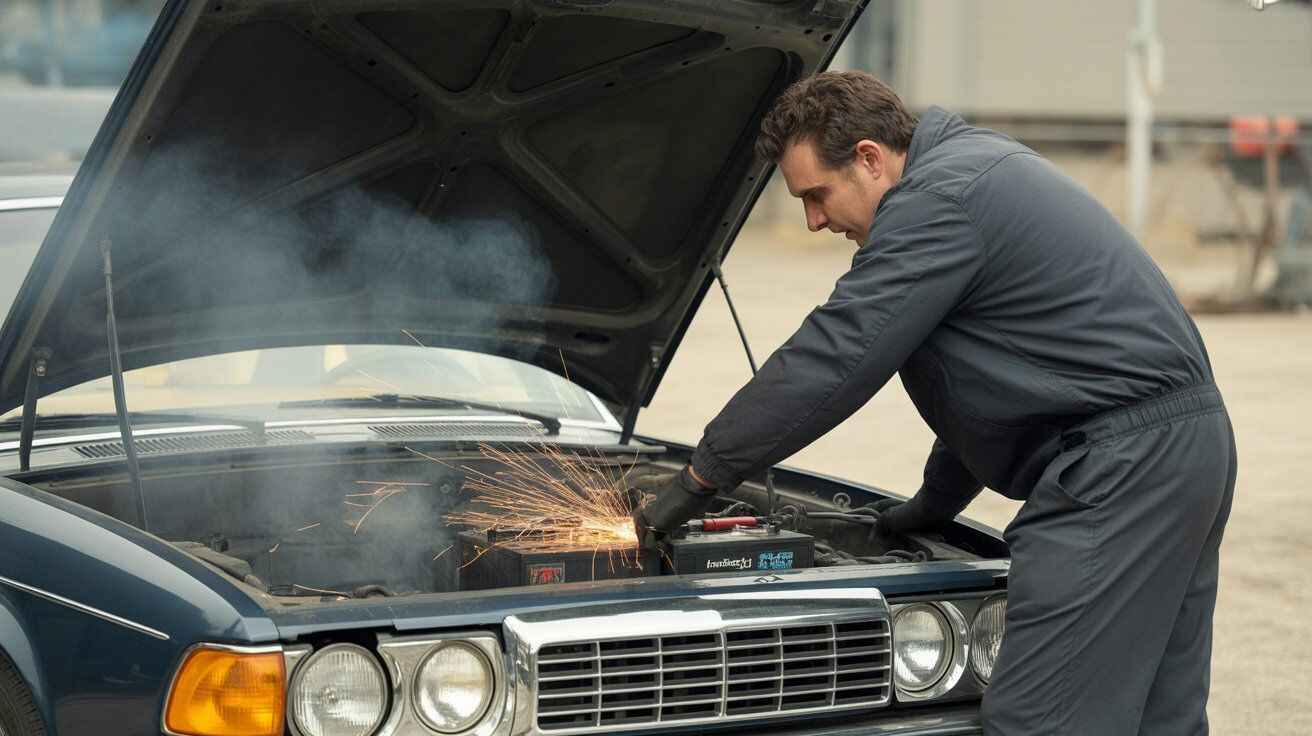
A car battery can explode due to hydrogen gas buildup igniting from a spark, overcharging, internal short circuits, or extreme heat causing pressure inside the battery.
Why Would a Car Battery Explode?
A car battery can explode when flammable gases (hydrogen) build up and ignite from a spark. Why Would a Car Battery Explode?
This often happens due to overcharging, faulty alternator, blocked vents, or internal damage. Warning signs include swelling, leaks, overheating, or a strong rotten egg smell.
In lithium-ion packs, thermal runaway can trigger violent failure. While modern batteries have safety features, neglect or poor maintenance increases the risk.
Proper care and attention to early warning signs are key to preventing dangerous explosions.
How Batteries Produce Explosive Gases
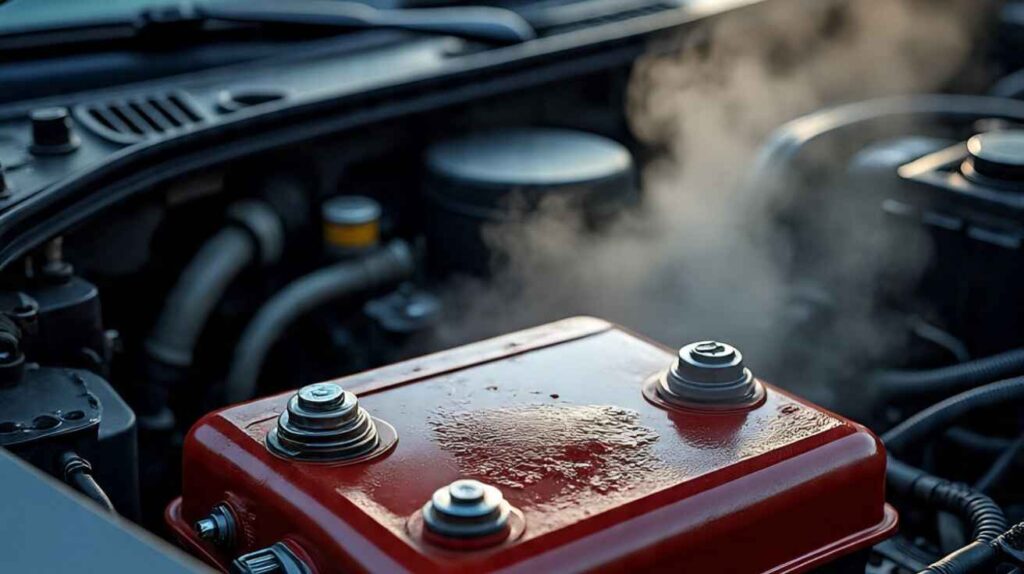
Car batteries can explode when gases build up during charging. In lead-acid batteries, overcharging splits water into hydrogen and oxygen, which can become explosive if vents are clogged, space is confined, or overheating occurs.
Even a tiny spark or static electricity can ignite the mix. Lithium batteries don’t release hydrogen but can fail through thermal runaway, where heat buildup triggers fire or explosion.
In both cases, gas accumulation or internal failure is the main cause of battery explosions.
Safety Checklist
| Step | Action | Why It Matters |
|---|---|---|
| Inspect | Look for swelling, leaks, or corrosion regularly | Early detection prevents sudden explosions |
| Clean | Keep terminals tight and free of buildup | Avoids sparks that can ignite hydrogen gas |
| Charge | Use proper chargers; avoid overcharging | Prevents gas buildup and overheating |
| Ventilate | Ensure airflow around the battery | Reduces risk of explosive gas accumulation |
| Replace | Change batteries every 3–5 years or at first warning | Old or weak batteries are more prone to fail |
Major Causes of Car Battery Explosions
The main culprits are overcharging, internal shorts, thermal runaway in lithium batteries, sparks from poor connections, and manufacturing defects.
1.Overcharging and Excessive Gassing
Overcharging is a major cause of car battery explosions, as it produces excessive hydrogen gas that builds pressure inside the case.
Signs include a swollen battery, leaks, or terminal corrosion. Often caused by a faulty alternator or regulator, the gas can ignite from a spark or loose cable, leading to explosion.
Overcharging also damages internal plates and shortens battery life, so prevention relies on automatic shutoff chargers, proper maintenance, and timely regulator replacement.
2.Short Circuits, Internal Failure & Physical Damage
Internal short circuits from degraded separators or corrosion can cause heat, sparks, and gas release, igniting hydrogen inside the case.
Physical damage like cracks from impact or vibration can lead to acid leaks and gas buildup, making explosions more likely.
Even external shorts from loose cables or tools can spark ignition, highlighting the need for proper handling, secure connections, and insulated tools.
3.Thermal Runaway in Lithium Batteries
Lithium-ion batteries can explode through thermal runaway, where heat builds faster than it can escape, often from damage, defects, or fast charging.
This triggers a chain reaction across cells, leading to fire, smoke, or explosion. Warning signs include swelling, hissing, or overheating, and once started, runaway cannot be stopped.
Battery Management Systems (BMS) and cooling systems are crucial to prevent it in electric vehicles.
4.Sparks from Loose Connections & Jump-Starting Errors
Loose or corroded terminals can create sparks that ignite hydrogen gas, while improper jump-starting often causes sparks directly on the battery.
Even smoking, open flames, or static electricity near a charging battery can trigger an explosion. The risk is minimized by keeping connections tight and clean and always following safe jump-starting procedures.
5.Manufacturing Defects, Age & Poor Maintenance
Poor-quality manufacturing, aging, and lack of maintenance make batteries more prone to explosions. Thin casings, clogged vents, corroded plates, and weakened separators increase failure risk.
Low electrolyte, corrosion, swelling, or leaks are warning signs that should not be ignored. Timely replacement and proper care are the safest ways to prevent explosions.
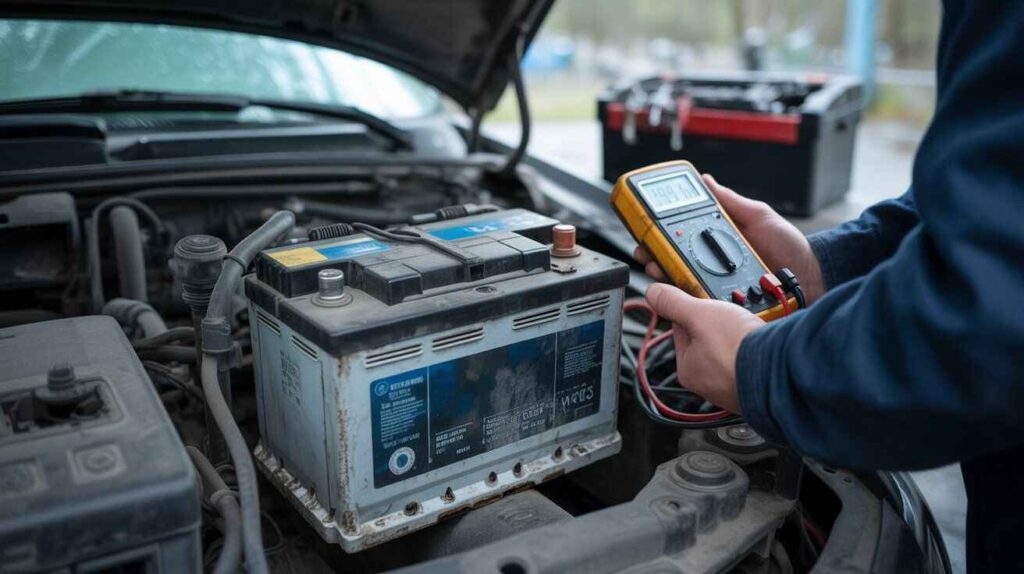
Signs of a Potential Battery Issue
Swelling or Bulging
A swollen or bulging battery means gas pressure is building inside, usually from overcharging, internal shorts, or overheating. It is hazardous and may rupture or explode if used further. Instead, disconnect safely with gloves and eye protection and replace immediately.
Leaking Fluids
Leaking battery acid from a cracked case, overfilled electrolyte, or overheating is dangerous and highly corrosive.
It can damage skin, clothing, and vehicle parts. Neutralize small spills with baking soda, keep sparks away, and replace the battery, as persistent leaks mean it is no longer safe.
What to Do if a Car Battery Explodes
Immediate Actions
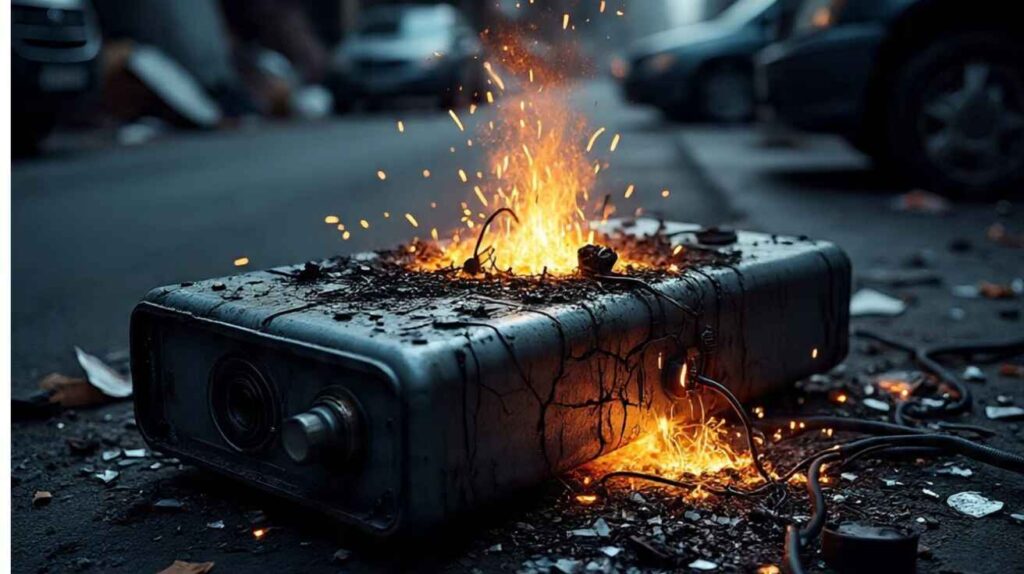
If a battery explodes, step back right away to avoid fumes and debris. Do not touch the damaged unit. If acid contacts skin or eyes, flush with water for at least 15 minutes and remove contaminated clothing.
Call emergency services for serious injuries. For small fires, only use a Class B or C extinguisher if it’s safe.
Safety Measures
Ventilate the area to clear hydrogen or sulfur fumes, and never reuse the battery. Arrange proper disposal through a recycling center or mechanic.
If it happens in a confined garage, leave until gases disperse. Always put personal safety first over equipment.

Prevention Strategies to Avoid Explosions
Regular Maintenance
Inspect for swelling, corrosion, or leaks regularly. Clean terminals, test charging voltage, and maintain electrolyte levels. Replace weak or aging batteries promptly.
Proper Installation
Keep the battery securely mounted with tight, clean terminals. Follow safe jump-starting steps and ensure good ventilation to prevent gas buildup.
Use Quality Batteries
Choose reputable brands with strong casings, reliable separators, and certified safety standards. Avoid cheap, low-quality batteries that fail early.
FAQs
Q1: Can a car battery explode while driving?
Yes, overcharging from a faulty alternator can cause hydrogen buildup that may ignite under heat and vibration.
Q2: Is it safe to jump-start a swollen battery?
No, a swollen battery is unsafe and may explode if jump-started — replace it immediately.
Q3: When should I replace my car battery to avoid risks?
Every 3–5 years, or sooner if you see swelling, leaks, or heavy corrosion.