
If car is hard to steer, it may be due to low power steering fluid, worn belts, or damaged steering parts. Sometimes, even low tire pressure can make turning the wheel difficult.
Why Is It Hard to Steer My Car?
Struggling with why it’s hard to steer your car? A stiff steering wheel at low speeds or parking often signals low fluid or wheel misalignment. It can also point to worn-out steering parts that need attention.
Ignoring the signs may lead to unsafe driving and costly repairs. Noises or shakes when braking mean your car needs quick fixes. Learn 6 main causes of hard steering and DIY solutions for smooth driving:
Common Causes of Hard to Steer Car
1.Low Power Steering Fluid
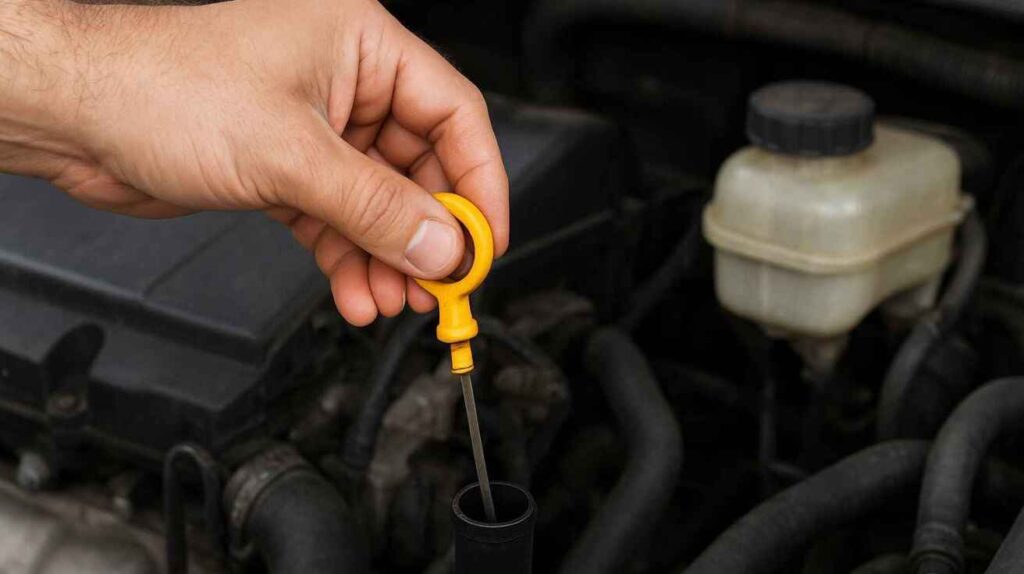
Low power steering fluid is one of the most common reasons for hard steering, especially when parking. To check, look at the reservoir near the engine for low fluid levels or signs of a hydraulic leak.
The simple fix is to top up with the correct steering fluid and inspect hoses for cracks or leaks. Doing regular fluid checks helps prevent a stiff steering wheel, and if the issue still persists, it may point to a failing power steering pump that needs repair or replacement.
2.Faulty Power Steering Pump
A faulty power steering pump is another common reason for hard steering, often causing a stiff steering wheel or a whining noise when turning. Over time, wear or dirty fluid can reduce hydraulic pressure, making it difficult to steer.
Always check the fluid level and quality; if the stiff steering problem persists, you may need to flush the system or replace the pump (costing around $100–$300). To avoid these issues, perform regular fluid changes, which help prevent power steering problems and keeping your turn smooth and reliable.
3.Worn or Misaligned Belts
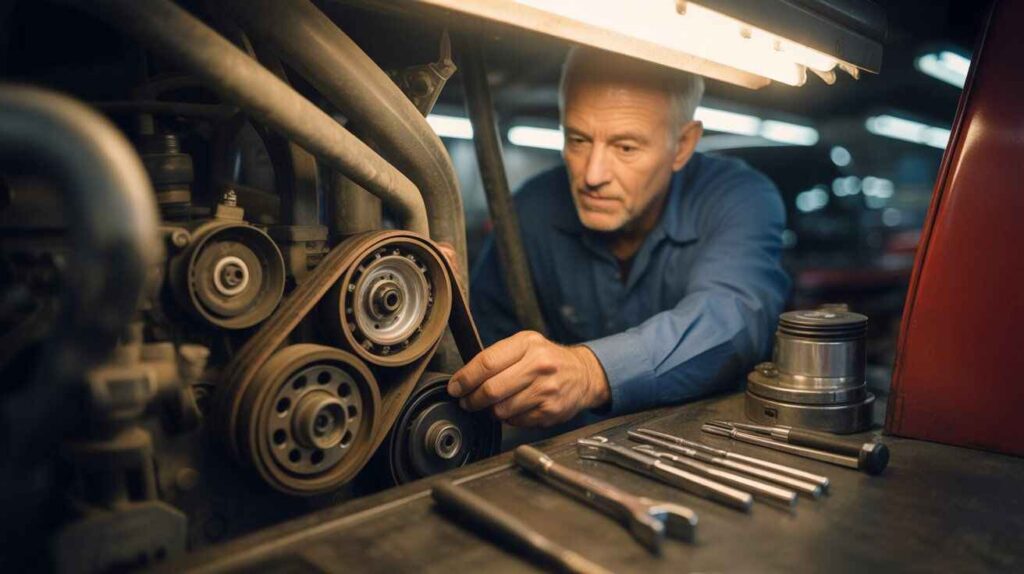
Worn or loose serpentine belts can also cause hard steering, often leading to a stiff steering wheel or a noticeable squealing noise when turning. Inspect the belts for cracks, wear, or looseness, and if needed, tighten or replace them (usually costing around $20–$50 with basic tools).
Performing regular belt inspections helps prevent power steering problems and keeps your steering responsive. Fixing worn belts also reduces the chances of steering wheel shakes when braking, ensuring safer handling.
4.Wheel Misalignment
Wheel misalignment is another reason for hard steering, often making the steering wheel difficult to turn at low speeds. Hitting Hole or curbs can knock your wheels out of alignment, leading to uneven tire wear and poor handling. To spot issues, check tire tread and adjust air pressure as needed.
While a DIY alignment with a tape measure can help in minor cases, getting a professional alignment is more reliable. With regular maintenance, you can prevent steering wheel shakes when braking and avoid further suspension problems.
5.Steering System Issues
Steering rack issues can also explain why it’s hard to steer your car, often showing up as a stiff steering wheel or clunking noises when turning. Problems like worn gears or fluid leaks reduce steering response and make handling difficult.
To fix this, check fluid levels, flush the system to remove debris, and tighten tie rods if the stiff steering continues. Performing regular fluid checks helps prevent steering rack malfunctions, keeping your turns smooth and controlled.
6.Electrical Problems or Fuses
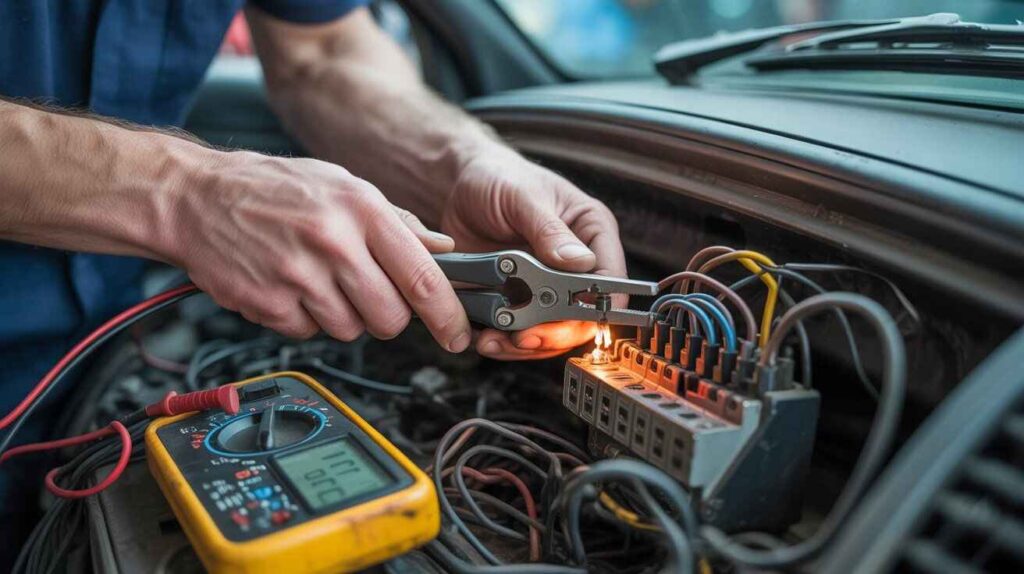
Electrical faults in power steering are another cause of hard steering, often making the steering wheel stiff during parking or at low speeds. Start by checking the fuses in the fuse box and replacing any blown ones, which is usually a cheap fix. Next, test the wiring with a multimeter to spot damaged or loose connections.
Performing regular electrical inspections helps prevent power steering problems, and if the stiff steering persists, more advanced wiring repairs may be required.
Prevention Tips
- Check power steering fluid monthly; top up if low.
- Inspect serpentine belts for cracks or wear; replace if needed ($20–$50).
- Monitor tire pressure weekly to prevent uneven wear.
- Perform DIY wheel alignment with a tape measure or seek professional help.
- Flush the system if you hear noises; check and replace fuses for electrical issues.
Conclusion
The main factors that explain why it’s hard to steer your car include low power steering fluid, faulty pumps, worn belts, wheel misalignment, steering rack issues, and electrical faults. By doing regular checks like fluid levels, belt inspections, tire maintenance, and electrical tests, you can prevent most steering problems. Staying proactive ensures smooth steering, safer driving, and reduced repair costs.
FAQs
1.Why is my steering wheel hard at low speeds?
Low fluid or weak pump causes why is it hard to steer my car. Top up fluid; check belts.
2.What causes a stiff steering wheel?
Low fluid or worn belts cause stiff steering. Check and fix DIY.
3.How to fix a hard steering wheel?
Refill fluid, tighten belts ($20-$50) to fix power steering issues.
4.What causes power steering failure?
Low fluid or fuses cause power steering failure. Check and replace.
5.Why does my steering wheel shake when braking?
Misalignment causes shakes. Adjust tire pressure or align DIY.