AC or heat may not work due to low refrigerant or coolant levels, a faulty compressor or heater core, electrical issues, or blocked airflow from a clogged cabin filter or bad blower motor.
Why Isn’t AC or Heat Working in My Car
A properly functioning AC and heating system is essential for comfort, visibility, and safety during extreme weather conditions.. AC and Heat systems depend on shared components of your vehicle’s HVAC setup, and when one part fails, it can disrupt entire system.
Quick AC & Heater Function Check (5-Minute Checklist)
| Step | What to Check | How to Do It |
|---|---|---|
| 1. Start the car and turn on AC/heat | Verify blower fan and temperature change | Set fan to max and cycle between hot and cold modes |
| 2. Check air temperature at vents | Feel airflow strength and temperature | Use a thermometer or hand test |
| 3. Inspect under the hood | Look for leaks, loose belts, or damaged hoses | Do this with the engine off and cool |
| 4. Examine coolant and refrigerant lines | Check for oily residue or dampness | Wipe lines gently with a cloth |
| 5. Verify fuses and relays | Check HVAC, blower, and AC clutch fuses | Use the fuse box diagram in the owner’s manual |
| 6. Look at the condenser and radiator | Ensure both are free from dirt and debris | Shine a flashlight through the front grille |
| 7. Listen for unusual noises | Compressor clicks, squealing belts, or rattles | Listen while AC is on high |
| 8. Observe engine temperature gauge | Ensure the gauge reads mid-range | Watch after a few minutes of idling |
Common Reasons for AC Issues
1. Low Refrigerant Levels
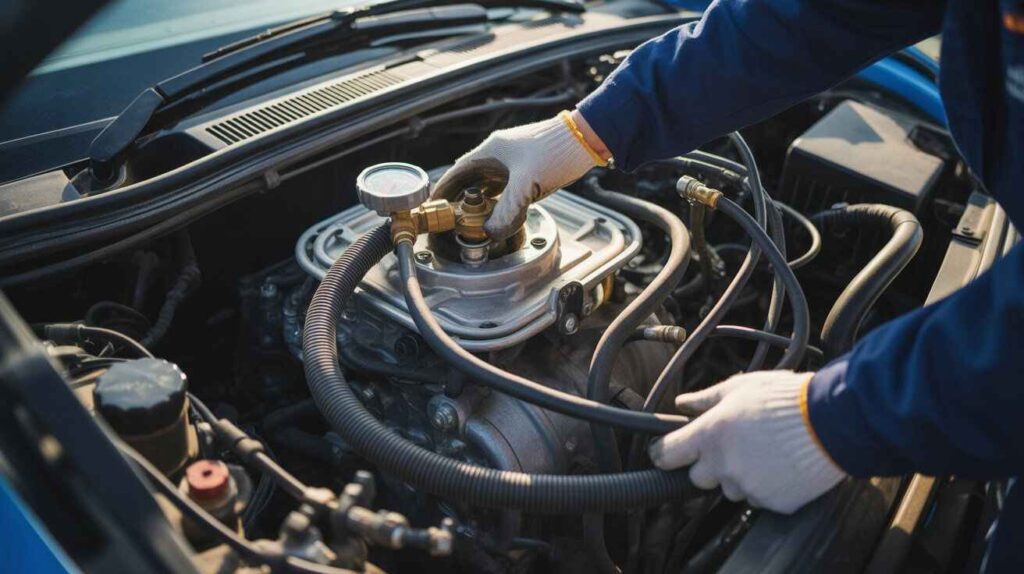
Your car’s AC relies on refrigerant to absorb heat and produce cool air. When levels drop due to a small leak, the system loses pressure and stops cooling effectively.
Signs of low refrigerant include weak airflow, a hissing sound under the hood, or cool air that gradually warms. The system with low refrigerant can damage the compressor.
2. Faulty Compressor
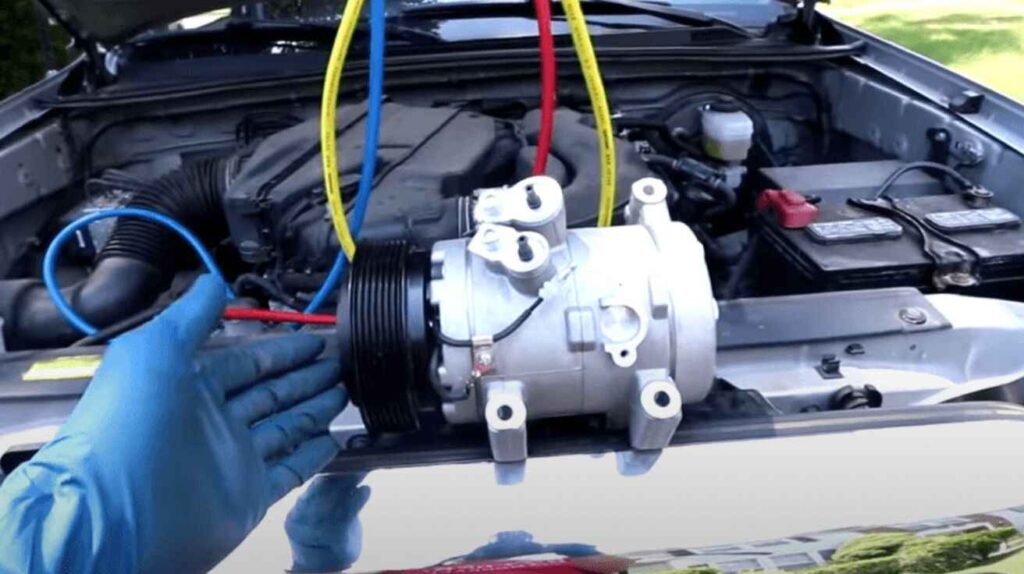
The compressor is the core component of your car’s AC system, helping to pressurize and circulating refrigerant.
Symptoms of a failing compressor: clicking or grinding noises, warm air blowing, or a clutch that won’t engage. Since it’s an expensive and critical part, replacement should be done by a trained technician after confirming the fault.
3. Clogged Condenser
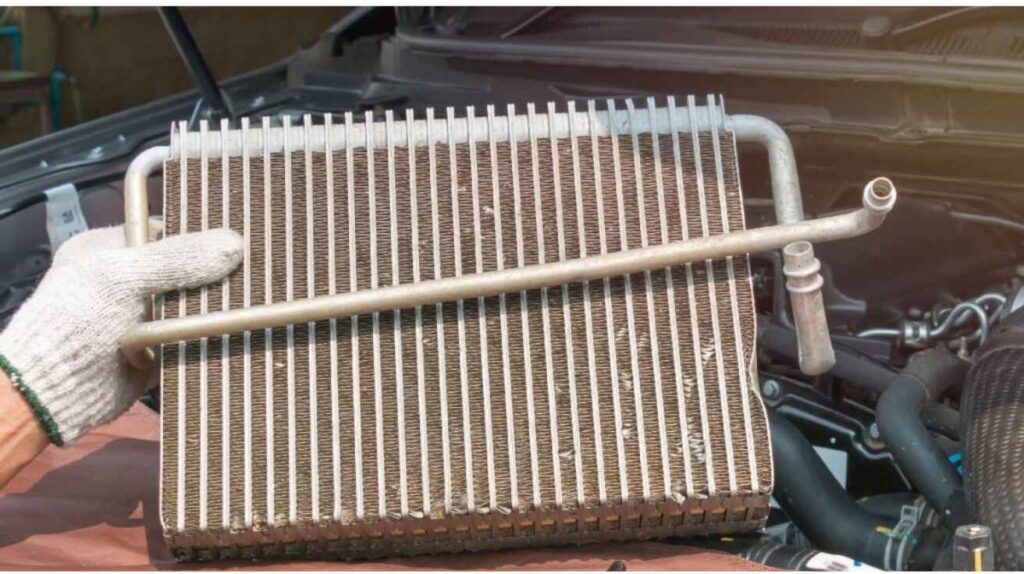
The condenser is to release heat from the refrigerant. When it’s blocked by debris, bugs, or road grime, the heat can’t escape, causing warm air from the AC.Check through the front grille — if the fins are dirty or bent, it’s likely the source of the issue. A thorough car air conditioning service can restore cooling efficiency and prevent system overheating.
Common Reasons for Heating Issues
1. Low Coolant Levels
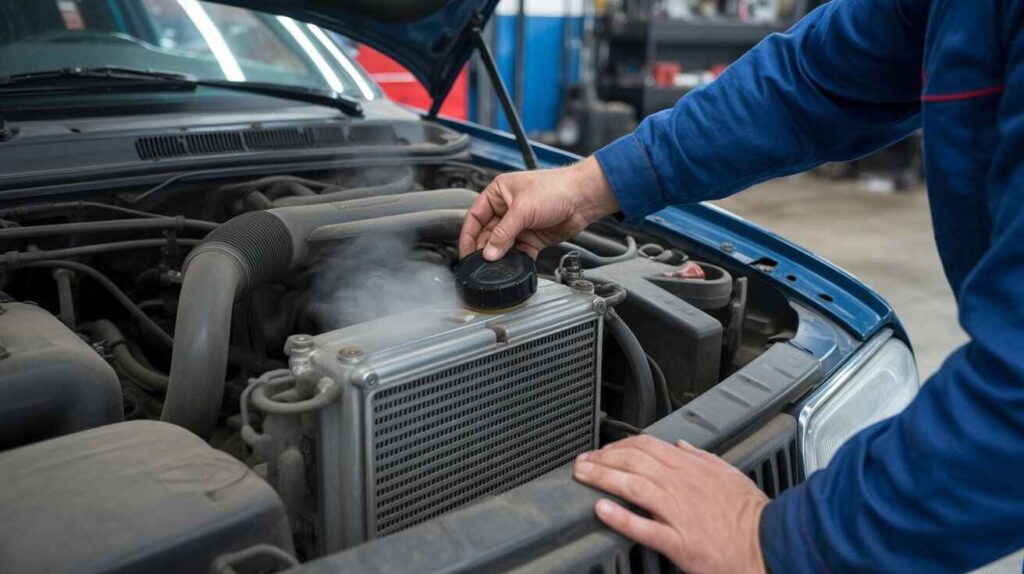
If your car heater stops blowing warm air, the coolant level is the first thing to check. Coolant circulates through the heater core, transferring engine heat to the cabin.
Low coolant levels — often due to small leaks or old radiator hoses — mean not enough hot fluid to warm the air.
You may notice the temperature gauge rising, indicating a leak or trapped air in the system. Always top up coolant after the engine cools and have a mechanic check for leaks.
2. Malfunctioning Heater Core
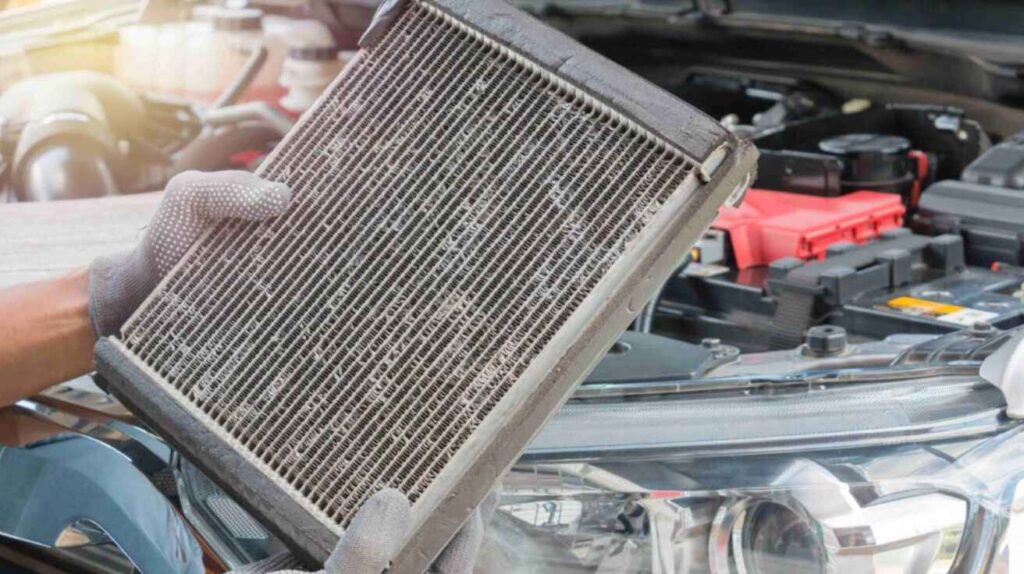
The heater core functions like a mini radiator, located behind the dashboard. When it clogs or leaks, you may smell a sweet antifreeze odor, see foggy windows, or find damp carpets.Since replacing the heater core requires removing the dashboard, this repair is best handled by a professional specializing in car heater repair.
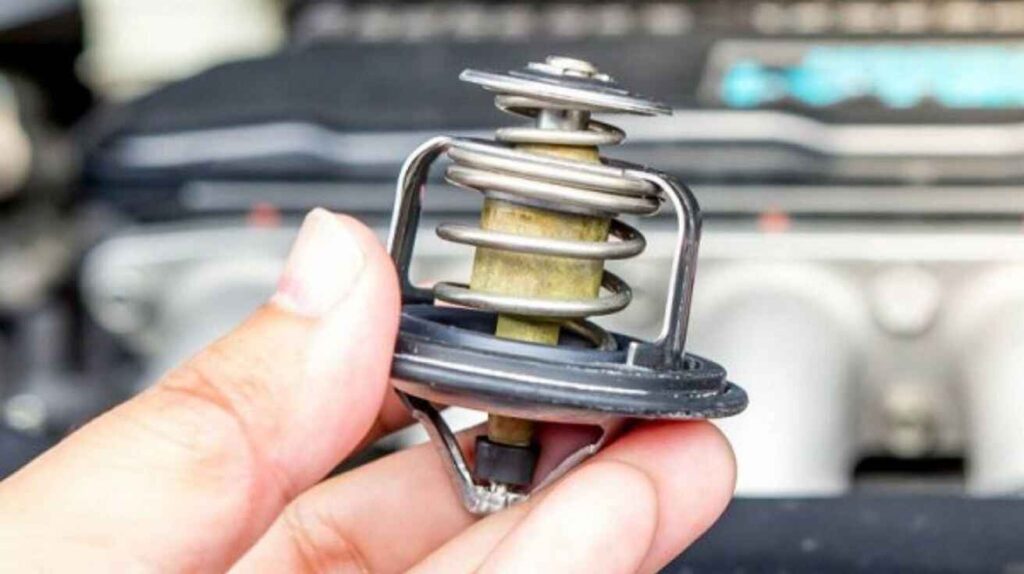
3. Broken Thermostat
A stuck-open thermostat allows the engine to run too cool, preventing warm air from circulating in the cabin, while a stuck-closed thermostat causes the engine to overheat. Signs include a fluctuating temperature gauge or a heater that only works while driving. Thermostat replacement is an affordable fix that is typically completed within an hour.
Electrical, Blower, and Airflow Problems
1. Worn Blower Motor – Stops air from moving through vents; replace if no airflow.
2. Failed Resistor or Fuse – Can limit or stop fan speeds; replace to restore airflow.
3. Clogged Cabin Air Filter – Restricts airflow and reduces performance. Replace yearly.
4. Faulty Blend Door Actuator – Fan runs, but air stays the same temperature; needs replacement.
5. Electrical Issues – Wiring or sensor faults need diagnostics. Visit an auto AC repair shop.
DIY Fixes and When to See a Mechanic
If your system runs but doesn’t heat or cool, check the fuses, cabin air filter, and coolant level — these are simple DIY fixes.
Avoid adding refrigerant yourself — using the wrong type or pressure can cause serious damage.
For issues with compressors, heater cores, or electrical faults, seek professional car AC and heater repair services. A quick inspection by a mechanic can save you hundreds in future repairs.
Diagnostic Steps for Car AC & Heater Issues
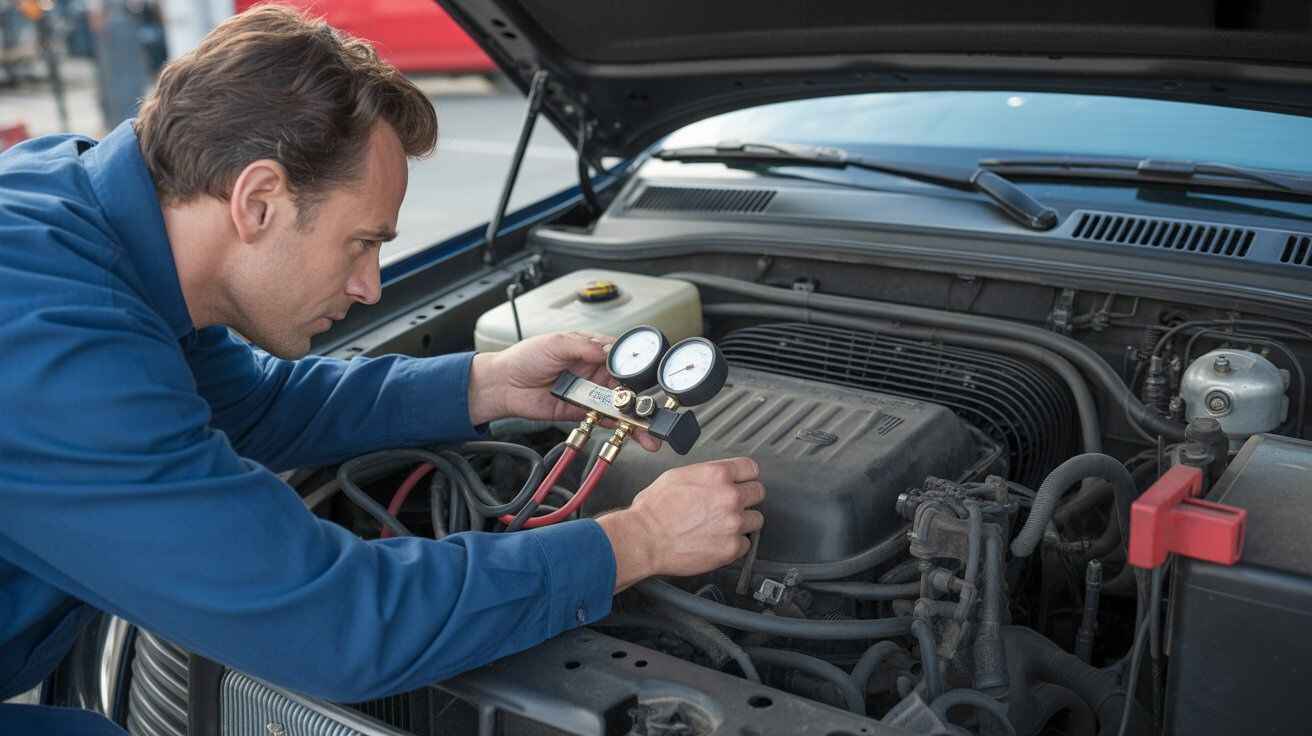
Before visiting a mechanic, do a quick inspection. Check hoses, belts, and coolant levels for cracks, leaks, or low fluid. Oily residue on lines often means a refrigerant leak. Inspect HVAC or blower fuses — a blown fuse can stop the system entirely.
Inside the car, test fan speed, hot/cold settings, and airflow modes (defrost, floor, vent). No response could mean a faulty blower motor, blend door actuator, or control panel.
Use tools such as a digital thermometer for vent temperature readings or a multimeter for voltage checks. HVAC scanners help detect deeper issues (compressor clutch, sensors, actuators). If these steps don’t resolve the issue, visit a professional AC repair shop for a comprehensive system scan.

Preventive Maintenance Tips
- Replace the cabin air filter yearly.
- Run AC periodically to keep seals lubricated.
- Flush coolant every 2 years.
FAQs
Q1: Why does my AC blow warm air sometimes?
Usually, it’s a low refrigerant or a dirty condenser. A recharge and cleaning often resolve the issue.
Q2: Why does my heater smell sweet?
That’s likely a coolant leak in the heater core — get it checked immediately.
Q3: Can I drive if my AC or heater isn’t working?
Yes, but poor defrosting or cooling can affect visibility and comfort.