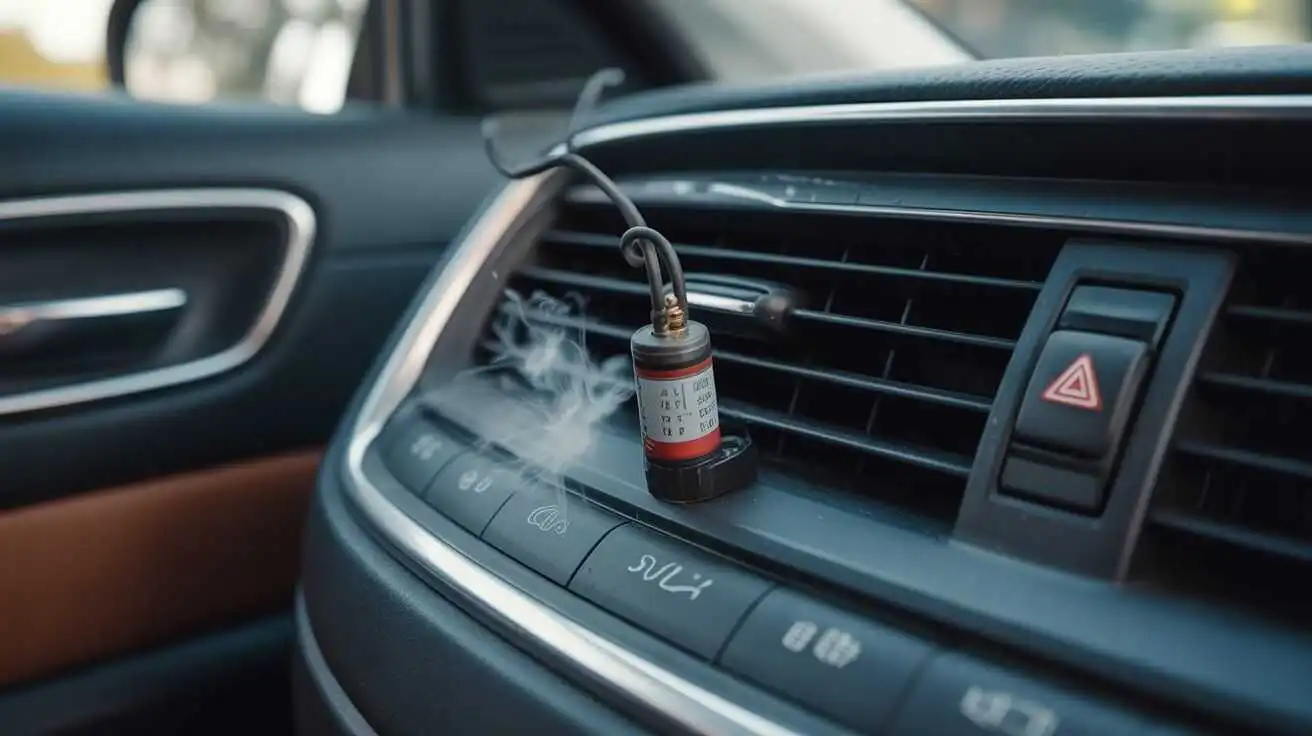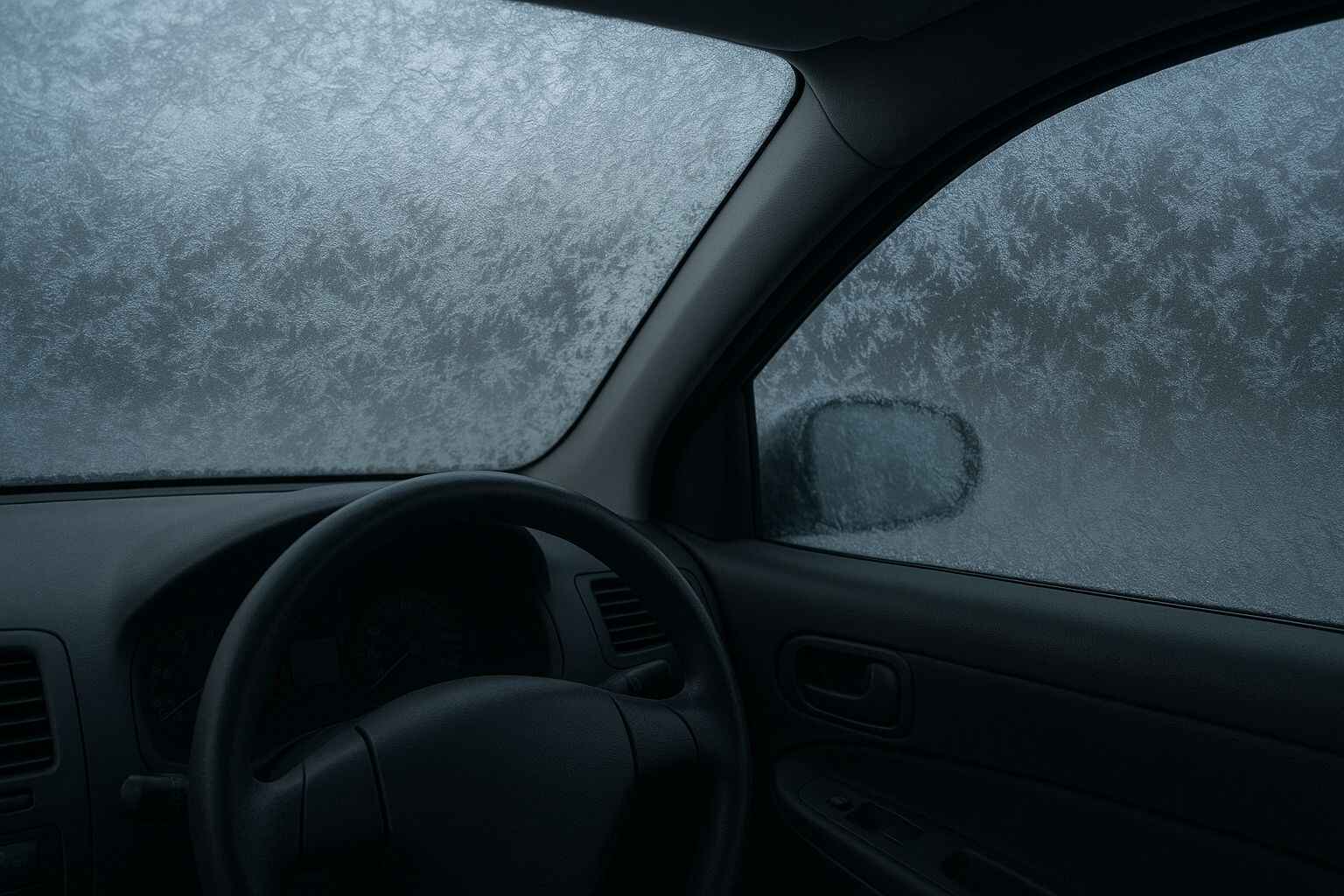
Condensation inside your car occurs when warm, humid air comes into contact with cold glass surfaces, causing the moisture in the air to condense into water droplets. Common in cold or damp weather, worsened by breath, wet clothes, or leaks.
What Is Condensation?
If you’ve ever asked, Why is there condensation inside my car every morning, the short answer is trapped moisture combined with cold glass surfaces.
Condensation occurs when warm, moist air cools to its dew point, causing vapor to turn into liquid droplets on colder surfaces. Examples include foggy mirrors, sweaty drink cans, and frost on windows.
Why Does Condensation Form in Cars?
Cars are enclosed spaces where passengers breath adds humidity. When the glass is colder than cabin air, moisture condenses, causing foggy windshields—often noticeable in the morning even without spills or open windows.
Common Causes of Condensation in Cars
1.Temperature Differences Inside and Outside Your Car
Temperature changes are one of the biggest reasons. On cold mornings, the warm air from your breath or heater collides with cold glass.
The result: foggy car windows inside that take time to clear. Passengers increase humidity since breathing naturally adds moisture.

2.Humidity Levels and Seasonal Weather Changes
Weather plays a big role. Damp autumn days, wet winters, and humid summers all raise moisture levels inside the car. Rain or snow on clothes and shoes carries water into the cabin, boosting humidity.
That’s why car windows fog up more during seasonal shifts, especially overnight when temperatures drop.
3.Water Intrusion from Leaks and Wet Items
Wet or Damp Items
Leaving wet jackets, umbrellas, or soaked floor mats inside your car adds a surprising amount of moisture to the air. As these items dry, the trapped water evaporates, increasing cabin humidity and causing foggy car windows.
Leaky Seals, Sunroof Drains, or Blocked A/C Drains
Worn door seals, clogged sunroof channels, or a blocked A/C drain tube can let water collect inside the cabin.
Common warning signs include a musty smell, damp carpets, or windows that consistently fog up. Regularly checking and clearing drains is the best prevention.
Heater-Core or Coolant Leaks
A leaking heater core allows coolant to enter the cabin air. This not only increases moisture but also leaves a sweet antifreeze odor. If you notice fog that never clears, damp carpets near the dash, or a sweet smell, the heater core may be the culprit.
Quick Fixes
| Fixes | How It Help |
|---|---|
| Use A/C with Fresh Air / Demist Mode | Runs air over the evaporator to remove moisture; clears fog faster than recirculated air. |
| Remove Wet Items & Dry the Interior | Stops damp mats, jackets, or umbrellas from releasing moisture into the cabin; vacuum or air-dry carpets. |
| Use Moisture Absorbers | Silica packs, cat litter socks, or portable dehumidifiers trap excess humidity inside the car. |
| Clean the Inside of Windows | Dirt and residue make condensation worse; use anti-fog spray or isopropyl mix to keep glass clear. |

Risks Associated with Excessive Condensation
Impact on Driver Visibility and Safety
The most immediate danger is visibility. A foggy windshield or side window can seriously limit your view, making it unsafe to drive until the glass clears. In traffic or poor weather, that delay can be risky.
Mold, Mildew, and Health Concerns
A damp car interior creates the perfect breeding ground for mold and mildew. Over time, spores can grow in upholstery, carpets, and even ventilation ducts.
Not only does it lead to unpleasant odors, but it can also aggravate asthma, allergies, and other respiratory issues.
Damage to Upholstery, Electronics, and Car Interior
Moisture doesn’t stop at smells. It can damage seat fabrics, stain upholstery, and corrode dashboard electronics.
If left unresolved, condensation can lower resale value and cause electrical problems. A persistently wet interior accelerates wear and makes your vehicle feel older than it is.
How to Diagnose the Source of Condensation
Quick Checks
Start with simple tests. Perform a “sniff test” if you smell a sweet odor; your heater core may be leaking coolant. Press the carpet with a dry cloth or tissue to check for hidden dampness.
Lift mats to look for trapped water, and inspect the trunk or under the dash for puddles.
Drains, Seals & Filters
Check your A/C drain tube and sunroof drains for blockages. Water should drip freely from the car when the A/C is running.
Inspect door and trunk seals for cracks or gaps. Don’t forget the cabin filter — a damp or clogged filter can make humidity worse.
When to See a Mechanic
If you notice repeated leaks, unexplained wet carpets, or symptoms of a failing heater core, it’s time to see a professional. Electrical concerns caused by moisture should also never be ignored.
Long-Term Prevention & Maintenance
Improve Car Ventilation and Airflow
Always use defrost or defog settings when starting the car. Switch from recirculated air to fresh air regularly to reduce the buildup of trapped humidity.
Use of Dehumidifiers and DIY Moisture Absorbers
Invest in car-specific dehumidifier bags. For a DIY option, use silica gel packs or a sock filled with cat litter. Rotate or replace them regularly.
Regular Maintenance to Prevent Leaks and Humidity
Inspect seals, drains, and cabin filters during routine checks. Clear out sunroof drains and ensure your A/C drain tube isn’t blocked. If you fix small leaks early, you’ll avoid major condensation problems and prevent foggy windows inside.
FAQs
Q1: Will condensation damage my car interior?
Yes. Over time, it can cause mold, mildew, rust, electrical faults, and damage to upholstery.
Q2: How can I stop condensation in my car permanently?
Address leaks, clear A/C drains, dry carpets, and use dehumidifiers. Prevention and maintenance are key.
Q3: Can I just use household hacks like cat litter to fix condensation?
Yes, but only temporarily. Household fixes absorb moisture, but they won’t solve leaks or heater core problems.