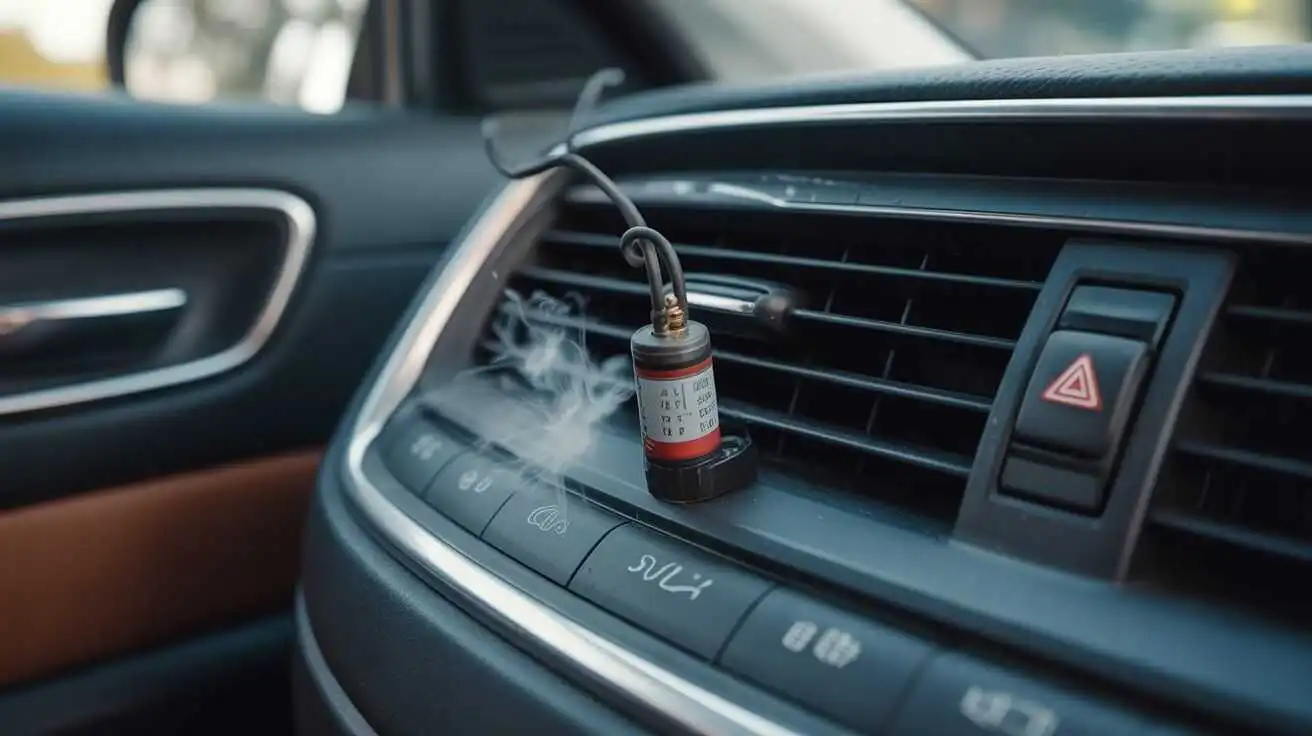
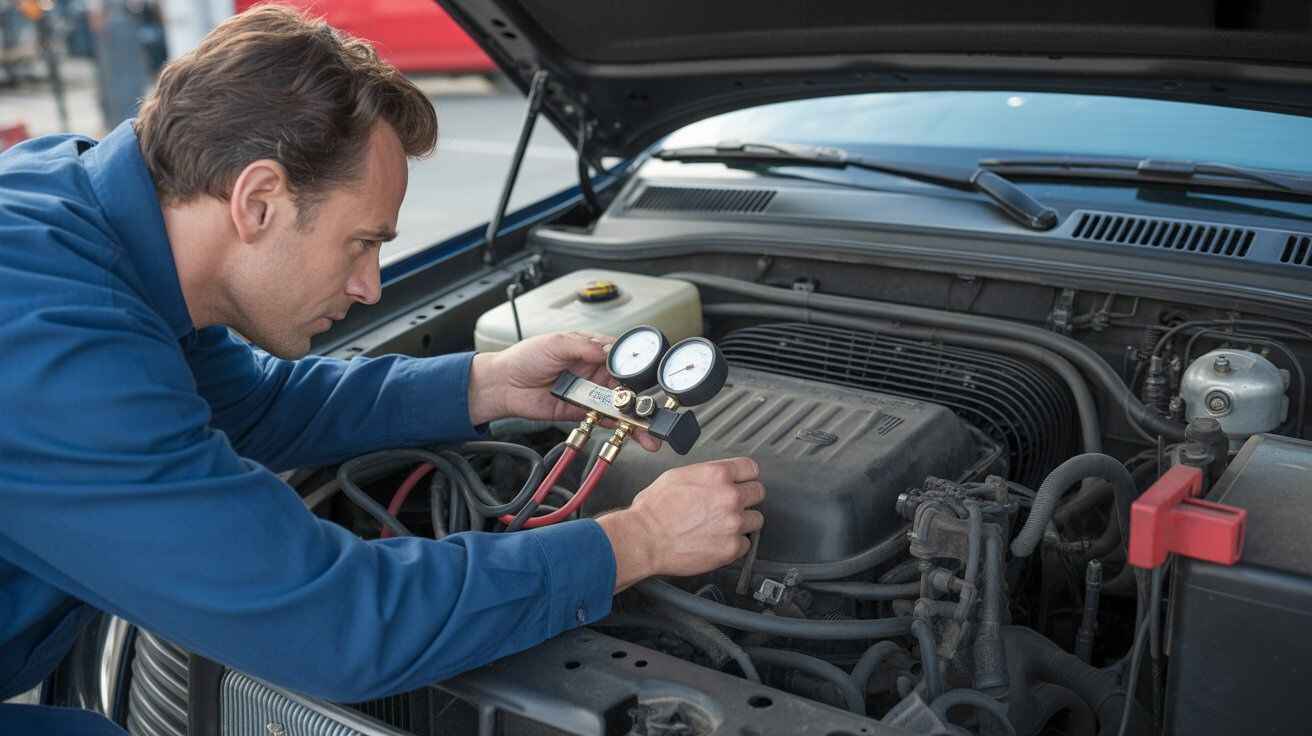
The car fan is loud due to issues such as debris in the blades, worn bearings, a failing motor, fan clutch problems, cooling system faults, or AC load.
Understanding Car Fans
The Purpose of Car Fans
Car fans regulate both engine and cabin temperatures. The radiator fan cools the coolant, the AC condenser fan removes heat from the AC system, and the blower motor pushes heated or cooled air into the cabin. Without them, the engine would overheat and the climate control system would fail.

Types of Car Fans
- Radiator Fan – Cools the engine coolant by pulling air through the radiator, especially when idling or in traffic.
- AC Condenser Fan – Removes heat from the air conditioning system to maintain strong AC performance.
- Blower Motor Fan – Circulates hot or cold air into the cabin for climate control.
- Electric Fans – Found in most modern cars, powered by motors and controlled by the ECU for variable speeds.
- Mechanical Fans (Fan Clutch) – Common in older or larger vehicles, connected to the engine and engage when temperatures rise.
- Centrifugal Blower Fan – Located inside the cabin, it provides ventilation and airflow for passengers.
Diagnosing the Issue
Listening and Observing
To determine why your car’s fan is loud, listen carefully. Noise from behind the dashboard that changes with blower speed points to the cabin blower motor, while sound under the hood, which is louder when idling or with the AC on, usually indicates the radiator or condenser fan.
Common noises:-
- Whining or squealing → worn bearings in the blower motor.
- Roaring or whooshing → radiator fan running at full RPM, often due to overheating or AC demand.
- Grinding or rattling → debris in fan blades or a failing motor.
Tools for Diagnosis
Start by checking the fan shroud for debris or bent blades using a flashlight. An OBD-II scanner can help identify issues with the thermostat, ECU, or fan relay. A multimeter can be used to test the voltage drop across the cooling fan motor to determine if it’s drawing excessive power.

9 Common Causes Your Car Fan Is Loud
1. Faulty Blower Motor
A faulty blower motor often has worn bearings, causing whining, squealing, or grinding noises that vary with fan speed. Since it pushes air through the vents, a failing motor can also reduce airflow and put strain on the HVAC system.
2. Debris in Fan Blades
Debris in fan blades, such as leaves, twigs, or dirt, can cause scraping or rattling noises and unbalance the fan, resulting in increased noise. Simply cleaning the shroud and ducts usually restores quiet operation.

3. Worn Bearings or Failing Fan Motor
Worn bearings or a failing fan motor often cause grinding or high-pitched noises that worsen with speed, especially in older cars. Once the motor begins to fail, replacement is usually the only lasting fix.
4. Fan Clutch Problems
Fan clutch problems occur in vehicles with mechanical fans. If the clutch sticks, the fan runs at full speed, causing a constant roaring noise, which lowers fuel efficiency and adds strain to the engine.
5. Cooling System Issues
Cooling system issues, such as low coolant, a clogged radiator, or a stuck thermostat, cause the fan to work harder. With poor airflow or circulation, the fan often runs at maximum speed, producing loud noise at idle or after extended periods of driving.
6. AC Condenser Problems
AC condenser problems occur when the system is under heavy load. A failing compressor or a blocked condenser coil causes the fan to run louder and longer, often noticeable when the AC is in use during hot days.
7. Faulty Fan Relay or Control Module
A faulty fan relay or control module can cause the fan to run continuously, even when the engine is cool or the car is off. This creates excessive noise and may drain the battery.
8. Loose Shroud or Bent Fan Blades
A loose shroud or bent fan blades can cause rattling, vibration, and uneven airflow, leading to loud noise and reduced cooling efficiency. Inspecting and fixing damaged parts usually solves the issue.
9. Serpentine Belt or Accessory Load
Sometimes the noise comes from nearby components rather than the fan. A worn serpentine belt or a faulty AC compressor can make the system seem louder, and replacing the belt or servicing the compressor usually resolves the issue.
Repair Costs and Options
| Repair / Replacement | Typical Cost Range (USD) | Notes |
|---|---|---|
| Blower motor (cabin fan) | $200 – $400 | Whine or squeal |
| Radiator cooling fan motor | $300 – $600 | Engine cooling |
| Fan clutch (mechanical fans) | $250 – $500 | Constant roaring |
| Thermostat | $150 – $300 | Overheating risk |
| Fan relay/control module | $100 – $250 | Always running |
| Serpentine belt (accessory) | $100 – $200 | Belt slipping |
| AC condenser/ compressor | $400 – $1,000+ | AC strain noise |
Solutions and Recommendations
For minor issues, you can clear debris, tighten loose mounts, replace a clogged cabin air filter, or lubricate a squealing blower motor—although replacement is usually the best option.
Seek professional help if the car overheats, the radiator fan won’t shut off, or if electrical faults point to problems with the relay, ECU, fan clutch, thermostat, or compressor.
Preventive Measures
- Flush and replace coolant on schedule to maintain the cooling system’s efficiency.
- Inspect the serpentine belt for cracks or wear that can cause an extra load on the fan.
- Clear debris from around the radiator and fan shroud to avoid scraping or imbalance.
- Replace the cabin air filter regularly so the blower motor doesn’t strain.
- Listen for changes in sound — gradual whining may indicate worn bearings, while sudden rattling often suggests trapped debris.
- Establish a seasonal maintenance routine (spring and fall) to inspect fans, coolant levels, and AC function before the peak weather season.
FAQs
1.Why is my car fan so loud at idle?
At idle, airflow through the radiator is minimal, so the cooling fan spins faster, resulting in more noticeable noise.
2.Is it safe to drive with a loud fan?
Short trips may be fine, but persistent loudness especially grinding or roaring can lead to overheating.
3.Will fan noise go away on its own?
No. Worn bearings or faulty relays tend to worsen over time.