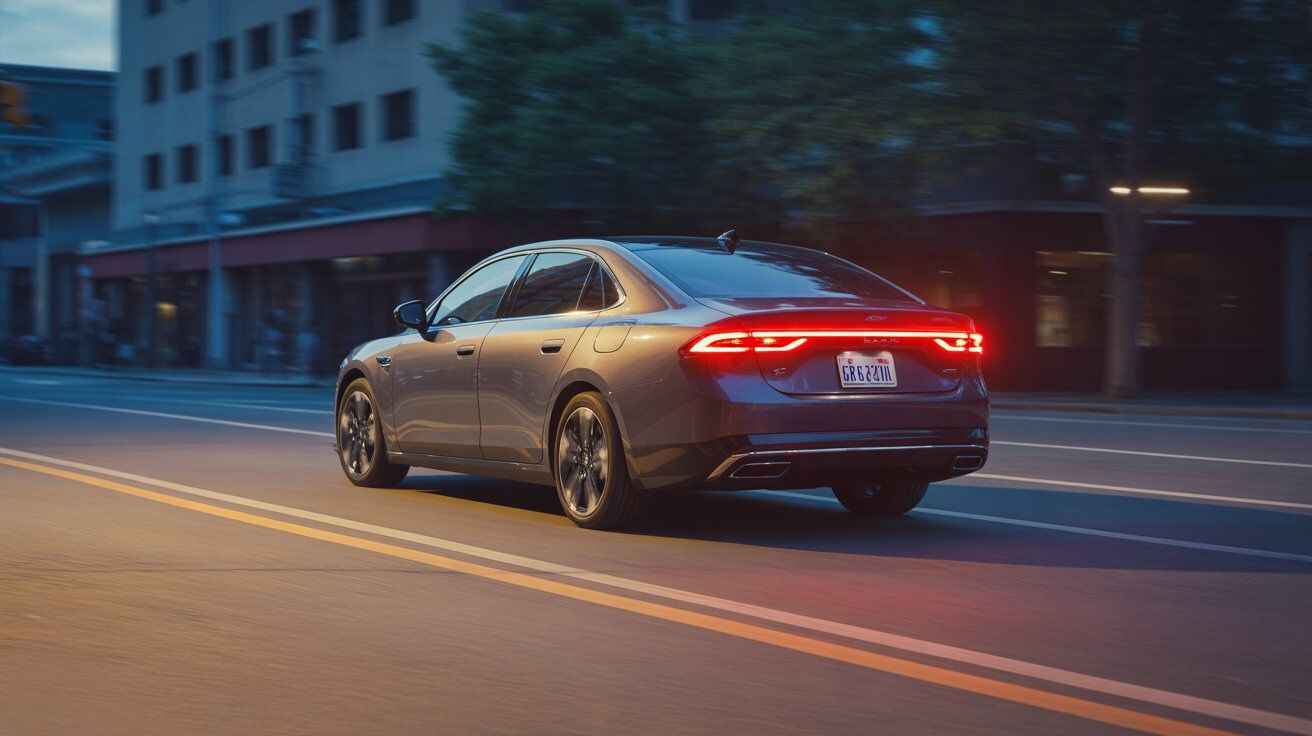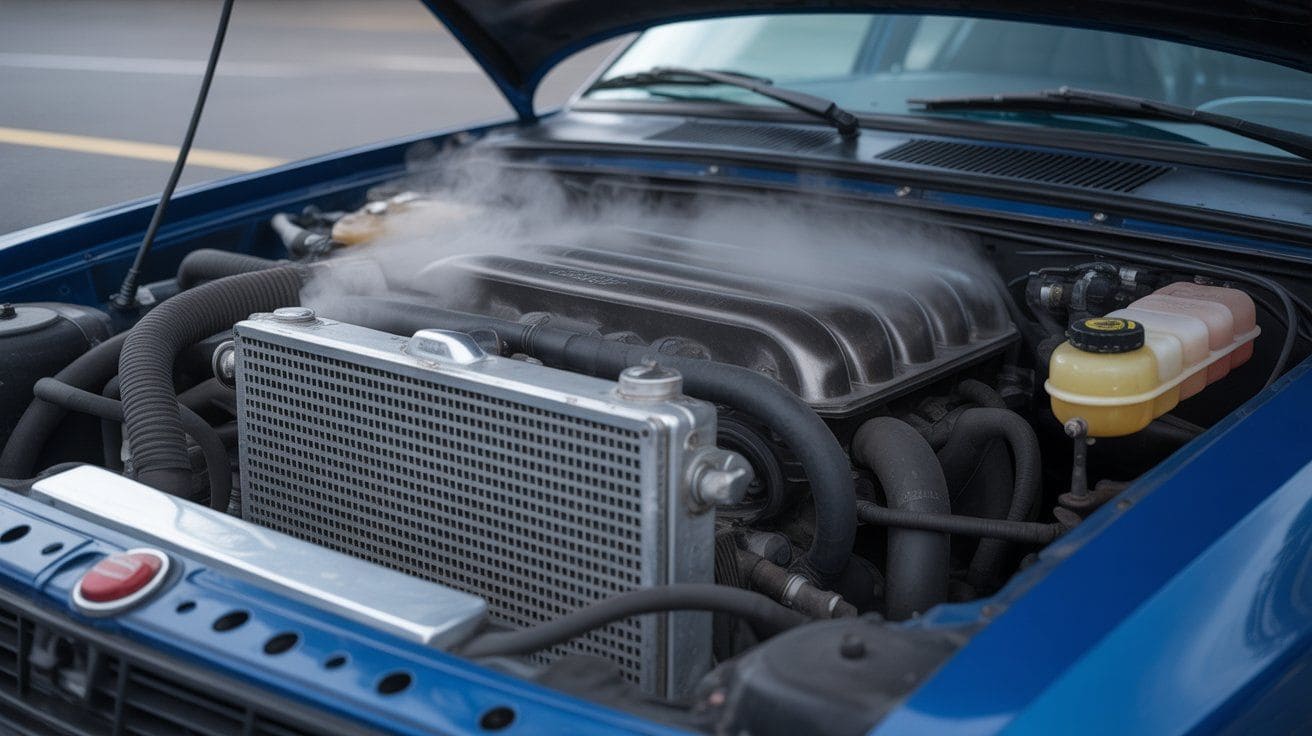
Car may chirp due to a loose or worn serpentine belt, misaligned pulleys, failing bearings, or loose engine parts causing vibration noises.
Why Is My Car Chirping?
If you’ve ever notice “why is my car chirping?”, Car is making a chirping sound, it’s often a warning sign of a mechanical issue rather than just an annoyance. Common causes include a worn serpentine belt, failing pulley bearings, or brake pads with wear indicators Identifying whether the chirp is coming from the engine, brakes, or wheels helps you fix the problem early and keep your car running smoothly.
Diagnosing the Chirping Sound
When does the chirp occur?
- Cold start: If the chirp happens only when the engine is cold, a worn serpentine belt is often the culprit. Belts stiffen in low temperatures, creating belt slip until the rubber warms up.
- At idle: A chirping noise at idle usually indicates pulley bearing noise or belt misalignment.
- During acceleration: If the sound increases with RPMs, it may be a slipping belt or a faulty idler pulley.
- When braking: A clear brake pad chirp often means the pad wear indicators are doing their job—warning you that replacement is needed.
Where is the noise coming from?
- Under the hood: Engine-related chirping often comes from belts, pulleys, or accessories like the alternator or water pump.
- Near the wheels: Chirps here could mean wheel bearing wear, feathered tires, or brake issues.
- Inside the cabin: Sometimes chirping is from trim panels, HVAC vents, or a vibrating heat shield.
Causes of Car Chirping
1.Worn Out Belts
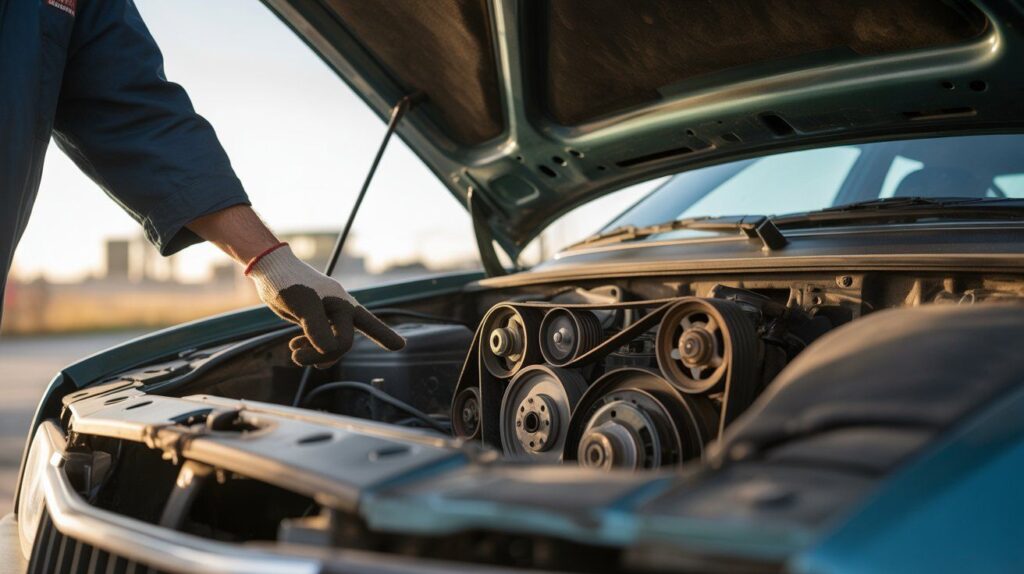
A worn or glazed serpentine belt is a common cause of chirping. As the rubber hardens or cracks, it slips on pulleys, creating squeals or chirps—especially during cold starts or acceleration. While sprays may help briefly, the real fix is replacing the belt every 60,000–100,000 miles to avoid breakdowns of the alternator, water pump, or power steering.
2.Loose Parts
Sometimes chirping comes from loose parts such as heat shields, brackets, or engine covers. A loose heat shield often rattles at certain RPMs, while loose bolts on engine or intake parts can also cause noise. The fix is usually simple—inspect and tighten parts carefully, avoiding overtightening to prevent damage.
3.Brake Issues
If chirping happens only during braking, it usually means worn brake pads. Most pads have a wear indicator tab that makes noise when the material thins, warning you to replace them before damaging the rotors. Other causes include uneven pad wear, warped rotors, or debris between the pad and rotor. Regular brake checks every 12,000 miles and timely pad replacement help prevent costly rotor repairs.
4.Pulley Problems
Failing idler or tensioner pulley bearings can cause a rhythmic chirp that matches engine RPM. Unlike belt slip, the noise often persists in any temperature. If ignored, a bad pulley may seize and shred the belt, disabling vital systems like the alternator, water pump, or power steering. Checking pulleys by hand and replacing worn ones is a simple, low-cost fix.
5.Other Rotating Components
Alternator, A/C compressor, and water pump bearings can produce high-pitched chirps. Symptoms include noise tied to accessory use—like turning on the A/C—or charging problems when the alternator is stressed.
6.Wheel & Axle Causes
Wheel bearing chirps grow louder with speed or when cornering. Feathered tires and failing u-joints can also cause rhythmic noises that mimic belt slip but originate from driveline components.
7.Timing Belt/Chain, Vacuum Leaks, Injectors
Less common but possible sources include timing belt or chain wear, vacuum leaks, and fuel injector ticking. Injector sounds are sharper and faster than typical chirping, helping distinguish the noise.
8.Cabin-Related Source
Interior chirps can come from HVAC vents, trim panels rubbing, or loose dashboard pieces. These sounds are often speed-independent and may worsen on rough roads or when using climate controls.
Common Solutions for Car Chirping
1.Replacing Worn Belts
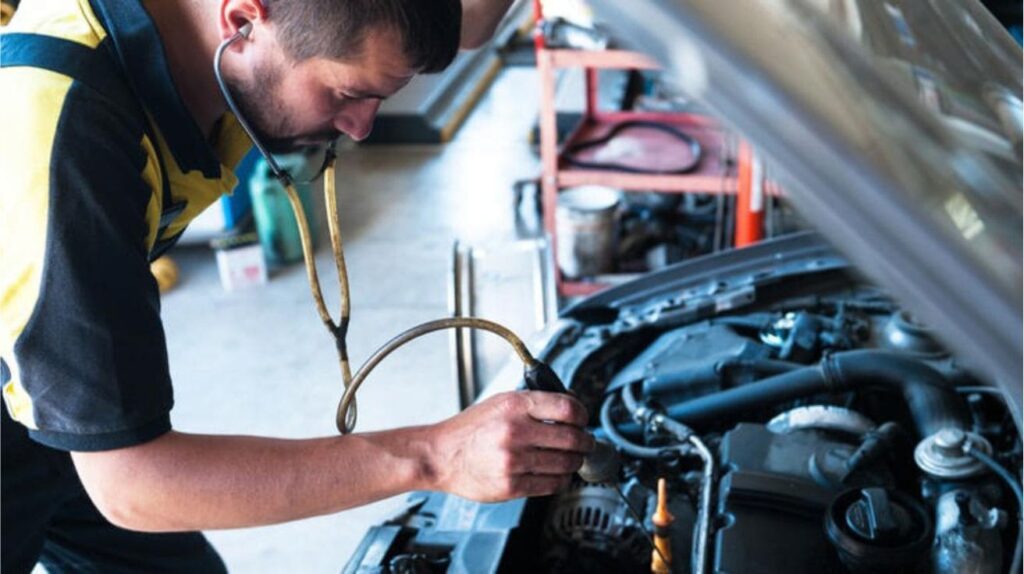
Replacing worn belts is key to stopping chirping. Check the serpentine belt for cracks, glazing, or fraying, and replace it if damaged. A new belt restores proper grip and prevents slipping, while belt dressing only hides the problem temporarily.
2.Tightening Loose Components
Check engine bay brackets, shields, and bolts for play. Tighten them carefully, ensuring not to overtighten. A quick inspection often solves heat shield vibration or loose accessory bracket chirping.
3.Brake Maintenance
If you hear a brake pad chirp, inspect your pads. Replace them before wear indicators grind into the rotor. Clean brake dust and debris that may contribute to noise.
4.Addressing Pulley Problems
If pulley bearings chirp, replacement is the only lasting solution. Mechanics can quickly replace an idler or tensioner pulley. Proper belt alignment and tension prevent future chirping.
DIY Troubleshooting Step-by-Step
| Step | What to Do | Main Point |
|---|---|---|
| 1. Visual Inspection | Check belt, pulleys, brackets. | Look for wear or looseness. |
| 2. Start Cold | Listen at cold start. | Noise that fades = worn belt. |
| 3. Idle Test | Listen while idling. | Likely pulley or alignment. |
| 4. Acceleration Test | Rev or drive slowly. | Noise rising with RPM = belt/pulley. |
| 5. Brake Test | Lightly press brakes. | Chirp = worn pads/indicators. |
| 6. Road Test | Drive with windows down. | Chirp tied to speed = wheel/tire/u-joint. |
Preventing Chirping Noises
1.Regular Vehicle Inspections
Check belts, pulleys, and brakes at oil changes. Early detection keeps small problems from growing.
2.Timely Replacement of Worn Parts
Replace serpentine belts, pads, and pulleys on schedule. Don’t wait for chirping to start.
3.Keeping the Engine Clean
A clean engine bay reduces debris that causes belt slip or vibrations. Regularly remove dust and leaves from under the hood.
FAQs
1.Could loose parts cause chirping?
Yes. Heat shield vibration and loose accessory brackets can mimic belt noise.
2.Why does my car chirp when braking?
That’s likely a brake pad chirp from wear indicators contacting the rotor.
3.Can belt dressing fix the noise?
Only temporarily. True fixes involve replacing the belt or pulley.