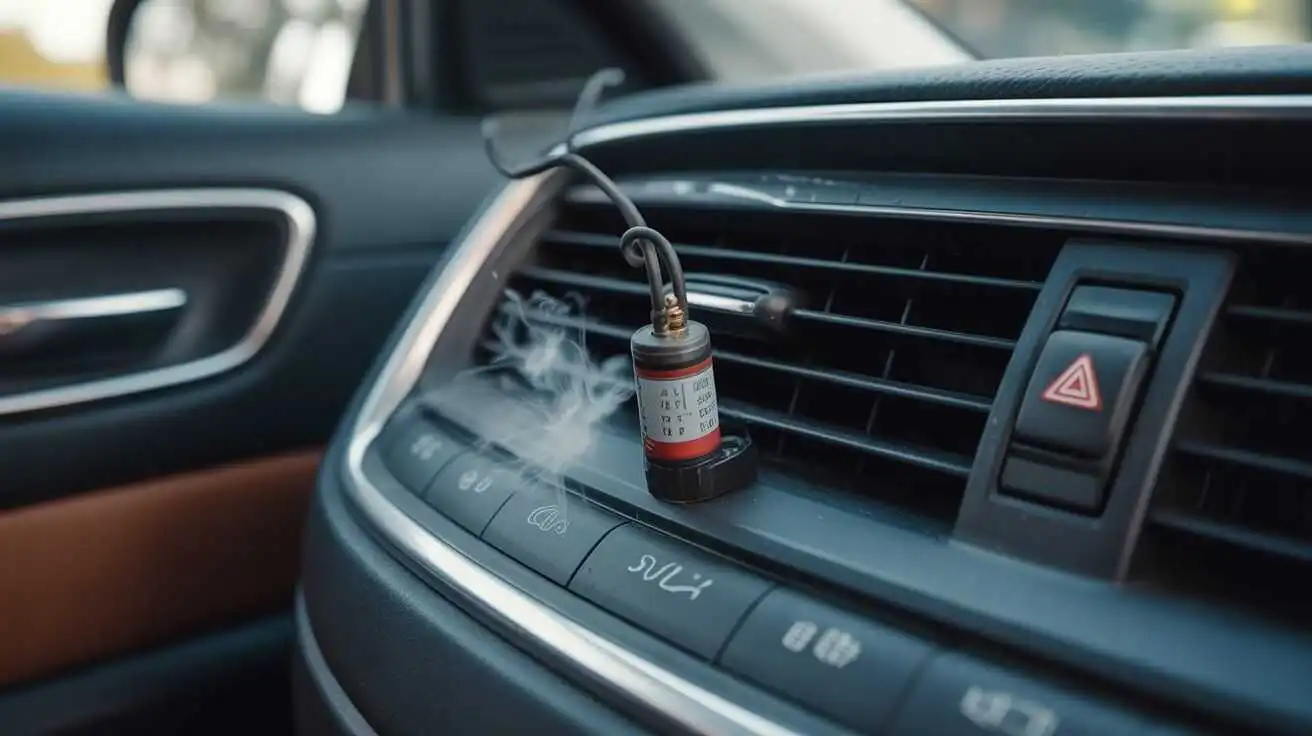
The car’s air may not be blowing because of a faulty blower motor, blown fuse, clogged cabin air filter, or bad resistor. These issues stop air from flowing through the vents.
Quick Checklist for Car Air Not Blowing
Before assuming the worst, try a few quick checks:
| Check Type | What to Do |
|---|---|
| Test all fan speeds | Try every fan level from low to high. |
| Inspect the fuse box | Look for blown fuses related to HVAC. |
| Check your cabin air filter | Remove and inspect the filter for dirt or debris. |
| Switch between fresh and recirculate mode | Toggle both modes and observe airflow. |
| Listen for fan noise | Listen behind the glove box when the fan is on. |
Common Causes of Air Not Blowing in My Car
1. Clogged or Dirty Cabin Air Filter
A clogged cabin air filter is the most overlooked reason your car’s air isn’t blowing from the vents. Over time, dust, leaves, and debris block airflow, especially in humid climates. Replacing it every 15,000–30,000 miles can instantly restore strong airflow.
2. Blown Fuse or Electrical Issue
A blown fuse in the car’s AC blower circuit prevents power from reaching the fan. Locate your fuse box, typically located under the dashboard or hood, and replace any burnt-out fuses with ones of the same amperage rating.
3. Failed Blower Motor
If there’s no air at any speed, your blower motor has likely failed. Signs include silence from the vents, vibration, or a faint burning smell. A replacement typically costs between $100 and $400, depending on your vehicle.
4. Faulty Blower Motor Resistor
If the fan only works on high, the blower resistor may be faulty. It controls fan speeds and can burn out with age or overheating.
5. Blocked Vents or Evaporator Core
Sometimes the vent ducts or evaporator core get clogged with dirt, leaves, or mold. This restricts air passage and creates weak airflow, even when the fan is running.
Step-by-Step Diagnostic Guide
Here’s how to diagnose why your car air conditioning fan isn’t working
| Step | What to Do |
|---|---|
| Confirm the symptom | Identify if there’s no air, weak air, or air only at certain speeds. |
| Check the AC fuse | Inspect the fuse for damage and replace if it’s blown. |
| Inspect the cabin filter | Hold it up to light — if no light passes through, it’s clogged and needs replacement. |
| Listen for blower motor noise | If you hear silence, the motor may have no power or has failed. |
| Test the blower resistor | If air blows only on high, the resistor is likely faulty. |
| Clean vents and ducts | If airflow remains weak, clean the vents and air ducts to improve circulation. |
Use basic tools and always disconnect the battery before working near electrical components.
Fixes for When Your Car Air Isn’t Blowing
If your car’s air isn’t blowing, you can often resolve the issue with a few focused steps before heading to a mechanic.
Replace a Blown Fuse
Locate your AC or blower fuse in the fuse box (check your owner’s manual). If it’s blown, replace it . This quick fix can instantly restore power to the fan.
Clean or Replace the Cabin Air Filter
A clogged cabin air filter restricts airflow. Remove it, tap out dust, or replace it with a new one. This simple maintenance can noticeably improve air volume and freshness.
Check and Replace the Blower Motor Resistor
If the fan only works on one speed (usually high), the blower motor resistor is likely faulty. Replacement parts are affordable and often located near the blower motor under the glove box.
Repair or Replace the Blower Motor
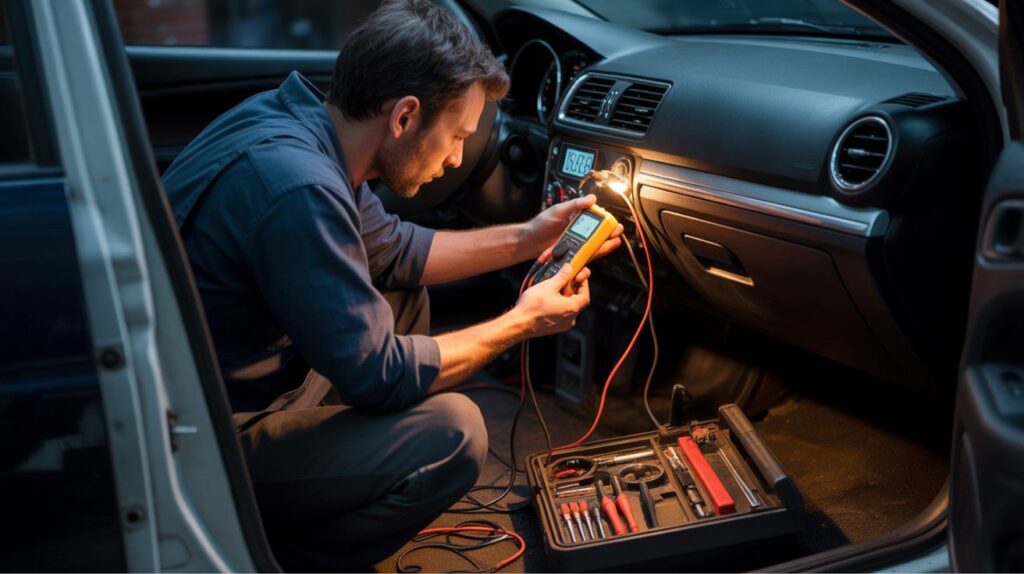
When there’s no air and no fan noise, the blower motor itself might have failed. You can test it with a multimeter to confirm the power supply and continuity; then, replace it if it’s faulty.
Clean Air Vents and Ducts
Dust and debris buildup can reduce airflow. Use compressed air or a soft brush to thoroughly clean vents and ducts. This improves both air strength and quality.
Inspect for Electrical or Wiring Issues
Loose connections or frayed wires can interrupt power flow to the AC system. Carefully inspect the wiring harnesses near the blower motor and fuse box; repair or replace any damaged sections.
These fixes address the most common airflow issues. If none of these steps restores performance, the issue may lie deeper within the HVAC system, requiring professional diagnosis.

Preventive Measures for the Air Conditioning System
Maintaining your car’s air conditioning system requires regular attention. Follow these simple yet effective steps to maintain strong, consistent airflow throughout the year.
- Regular Servicing: Have your AC checked every 6–12 months to prevent leaks or blockages.
- Replace Cabin Air Filter: Change it every 12,000–15,000 miles to maintain clean, strong airflow.
- Seasonal Checks: Test your AC and heater before summer and winter to catch leaks or faults early.
When to Call a Mechanic
If you notice smoke, burning smells, or repeated fuse failures, stop troubleshooting and contact a qualified technician. These signs indicate electrical shorts or HVAC module issues that require professional diagnosis.
FAQs
Q1: Why does my fan only work on high?
A faulty blower motor resistor is likely — it controls lower speeds.
Q2: Can a dirty filter stop airflow completely?
Yes, a heavily clogged cabin filter can block all air from entering.
Q3: Does low refrigerant cause no airflow?
No. It affects cooling, not airflow. The blower motor moves the air.