The car vibrates when idle due to engine or mount issues, like worn mounts, bad spark plugs, or clogged injectors. These cause uneven engine performance and shaking when stopped.
Why Does My Car Vibrate When Idle?
You’re sitting at a red light, and your steering wheel starts to tremble. You wonder, why does my car vibrate when idle? A little vibration is normal — after all, your engine is running — but excessive shaking or rough idle means something isn’t right. Ignoring it could lead to bigger problems down the road, like worn engine mounts, misfiring spark plugs, or transmission damage.
Common Causes of Car Vibrations at Idle
1. Engine Issues
The engine is the most frequent reason why your car vibrates when idle.
- Worn engine mounts lose their ability to absorb movement, transferring vibration directly into the cabin.
- Misfiring spark plugs cause uneven combustion, making the car shake even when stopped.
- Dirty or clogged fuel injections lead to rough idling because the engine isn’t getting the right air-fuel mix.
2. Drivetrain Problems
- Transmission issues — such as low fluid or torque converter trouble — can cause vibration when the car is in gear but stationary.
- Faulty driveshafts or CV joints may also send rhythmic shaking through the chassis.
3. Tire and Wheel Imbalance
Even though tires aren’t turning at idle, uneven wear or wheel misalignment can cause the vehicle to vibrate slightly while stopped.
When any of these systems fall out of sync, you’ll feel it first when idling.
How to Tell Whether the Vibration Is Normal or a Problem
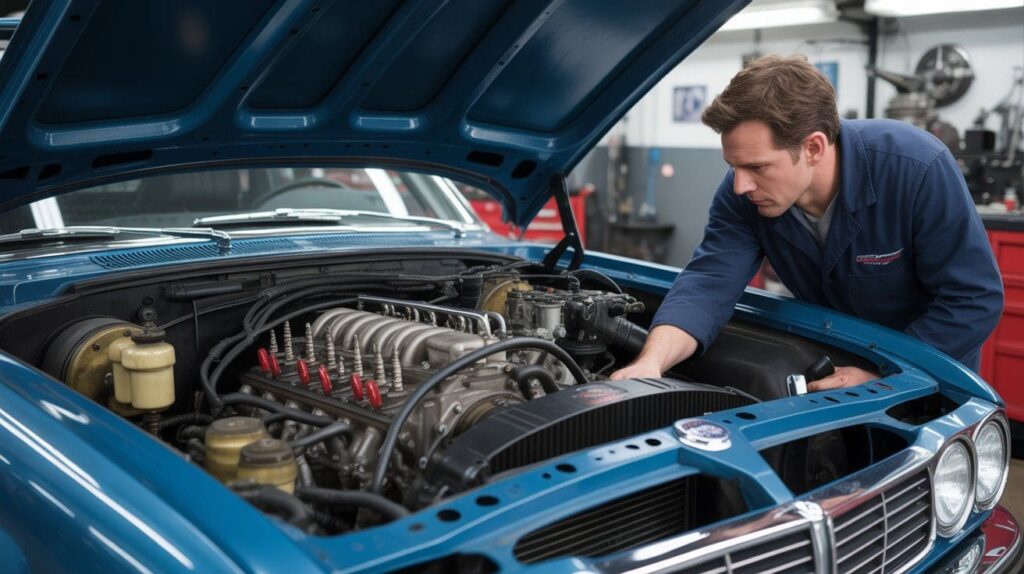
Some vibrations when idle are completely normal, especially for vehicles with higher mileage or diesel engines. However, strong shaking, rattling noises, or the RPM needle jumping are red flags.
If the vibration changes with RPM, disappears when accelerating, or worsens when turning on the AC or headlights, it’s likely a mechanical issue. A check engine light, burning smell, or rough sound are your cues to investigate further.
Knowing these clues helps you tell if your car’s behavior is harmless or needs a mechanic’s attention.
Diagnosing the Problem
Visual Inspection
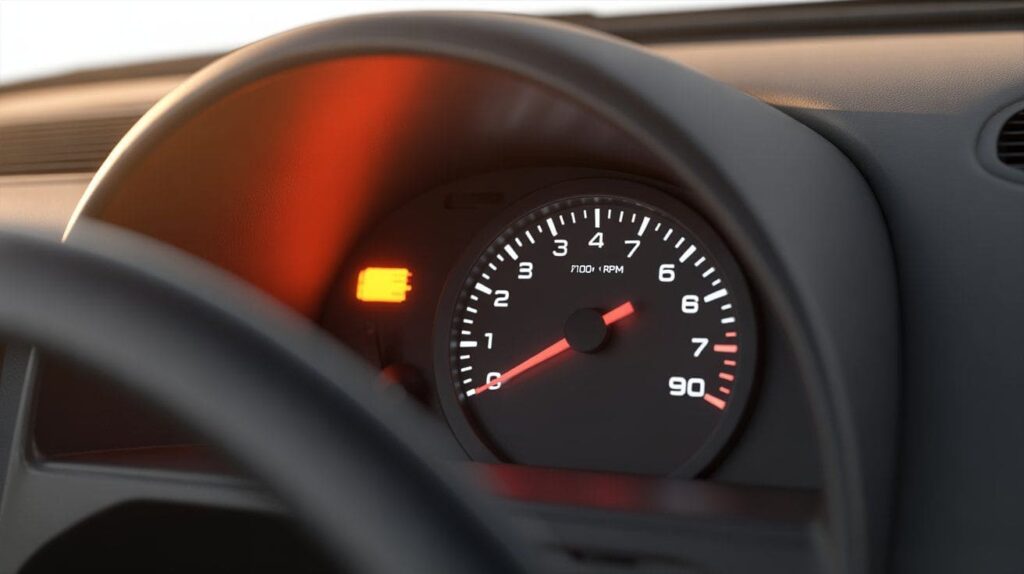
Start by popping the hood. Look for loose hoses, oil leaks, or shaking components when the engine idles. Inspect the motor mounts for cracks or separation.
Listen for Unusual Noises
A clunking or grinding sound often points to failing mounts or internal engine issues.
Use Diagnostic Tools
An OBD-II scanner can reveal misfire codes (P0300–P0304) or sensor issues that explain the vibration.
These checks help confirm whether it’s a quick fix or something that needs professional repair.
Issue And Common Fix
| Issue | Common Fix |
|---|---|
| Spark plugs & ignition coils | Replace plugs and coils (labor included) |
| Fuel system cleaning / injectors | Cleaning and replacement |
| Motor mount replacement | Replace one mount or full set (depends on location and labor) |
| Vacuum hose / throttle body / IAC valve | Clean throttle body, replace idle air control valve |
| Catalytic converter or exhaust repair | Weld or replace exhaust components |
| Transmission or torque converter | Transmission fluid service or rebuild |
Solutions to Reduce Car Vibrations
Engine Maintenance
Regular engine maintenance is the easiest way to stop vibration and a rough idle. Schedule tune-ups, replace spark plugs and air filters, and keep the fuel system clean. These simple steps help your engine burn fuel evenly, preventing shaking.
Addressing Mechanical Issues
If your car shakes when idling, check for worn engine mounts or misaligned tires. Replacing damaged mounts stabilizes the engine, while proper tire balancing ensures smooth operation. Fixing these mechanical issues early prevents further stress on the drivetrain and keeps your car from vibrating at low RPM or when stopped.
Professional Help
Seek a mechanic’s help if the vibration persists after basic maintenance. Professionals can pinpoint deeper issues like transmission imbalance or exhaust problems. Compare quotes before repairs—costs vary by vehicle and region. Investing in expert diagnosis early helps prevent larger expenses later and ensures your car idles smoothly without vibration.

When the Vibration Is a Safety or Long-Term Damage Concern
Vibration during braking could mean warped rotors, while repeated misfires can damage your catalytic converter. If a motor mount is broken, it can strain your entire drivetrain.
Seek help immediately if the vibration grows stronger, the car idles unevenly, or you hear loud knocking. Ignoring these symptoms risks higher repair bills later.
Preventative Measures for Future Vibrations
Prevent idle vibration by maintaining your car regularly:
- Follow a routine maintenance schedule (oil changes, spark plugs, filters).
- Keep tires balanced and aligned.
- Clean the throttle body and replace fuel filters as needed.
- Avoid harsh acceleration that stresses the mounts and transmission.
- Stay updated on vehicle recalls for engine or mount defects.
FAQs
1. Is it safe to drive if my car shakes at idle?
Short-term, maybe. Long-term, no. Constant vibration causes wear and tear.
2. Can bad spark plugs cause vibration when idling?
Absolutely. Misfiring plugs disrupt combustion and cause a rough idle.
3. Why does my car vibrate when idling in gear?
Transmission mounts or torque converter problems may be to blame.