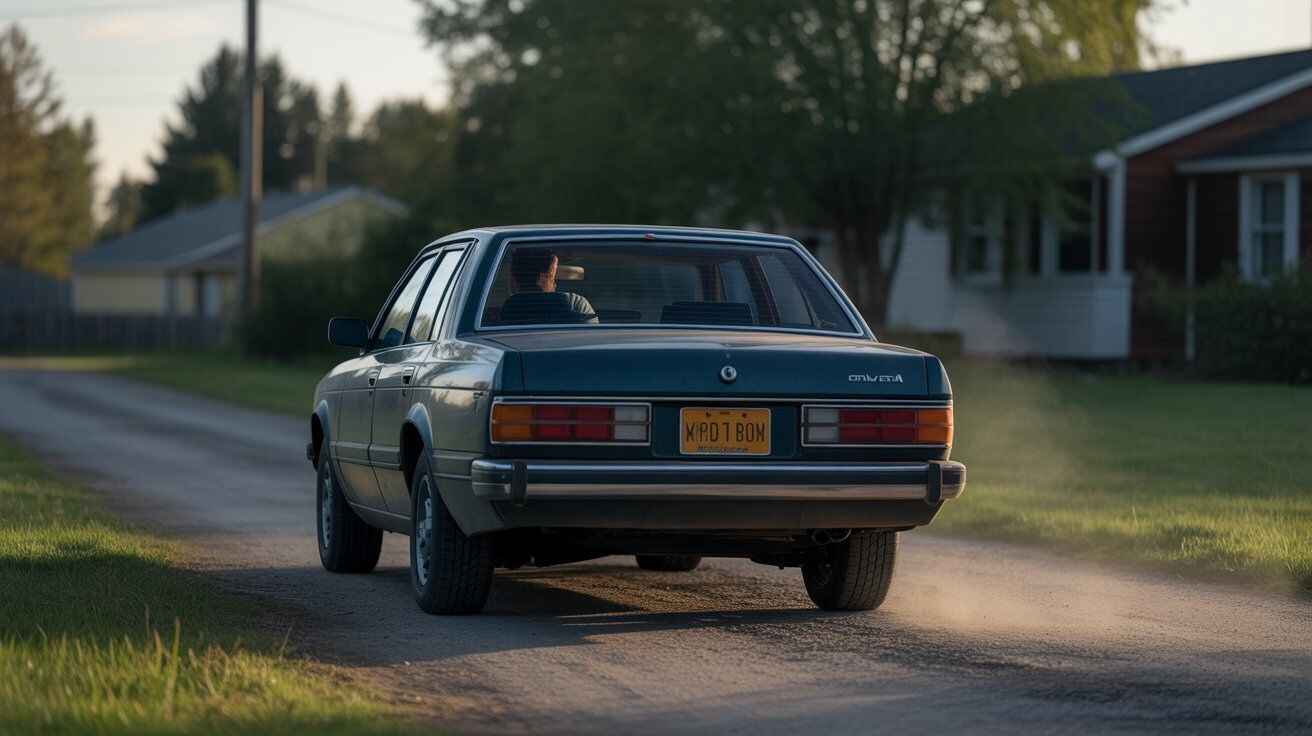
A car squeaks when reversing primarily due to issues with the brake system (such as worn brake pads, rust on rotors, or glazed rotors). It can also be caused by suspension components (like worn bushings or U-joints) or serpentine belt issues.
Why Does My Car Squeak When I Reverse?
When you shift your car into reverse and hear an unexpected squeak, it’s not just a random noise — it’s a sign that something in your car may need attention. Why does my car squeak when I reverse? While this sound is common that many drivers encounter and it shouldn’t be ignored.
In this guide, we’ll explore the common causes of a car squeaking when reversing, how to diagnose the problem, and practical steps you can take to resolve the issue.
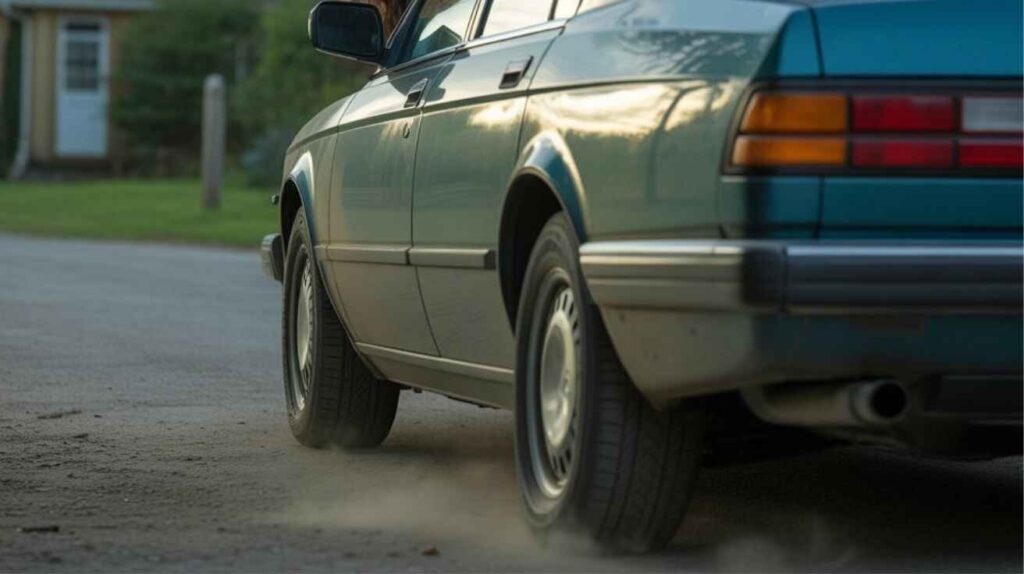
What Reasons a Car to Squeak When Reversing?
Brake Issues
- Worn brake pads can create squeaks, especially when reversing, as the pads engage differently.
- Rust buildup on the brake rotors after wet weather can cause temporary squeaks, often disappearing after a few stops.
Suspension Components
- Worn suspension bushings or faulty U-joints in rear-wheel-drive vehicles can also create a squeaking sound when reversing.
- The weight of the car shifts differently when reversing, and worn suspension parts can squeak under the added stress.
Faulty Gear System
- A worn or misaligned gearbox can create squeaking or grinding noises when shifting into reverse.
- These sounds usually come from the transmission as gears mesh or disengage improperly.
Oil Change Maintenance
- Low or dirty engine oil can cause parts to rub together, creating friction and squeaking.
- Regular oil changes help reduce friction and keep the engine running smoothly.
Grinding Wheel Bearings
- Worn wheel bearings can create a grinding or squeaking sound when the car moves in reverse.
- This noise may become more noticeable due to the direction change and increased strain.
Moisture on Brake Rotors
- Moisture or rust on the brake rotors can create a squeaky noise when reversing.
- Humidity or a wet environment often causes this temporary squeak, which usually fades after driving for a while.
Dry Jounce Bushing
- A dry or cracked jounce bushing can cause squeaking noises when the suspension moves, particularly when reversing.
- This part is responsible for absorbing shocks, and lack of lubrication can lead to friction-induced squeaks.
Irregular Tie Rod Ends
- Worn or damaged tie rod ends can cause squeaking when the vehicle’s wheels shift direction, including when reversing.
- They connect the steering mechanism to the wheels, and issues here often lead to noise or difficulty steering.
Serpentine Belt or Power Steering Issues
- A worn serpentine belt or low power steering fluid can cause a high-pitched squeak, especially when the car is moving in reverse.
- The belt may slip under load, and low fluid can make the power steering pump work harder.
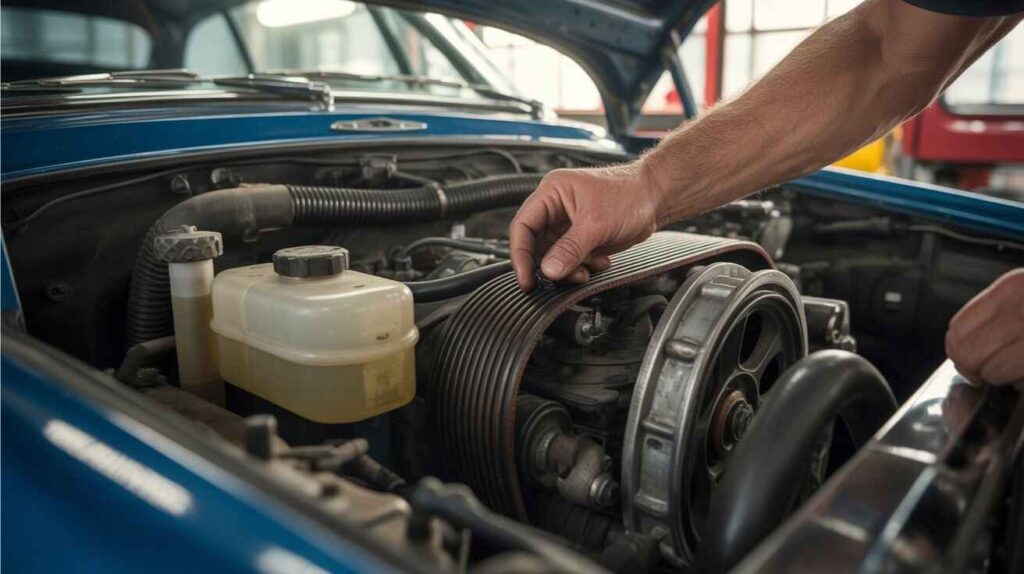
How to Diagnose the Source of the Squeak
Diagnosing the source of the squeak is essential to fixing it efficiently. Here’s how you can identify the problem:
| Diagnostic Step | What to Check |
|---|---|
| Inspect the brakes | Worn brake pads, rusted or glazed rotors |
| Check suspension components | Suspension bushings, U-joints, rear components |
| Listen for serpentine belt issues | Belt condition, belt tension, power steering fluid |
What to Do if Your Car Squeaks When Reversing
Once you’ve identified the likely source of the squeak, here’s how you can fix it:
Replace Worn Brake Pads
If the squeak is due to worn brake pads, replacing them is the best solution. Also, inspect the rotors for damage.
If the rotors are significantly worn or scored, you’ll need to either replace or resurface them to prevent further squeaking.
Lubricate Brake Components
For minor squeaks caused by rust buildup or brake dust, cleaning and lubricating the brake components might solve the issue.
Brake cleaner and proper lubrication of caliper pins can reduce friction and stop the noise.
Repair Suspension Issues
If the squeak is coming from the suspension, you may need to replace worn suspension bushings or faulty U-joints.
This can be a bit more complicated, and if you’re unsure how to handle it, it’s best to consult a mechanic.
Fix Serpentine Belt or Fluid Levels
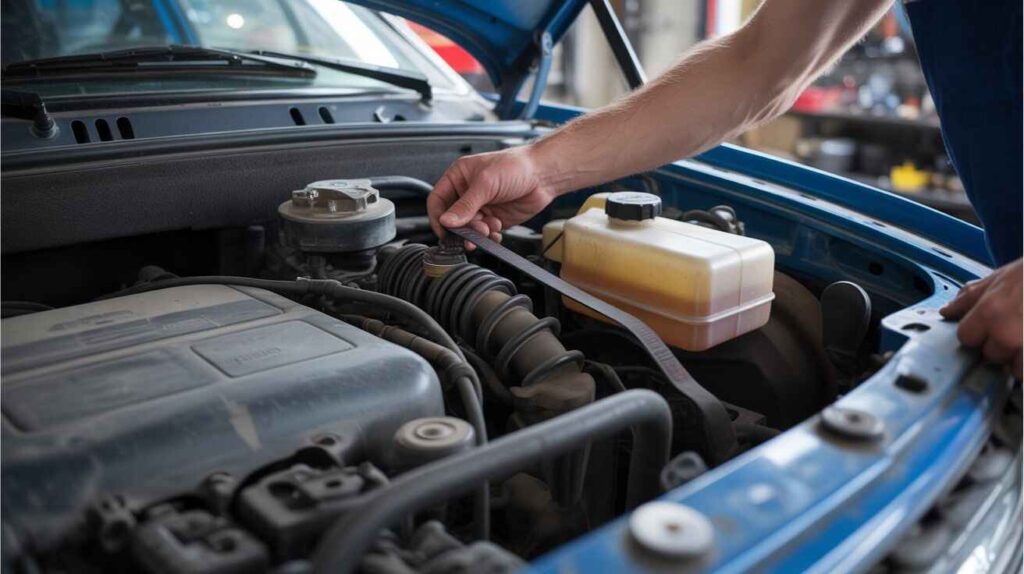
If your serpentine belt is slipping, it might need replacing. Additionally, check the power steering fluid and top it off if it’s low. This can eliminate squeaking caused by these systems.
Preventive Maintenance Tips to Avoid Squeaking
- Inspect Your Brakes Regularly: Periodically check the brake pads and rotors for wear. Replace them as needed to avoid damage to other brake components.
- Clean and Lubricate Brake Parts: Regularly clean brake rotors to remove any rust and apply lubricant to caliper pins and other moving parts.
- Maintain Suspension and Steering Components: Regularly check your suspension bushings and serpentine belts for wear, and replace them before they fail.
- Monitor Fluid Levels: Keep an eye on power steering fluid and brake fluid to avoid issues related to fluid levels.
Is Driving Safe if My Car Squeaks When Reversing?
The occasional squeak when reversing, especially after wet weather, is harmless. If the squeak persists and is accompanied by grinding, vibrations, or difficulties braking, fix it immediately. These symptoms usually suggest worn brake pads, broken rotors, or suspension issues. Driving in these conditions could ruin your car’s brakes or cause other costly harm.
FAQs
Q1.Why does my car just squeak when reversing?
The brake pads’ contact angle with the rotor causes squeaking when reversing. When in reverse, glazed rotors or worn brake pads can squeak, creating an odd friction pattern.
Q2.Can insufficient power steering fluid create reverse squeaks?
Low power steering fluid might cause reversing squeaks. If the fluid level is low, the pump works harder in reverse, especially when spinning the wheel, making a high-pitched noise.
Q3.Does my car usually creak after rain?
Yes, brake pads often squeak after rain or humidity. Squeaks from brake rotor rust or moisture normally disappear after a few moderate stops.