Car may smell like rubbing alcohol due to a fuel system leak, refrigerant leak from the A/C, windshield washer fluid, or coolant issue.
Why Does My Car Smell like Rubbing Alcohol?
If you’ve ever stepped into your vehicle and asked yourself, “why does my car smell like rubbing alcohol?” you’re not alone. Car smells like rubbing alcohol, it could be due to coolant leaks, fuel system problems, A/C refrigerant leaks, washer fluid, or even a simple spill inside the cabin.
Some causes are minor, while others may signal serious issues. Identifying the source quickly is important to protect your health and keep your vehicle safe.
Potential Causes of Rubbing Alcohol Smell in Cars
1.Coolant or Heater Core Leak
A coolant or heater core leak is a common cause of alcohol-like odors in cars. Antifreeze contains ethylene glycol, which produces a sweet, chemical smell in car.
Leaks can let vapors enter the cabin through vents, often causing a foggy windshield, damp passenger carpet, or low coolant levels. Since coolant fumes are toxic and leaks can lead to engine overheating, the issue should be fixed promptly.
2.Fuel System Issues
A fuel leak can also cause a rubbing alcohol-like smell, since gasoline blends contain ethanol. Even a small leak in a fuel line or injector can release strong fumes inside the cabin.
If the odor is paired with poor fuel economy or visible drips, it’s a serious fire hazard and needs immediate repair.
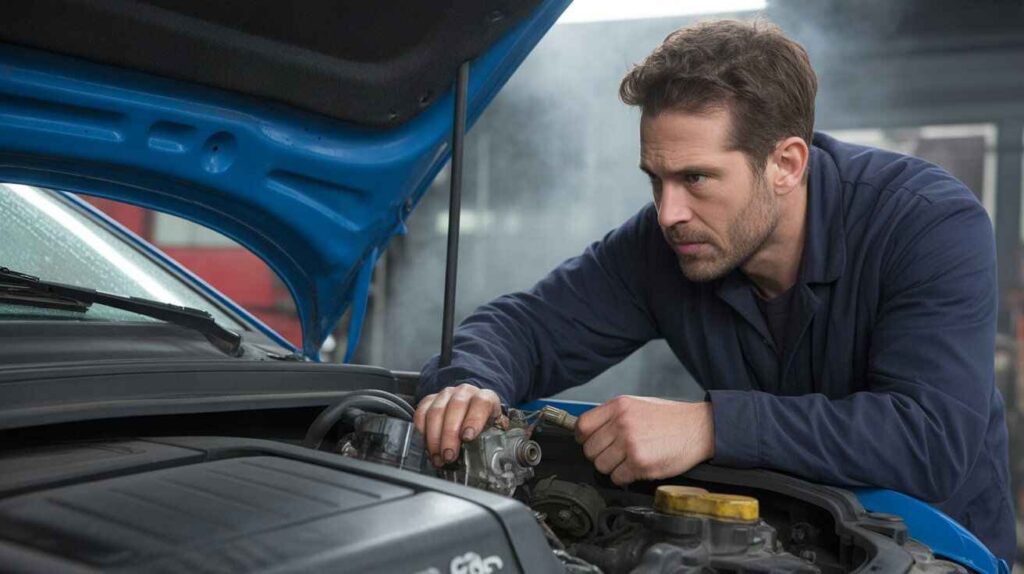
3.Evaporative Emission Control (EVAP) System Malfunction
A failing EVAP system can let fuel vapors escape from a faulty canister, purge valve, or cracked hose, creating a sharp, alcohol-like smell inside the car.
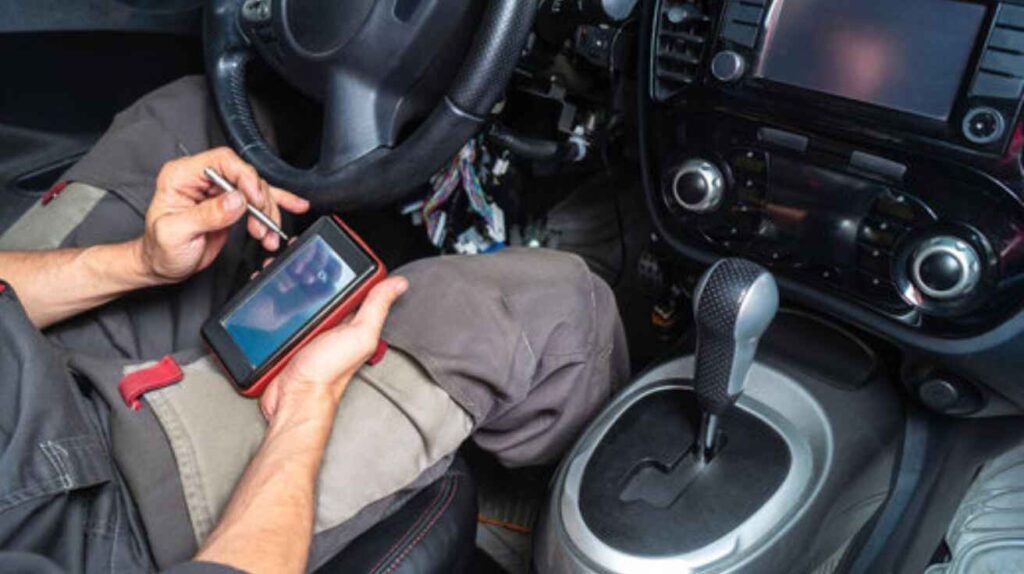
Since EVAP issues often trigger the check engine light, scanning for codes can quickly identify the problem.
4.A/C System Problems
An A/C refrigerant leak can produce a sharp, alcohol-like smell when the air conditioning is on. Clues include weak cooling, hissing sounds, or oily residue around the compressor or lines.
Since refrigerant is harmful to breathe and low levels can damage the system, a professional inspection is recommended.
5.Washer Fluid or Cleaning Products
Windshield washer fluid contains alcohols like methanol or isopropyl, and leaks from a cracked reservoir or loose hose can cause an alcohol-like smell.
Spilled cleaning products or sanitizers on carpets or upholstery may also leave lingering odors inside the cabin.
6.Interior Contaminants
Sometimes the smell comes from spilled isopropyl alcohol, cleaning sprays, or air fresheners rather than a car problem. Since carpets and fabrics absorb liquids, odors can linger, but ventilation and deep cleaning usually clear them out.
7.Other Fluid Sources
Less commonly, brake fluid or transmission fluid leaks can produce strong chemical odors that may be mistaken for rubbing alcohol, especially in small amounts. These leaks should be addressed quickly to prevent safety or mechanical issues.
Repair Costs for Common Causes of Alcohol-Like Car Odors
| Issue / Repair Needed | Estimated Cost Range | Notes |
|---|---|---|
| Cabin air filter replacement | $30 – $80 | Quick, DIY-friendly job |
| Washer reservoir repair | $50 – $100 | Minor leak or crack fix |
| A/C refrigerant leak repair | $200 – $600 | Includes seal replacement and recharge |
| Fuel line or injector repair | $150 – $400 | Cost varies with part and labor |
| Heater core replacement | $800 – $1,500+ | Labor-intensive, often requires dash removal |
| EVAP system repair | $500 – $1,200 | Smoke test and part replacement (purge valve, canister, hoses) |
Diagnosing the Issue
Visual Inspection
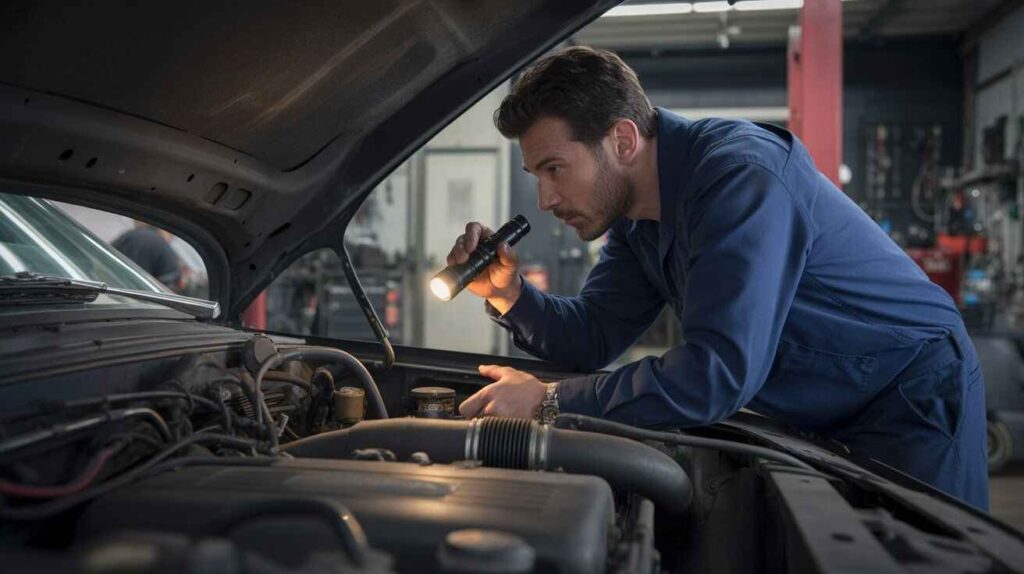
Check the engine bay for coolant stains, damp hoses, or heater core residue. Look for wet spots on fuel lines or strong vapors.
Inspect the A/C compressor and fittings for leaks, and inside the cabin, check carpets and the cabin air filter for dampness or odors.
Professional Mechanic Evaluation
If the cause cannot find, a mechanic can run tests like a cooling system pressure test, EVAP smoke test, or use a sniffer tool for refrigerant leaks.
Since fuel and coolant fumes are hazardous, expert help is often the safest solution.
When to Stop Driving and Call a Mechanic
If the rubbing alcohol smell is strong, persistent, or paired with symptoms like fogged windows, overheating, or fuel drips, stop driving.
Coolant and fuel leaks can quickly escalate into major safety hazards. Chemical fumes can also cause headaches or nausea, making it unsafe to continue driving.
Solutions and Preventative Measures
Fixing Fuel Leaks
Fuel leaks may require replacing cracked hoses, seals, or injectors. Since vapors are highly flammable, prompt repairs and regular inspections are essential, especially in older cars.
Addressing A/C System Issues
Refrigerant leaks need repairs and recharging. Mechanics may replace seals, hoses, or the compressor. Yearly A/C checks help catch leaks early and keep the system efficient.
Regular Cleaning and Maintenance
A clean cabin prevents odors. Replace the cabin air filter yearly, avoid leaving alcohol-based cleaners, and clean spills quickly to stop smells from soaking into carpets and upholstery.
FAQs
Q1: Can coolant leaks smell like rubbing alcohol?
A: Yes — coolant/antifreeze leaks often create a sweet chemical smell in car cabin.
Q2:Is a rubbing alcohol smell in my car dangerous?
A: It can be. Fuel leaks and coolant fumes are hazardous to breathe and may create fire risks.
Q3:Can coolant leaks cause an alcohol-like odor?
A: Yes. Antifreeze produces a sweet smell that many drivers confuse with rubbing alcohol, especially when the heater core is leaking.