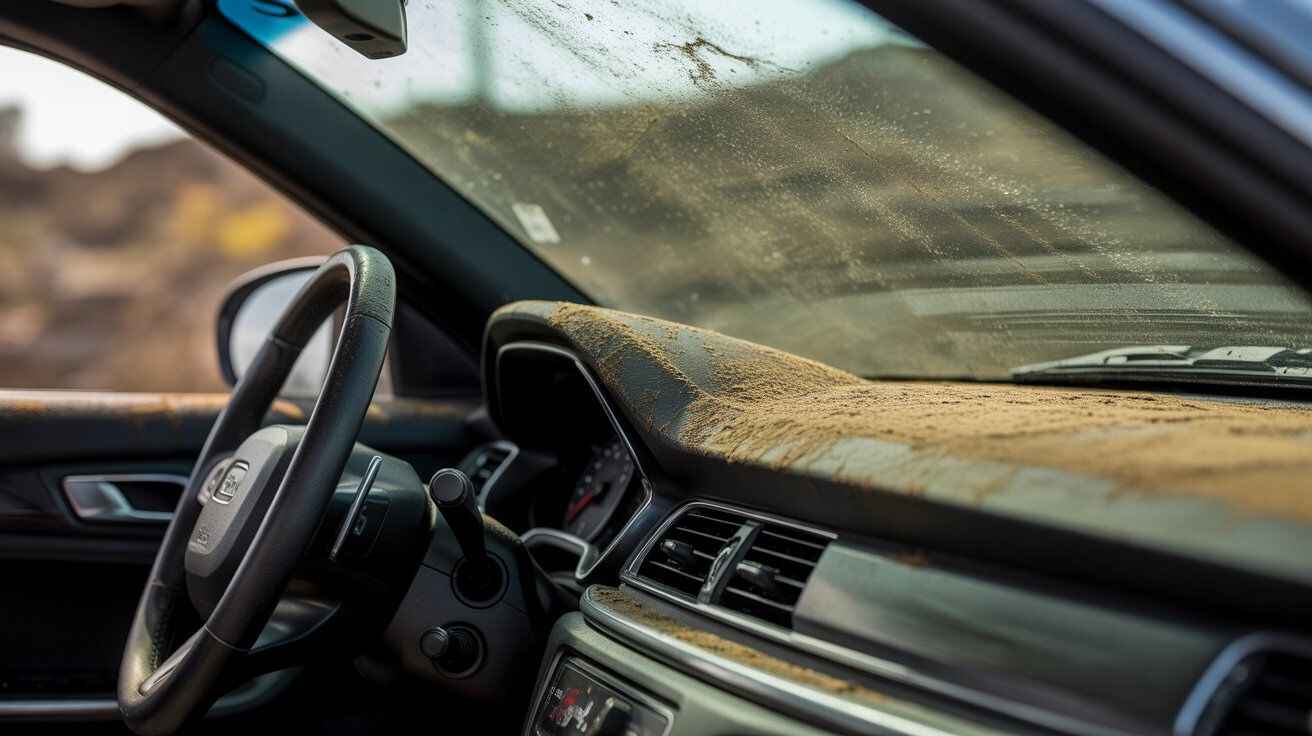
The car might smell like nail polish remover due to a refrigerant or coolant leak. These release acetone-like fumes through the vents. It could also come from burning fluids, overheated wiring, or chemical spills.
Why Does My Car Smell Like Nail Polish Remover?
Why does my car smell like nail polish remover? That sharp, acetone-like odor often points to a mechanical issue that deserves attention. It usually involves your AC system, coolant, or electrical components.
Common Cause Of a Car Smelling Like Nail Polish Remover
1. AC Refrigerant Leak
If your car smells like acetone when the AC is on, a refrigerant leak is likely. Escaping refrigerant mixed with compressor oil gives off a chemical, sweet odor similar to nail polish remover.
Watch for weak cooling, a hissing noise, or oily residue on AC hoses. Breathing refrigerant fumes can cause headaches or nausea, so turn off the AC and get the system checked.
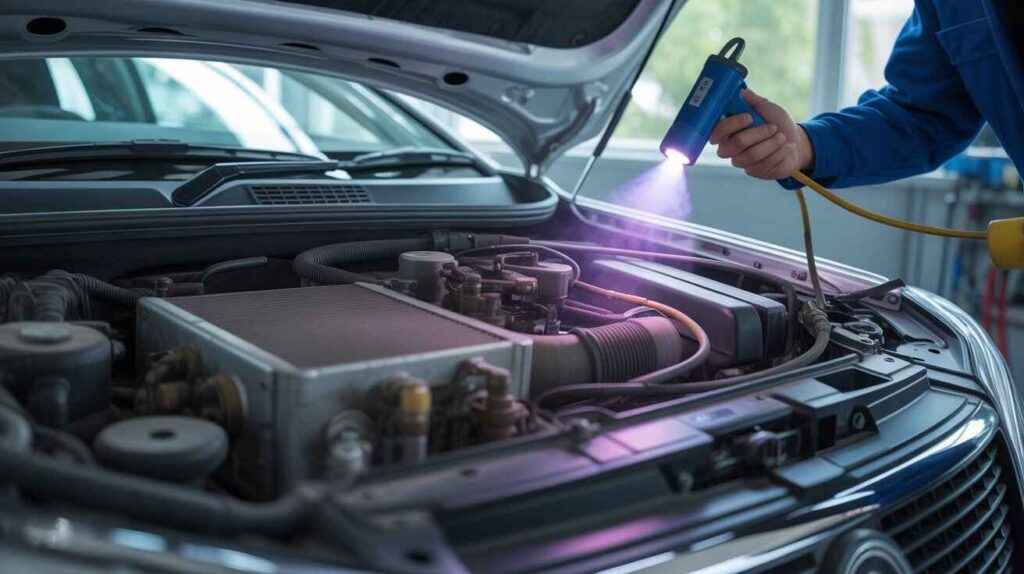
A technician can find leaks using a pressure or UV dye test. Fixing it early prevents compressor damage and restores cooling efficiency.
2. Coolant or Heater Core Leak (Sweet, Chemical Smell)
A coolant leak or heater core failure can release antifreeze vapors that smell like acetone or a sweet chemical odor.
Look for signs such as foggy film on the windshield, damp carpet under the dash, or low coolant levels. Because ethylene glycol is toxic, avoid driving until the issue is fixed. A mechanic can confirm the issue by checking coolant levels and pressure-testing the system.
Replacing the heater core and flushing the coolant is a long-term solution that keeps your engine healthy and your cabin air safe.
3. Transmission Fluid or Oil Burning on Hot Parts
Sometimes, that nail polish remover smell isn’t from your AC or coolant—it’s from oil or transmission fluid dripping onto hot engine components. When these fluids burn, they produce a harsh chemical smell that can drift into the cabin through the vents.
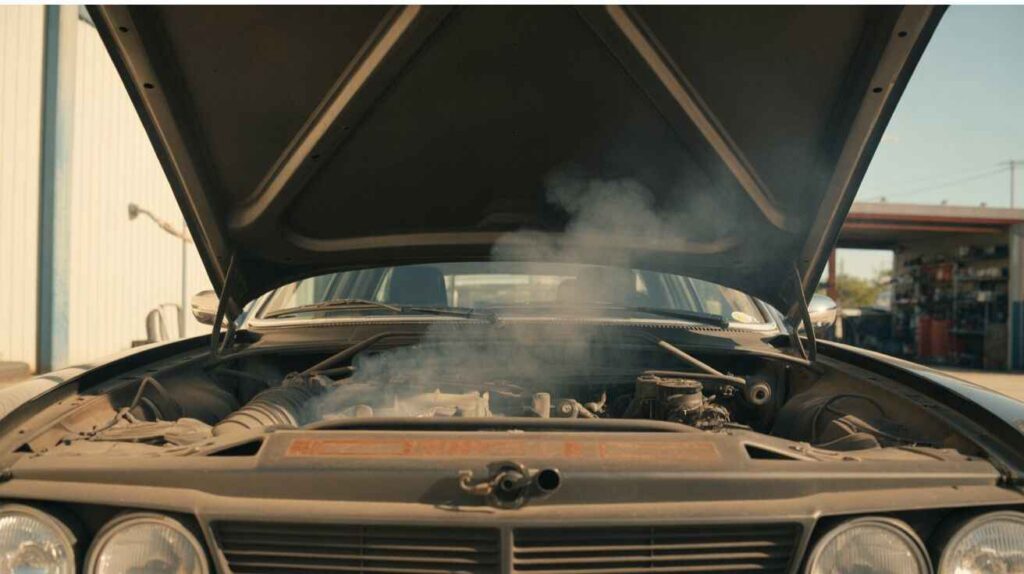
Check beneath your car for reddish or dark brown puddles, and inspect fluid levels. If you see smoke rising from the engine bay or notice a persistent burning oil smell, stop driving until it’s checked. A minor gasket or seal replacement can prevent major repair costs later.
4. Electrical or Plastic Components Overheating
An electrical short circuit or overheated plastic part can release fumes that smell like acetone or burning chemicals. This happens when insulation on wires or connectors melts, often due to poor grounding, faulty fuses, or aftermarket wiring.
You might notice flickering lights, a warm dashboard area, or even light smoke. Don’t ignore it—melting wiring can quickly escalate into a fire hazard. Turn off the ignition immediately and have a mechanic trace the source before restarting the vehicle.
If your car smells like burning plastic or nail polish remover, electrical heat damage could be the cause.
5. Chemical Spills or Air Fresheners Inside the Cabin
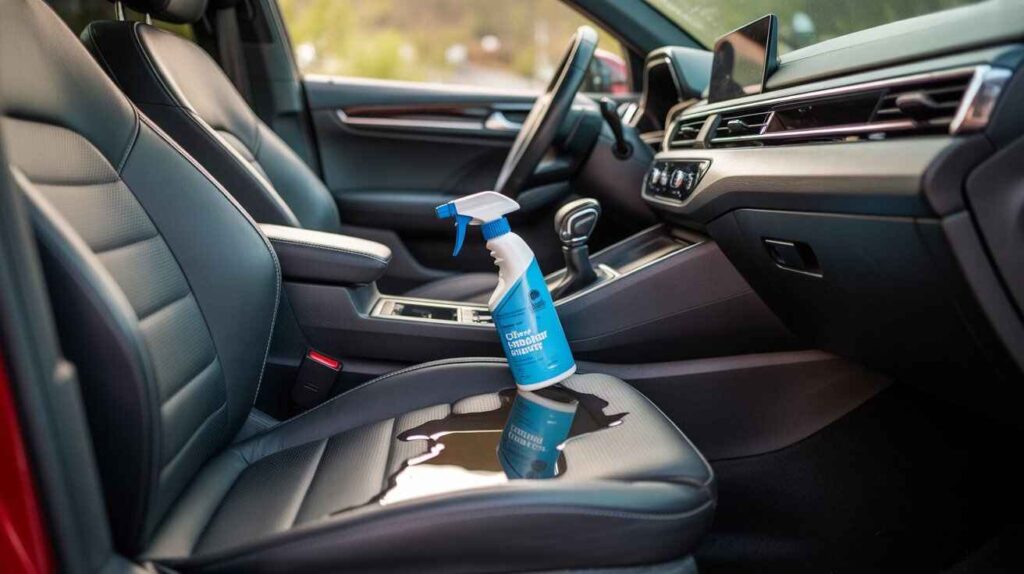
Not every acetone smell in a car is mechanical. Sometimes, the answer is right under your seat. Nail polish remover, cleaning sprays, or acetone-based air fresheners can leak or evaporate, leaving behind that same sharp odor.
Inspect your glovebox, trunk, or cupholders for bottles or chemical wipes. Remove them, wipe surfaces clean, and let the car air out. Running your ventilation system on high for 10–15 minutes can quickly clear out lingering fumes.
Step-by-Step Checklist to Diagnose the Smell
| Step | What to Check | What It Means |
|---|---|---|
| 1. Locate the odor | Sniff around vents, cabin, and engine bay. | Vents = AC issue; cabin = heater core; engine bay = fluid leak. |
| 2. Switch between AC and heat | Turn AC and heat on separately. | AC = refrigerant leak; heat = coolant leak. |
| 3. Check coolant level | Look at the coolant reservoir. | Low fluid suggests a leak. |
| 4. Inspect under dashboard | Feel carpet or insulation for dampness. | Wet spots = heater-core leak. |
| 5. Check AC lines | Look for oily residue on hoses. | Oily marks = refrigerant leak. |
| 6. Look for spills inside | Search cabin and trunk for chemicals. | Remove any acetone or cleaner bottles. |
| 7. Check under the car | Inspect for puddles or stains. | Colored or oily puddles = fluid leak. |
When to See a Mechanic
If the chemical smell inside your car grows stronger, you notice smoke, or the AC stops cooling, it’s time for a professional diagnosis. Typical repair costs range from $150–$500 for small AC leaks and up to $1,000 for heater-core replacement.
As a rule of thumb, never keep driving if your car smells like nail polish remover—it’s often your vehicle’s way of warning you that something’s wrong.
Solutions and Preventive Measures
Immediate Actions
If your car smells like nail polish remover, act fast.
- Don’t drive if the odor is strong or makes you dizzy.
- Open windows and turn off AC/heat to stop fumes from circulating.
- Check for leaks only when the engine is cool.
- Avoid flames or smoking near the car.
- If a fuel, coolant, or refrigerant leak is suspected, call a mechanic or roadside help instead of driving.
Regular Maintenance
Stay ahead of odors with simple upkeep.
- Check fluids and inspect hoses monthly.
- Service your AC once a year to detect refrigerant leaks early.
- Replace the cabin filter every 12–18 months.
- Keep the interior clean and avoid storing chemicals or cleaners.
- Wipe vents and surfaces with mild products.

Using Odor Neutralizers
After repairs, use activated charcoal, baking soda, or enzymatic sprays to remove lingering smells.
Run the AC on high with an automotive odor eliminator for deep cleaning.
Skip heavy air fresheners—they hide, not fix, the problem.
FAQs
1. Why does my car smell like nail polish remover when the AC is on?
It is likely a refrigerant leak causing chemical vapors through the vents.
2. Can coolant smell like nail polish remover?
Yes, coolant leaks sometimes produce sweet, acetone-like odors.
3. How do I get rid of chemical smells in my car?
Remove spilled chemicals, replace the cabin filter, and ventilate on high airflow.