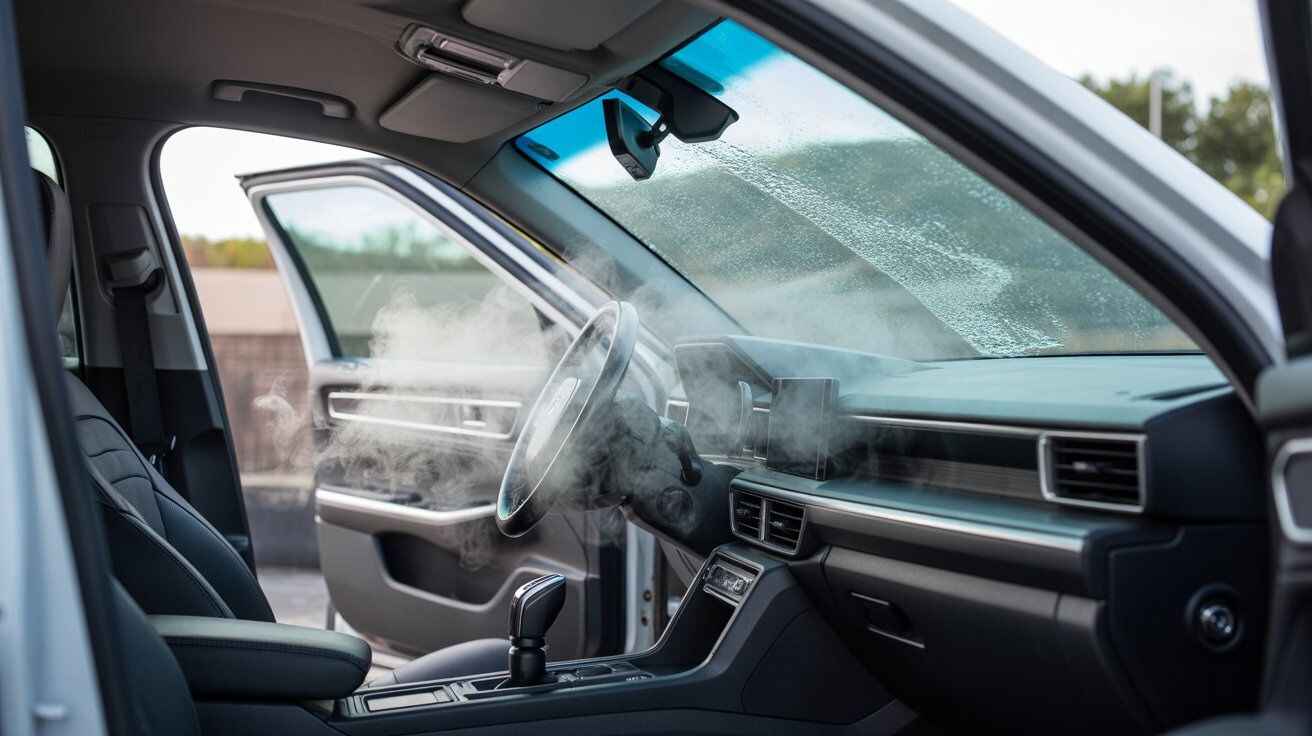
A car that smells like gas but has no visible leak usually means fuel vapors are escaping from somewhere in the system — often due to a loose gas cap, a small EVAP system leak, or a worn fuel injector seal.
How Gasoline Odor Exists Without a Visible Leak
A car can smell like gas even without a visible leak because gasoline evaporates quickly, leaving invisible vapors.
These issues usually arise from the fuel tank, hoses, or EVAP system when a hose cracks or a valve sticks. Sometimes, a rich fuel mixture or faulty fuel pressure regulator lets unburned fuel escape through the exhaust, especially after refueling, when vapor pressure is highest.
Causes of Gas Smell Without a Leak
1. Loose or Damaged Gas Cap
A loose, cracked, or missing gas cap is one of the simplest reasons your car smells like gas, but no leak is visible.
When the seal fails, fuel vapors escape from the filler neck, especially after refueling. Replacing the cap usually solves the problem quickly and inexpensively.
2. EVAP System Leak
The EVAP (Evaporative Emission Control) system traps and recycles fuel vapors. If a purge valve, hose, or charcoal canister is cracked, vapors leak out.
This can trigger a check engine light with codes like P0456 or P0442. Small EVAP leaks can cause a strong gas odor even without liquid fuel on the ground.
3. Fuel Injector O-Ring Seepage
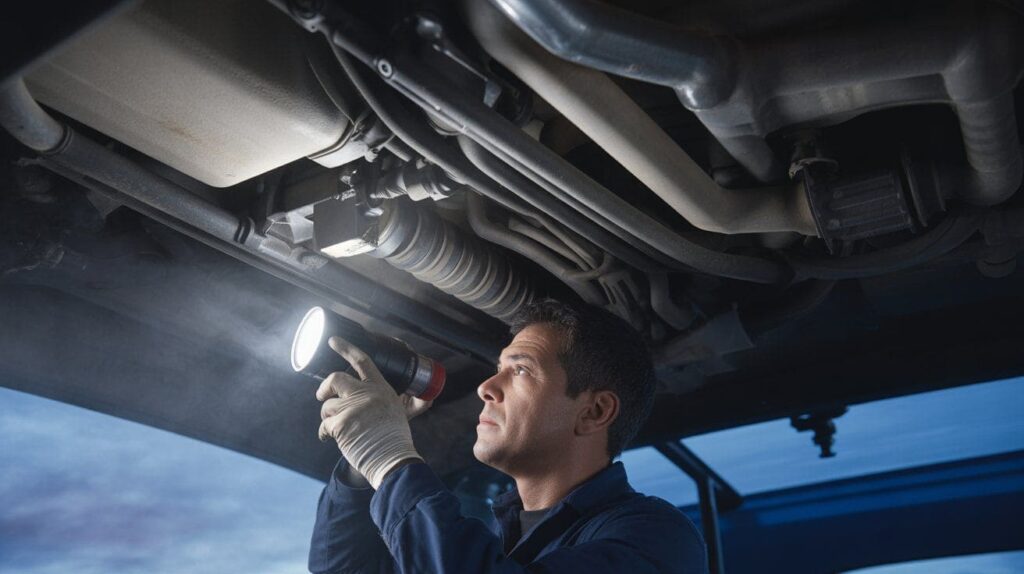
Over time, the rubber O-rings that seal the fuel injectors can harden or crack. When this happens, fuel vapors escape under pressure, especially when the engine is hot.
You may notice a faint gas smell near the hood or while idling. Replacing the O-rings stops the vapor leak.
4. Faulty Fuel Pressure Regulator
A failing fuel pressure regulator can cause your engine to run rich, meaning too much fuel and not enough air.
This unburned gasoline exits through the exhaust, producing a noticeable gas odor. You might also notice black smoke or experience reduced fuel economy, accompanied by the smell.
5. Hairline Fuel Line Cracks
Fuel lines can develop tiny cracks from heat or age. These small openings let vapors escape, but evaporate before you ever see liquid fuel. The smell is often stronger near the rear of the car, close to the fuel tank. A mechanic can detect these with a pressure or smoke test.
6. Overfilled Fuel Tank
Topping off the tank after the pump stops can cause excess gasoline to flood the vapor recovery system.
When that happens, fumes escape around the filler neck or through the EVAP lines. Avoid overfilling to prevent both fuel odor and damage to emission components.
7. Exhaust Leak Near the Cabin
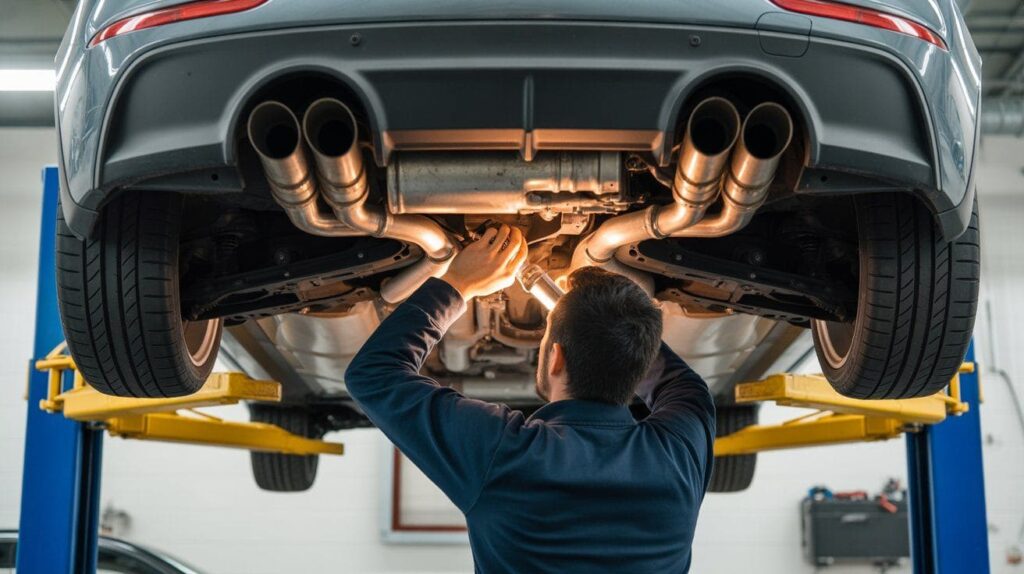
If your car’s exhaust manifold or pipes have a small leak, unburned fuel fumes can enter the cabin through air vents.
The smell can mimic a gas leak, especially at low speeds or idle. Exhaust leaks are dangerous and should be repaired immediately to avoid carbon monoxide exposure.
8. Saturated Charcoal Canister
The charcoal canister stores fuel vapors until the engine burns them off. When it becomes saturated from age, overfilling, or EVAP faults, it releases vapors into the air instead.
You may smell gas near the rear of the vehicle or after refueling. Replacement is the only reliable fix.
9. Worn Engine Gaskets or Seals
Old or cracked engine gaskets, especially around the valve cover or fuel rail, can allow small amounts of fuel vapor to escape.
This creates a lingering gas smell around the engine bay without visible leaks. Regular inspection and timely gasket replacement prevent further vapor seepage.
How to Quickly Check and Diagnose the Cause
| Step | What to Do | Possible Issue |
|---|---|---|
| 1.Inspect Gas Cap | Check gas cap for cracks or looseness. | Loose or damaged gas cap. |
| 2.Check for Visible Signs | Look under car for damp spots. | Small fuel line crack or hose seepage. |
| 3.Open the Hood (Engine Cool) | Smell near injectors (engine cool). | Leaking injector O-ring or seal. |
| 4.Note When the Smell Appears | Note when odor appears. | EVAP leak, overfilled tank, or exhaust issue. |
| 5.Scan for Codes | Scan for codes (P0456/P0442). | Minor EVAP or vapor leak. |
| 6.Observe Odor Strength | Compare smell inside vs. outside. | Exhaust leak or vent fumes. |
Identifying Non-Leak Reasons for Gas Odor
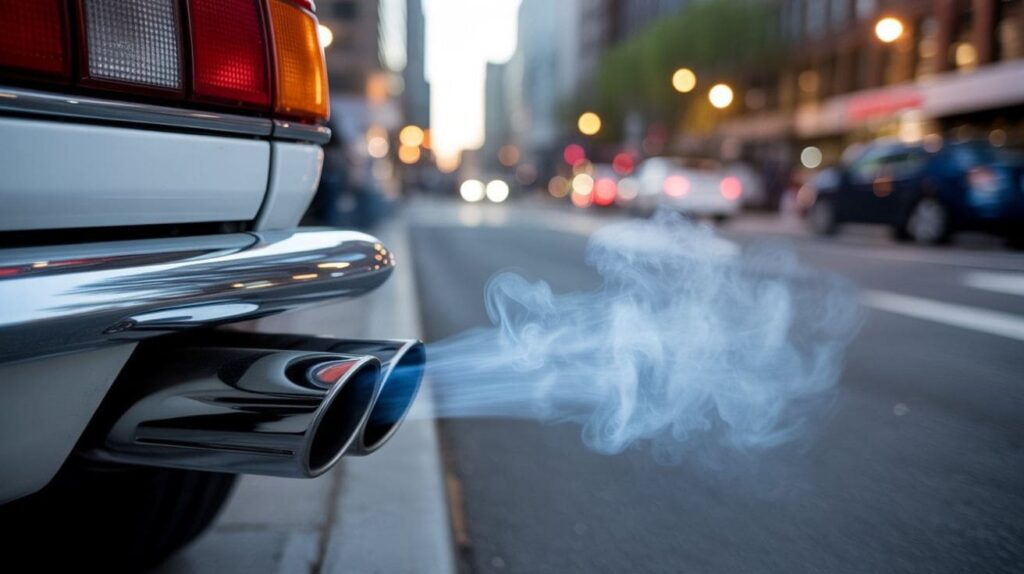
Not all fuel smells mean a leak. Engine misfires, faulty oxygen sensors, clogged air filters, or old spark plugs can cause unburned fuel to exit the exhaust, creating a gas odor.
A worn exhaust gasket may let fumes enter the cabin through vents. If no visible issues exist, a smoke test can help detect hidden vapor leaks in the EVAP system.
Environmental Factors Influencing Gas Odor
Sometimes the gas smell comes from external sources like construction areas, asphalt, or industrial zones. Gas spills or fumes from nearby vehicles can stick to your tires or undercarriage, and hot weather makes the odor stronger by expanding vapors.
If the smell goes away when you change locations, it’s environmental; if it stays constant, inspect your fuel or exhaust system.
Possible Solutions for a Non-Leak Gas Smell:
- Inspect fuel lines and hoses during oil changes.
- Replace the fuel filter every 30,000–50,000 miles.
- Clean the engine bay with a degreaser (on a cool engine).
- Change the cabin air filter if it smells of fumes.
- Avoid topping off the gas tank after the pump clicks.
- Park in a ventilated area to let fuel vapors disperse safely.
FAQs
1. Can a bad gas cap cause a gas smell?
Yes. A loose or cracked cap allows vapors to escape, triggering EVAP system codes.
2. Why does my car smell like gas after refueling?
Overfilling or a saturated charcoal canister often causes vapor release.
3. Is it safe to drive with a faint gas smell?
Only briefly, if the smell fades quickly. Persistent odor needs inspection.