The car might smell like farts because of sulfur or hydrogen sulfide gases from a failing catalytic converter, a fuel or exhaust leak, or mold and mildew buildup inside the cabin or A/C system.
Why Does My Car Smell Like Farts?
Why does my car smell like farts?” That unpleasant, sulfur-like odor could mean more than just a bad smell. It often points to issues like fuel leaks, mold, or trapped moisture inside your vehicle. Ignoring it can lead to health risks and costly repairs, so tackling the problem early keeps your car safe, fresh, and running smoothly.
Is This Dangerous? When to Stop Driving
Some odors are just annoying. Others can be dangerous. If your car smells like farts mixed with gasoline or exhaust, you might have a fuel leak or exhaust leak. Both can expose you to harmful fumes like carbon monoxide or unburned fuel vapors.
The same goes for a sulfur smell coming from a failing catalytic converter. These gases contain hydrogen sulfide, which produces that classic “rotten egg” scent.
If the smell intensifies while driving or you start feeling dizzy or light-headed, stop the car, open the windows, and call a mechanic immediately.
Common Causes of Foul Odors in Cars
1.Food and Trash Buildup
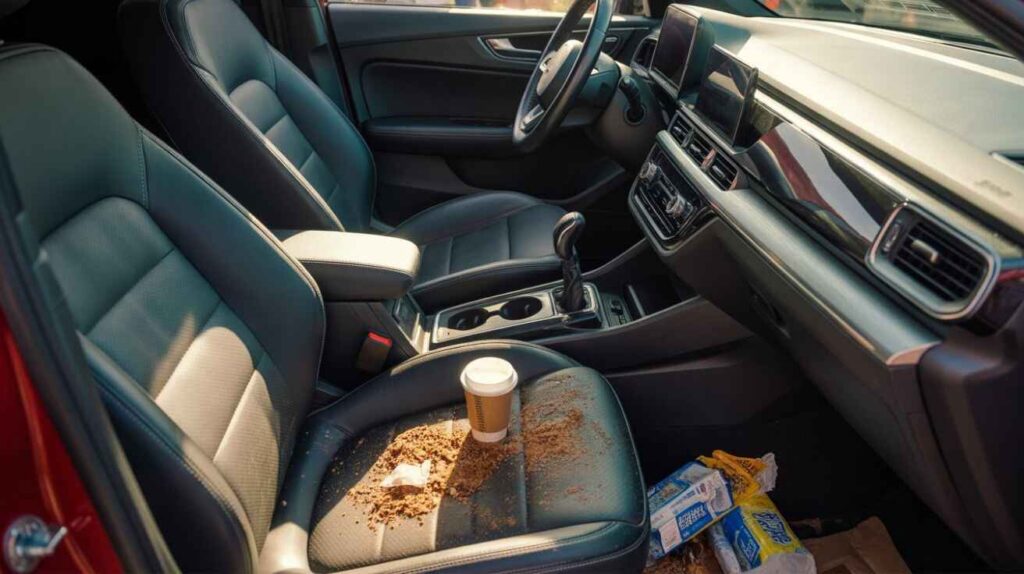
Old coffee, spilled drinks, or forgotten snacks under the seat can rot and give off a gassy odor. Clean out your car regularly, vacuum under seats, and use odor absorbers like baking soda or charcoal packs.
2.Mold and Mildew
Moisture trapped in carpets or a clogged A/C drain can cause a mold smell or a musty, “wet fart” scent. If the odor worsens when the A/C runs, it’s probably coming from the HVAC system.
Vacuum thoroughly, clean carpets with baking soda or vinegar, and replace the cabin air filter. Run the fan on high with the windows open and spray an HVAC disinfectant through the vents.
3.Exhaust or Catalytic Converter Problems
A broken catalytic converter or exhaust leak lets hydrogen sulfide escape, creating that sulfur smell. These parts clean up toxic exhaust gases; when they fail, the “rotten egg” smell is the first clue.
4.Fuel System Issues
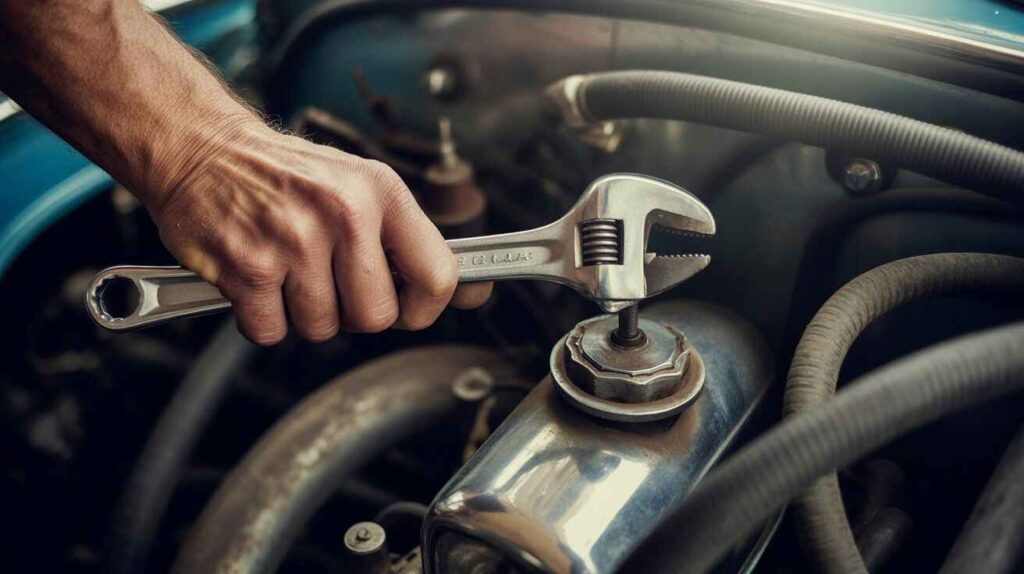
If your car smells like farts or gasoline, check the fuel system first. A loose gas cap, leaking fuel line, or faulty EVAP canister can release fuel vapors that smell like sulfur or rotten eggs. Inspect the gas cap for cracks, look for wet spots or drips, and avoid driving if the odor is strong. Fuel fumes are flammable—get a mechanic to check for leaks immediately.
5.Dirty Cabin Air Filter
The cabin filter traps dust and moisture. When it’s clogged, it can grow mold and make your vents smell awful. Replacing it is cheap and takes five minutes.
6.Pests or Dead Animals
Rodents sometimes crawl into the engine bay or air ducts. If you notice a localized, sour odor that worsens when you turn on the vents, this could be the cause. Remove the source carefully, clean with a disinfectant, and let the car air out.
7.Battery or Electrical Issues
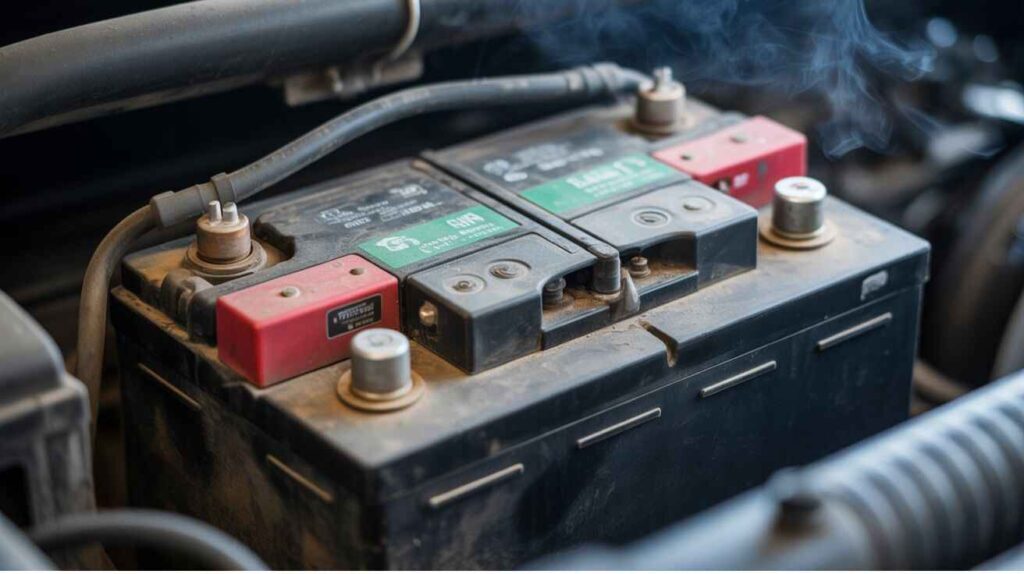
A failing battery can emit sulfuric acid fumes that smell like rotten eggs. Overcharging or corroded terminals can also give off that smell. Always be cautious—don’t touch battery corrosion with your bare hands.
How to Identify the Source of Smell
Finding the source of the smell is half the battle. Start by noting when the odor appears:
- When you start the engine? Think exhaust or catalytic converter.
- When using the A/C or the heat? Check your cabin filter or HVAC system.
- Constantly inside the cabin? Look for spills, trash, or trapped moisture.
Do a quick inspection: check under the seats, lift the floor mats, and look for leaks or damp spots. If the smell is stronger outside near the tailpipe, it’s likely an exhaust issue. If you still can’t locate it, a repair shop can do an odor diagnostic using a smoke machine or gas analyzer.
How to Check Your Car From Smelling Like Farts
| Step | What to Check | Quick Fix |
|---|---|---|
| 1 | Fuel cap & fuel area | Tighten or replace loose gas cap; check for fuel smell or damp spots. |
| 2 | Tailpipe area | Sulfur smell = possible exhaust or catalytic converter issue. |
| 3 | A/C or heater on | Musty odor = mold or mildew in vents; disinfect and replace cabin filter. |
| 4 | Under seats & mats | Remove trash clean spills, and dry damp carpets. |
| 5 | Cabin air filter | Replace if dirty or moldy to restore clean airflow. |
| 6 | Interior surfaces | Vacuum and use odor neutralizer or vinegar spray. |
| 7 | Still smells? | Get a pro check for leaks or exhaust problems. |
Fixing and Preventing Fart-Like Smells
Once you know why your car smells like farts, the fix is usually straightforward.
Deep Cleaning
Vacuum carpets, wipe interior surfaces, and use an enzyme-based cleaner or vinegar solution on fabric. Let everything dry completely moisture is the enemy. For tough cases, ozone generators or professional detailing can neutralize lingering odors.
HVAC Maintenance
Replace the cabin air filter every 12 months. Occasionally, run your fan on “fresh air” mode to remove moisture from the system. A quick disinfectant spray through the vents every few months can help prevent mold growth.
Regular Upkeep
Check your fuel cap, exhaust, and battery during routine maintenance. Keep food out of the cabin, fix leaks quickly, and store a few silica packs in the trunk to absorb moisture.
FAQs
1.Why does my car smell like farts when I start it?
That’s often a catalytic converter issue, releasing sulfur gases when heating up.
2.Can a moldy A/C cause the smell?
Yes. Moisture in the evaporator creates mildew that smells sour or musty.
3.Why does my car smell like rotten eggs after driving?
A failing catalytic converter or fuel mixture issue could be to blame.