
The car shakes when the AC is on because the AC adds extra load to the engine, and worn parts like mounts, belts, or the compressor make that vibration more noticeable.
Why Does My Car Shake When My AC Is On ?
When your car shakes as soon as the AC is on, it usually means the air conditioning system is putting extra strain on the engine.
Common Causes of Shake When the AC Is On
1.Faulty or Worn Engine Mounts
Engine mounts absorb vibration between the engine and chassis. When they wear out, the extra load from the AC compressor magnifies vibration, causing the entire car to tremble—especially at idle.
If your car jerks slightly when shifting from Park to Drive, it’s likely due to worn mounts.
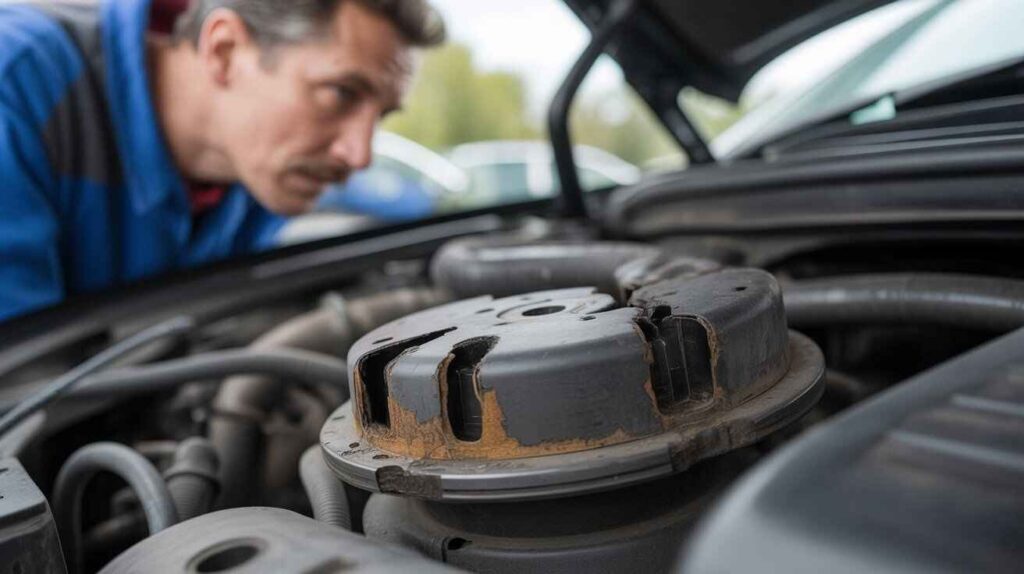
2.AC Compressor or Compressor Clutch Failing
A damaged compressor or slipping clutch can cause uneven load on the engine. This imbalance often feels like a rough idle or pulsating shake.
Listen for clicking or grinding sounds when the AC turns on.
3.Engine Struggling with Extra Load
When the AC runs, it adds workload to the engine. A dirty throttle body or malfunctioning idle control valve can prevent the ECU from adjusting properly, leading to shaking.
Clean the throttle body and ensure your idle speed doesn’t drop below normal.
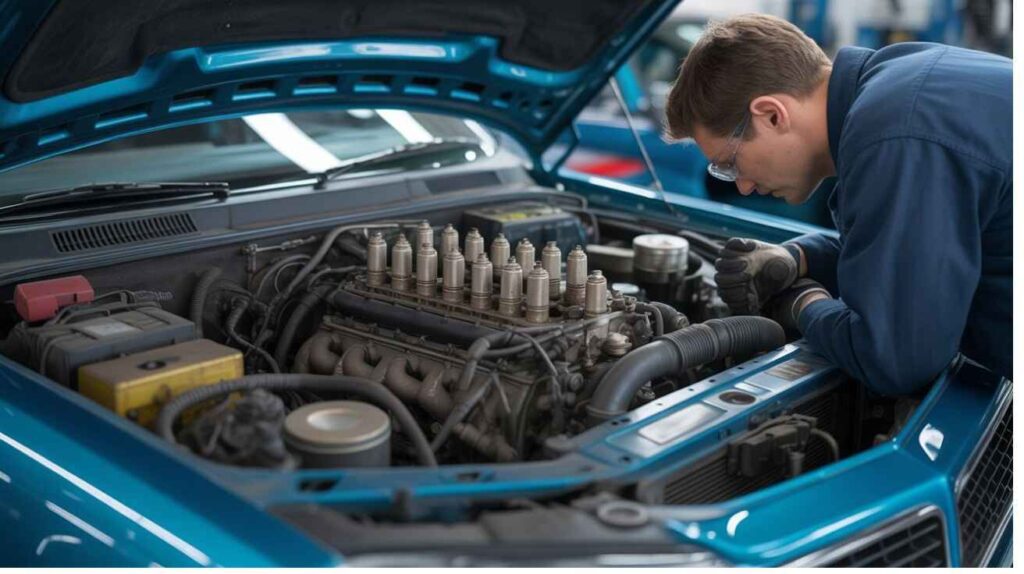
4.Ignition Problems or Misfires Under Load
Bad spark plugs or ignition coils cause uneven combustion. When the AC is engaged, the additional stress amplifies misfires, leading to noticeable shaking.
Replace spark plugs if your car hesitates or idles roughly, especially when the AC is on.
5.Worn Belts, Pulleys, or Tensioners
The serpentine belt drives the AC compressor. A loose or cracked belt can vibrate or squeal under pressure. Inspect the belt for cracks or shiny spots—it might be slipping.
6.Low Refrigerant or Incorrect AC Pressure
Low refrigerant makes the compressor work harder, creating strain on the engine. Get refrigerant levels checked and topped up to prevent overloading the compressor.
7.Dirty MAF Sensor or Clogged Air Filter
A clogged filter or dirty MAF sensor disrupts airflow, causing poor fuel-air balance and vibration when the AC runs. Replace your air filter every 12,000–15,000 miles and clean the MAF sensor gently.
8.Vacuum Leaks or Loose Hoses
A leaking vacuum hose lets extra air into the system, causing the engine to idle roughly. Listen for hissing near the intake manifold—it often points to a leak.
9.Transmission or Driveline Issues
If shaking worsens while driving, not idling, your transmission or driveline could be out of balance. Check whether vibration occurs only at idle or during acceleration to isolate the issue.
Quick Fixes You Can Try at Home
| Issue | Symptoms | Simple Fix |
|---|---|---|
| Worn Engine Mounts | Car shakes or rattles more at idle when AC is on | Visually inspect mounts for cracks or sagging |
| Failing AC Compressor or Clutch | Clicking, squealing, or vibration when AC turns on | Turn AC on/off and listen for noise changes |
| Dirty Throttle Body / Idle Control Valve | RPM drops or fluctuates when AC starts | Use throttle body cleaner to remove buildup |
| Bad Spark Plugs or Ignition Coils | Engine hesitates or misfires with AC on | Replace spark plugs; check for corrosion |
| Loose / Worn Belts or Pulleys | Chirping or squealing noises when AC engages | Tighten or replace worn serpentine belt |
| Low Refrigerant / High AC Pressure | Weak cooling, compressor cycles frequently | Recharge refrigerant or have AC pressure checked |
| Dirty MAF Sensor / Air Filter | Rough idle or poor fuel economy | Clean MAF sensor, replace air filter |
| Vacuum Leak or Loose Hose | Hissing noise and rough idle | Reattach or replace damaged hoses |
| Transmission / Driveline Imbalance | Shaking while driving, not just at idle | Check tire balance and alignment |
How to Diagnose the Car Shake When AC Is On
Listening and Feeling for Vibrations
Park your car and turn the AC on and off. If vibration starts immediately after the AC kicks in, the compressor, belt, or mounts are likely involved. If shaking happens while driving, the tire balance or transmission may be the culprit.
Visual Inspection
With the engine off, pop the hood and look for cracked belts, wobbling pulleys, or disconnected hoses. Oil around engine mounts can signal failure. Restart the car and watch for engine movement—it should stay relatively steady when the AC engages.
When to Seek Professional Help
If your car shakes even after cleaning filters or tightening belts, it’s time to visit a mechanic. Certified technicians can run diagnostic tests, check refrigerant pressure, and scan for ECU or idle control errors that might not be visible.

Solutions and Preventive Measures
Regular Maintenance
Keep your engine, AC compressor, and belts inspected every 6–12 months. Clean sensors, replace filters, and ensure proper refrigerant pressure to prevent vibration issues before they start.
Regular maintenance, early diagnosis, and quick repairs will restore a smooth, quiet drive—so you can stay cool without the shakes.
Address Issues Promptly
Don’t ignore vibration when the AC is on—it’s your car’s way of warning you. Fixing small issues early (like a dirty throttle body or worn belt) prevents costlier repairs later.
FAQs
Q1: Is it normal for a car to vibrate when the AC is on?
A slight idle drop is normal; strong shaking means something’s worn.
Q2: Can a bad compressor cause shaking?
Yes. A seizing compressor adds uneven load and causes vibration.
Q3: How do I stop my car from shaking when the AC is on?
Inspect mounts, belts, filters, and refrigerant. Fix any worn or dirty parts.