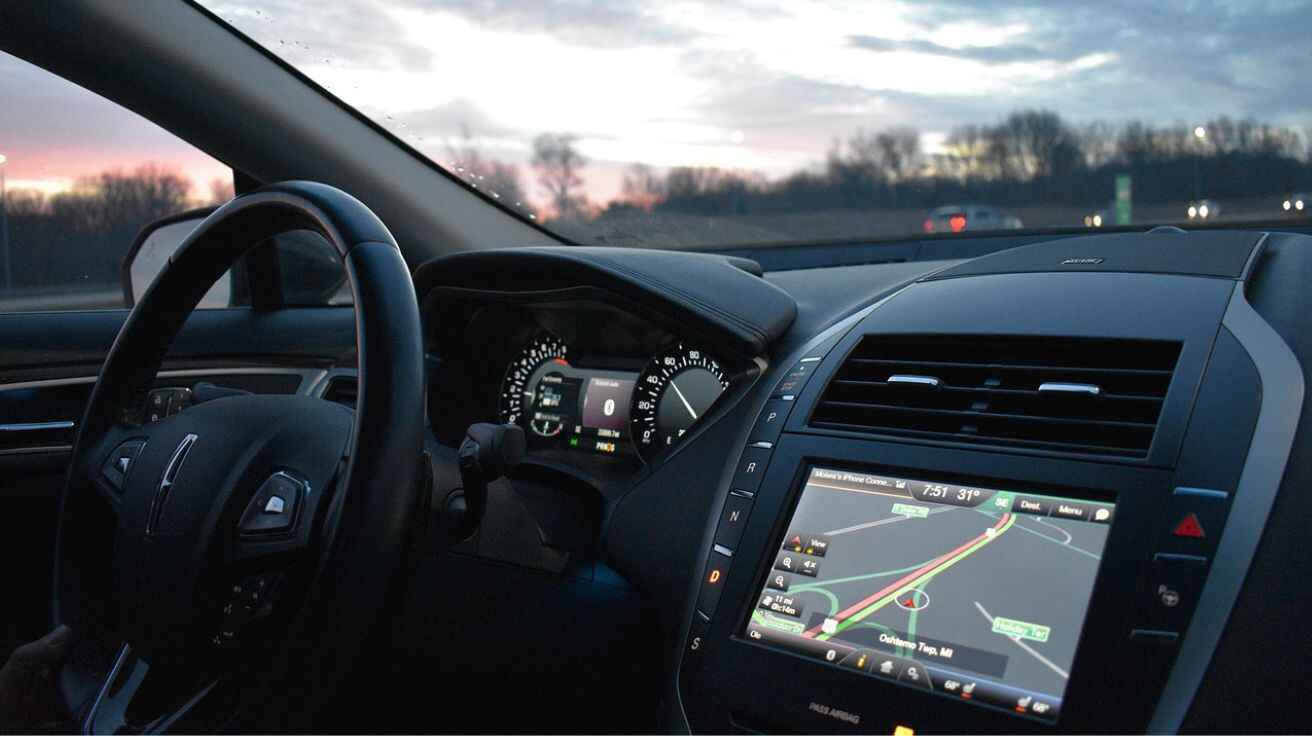
When your car overheats with the AC on, it’s typically because the AC compressor adds extra load to the engine, increasing heat production. If the cooling system is compromised—due to low coolant, a faulty radiator fan, a clogged radiator, a bad thermostat, or a failing water pump—it struggles to dissipate the additional heat, leading to overheating
Why Does My Car Overheat When the AC Is On?
When the summer heat is blazing, the last thing you want is for your car to overheat, especially when the car air conditioning (AC) is on. This issue is not only inconvenient but can also signal deeper problems with your vehicle’s cooling system.
In this article, we’ll explore why car overheats with the AC is on, common causes, practical fixes, and preventive tips to keep your engine running smoothly.
What is Engine Overheating?
Engine overheating happens when the engine’s temperature exceeds its normal range of 190°F to 220°F, often due to cooling system issues. This can lead to serious damage if not addressed promptly.
Why It Matters
Overheating can cause:
- Warped Cylinder Heads and engine misfires.
- Blown Head Gaskets, leading to leaks.
- Engine Seizure, requiring costly repairs.
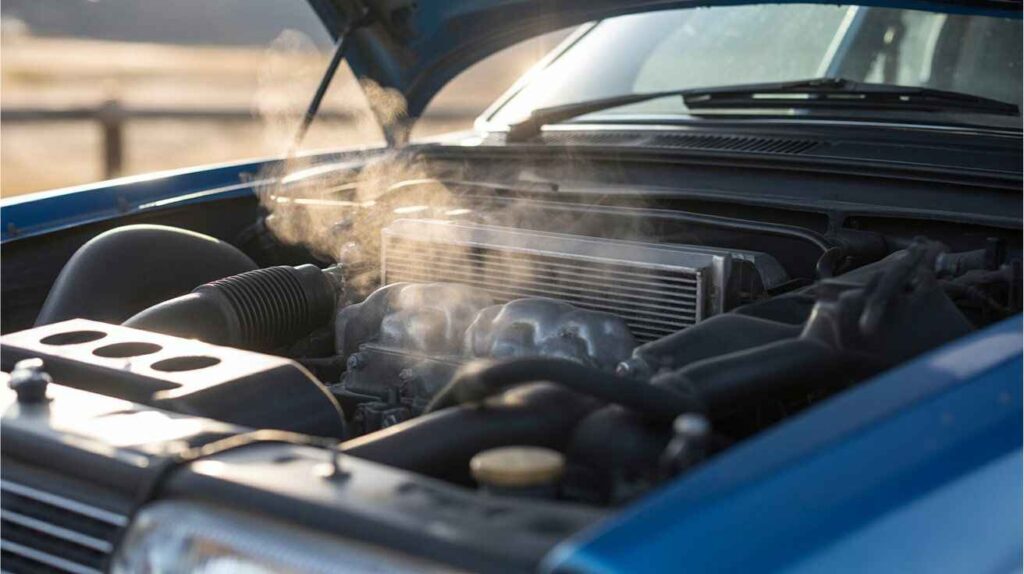
How the AC Affects Engine Temperature
When you turn on your car’s AC, the AC compressor kicks into action, drawing power from the engine. This added load increases the engine’s workload, generating extra heat.
Normally, your car’s cooling system—comprising the radiator, water pump, thermostat, and fans—manages this heat effectively.
However, if any component in the cooling system is compromised, the engine may struggle to stay cool, especially under the added strain of the AC.
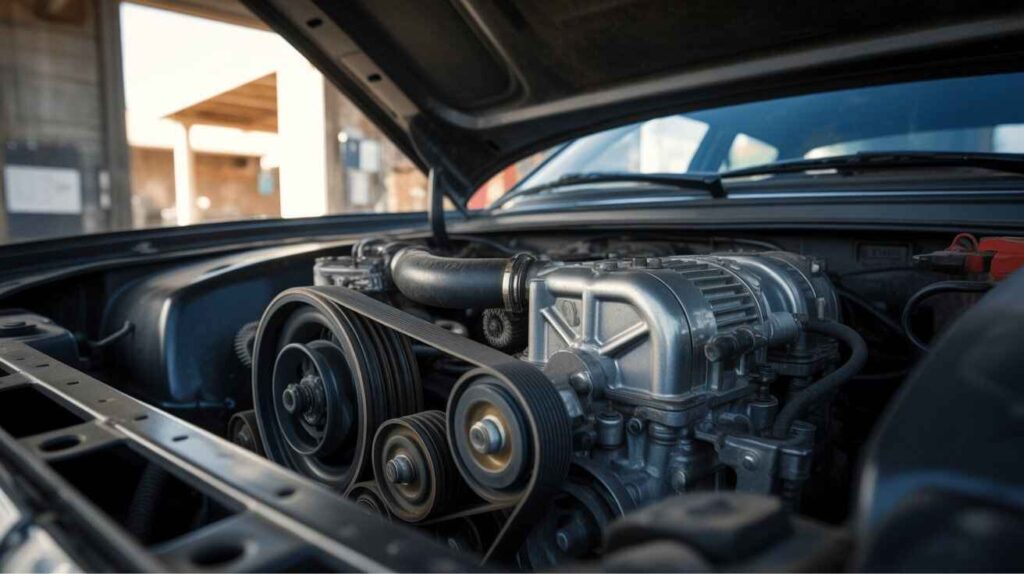
Symptoms of overheating with the AC on
It include:
- A rising temperature gauge
- Warm air blowing from the AC
- Overheating at idle or in traffic
- Warning lights on the dashboard
Understanding how the AC impacts engine temperature is the first step in diagnosing and addressing the problem.
Common Causes of Car Overheating with AC On
Several factors can cause your car to overheat when the AC is on. Here are the most common culprits:
1. Low Coolant Levels
Coolant is essential for regulating engine temperature. If the coolant level is low due to leaks or evaporation, the engine cannot dissipate heat effectively. This is one of the most frequent causes of overheating.
Solution: Check the coolant level when the engine is cool. If it’s low, top it up with the appropriate coolant and inspect for leaks.
2. Faulty Radiator or Radiator Fan
The radiator dissipates heat from the coolant, while the radiator fan ensures proper airflow, especially when the car is idling. A clogged radiator or a malfunctioning fan can lead to overheating.
Solution: Inspect the radiator for blockages and clean it if necessary. Ensure the fan is functioning properly by observing its operation when the engine is running.
3. Malfunctioning Water Pump
The water pump moves coolant through the radiator and engine.. A failing water pump can disrupt this flow, causing the engine to overheat.
Solution: Look for signs like coolant leaks near the pump or unusual noises. Replace the water pump if it’s faulty.
4. Blocked or Dirty AC Condenser
The AC condenser, located in front of the radiator, cools the refrigerant. If it’s blocked by debris, it can restrict airflow and increase engine temperature.
Solution: Clean the condenser regularly to ensure proper airflow.
5. Bad Thermostat
A thermostat that is locked in the closed position stops the coolant from moving, which makes the engine heat up quickly.
Solution: Replace the thermostat if it’s not functioning correctly. By addressing these issues, you can resolve most cases of car overheating with AC on.
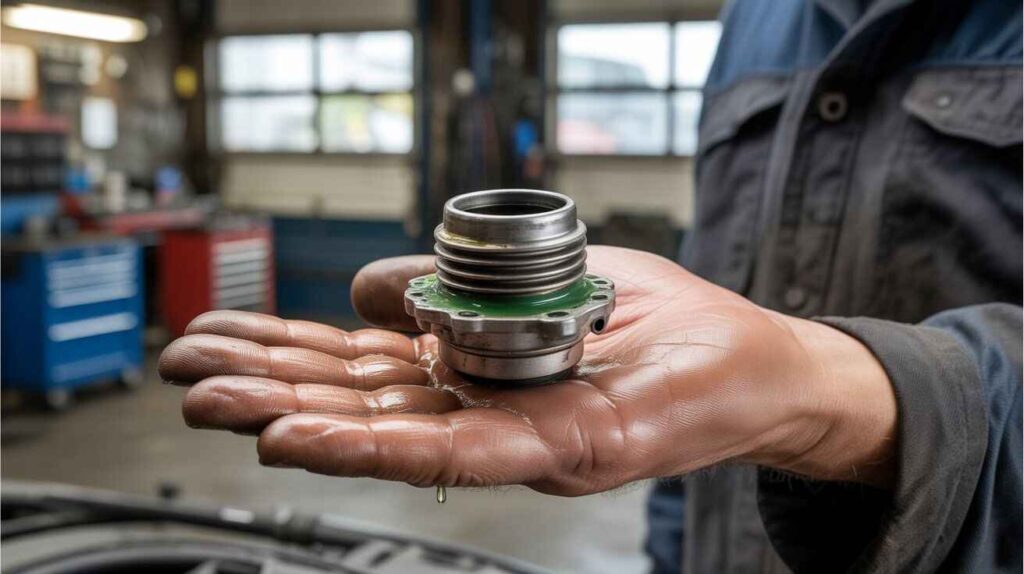
DIY Troubleshooting and Fixes
If your car overheats with the AC on, here are some DIY steps you can take to troubleshoot and fix the problem:
- Check Coolant Levels: Ensure the coolant is at the recommended level. If it’s low, add more and keep an eye out for leaks.
- Inspect the Radiator and Condenser: Look for blockages or debris and clean them using compressed air or water.
- Test the Radiator Fan: Start the engine and turn on the AC. The fan should engage. If it doesn’t, check the fan motor or relay.
- Examine Belts and Hoses: Look for wear, cracks, or looseness in the serpentine belt and coolant hoses.
- Monitor the Thermostat: If the engine overheats quickly, the thermostat may be stuck and require replacement.
These steps can help you identify and resolve minor issues before they escalate.
Preventive Maintenance Tips
Preventing overheating is easier and more cost-effective than dealing with engine damage. Here are some preventive tips to keep your car’s cooling system in top shape:
- Regularly Check Coolant Levels: Ensure the coolant is at the correct level and replace it as per your car manufacturer’s recommendations.
- Clean the Radiator and Condenser: Remove debris to maintain proper airflow.
- Inspect Belts and Fans: Check for wear and ensure all components are functioning properly.
- Schedule Routine Maintenance: Have your cooling system inspected by a professional to catch potential issues early.
By following these tips, you can avoid the frustration and expense of overheating.
FAQs
Q1: Why does my car overheat only when the AC is on?
The AC adds extra load to the engine, which can cause overheating if the cooling system isn’t functioning properly.
Q2: Can low coolant cause my car to overheat with the AC on?
Yes, low coolant prevents the engine from cooling effectively, leading to overheating, especially with the AC running.
Q3: How can I fix my car overheating with the AC on?
Check coolant levels, clean the radiator and condenser, and inspect the water pump and fans. For persistent issues, seek professional diagnostics.
Q4: Is it safe to drive when my car is overheating?
No, driving with an overheating engine can cause severe damage. Pull over, turn off the engine, and let it cool before seeking help.