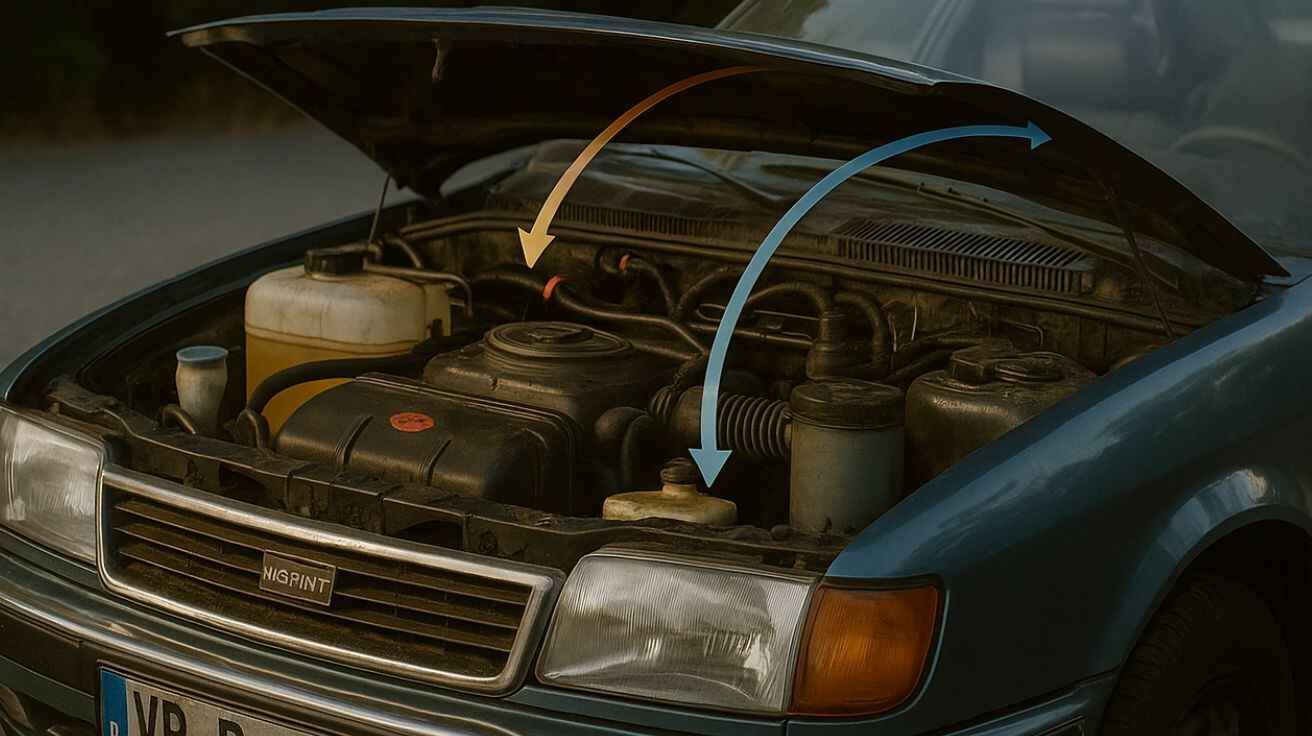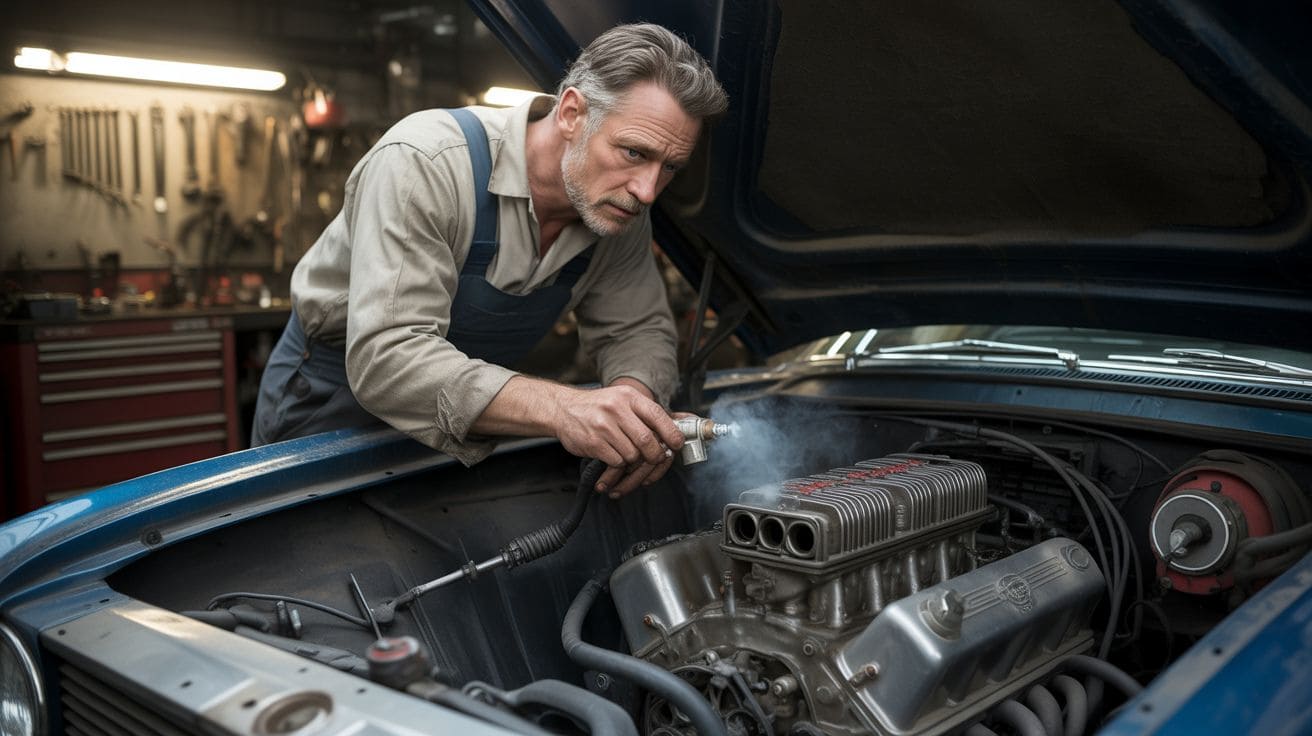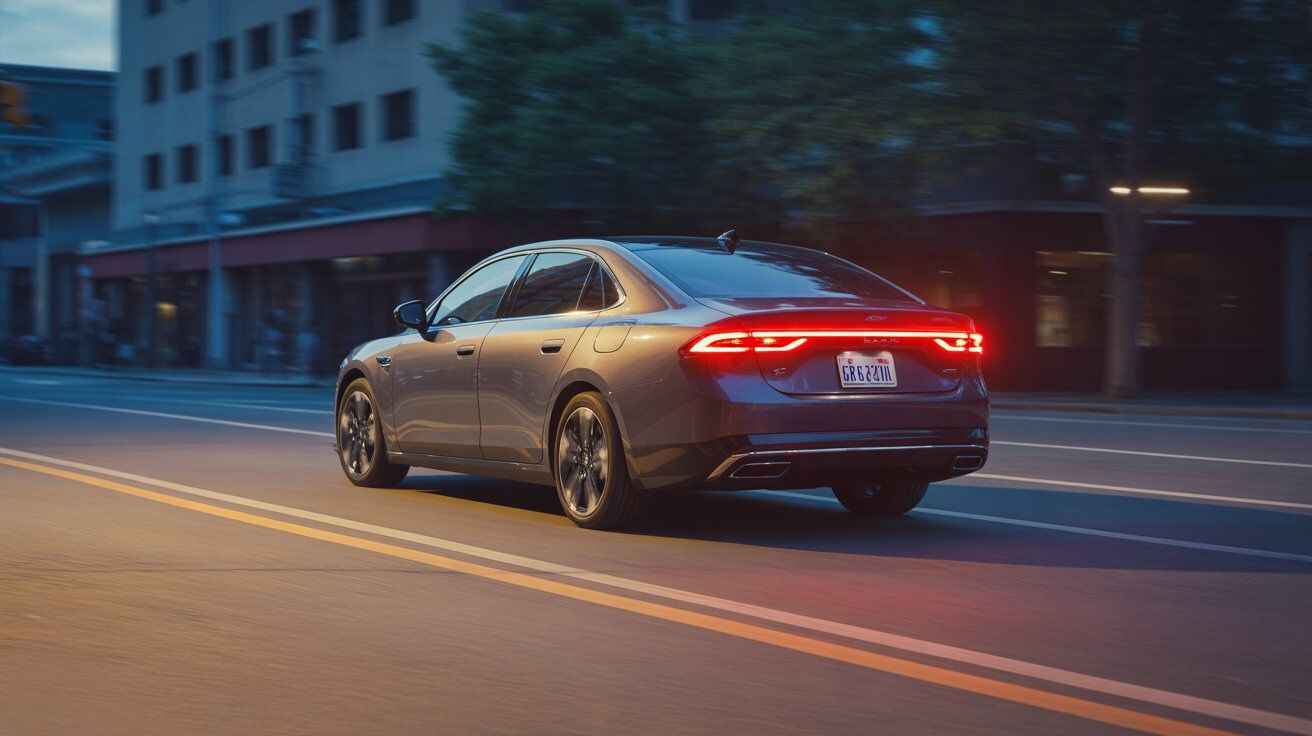
Brake noises are usually caused by worn brake pads, dampness, or debris. Grinding indicates severe pad wear, while squeaking indicates dirt or low-quality pads. Ignoring brake sounds can damage rotors and diminish braking performance.
Why does my car make a noise when I brake?
When you’re wondering, “Why does my car make a noise when I brake?”, it’s important not to ignore these sounds. Certain noises may be harmless, but others may indicate major safety hazards.
Squeaking brakes or grinding sounds when braking may indicate underlying issues that need to be addressed to prevent further damage and maintain road safety.
Common Types of Brake Noises and What They Mean
Brake noises can vary depending on the severity and type of issue with your system. Let’s look at some of the most common sounds and their causes.
Squeaking or Squealing
Cause: Worn-out brake pads, moisture, dirt, or glazing.
Squeaking or squealing brakes usually mean the brake pads are worn. Thin pads rubbing against the rotor cause the noise.
Moisture from rain or humidity can also create temporary squeaks. In some cases, low-quality pads or glazed pad surfaces are the cause.
Grinding
Cause: Metal-on-metal contact from completely worn brake pads.
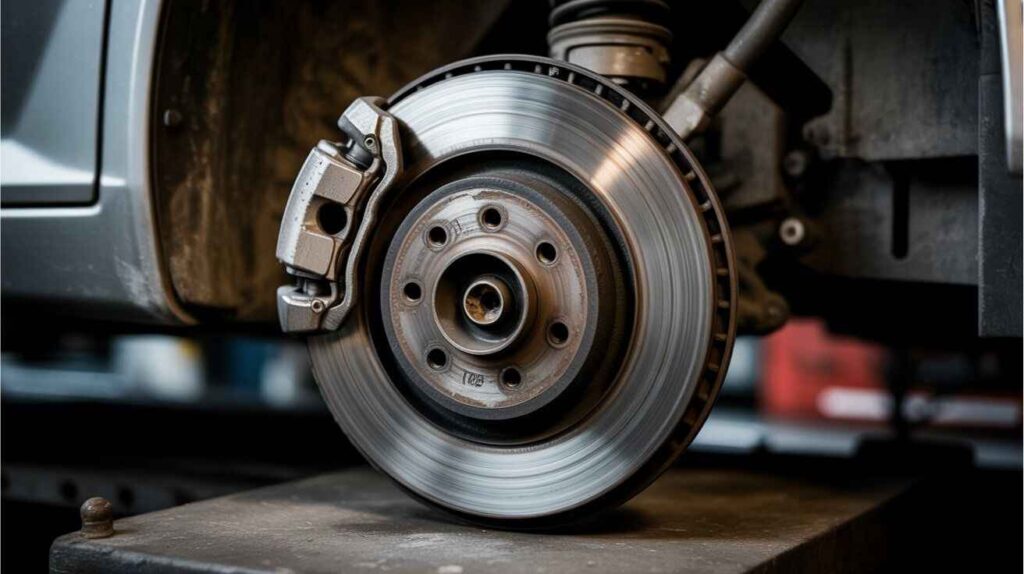
A grinding sound happens when the metal backing plate contacts the rotor due to worn brake pads. This significant condition can destroy rotors and require pricey repairs.
Thump or bump
Cause: Brake or suspension difficulties.
A thumping or bumping sound may be caused by loose or worn brake calipers or a suspension issue. Calipers and suspension issues might generate these noises, so examine them.
Whistling
Cause: Poor brake pad installation or quality.
Poorly placed brake pads or low-quality pads that don’t fit the rotor create whistling.
Grumbling
Cause: Rotor contamination, oil, grime, or warpage.
A rumbling or growling sound may indicate contaminated rotors or heat or wear-induced warping. Oil or grime on the rotors might also cause this noise.
How Brake Noises Affect Your Safety
Ignoring braking noise is dangerous. Here’s how it affects your driving:
Low Braking Performance
Reduced friction from worn pads or damaged rotors makes stopping difficult, especially in emergencies.
Increased Stopping Distance
Worn brake pads or warped rotors increase stopping distances and high-speed collision risk.
Other Component Damage
Calipers, rotors, and wheel bearings can be damaged by severe wear and neglect. Ignoring brake noises can cost you.
When to Act Immediately
If you hear grinding or vibrations, respond quickly. These significant challenges need prompt attention. Squeaking or whistling may not be urgent, but they should be treated to prevent harm.
How to Diagnose Brake Noise at Home
| Step | What to Do | What It Indicates |
|---|---|---|
| Visual Inspection | Check brake pads, rotors, and fluid levels | Worn parts or possible leak |
| Brake Pad Test | Listen for squeaking while braking | Moisture or worn pads |
| Brake Rotor Test | Listen for grinding, feel vibrations | Warped or damaged rotors |
| Brake Fluid Test | Check fluid level and condition | Fluid issue or system fault |
| Suspension & Caliper Check | Inspect for looseness or damage | Loose or worn components |
Common Causes of Brake Noise and How to Fix Them
Brake noise is often caused by specific issues that require attention. Here’s a breakdown of common causes and how to fix them:
Worn Brake Pads
Cause: Normal wear or buildup of debris.
Fix: Replace the brake pads with high-quality replacements suited to your vehicle. Avoid low-cost pads that can wear out quickly and cause noise.
Warped or Damaged Rotors
Cause: Excessive heat or wear.
Fix: Resurface or replace the rotors. Ensure that the lug nuts are tightened correctly to avoid warping.
Bad Brake Calipers
Cause: Faulty or seized calipers can cause uneven braking.
Fix: Replace any faulty calipers and ensure they are properly lubricated.
Low Brake Fluid
Cause: Leaks or natural wear.
Fix: Refill the brake fluid to the correct level and check for any leaks in the system.
Suspension Issues
Cause: Worn-out suspension components causing odd thumping noises.
Fix: Inspect and replace any suspension parts as needed.
When to See a Mechanic for Brake Noise
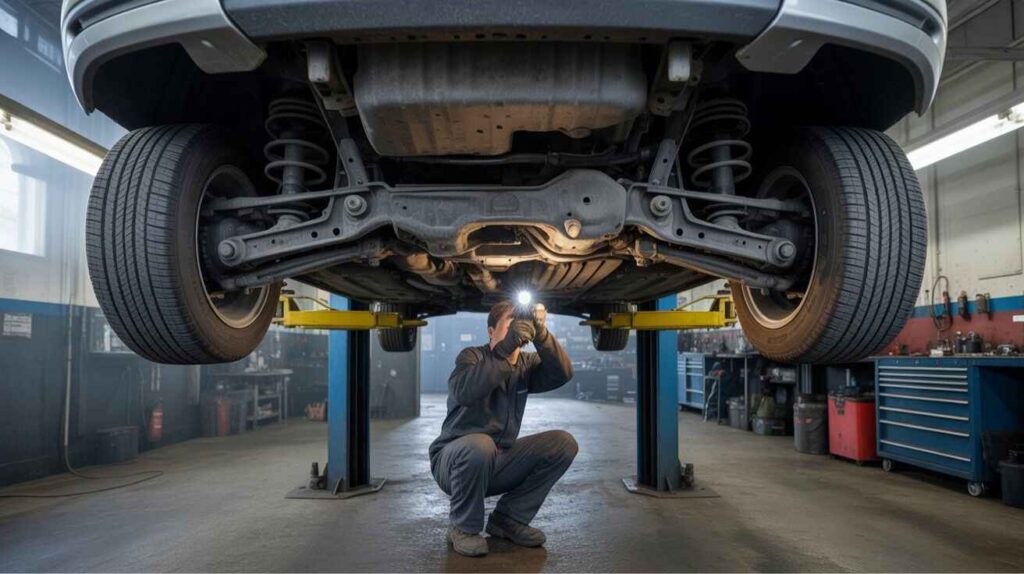
If you hear any of these noises or experience these issues, it’s time to see a professional mechanic:
- Grinding Sounds: Indicates metal-on-metal contact—requires immediate replacement of brake pads.
- Vibrations or Pulsations: May signal warped rotors or other serious issues that need professional repair.
- Spongy Brake Pedal: Could indicate air in the brake lines—requires professional inspection.
- Brake Fluid Issues: Leaks or low fluid levels should be addressed to avoid brake failure.
Preventing Brake Noise with Regular Maintenance
The best way to prevent brake noise is through regular maintenance:
- Brake Fluid Maintenance – Check and replace brake fluid regularly for smooth braking.
- Avoid Aggressive Braking – Gentle braking reduces wear and noise.
- Regular Brake Inspections – Inspect brakes every 20,000–30,000 miles for wear and damage.
- Quality Parts – Use vehicle-specific, high-quality pads and rotors.
- Debris Removal – Clean brakes to remove dirt and moisture that cause noise.
FAQs
Why does my car squeak when I brake?
A. It’s often due to worn-out brake pads or moisture. Sometimes low-quality pads cause this issue too.
What is the most serious brake noise?
A. Grinding is the most serious brake noise, often indicating metal-on-metal contact and requiring immediate attention.
Can I drive with grinding brakes?
A. No, grinding brakes indicate that the pads are worn down completely and can damage the rotors. You should replace them immediately.