A weak car horn is often due to low voltage, a bad ground, or corroded wiring. It may also be due to a failing horn unit, weak battery, faulty fuse, relay, or clock spring.
Why Does My Car Horn Sound Matters
If you press the horn and only hear a faint squeak instead of a loud blast, it’s a sign something’s wrong. A horn is a safety tool, and a weak horn can stop you from warning drivers, pedestrians, or cyclists in emergencies. Reduced sound output means higher risk on the road.
Car Horn Checklist
| Step | What to Do | Key Insight |
|---|---|---|
| 1 | Inspect horn fuse | Blown fuse = no/weak sound |
| 2 | Listen for relay click | No click = bad relay |
| 3 | Check horn ground | Corrosion = weak signal |
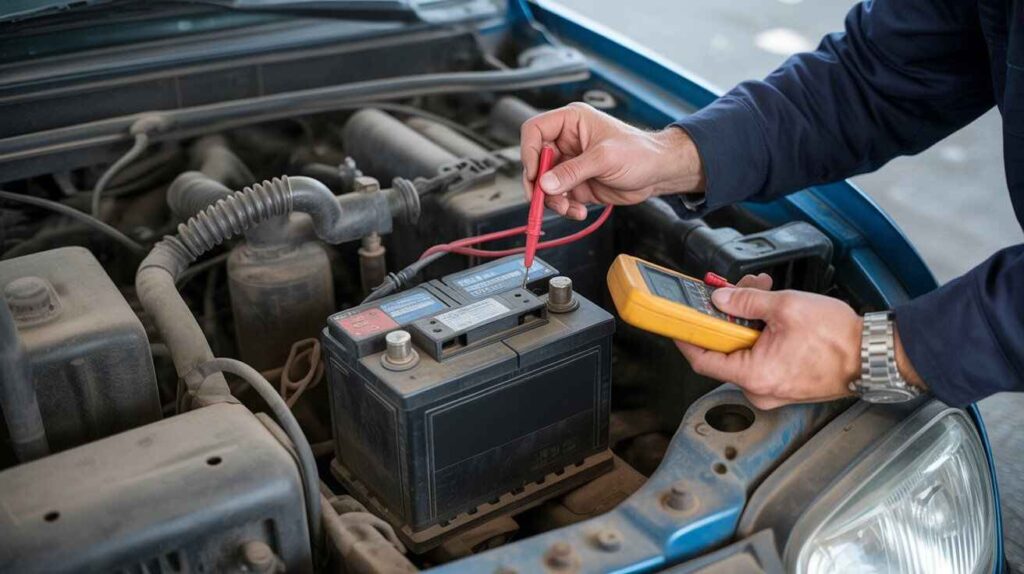
| 4 | Test voltage with multimeter | Low voltage = wiring/ battery issue |
| 5 | Swap relay | Confirms faulty relay |
| 6 | Test horns individually | One horn dead = tone mismatch |
| 7 | Press horn while turning wheel | Works only in positions = clock spring issue |

How Car Horns Work
Most cars use an electromagnetic horn powered by the battery. Pressing the horn switch sends current through a fuse and relay, activating a vibrating plate that vibrates to create sound. Reduced sound output means higher risk on the road.
Why Horns Get Weak
If any part of the circuit fails, you get a weak or faint horn. A blown fuse cuts power completely, while a bad relay reduces voltage.
Wiring and Ground Issues
Corroded wiring or a poor ground connection increases resistance, making the horn sound weaker than normal.
Horn Wear and Damage
The horn itself can fail—its diaphragm wears out over time or gets damaged by dirt and water.
Battery Problems
Since horns rely on the battery, low voltage can make the sound muffled or intermittent, signaling the system needs attention.
Types of Car Horns and Their Sound Differences
Types of Car Horns are as follows:
- Electromagnetic horns: The most common, compact, and reliable. These are the ones most likely to sound weak due to wiring or relay issues.
- Air horns: Found on trucks, buses, and aftermarket kits. They rely on compressed air, so leaks or clogs can cause a faint tone.
- Disc horns vs. trumpet horns: Disc horns are smaller and higher pitched, while trumpet horns produce a deeper sound. Weakness in either type often points to diaphragm wear.
- Dual-tone horns: Many modern cars use two horns—high and low pitch. If one fails, the overall sound becomes quieter or oddly flat.
Common Causes of a Weak Car Horn
1. Blown or Corroded Fuse
The simplest cause of a weak horn is a blown fuse. A fuse protects the circuit from surges, and when it fails, the horn may stop working or sound faint before dying. Replacing the horn fuse is cheap and should be your first step.
2. Bad Horn Relay
The horn relay bridges the low-voltage switch and the high-voltage horn. A weak relay means the horn doesn’t get full power, creating a soft or inconsistent tone. Luckily, a relay swap is both cheap and easy.
3. Poor Grounding or Corroded Wiring
A bad ground is one of the most overlooked issues. If the mounting point rusts, resistance builds and the horn loses volume. Cleaning or tightening the connection often restores full sound strength.
4. Faulty Horn Unit or Damaged Vibrating Plate
Sometimes the horn itself is the culprit. Moisture, dirt, or road salt can damage the vibrating plate (diaphragm), making the horn muffled. While cleaning may help, replacement is usually the best fix.
5. Clock Spring or Horn Switch Failure
The horn switch connects through the clock spring in the steering wheel. When it wears out, the horn may work intermittently or sound weak depending on wheel position. This usually requires professional repair.
6. Weak Battery or Low Voltage
A horn that’s quiet when the engine is off often points to a weak battery or alternator issue. Since horns need instant power, low voltage makes them sound quieter than normal.
7. Dual Horn Tone Mismatch
Many vehicles use two horns. If one fails, the other produces a partial tone that sounds faint or odd. Testing each horn individually confirms if one has stopped working.
How to Repair a Weak Car Horn
Electrical Repairs
- Replacing the Battery: If the horn is weak along with dim headlights or slow cranking, test the battery. A replacement restores proper voltage.
- Repairing or Replacing Faulty Wiring: Check for frayed, corroded, or broken wires. Cleaning or re-soldering connections often fixes intermittent horn issues.
- Changing the Horn Relay: Relays are cheap and easy to swap in the fuse box. If you hear clicking but the horn is faint, a relay replacement may solve it.
Mechanical Repairs
- Cleaning the Horn: Remove the horn and clear out rust or debris. Dirt inside the vibrating chamber can weaken the sound.
- Replacing Damaged Parts: If cleaning doesn’t help, replace the horn unit. Most modern horns are affordable and easy to install.
- Realignment of Horn Components: A loose or misaligned horn won’t vibrate properly. Tightening bolts and setting the right position can restore full sound.
Repair Costs
| Repair Item | Estimated Cost |
|---|---|
| Fuse | <$10 |
| Relay | $10 – $50 |
| Horn unit | $20 – $120 |
| Clock spring | $80 – $300+ |
| Wiring repair | $50 – $200+ (labor) |

Maintenance Tips
- Test your horn regularly.
- Keep connections clean and dry.
- Avoid spraying water directly behind the grille.
- Check battery condition during routine service.
FAQs
Q1.Why does my car horn sound weak after rain?
Moisture causes corrosion or muffles the horn.
Q2.Can a weak battery make my horn quiet?
Yes, low voltage makes the horn sound soft.
Q3.Is it legal to drive with a weak car horn?
No, most regions require a loud, working horn.