The car hesitates when you accelerate because the engine isn’t getting enough fuel, air, or spark for smooth combustion. This is often caused by a clogged fuel filter, bad spark plugs, or a dirty air or MAF sensor.
What Does Hesitation When Accelerating Look Like?
When your car hesitates during acceleration, it often feels like a pause or stumble right after you press the gas pedal. You might notice a slight delay before the car picks up speed, or the engine may stutter briefly from a standstill.
In some cases, the car may even lose power under load, especially when climbing a hill or merging onto a highway.
This kind of hesitation differs from a complete engine misfire or power loss, which causes the car to jerk violently or stall entirely. With hesitation, the vehicle still moves but lacks a smooth, immediate response.
Common Causes of Car Hesitation During Acceleration
Fuel System Issues
A clogged fuel filter can block gasoline from reaching the engine properly. When that happens, the engine starves for fuel, causing hesitation under load or while driving uphill.
Replacing the filter every 20,000–30,000 miles helps maintain consistent fuel pressure.
A failing fuel pump is another major cause. When the pump can’t deliver enough pressure, you’ll notice stuttering or lag as the car accelerates.
If your car struggles at higher speeds or takes longer to start, have a mechanic test fuel pressure.
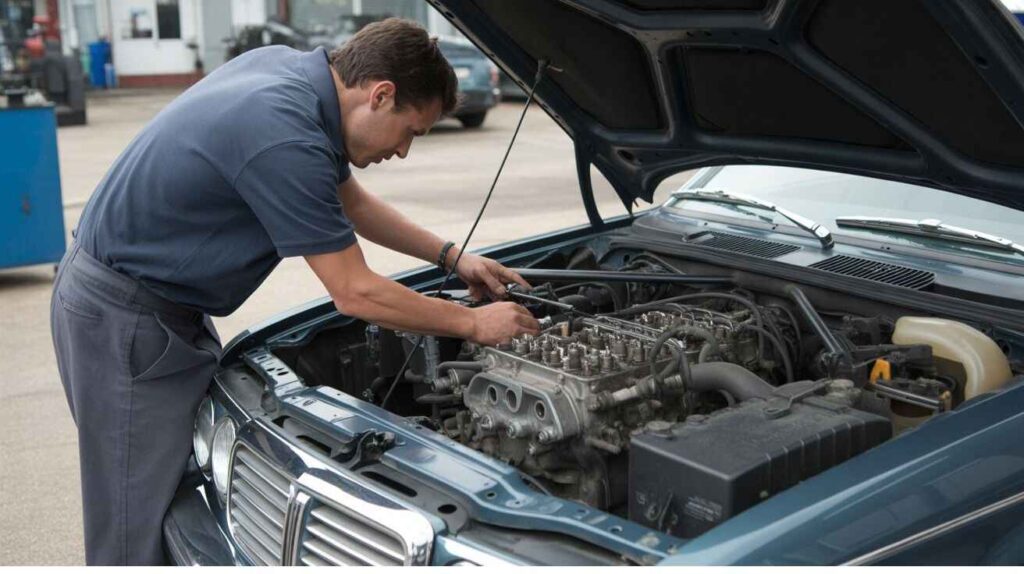
Ignition System Problems
Worn spark plugs are a frequent culprit behind hesitation. Old plugs can’t ignite the air-fuel mix properly, leading to weak combustion and sluggish acceleration.
Replacing them restores smooth performance. Likewise, a faulty ignition coil can cause one or more cylinders to misfire.
When that happens, your car may jerk or hesitate, especially when accelerating from a stop.
Air Intake Issues
A dirty air filter restricts airflow, forcing the engine to work harder and reducing throttle response. Cleaning or replacing it improves both power and fuel economy.
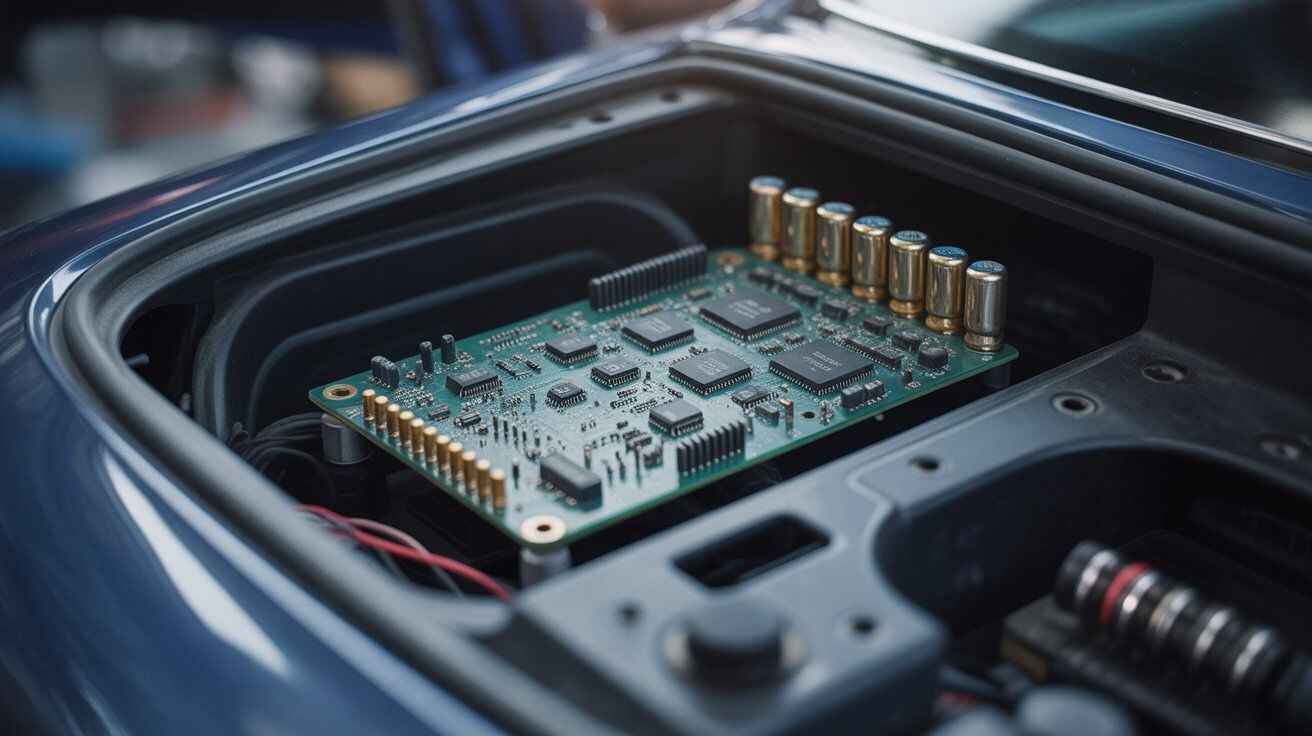
Another overlooked cause is a faulty mass air flow (MAF) sensor, which measures how much air enters the engine. When it gives wrong readings, the engine runs lean or rich, causing rough or delayed acceleration.
How to Diagnose the Car Hesitation During Acceleration
Listening to Engine Sounds
Start by listening to engine sounds. Sputtering or knocking noises often mean fuel or ignition system issues.
Checking Dashboard Lights
Check dashboard lights—if the check engine light is on, use an OBD-II scanner to read error codes.
Observing RPM Levels
Watch the RPM gauge as you accelerate. If the needle jumps or drops erratically, you may have a transmission slipping or fuel-delivery problem.
These basic checks help narrow down the cause before spending money on repairs.

Potential Solutions and Remedies
Fuel System Maintenance
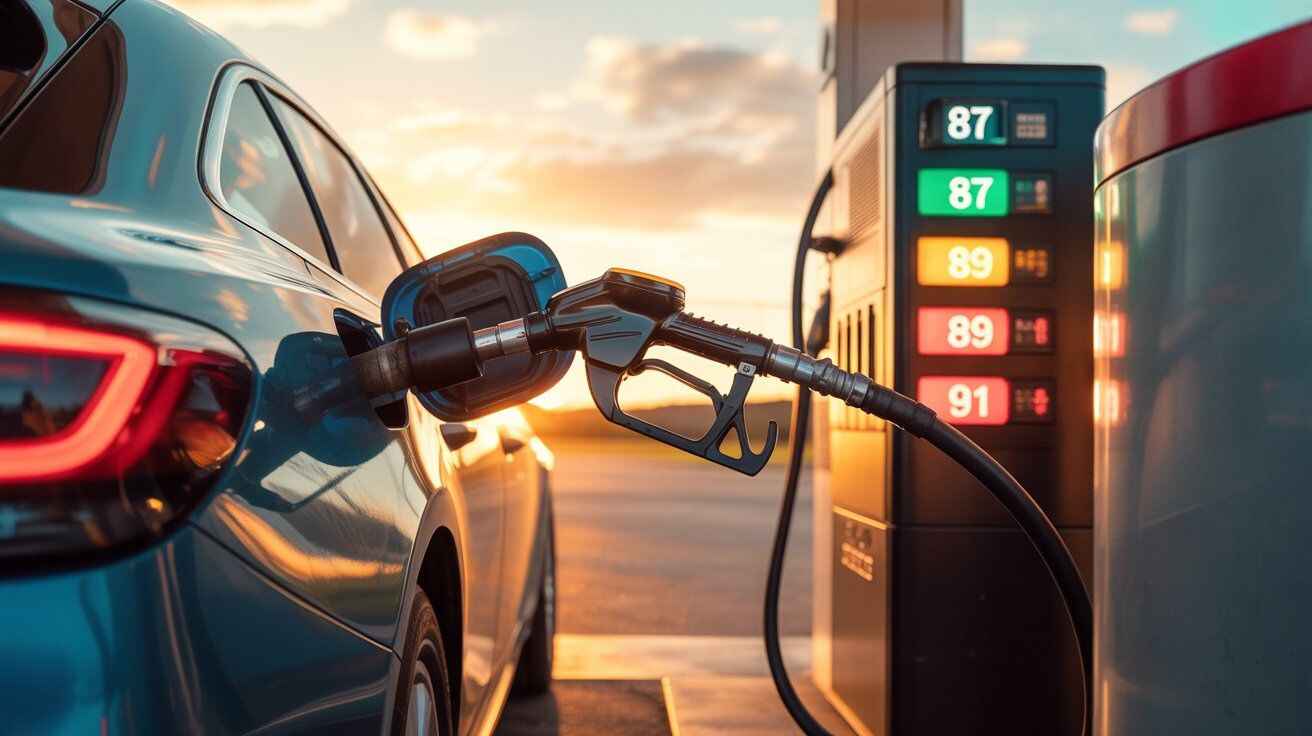
Begin with simple maintenance. Change your fuel filter regularly and use a quality fuel system cleaner. Check the fuel pump for pressure issues if hesitation continues.
Ignition System Repairs
Replace spark plugs and ignition coils if they’re worn out—they’re inexpensive yet vital for clean combustion.
Air Intake Maintenance
For the air intake, clean or replace the air filter and inspect the MAF sensor for dirt buildup. These easy fixes often resolve hesitation without expensive repairs, improving both acceleration and mileage.
When It’s Safe to Drive, and When It’s Not
If hesitation is mild and the car still responds, it’s safe to drive short distances—but avoid heavy traffic or high speeds. Stop driving immediately if there’s severe power loss, engine shaking, or transmission slipping. Minor fixes cost under $150; major repairs like a fuel pump can exceed $1,000.
Fixes & Preventive Maintenance Car Hesitation When Accelerating
Step 1: Replace the Fuel Filter
- A clogged fuel filter restricts gasoline flow, causing hesitation or poor throttle response.
- Replace it every 20,000–30,000 miles or as recommended in your owner’s manual.
Step 2: Use a Fuel System Cleaner
- Add a fuel injector cleaner to your gas tank every few months.
- It removes deposits and keeps fuel lines clear for smooth acceleration.
Step 3: Check Spark Plugs and Ignition Coils
- Worn spark plugs or faulty ignition coils cause weak combustion and engine misfires.
- Replace them if the engine stutters or hesitates under load.
Step 4: Clean or Replace the Air Filter
- A dirty air filter reduces airflow and affects the air-fuel mixture.
- Cleaning or replacing it improves performance and fuel economy.
Step 5: Inspect the Mass Air Flow (MAF) Sensor
- A malfunctioning MAF sensor can send inaccurate readings to the engine computer.
- Gently clean it with MAF-safe spray or replace it if readings are off.
Step 6: Schedule Regular Tune-Ups
- Regular maintenance keeps your car’s fuel, ignition, and air systems working efficiently.
- Tune-ups every 6–12 months prevent hesitation before it starts and extend engine life.
When to Seek Professional Help
If you’ve tried basic fixes and your car still hesitates when accelerating, consult a professional. Mechanics can run fuel pressure, sensor, and ignition diagnostics to pinpoint the root cause. Timely repairs prevent breakdowns, protect your engine, and keep your car running safely and efficiently.
FAQs
Q1. Can a dirty air filter cause hesitation?
Yes, restricted airflow prevents proper combustion, causing lag.
Q2. What are the signs of a failing fuel pump?
Hesitation under load, sputtering, and hard starts.
Q3. Should I drive if my car hesitates when I accelerate?
Only for short distances—serious hesitation can cause engine or transmission damage.
Q4. How can I prevent hesitation?
Perform regular tune-ups, change filters, and use clean fuel.