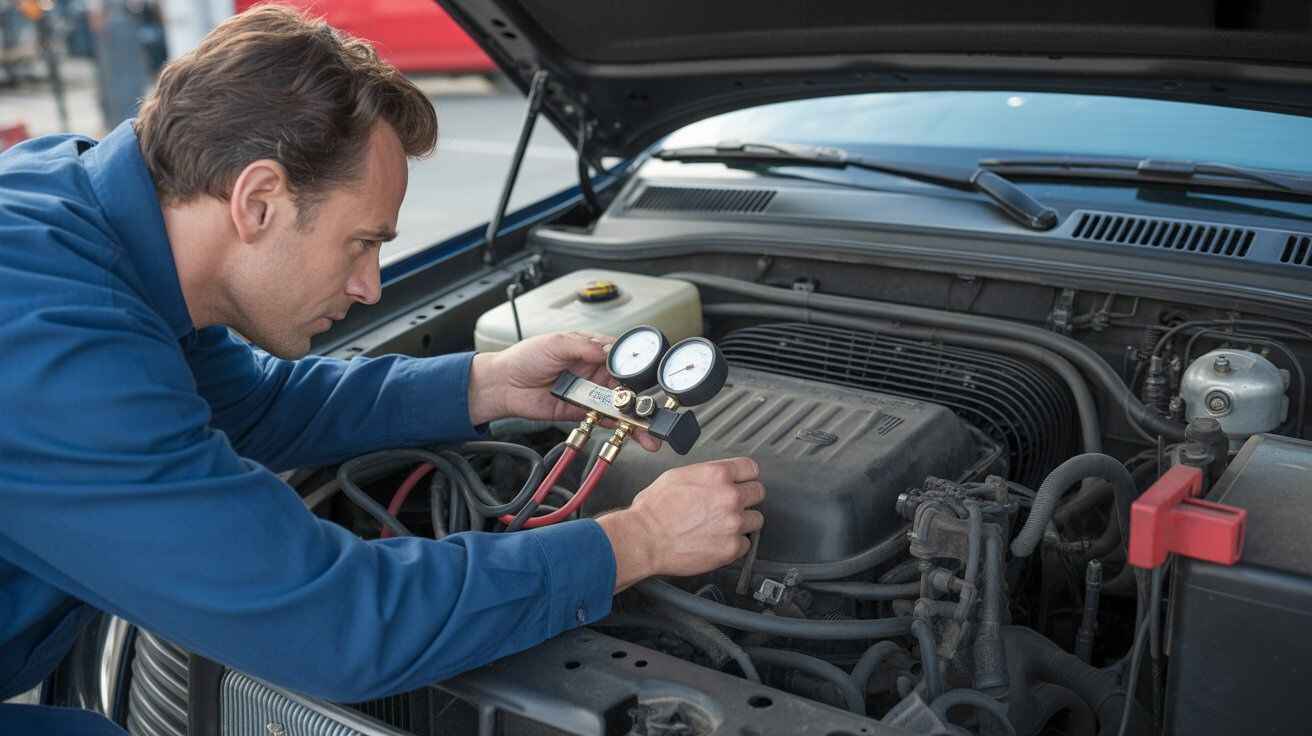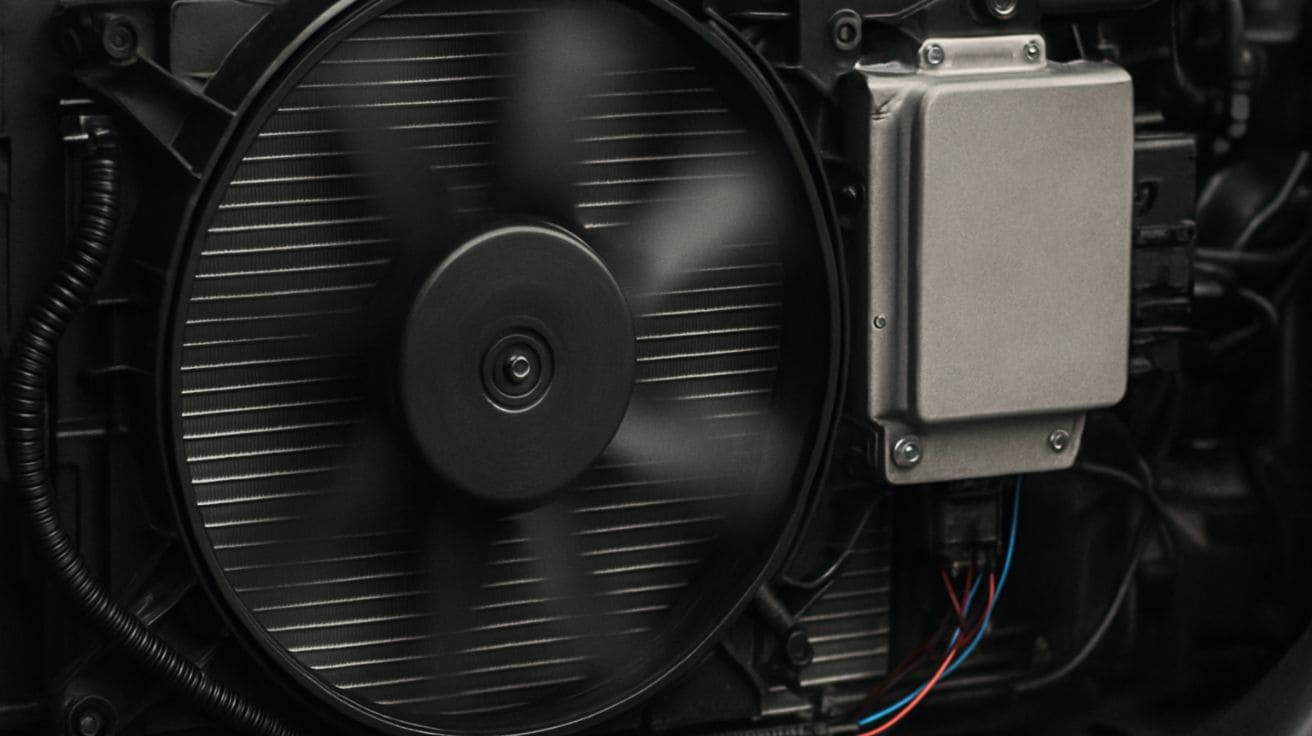
Your car fan may keep running due to normal post-run cooling (1–3 minutes), but if it continues longer, it could mean a faulty sensor, stuck relay, wiring issue, or engine overheating that needs inspection.
Is It Normal for the Car Fan to Keep Running?
Yes and no. The cooling fan may run for 1–3 minutes after shutdown to prevent overheating, especially after heavy driving or AC use. This post-run cooling is normal and protects the engine.
However, if the fan runs every time or continues for over 5 minutes, it could point to a faulty sensor, stuck relay, or abnormal heat. Brief fan noise is fine, constant running needs inspection to avoid battery drain or engine damage.
How the Cooling Fan System Works
The cooling fan helps regulate engine temperature by moving air across the radiator to cool heated coolant. In modern cars, electric fans are managed by the ECU, which uses input from the coolant temperature sensor and may also trigger the fan when the AC condenser is active.
Older vehicles rely on a fan clutch attached to the water pump. If parts like the relay, wiring, or motor fail, the fan may run at the wrong times. Knowing how the system works makes it easier to spot what’s normal vs. a fault.
Normal “After-Run” Cooling Explained
After-run cooling happens when the fan runs for 1–3 minutes after shutdown to manage residual heat or cool the AC condenser. This is normal and protects the engine.
But if the fan runs over 5 minutes, it may indicate a stuck relay, bad sensor, or coolant issue. Simply put, short after-run is normal extended running means a fault.
Quick DIY Checks
| Check | What to Do | What It Tells You |
|---|---|---|
| Coolant Level | Inspect reservoir markings when engine is cool | Low level may mean a coolant leak or circulation problem |
| Temperature Gauge | Watch gauge during normal driving | High reading suggests engine overheating symptoms |
| Fan Run-On Time | Time how long fan runs after shutdown | 1–3 min is normal; longer may mean bad relay or faulty sensor |
| Fuses & Relays | Swap with a similar relay in fuse box | Confirms if a cooling fan relay is stuck |
| Wiring & Connections | Look for corrosion or loose plugs near fan motor | Irregular signals could point to wiring issues or fan motor failure |
Diagnosing the Issue For Car Fan Keeps Running
Visual Inspection
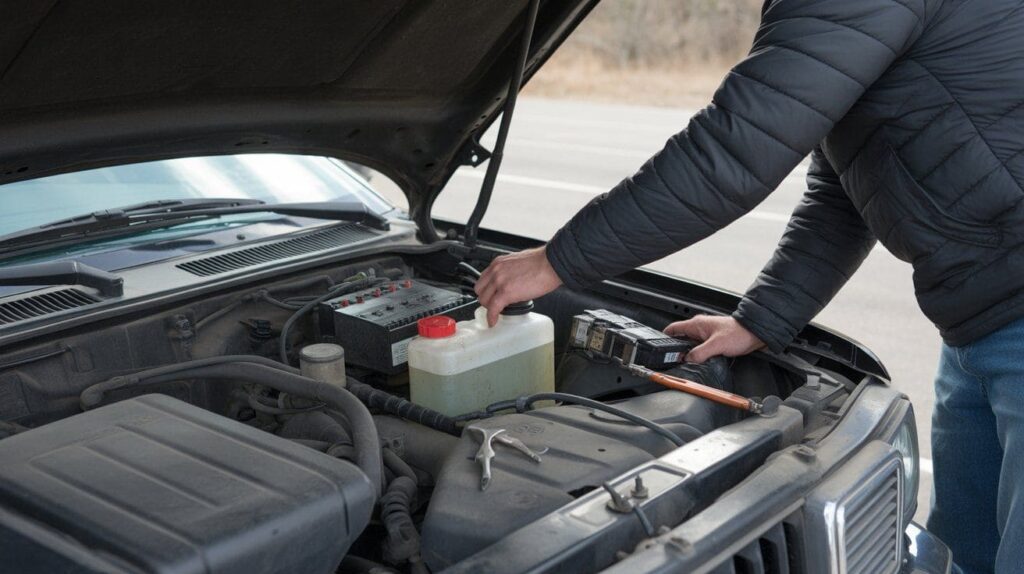
A simple visual check can reveal a lot. Look for cracked hoses, coolant leaks, or corrosion around connectors.
Watch the fan blades: do they wobble or make grinding noises? Check the relay box for signs of burning or melted plastic. Even a glance at the fan clutch in older vehicles can reveal wear.
Checking Diagnostic Codes
For precise answers, use an OBD-II scanner. Common codes like P0480 or P0481 indicate fan control circuit malfunctions.
These codes often point to a bad relay, faulty sensor, or ECU command issue. If your check engine light related to cooling fan is on, scanning is the fastest way to narrow down the cause.
7 Common Reasons the Car Fan Keeps Running
1.Faulty Coolant Temperature Sensor
If the sensor reports a higher-than-actual temperature, the ECU will keep the fan running. A failing sensor can trigger codes like P0480 or cause the check engine light related to cooling fan to appear.
2.Stuck Fan Relay or Control Module
A bad fan relay is one of the most common culprits. When the relay gets stuck, it sends constant power to the fan, even when the engine is off.
3.Thermostat Failure or Coolant Circulation Issues
A thermostat stuck closed prevents coolant from flowing properly, causing overheating and continuous fan operation.
4.A/C Condenser and HVAC Load
The AC condenser fan often engages with the air conditioning. If you recently parked after using AC, the cooling fan running after engine off may be tied to HVAC demand.
5.Fan Clutch Issues in Older Vehicles
On older models with mechanical systems, a fan clutch failure can cause the fan to spin excessively, even when it’s not needed.
6.Low Coolant Level or Leak
If the coolant is low, the engine runs hotter, prompting the ECU to keep the radiator fan running. This often indicates a coolant leak.
7.Wiring Issues, Electrical Problems, or Fan Motor Failure
Damaged wiring, corroded plugs, or a failing fan motor can create irregular signals that trick the system into running the fan nonstop.
Solutions and Repairs
Replacing the Temperature Sensor
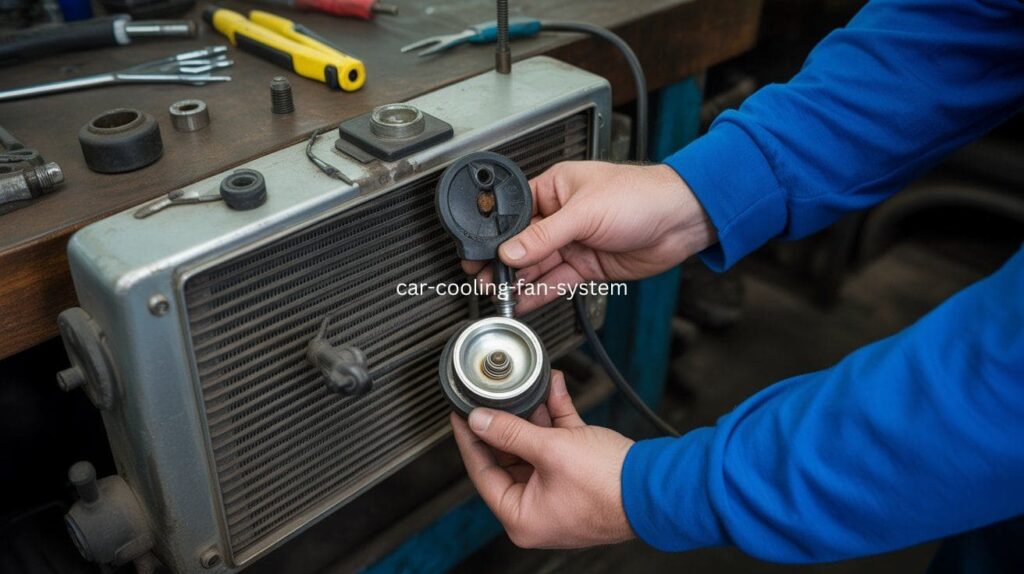
If the sensor fails, it often keeps the fan running. Replacing it usually requires a wrench set, new sensor, and coolant top-up. Disconnect the car battery, remove the faulty sensor, and install the new one.
Fixing the Relay Switch
A stuck relay can be swapped out in minutes. Relays are inexpensive, usually under $30. Locate the relay box, pull the faulty relay, and insert a new one of the same rating.
Professional Help
If you’re still wondering why does my car fan keep running after replacing simple parts, seek professional help. Mechanics can run advanced diagnostics on ECU signals, test for fan motor failure, or spot hidden wiring issues.
How to Test & Diagnose
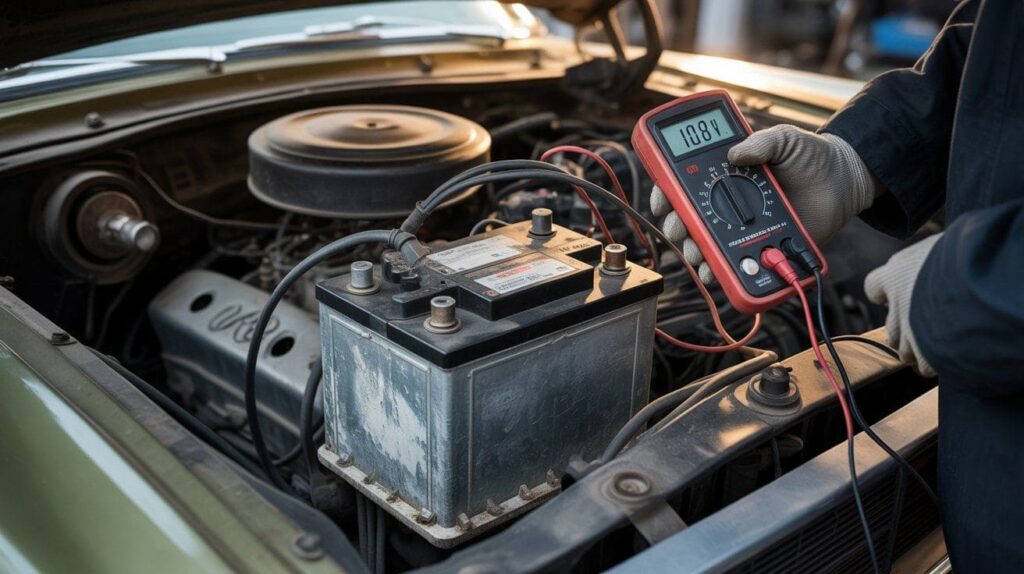
More advanced tests involve a multimeter. You can measure voltage at the fan motor to see if power continues after shutdown. If the relay clicks but the fan stays on, it’s likely a relay switch problem. Bench-testing the fan motor itself confirms if it’s shorted internally.
Typical Fixes and Estimated Costs
| Repair / Part | Estimated Cost (Parts + Labor) |
|---|---|
| Coolant Temperature Sensor | $50 – $200 |
| Cooling Fan Relay Switch | $20 – $100 |
| Cooling Fan Motor | $150 – $400 |
| Fan Clutch (older vehicles) | $100 – $300 |
Preventive Measures
- Regular coolant flush every 2–3 years.
- Inspect hoses and wiring.
- Replace the thermostat proactively.
- Annual inspection keeps fan clutch issues and electrical problems from escalating.
FAQs
Q1: Will a constantly running fan drain my battery?
A: Yes, prolonged fan activity can cause battery drain.
Q2: How long should the radiator fan keep running?
A: One to three minutes is normal; longer suggests issues.
Q3: Can the AC make the fan run longer?
A: Yes, the AC condenser fan often stays on briefly after shutdown.