Car may downshift hard due to low or dirty transmission fluid, worn clutch parts, faulty solenoids, or torque converter issues. These problems disrupt smooth gear changes, causing jerks or thuds when slowing down. Neglecting hard downshifting may eventually lead to transmission damage.
Why Does My Car Downshift Hard?
Have you ever felt your car jerk when slowing down and wondered, why does my car downshift hard?
That sudden jolt is called hard downshifting.
Not fixing the problem may eventually harm your transmission. In this guide, we’ll explain the main causes, diagnosis methods, symptoms, fixes, and prevention tips to keep your car running smoothly.
How to Diagnose Hard Downshifting
If you are diagnosing hard downshifting, here are some key points:
1.Check Transmission Fluid
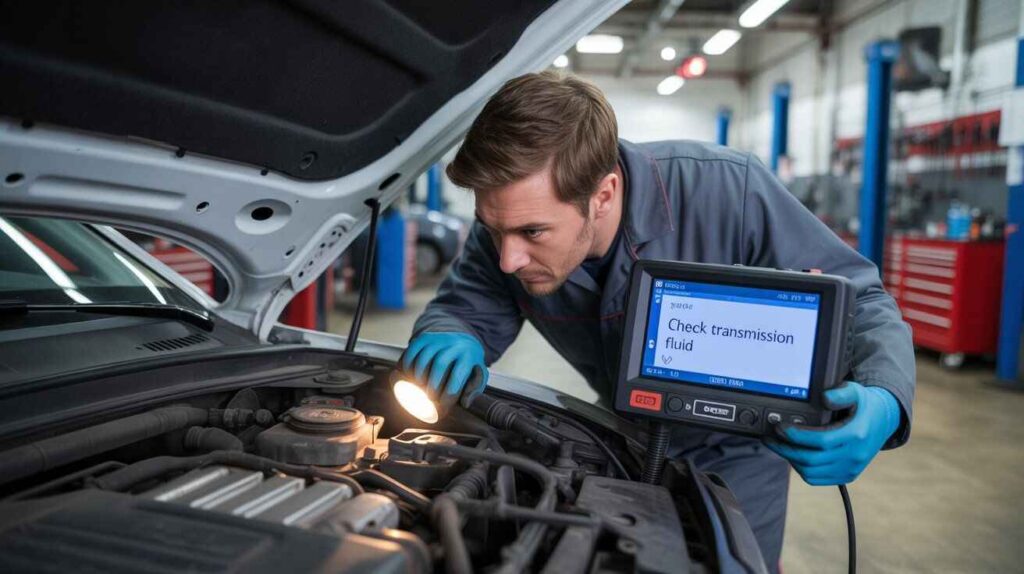
Low or dirty fluid often causes jerky shifts. A dipstick can be used to inspect both the level and condition of the fluid. Changing worn or burnt transmission fluid can make shifting gears smoother.
2.Test Drive the Vehicle
Notice if the car jerks or thuds when slowing down. These signs usually point to transmission issues that need attention.
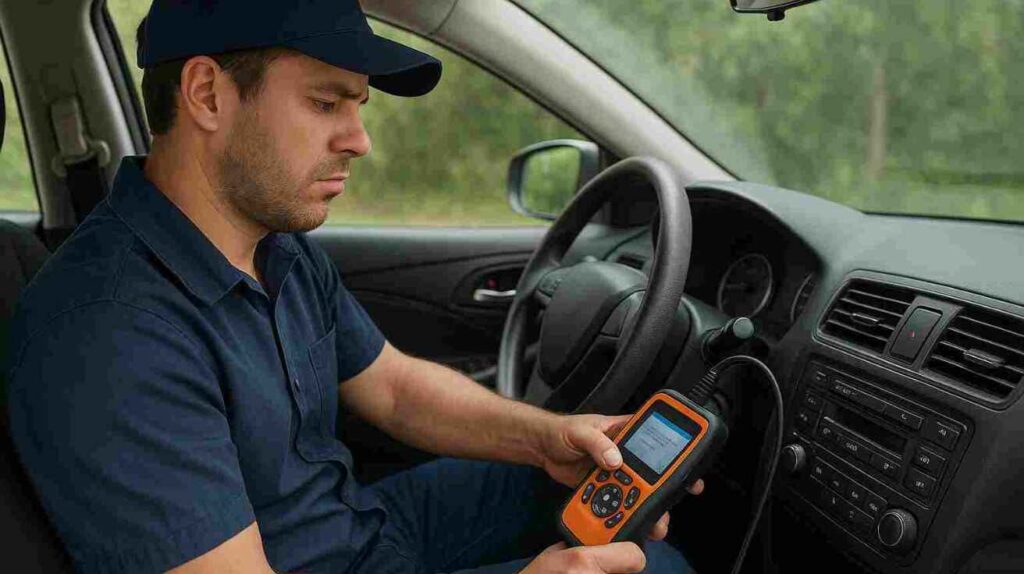
3.Use an OBD Scanner
An OBD scanner quickly detects solenoid or sensor errors. It’s one of the easiest ways to find out why your car downshifts hard.
4.Inspect the Clutch
A worn or slipping clutch often causes hard downshifts in manual cars. Pay attention to how the pedal responds and watch out for any grinding sounds.
5.Follow Service Intervals
Regular servicing prevents costly transmission repairs. Routine fluid changes and inspections keep shifting smooth and reliable.
Main Causes of Hard Downshifting
The question “Why does my car downshift hard?” usually points to issues like low transmission fluid, worn clutch parts, faulty solenoids, or engine performance issues .This rough downshift automatic transmission issue, like car jerks when downshifting.
1. Transmission Fluid Problems
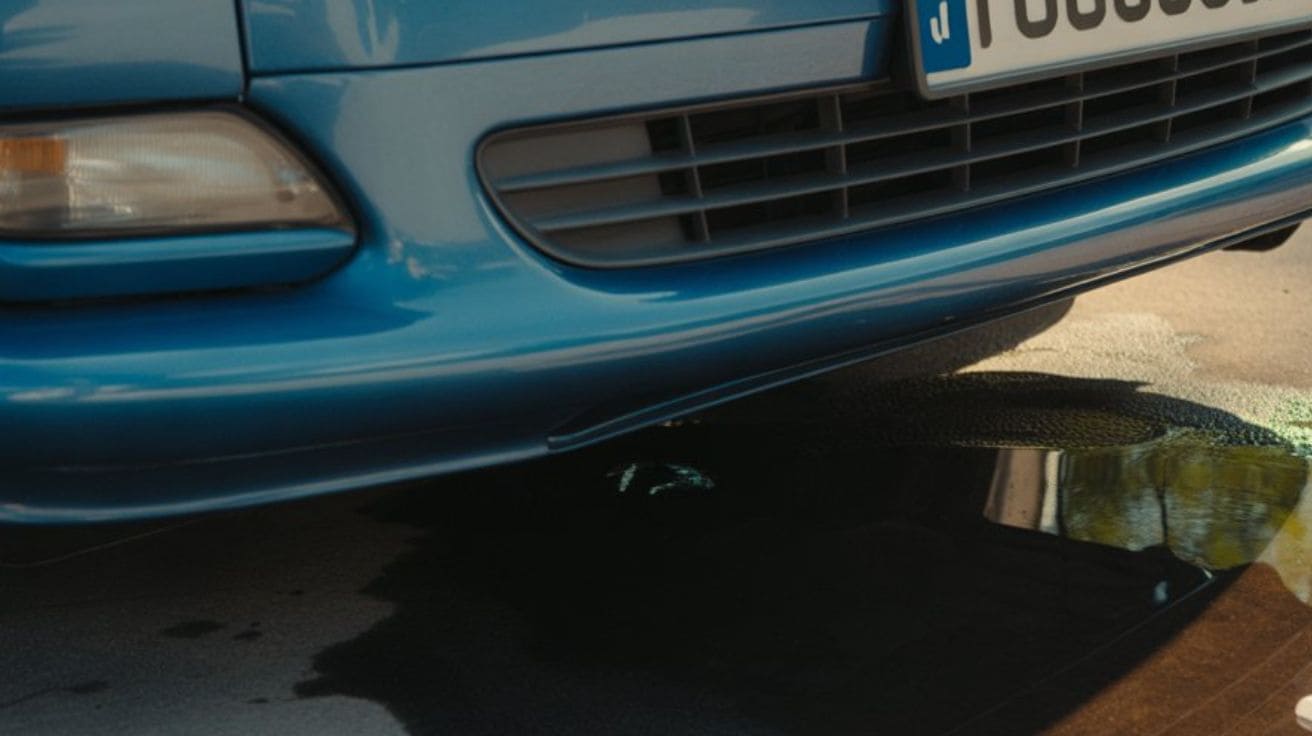
Low or dirty transmission fluid can cause hard downshifts. It reduces lubrication and hydraulic pressure, leading to slipping, delayed response, or overheating. A clogged filter can also restrict flow. Regular fluid checks, changes, or flushes usually fix this.
2. Faulty Sensors or TCM
Failed sensors (throttle or speed) or a bad transmission control module (TCM) can cause harsh shifting. Signs include delayed engagement, inconsistent RPMs, or check engine light. An OBD-II scan helps diagnose, and repairs may involve replacing or reprogramming parts.
3. Worn or Damaged Components
A worn clutch, transmission bands, linkage, or gears can make downshifts jerky. Symptoms include clunking noises, stiffness, or gear engagement issues. Fixes range from adjustments to full transmission rebuilds.
4. Torque Converter Issues
A faulty torque converter can cause hard downshifts since it transfers power between the engine and transmission. Problems like a damaged clutch, overheating, or fluid contamination affect smooth gear engagement. Symptoms include shuddering, slipping, or stalling at low speeds.
5. Faulty Transmission Solenoids
Transmission solenoids control the flow of fluid and manage gear shifts. When they stick, wear out, or burn due to dirty fluid or electrical faults, shifts become rough or delayed. Signs include harsh downshifts, stuck gears, or warning lights. Fixes often involve cleaning, replacing, or testing solenoids.
6. Engine Performance Issues
Sometimes the problem is the engine, not the transmission. Misfires, weak fuel delivery, or vacuum leaks can create harsh shifts. Checking and fixing spark plugs, injectors, or leaks can smooth downshifts.
7. Driving Habits
Aggressive braking, sudden throttle changes, or riding the clutch can cause hard downshifts. Since automatics adapt to driving style, smoother driving techniques help reduce stress and prolong transmission life.
Symptoms of Hard Downshifting
1.Unusual Noises
If your car downshifts hard, you may hear grinding, clunking, or whining sounds. These noises usually indicate worn gears, bands, or fluid issues.
2.Delay in Response
A noticeable hesitation when slowing down or shifting into lower gears often means the transmission isn’t engaging properly. This delay may be linked to low transmission fluid, faulty sensors, or a failing clutch.
3.Engine Revving Higher Than Normal
When the engine revs unusually high before gears engage, it signals slipping or poor coordination between the engine and transmission. This symptom can suggest worn components or hydraulic pressure problems.
Why Use the Right Gears When Downshifting?
Using the right gear during downshifting is essential for smooth driving and transmission health. When you shift into the correct lower gear, the engine and transmission stay in sync, preventing jerks, high revs, or strain on components.
If the wrong gear is selected—too low or too high—the car may downshift hard, leading to engine over-revving or loss of control.
Automatic transmissions usually pick the proper gear on their own, while manual drivers must choose carefully. when your car downshifts, using the right gear is always important for performance, safety, and preventing wear.
Fixes and Solutions for Hard Downshifting
The best solutions to fix rough downshifts include replacing transmission fluid, repairing or replacing faulty solenoids, fixing a worn clutch, or addressing torque converter and valve body issues. These repairs restore smooth gear changes and prevent long-term transmission damage.
| Fix | Cost (Approx.) | Tools Needed | Symptoms Fixed |
|---|---|---|---|
| Top up fluid | $100–$200 | Dipstick, fluid | Low fluid, harsh shift when slowing down |
| Replace solenoid | $150–$400 | OBD scanner | Faulty solenoid, jerks when slowing down |
| Repair clutch | $500–$1,500 | Mechanic tools | Worn clutch, manual car downshift jerk |
| Fix torque converter | $600–$1,200 | Professional tools | Thud when decelerating, torque converter issues |
| Fix valve body | $300–$800 | Mechanic tools | Valve body problems, hard downshifting |
Prevention Tips to Keep Shifts Smooth
To avoid future downshifting problems:
- Change transmission fluid every 30,000–50,000 miles.
- Drive gently and avoid aggressive braking.
- In manual cars, use rev-matching when downshifting.
- Pay attention to early signs like jerks, clunks, or slipping gears.
FAQs
1.Why does my car downshift hard when braking?
Often due to a faulty shift solenoid, TCM issue, or aggressive braking habits.
2.Can low transmission fluid make my car downshift hard?
Yes. Low or dirty transmission fluid reduces hydraulic pressure, leading to jerky or delayed downshifts.
3.Is it dangerous if my car downshifts hard?
Hard downshifting can damage your transmission over time.