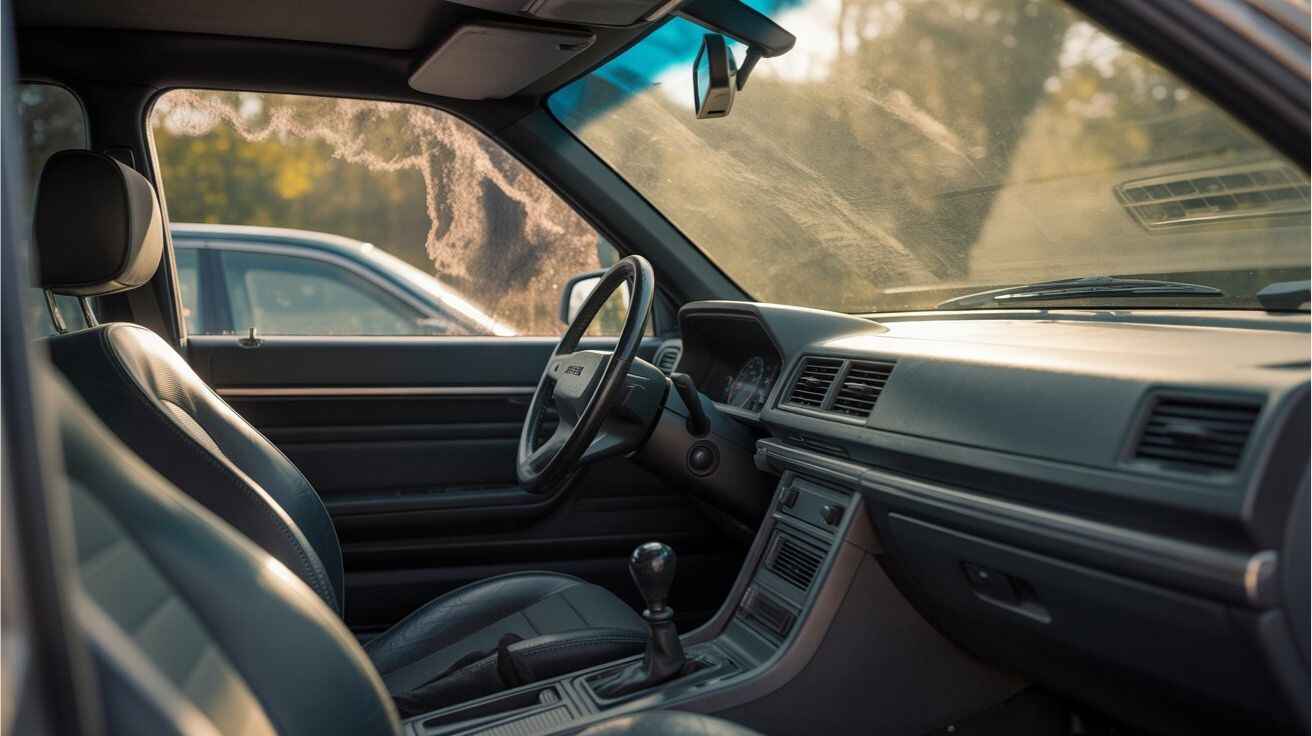
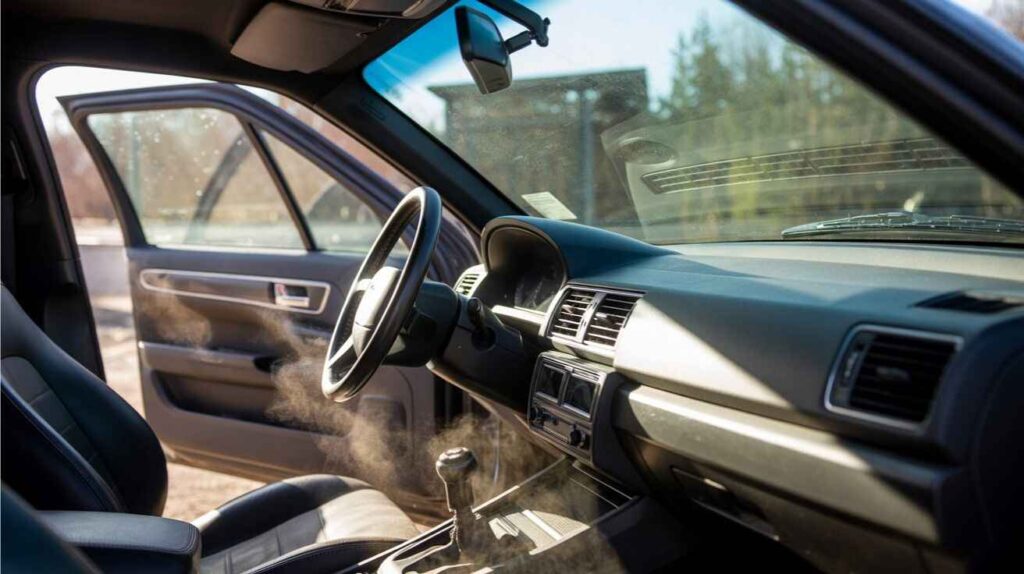
Dust accumulates in your car because airborne particles enter through vents, windows, and doors, then settle on surfaces. Driving on dusty roads, poor air filters, and static electricity also attract and trap dust inside the cabin.
Common Sources of Dust Accumulation in Your Car
Dust enters the cabin through air vents, open windows, and clothing fibers, often accumulating on dashboards, seats, and other surfaces. Cabin air filter issues can worsen this, allowing more particles to circulate inside.
Causes of Dust Accumulation in Your Car
Outdoor Factors
Driving on dusty roads is one of the main contributors to car dust accumulation inside. Even a short trip on a gravel path or construction area can introduce fine particles into your vehicle.
Seasonal changes also play a role. In spring, pollen can settle inside your cabin, while in fall, dry leaves and dirt from parking areas can increase interior dust levels.
Indoor Factors
Your car’s climate control system—including the A/C and heater—can circulate dust already present in the cabin. Using the air recirculation mode improperly or neglecting to change air filters allows dust to accumulate over time.
Human factors are equally important. Passengers bring in dirt and debris on their shoes, clothing, or even pets.
The Role of Car Materials in Dust Attraction
Fabric vs. Leather Interiors
Not all car interiors are equal. Fabric seats tend to trap more dust and fibers than leather, making them more challenging to keep clean.
Leather surfaces, by contrast, are smooth and easier to wipe down, reducing visible dust and allergens. Your choice of interior material directly affects how quickly dust settles.
Effect of Air Vents and Filters
Air vents and cabin filters play a crucial role in managing dust. A clogged or old filter cannot trap particles efficiently, allowing dust in car HVAC systems to circulate freely.
Regularly replacing your cabin air filter every 12,000–15,000 miles, or following manufacturer guidelines, helps prevent excessive dust accumulation and keeps your interior air cleaner.
How Internal Factors Make Dust Buildup Worse
Poor door or window seals, clogged HVAC ducts, and damaged filters allow extra dust to enter.
Habits such as eating in the car, transporting items, or shedding clothing fibers contribute. Material type, fabric vs. leather, also affects dust retention.
External Factors and Environmental Influences
Dusty or windy climates, driving with open windows, and parking outdoors increase cabin dust. Road dust, pollen, and general air quality also contribute to the issue.
Parking in garages versus open lots impacts how much dust settles inside.
How Static Electricity and Materials Attract Dust
Interior surfaces generate static electricity, attracting particles like a magnet.
Matte plastics, vinyl, and other materials hold more dust, while glossy surfaces attract less. Even simple friction from seats or clothing can create this triboelectric effect.
Impact of Dust on Health and Car Maintenance
Health Implications
Dust in your car is more than just a cosmetic issue. It can harbor pollen, mold spores, and other allergens, which may cause respiratory issues or exacerbate allergies.
For sensitive individuals, a dusty car interior can lead to sneezing, congestion, or itchy eyes, making dust inside the car a real health concern.
Maintenance Concerns
Beyond its health benefits, dust contributes to wear and tear on your car’s interior components. Fine particles can scratch dashboards, embed in fabric, or clog small crevices.
Over time, accumulated dust accelerates fading, reduces the lifespan of materials, and can even interfere with the operation of electronics or climate systems if left unchecked.

Effective Strategies to Reduce Dust Inside Your Car
Regular Cleaning Tips
Consistency is key. Wiping surfaces weekly with microfiber cloths, vacuuming fabric seats, and using gentle cleaners for leather can prevent dust accumulation inside the car from becoming unmanageable.
Using a hand-held vacuum or detailing brush helps reach corners, vents, and hard-to-clean areas.
Preventive Measures
Simple preventive measures go a long way. Use floor mats and seat covers to trap dirt before it spreads, and keep windows closed while driving to reduce airborne dust entering your cabin.
Minimizing open-window driving on dirt roads can drastically reduce indoor dust.
Maintaining Air Filters
Never underestimate the power of your cabin air filter. Clean or replace it regularly to reduce the circulation of dust particles from the outside.
A well-maintained car HVAC system ensures that dust in car vents is minimized, keeping the cabin air fresher and healthier.
Keeping Your Car Interior Cleaner for Good
Regular cleaning, preventive measures, and proper maintenance are the pillars of a dust-free car interior from vacuuming and wiping surfaces to using quality floor mats and replacing cabin air filters.
FAQs
Q1: Does interior material affect dust buildup?
Yes. Fabric traps more dust, while leather and vinyl are easier to clean.
Q2: How do driving habits affect dust?
Opening windows, eating, and transporting items increase dust inside the car.
Q3: Can dust cause health issues?
Yes. Dust contains allergens that may trigger respiratory problems or allergies.