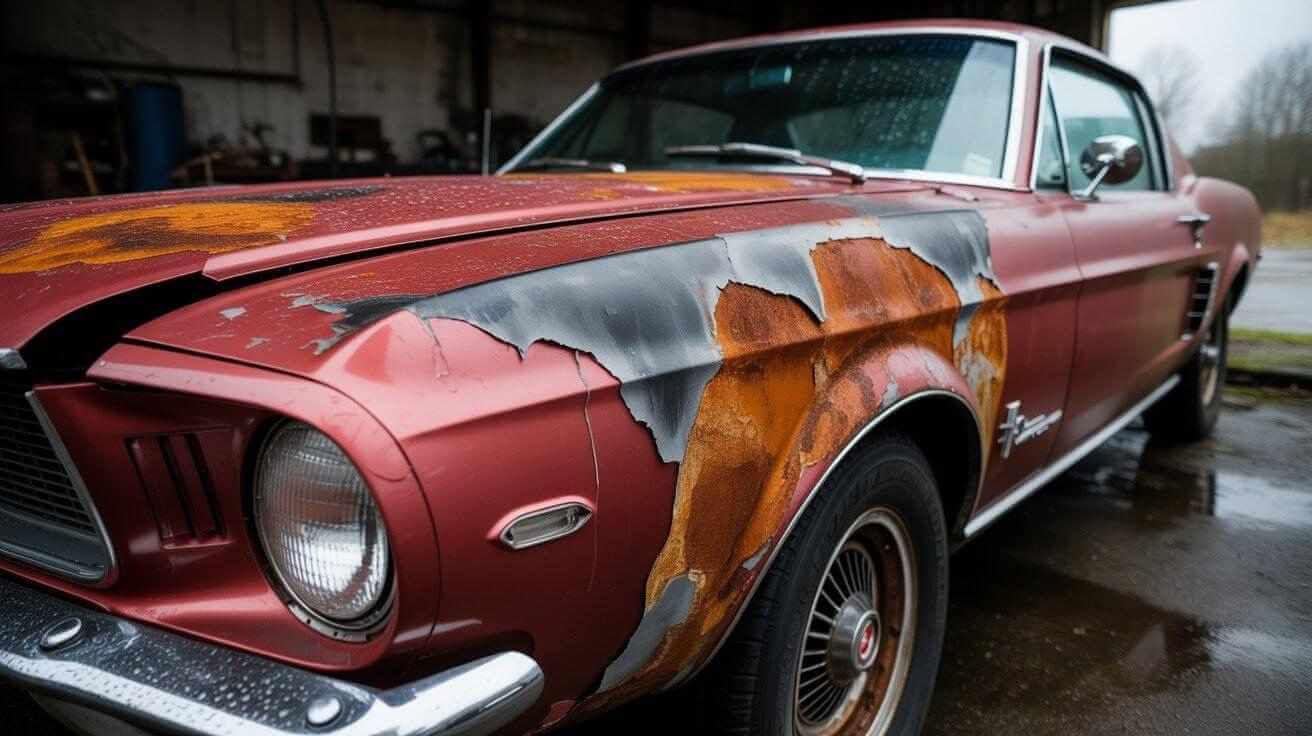
Car paint peels when the layers don’t stick properly to each other. This can happen from too much sun, scratches, rust, harsh chemicals, or a poor paint job. Once the clear coat breaks, the paint starts to lift and flake off.
Why Does Car Paint Peel?
Noticing peeling paint on your car’s hood or doors can be frustrating it looks bad, lowers your car’s value, and can even lead to rust.
Why does car paint peel? From years of working on cars, I’ve seen it happen for many reasons: clear coat failure, bubbling from bad washes, harsh weather, or environmental damage. Other times, it’s due to pressure washing, scratches, or even factory paint defects.
In this guide, I’ll cover the main causes of car paint peeling, show you how to prevent it, and share affordable repair options to keep your car looking sharp and protected.
What Causes Car Paint to Peel
Understanding why car paint peels starts with identifying the root causes that damage your vehicle’s finish. From my experience restoring cars, I’ve seen how sunlight, UV radiation, harsh chemicals, and even bad car washes can all contribute to paint peeling over time.
Here are the main causes , broken down clearly.
1. UV Damage and Paint Oxidation
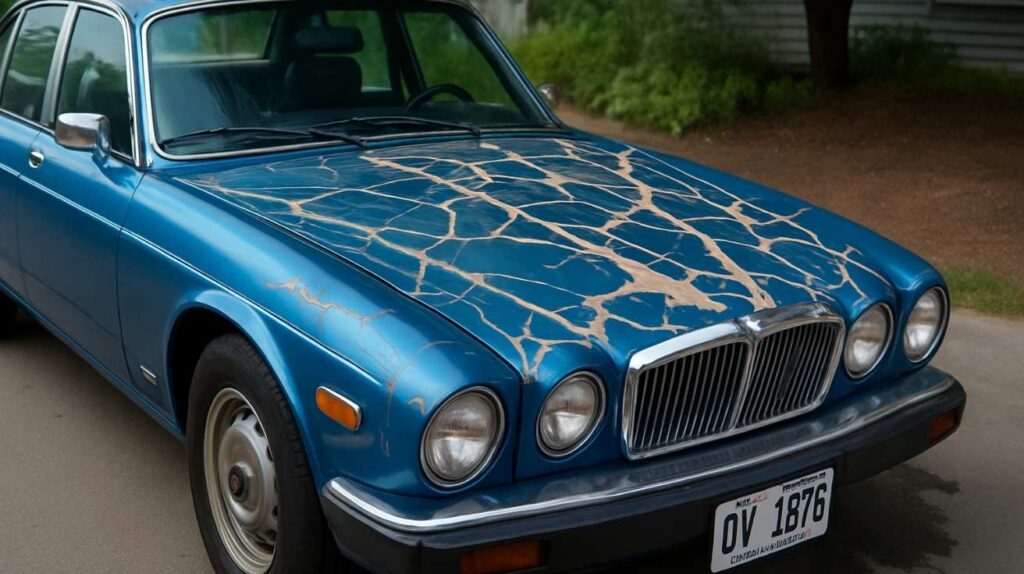
UV exposure is a major reason car paint comes off, especially on the hood or roof. Constant sunlight breaks down the paint’s chemical bonds, leading to oxidation. This causes fading, chalkiness, and peeling, mostly in older cars without UV-resistant clear coats.
2. Clear Coat Failure and Delamination
Clear coat failure often causes paint to peel in large flakes. The clear coat, which protects the base paint, can degrade from UV rays or poor application, leading to delamination. Once it peels, the base paint gets exposed and starts flaking.
3. Physical Damage (Scratches or Pressure Washing)
Scratches or aggressive pressure washing can trigger paint bubbling and peeling. A deep scratch exposes the undercoat, letting moisture seep in, while high-pressure washes can lift weak paint layers.
4. Chemical Exposure
Harsh chemicals, bird droppings, or tree sap eat through the clear coat if left uncleaned. Bird droppings are acidic, and sap is corrosive, both leading to etch marks, fading, and peeling over time.
5. Rust and Corrosion
Moisture trapped under paint leads to rust, which pushes paint away from the surface. This is common in humid areas or cars exposed to road salt, especially on the hood and lower panels.
6. Manufacturing Defects
Poor surface preparation or low-quality paint during production can cause weak adhesion. Some older models suffer panel-wide peeling due to factory defects and shortcuts in the painting process.
Effective Ways to Fix Peeling Car Paint
| Method | Best For | Steps / Process | Cost Range |
|---|---|---|---|
| DIY Repair | Small spots, minor peeling | Sand (800-grit), apply rust converter (if needed), prime, add base coat + clear coat in layers | $20 – $100 |
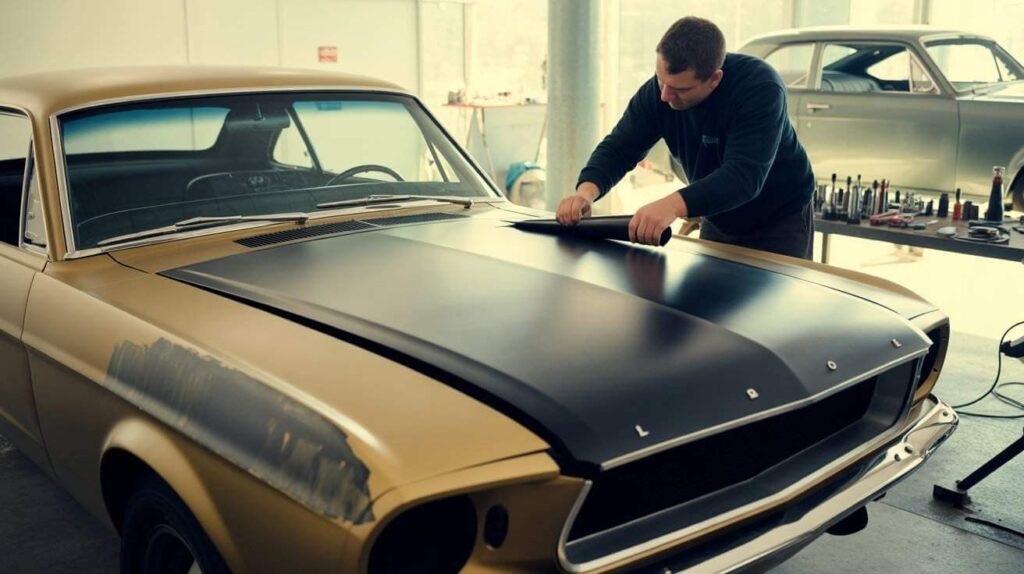
| Vinyl Wrap | Hood/roof peeling, mid damage | Apply vinyl wrap over damaged panels | $200 – $500 |
| Pro Spot Repair | Medium peeling, single panels | Sand, prime, respray & blend panel | $200 – $800 |
| Full Repaint | Severe peeling, multiple panels | Strip old paint, prep, repaint entire vehicle | $1,000 – $3,000+ |
How to Prevent Car Paint from Peeling
Preventing car paint from peeling starts with proactive care.The prevention methods are explained below:
1.Wax Regularly to Prevent UV Damage
Apply wax every 3 months to create a barrier against UV rays. This prevents oxidation and keeps the clear coat protected.
2.Use Protective Coatings
Ceramic coatings or sealants provide long-lasting defense against bird droppings, tree sap, and other environmental damage.
3.Avoid Harsh Chemicals & Pressure Washing
Skip acidic cleaners and high-pressure sprays, as they can damage paint. Use pH-neutral soap and wash by hand.
4.Fix Chips Immediately
Small rock chips can allow moisture in, leading to bubbling and peeling. A quick touch-up prevents bigger problems.
5.Park Smart
Whenever possible, park in shade or a garage to reduce UV exposure . Don’t park under trees to avoid sap and bird droppings.
DIY vs. Professional Car Paint Repair
| Method | Best for | Steps |
|---|---|---|
| Best For | Small spots, minor peeling | Large areas, multiple panels, clear coat failure |
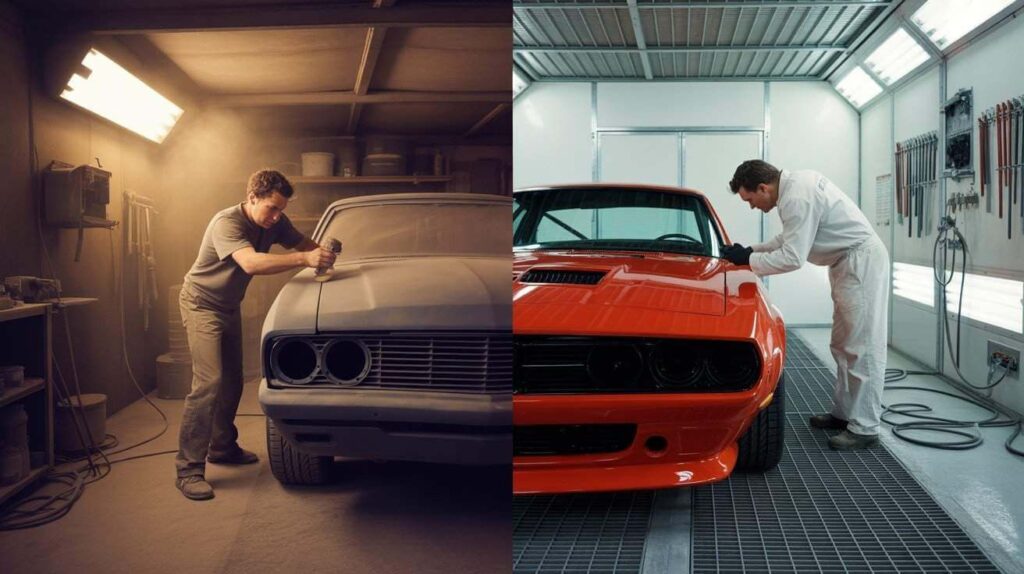
| Skill Level | Moderate requires sanding, painting, patience | Low handled by experts with pro tools |
| Time Required | 2–6 hours (depending on prep & drying) | 1–5 days (depending on shop workload) |
| Cost Range | $20 – $100 | $200 – $3,000+ |
| Durability | Good for small areas | Long-lasting, factory-like finish |
| Finish Quality | Decent if careful, may show imperfections | Smooth, even, professional look |
| Flexibility | Can be done at home, lower budget option | Options include spot repair, vinyl wrap, or full repaint |
Conclusion
Car paint often peels due to UV exposure, clear coat failure, and environmental damage. Early signs such as peeling on the hood or paint coming off after washing should be addressed quickly to avoid bigger problems. To protect your car’s finish, regular waxing, protective coatings, and gentle washing are highly effective preventive measures.
When peeling does occur, DIY fixes can work for small areas, but professional repair is recommended for larger damage. Taking action on time restores appearance, prevents rust, and saves money on costly long-term repairs.
FAQ
1.Is peeling car paint fixable?
Yes,minor flaking can be DIY-sanded and recoated, while severe cases need professional repair.
2.Why does clear coat peel off cars?
UV exposure, oxidation, or poor paint prep lead to clear coat failure and delamination.
3.How much to fix peeling car paint?
DIY kits cost $20–$100, while professional repairs range from $200 to $1,000+.