People get a boot on their car when they have unpaid parking tickets, expired registration, violate parking rules, or park illegally.
Why Do People Get a Boot on Their Car?
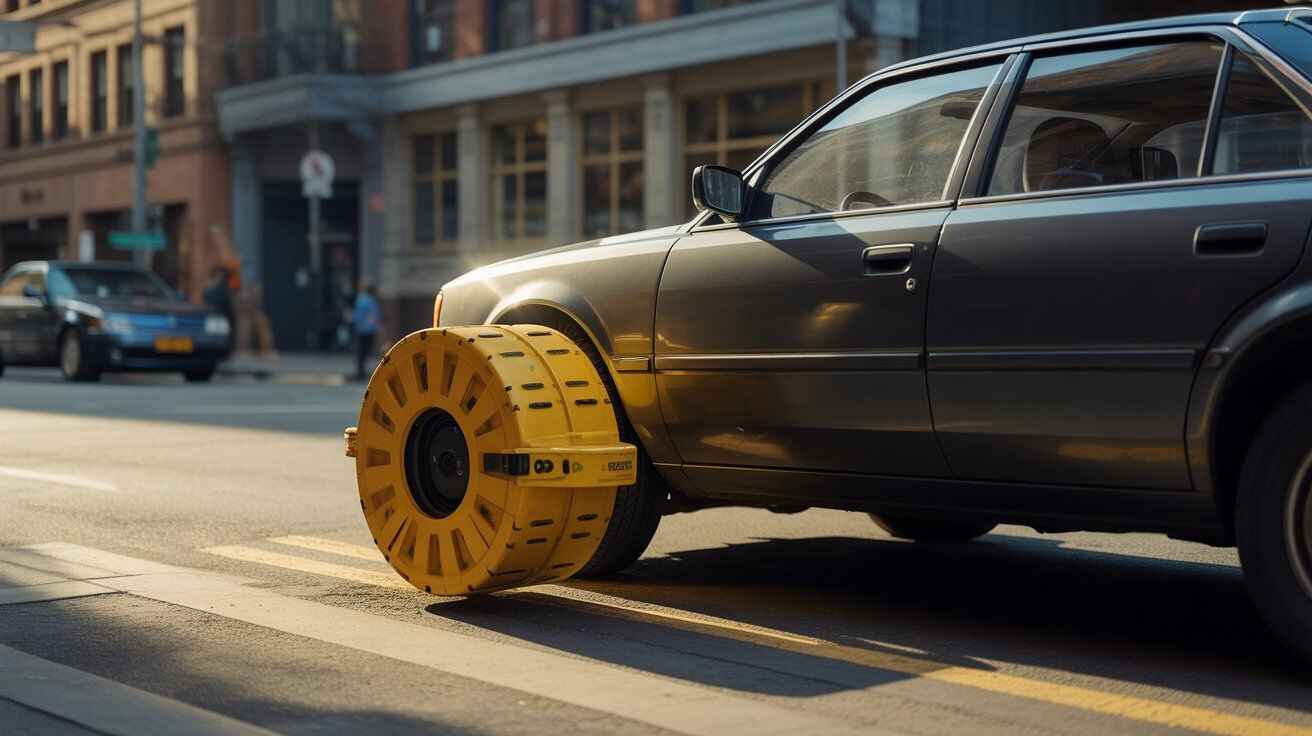
Seeing a bright yellow boot clamped to your wheel is a stressful experience. Drivers often ask, why do people get a boot on their car? The answer usually lies in unpaid parking tickets, illegal parking, or expired registration.
What Does Getting a Boot Mean?
A car boot, also called a wheel clamp or vehicle immobilization device, is used by parking enforcement officers to stop a vehicle from being moved until fines or violations are cleared. Unlike towing, which takes your car to an impound lot, booting leaves the vehicle where it is but makes it undriveable.
Why Do People Get a Boot on Their Car? Common Causes
Unpaid Parking Tickets
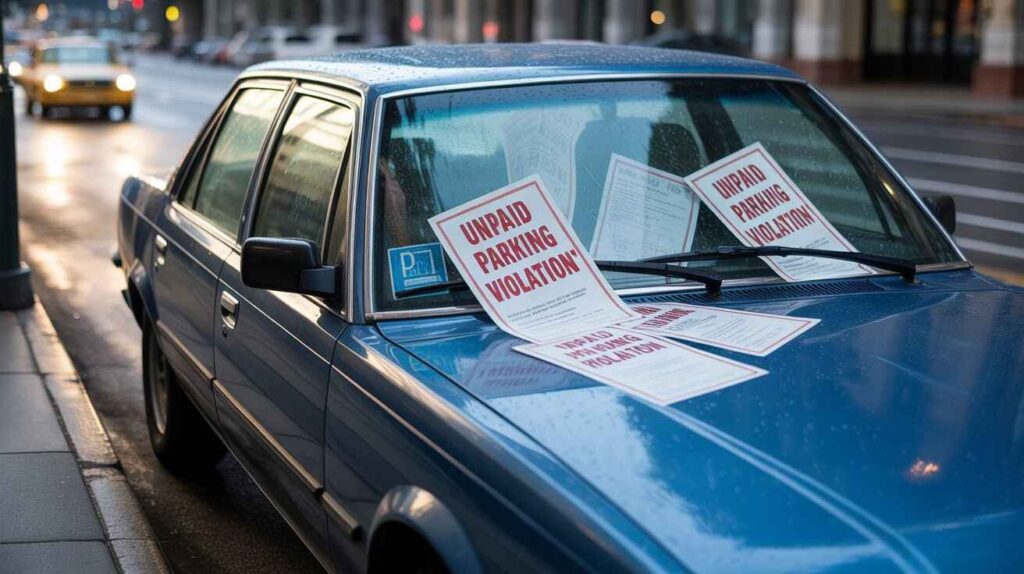
Unpaid parking fines are the number one reason cars are booted. In many cities, three or more outstanding tickets are enough to trigger enforcement. For example, New York City and Chicago issue thousands of boots every year for unpaid tickets.
The longer fines go unpaid, the higher the costs climb. In addition to ticket balances, drivers must pay a boot removal fee, which can be anywhere from $50 to $150 depending on the city. Ignoring unpaid tickets leads directly to booting, and if left unresolved, towing.
Illegal Parking
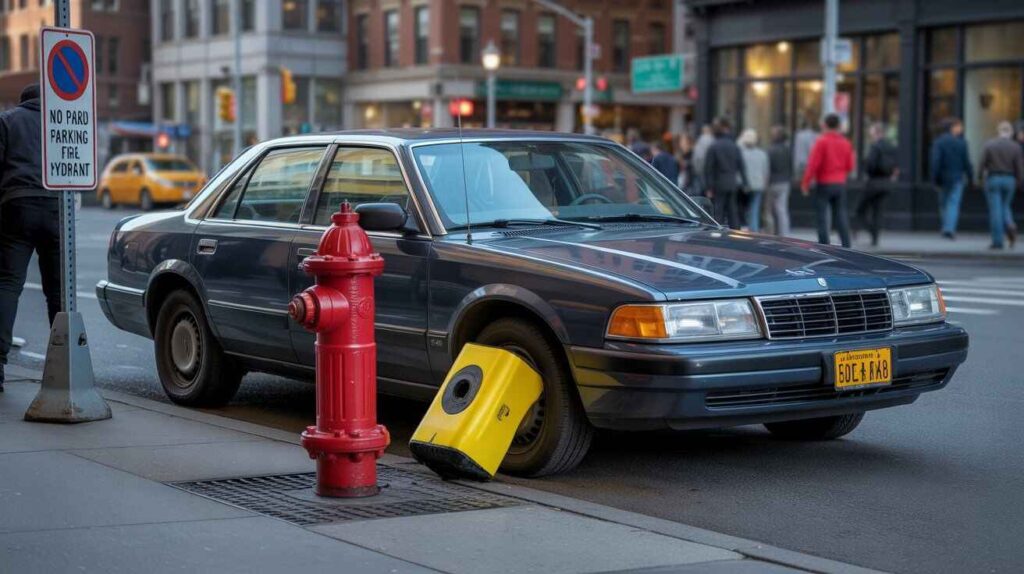
Illegal parking is another major cause. Cars blocking fire hydrants, handicap spaces, bus lanes, or private property without permission may be immobilized immediately. Some jurisdictions boot vehicles even for first-time offenses if the violation creates a safety hazard.
Private property booting is also common. Shopping centers, residential complexes, and business owners often hire enforcement companies to place boots on cars that park without authorization. This discourages unauthorized parking and ensures compliance with posted rules.
Expired Registration or Insurance
Expired registration or lapsed insurance can also trigger booting. Many enforcement systems automatically flag vehicles with outdated paperwork. Driving an unregistered or uninsured car makes it illegal to be on the road and exposes the driver to additional fines or legal penalties.
The Booting Process Explained
How Booting Works
Booting immobilizes a car until the owner addresses violations. A heavy metal clamp, often called a Denver boot, is attached to a wheel. This prevents the vehicle from moving but typically does not damage it.
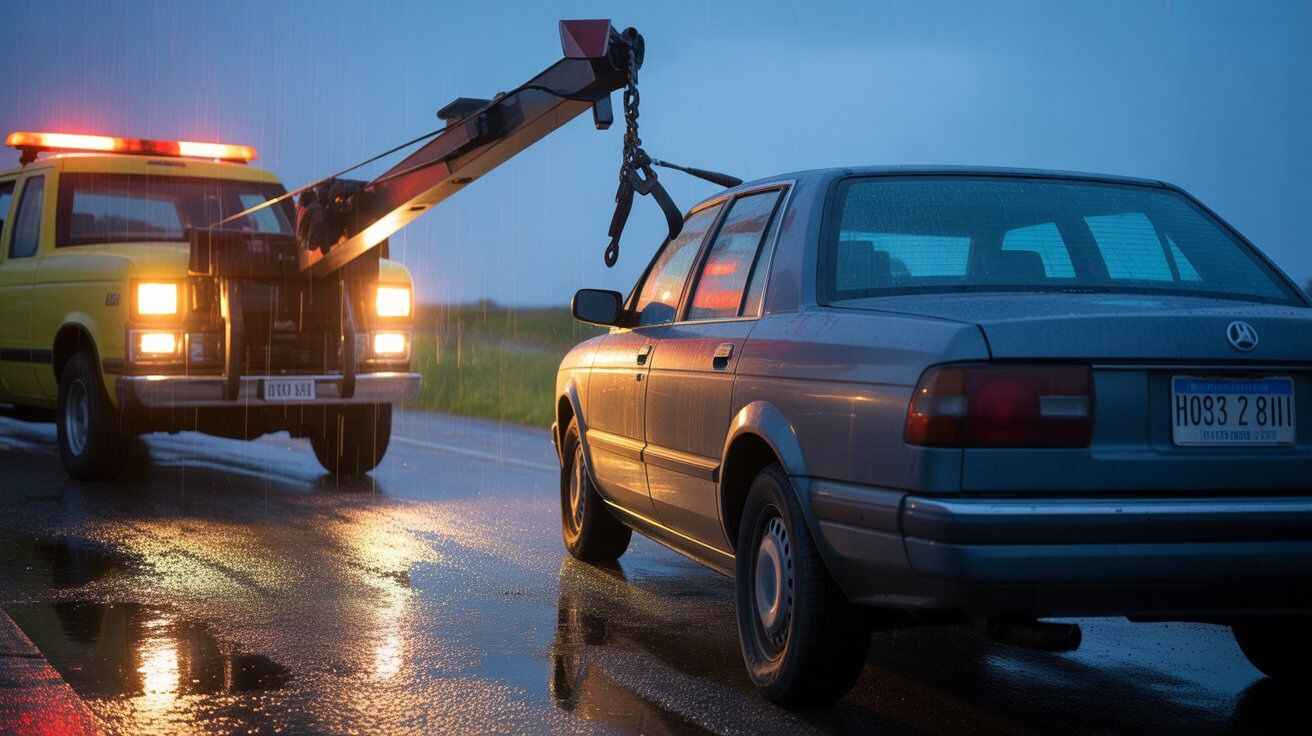
Parking enforcement officers or private contractors are responsible for placing boots. Cities often prefer booting over towing because it is faster, less expensive, and easier for the driver to resolve. While towing involves impound fees and vehicle retrieval, booting leaves the car in place, making the process more straightforward.
What Happens After Booting
When your car is booted, a notice is left on the windshield. This document explains the violations, outstanding fines, and how much you must pay. Most cities require payment of all unpaid parking tickets plus the boot removal fee before the clamp can be released.
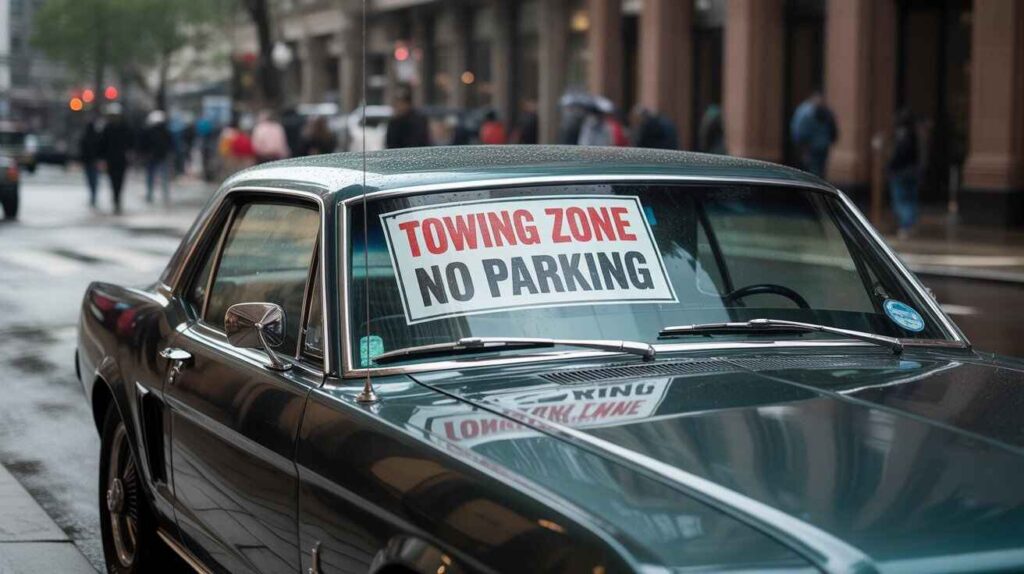
If the boot is ignored, the car may be towed within 24–48 hours. At that point, storage fees and towing charges are added on top of existing fines.
Attempting unauthorized boot removal is a serious risk. Damaging the boot or trying to drive with it can lead to criminal charges, additional penalties, and vehicle damage.
Legal Implications of Getting a Boot
Booting is not arbitrary — it’s backed by law. Local ordinances and state statutes give municipalities the authority to immobilize vehicles with unpaid fines or violations.
Drivers still have rights. If you believe tickets were issued unfairly, you can appeal or request a hearing. In many cities, you may need to pay the balance upfront to remove the boot and then dispute charges afterward. Acting quickly is key, since appeal deadlines are often short.
What you cannot do is tamper with a boot. Courts have consistently upheld penalties for unauthorized boot removal, which may include criminal charges or steep fines. In some cases, drivers who damage a boot are held liable for replacement costs as well.
How to Avoid Getting Booted
Understanding Local Parking Regulations
Knowledge is your first defense. Each city has unique parking enforcement policies. Learn about permit zones, restricted areas, and private property rules by checking municipal websites or official apps. Being informed reduces your risk of violations.
Keeping Your Vehicle Registration Current
Expired registration and lapsed insurance are preventable triggers. Set calendar alerts, sign up for renewal reminders, and check your documents regularly. Staying current keeps your vehicle legal and avoids automatic enforcement flags.
Practical Prevention Tips
- Pay tickets promptly to stop them from accumulating.
- Use reminders or apps to track fines and due dates.
- Avoid illegal parking zones, especially hydrants, handicap spaces, and bus lanes.
- Read posted signs on private property to prevent booting.
FAQs
Q1: Can expired registration cause a boot?
Yes. Expired registration or insurance is a common reason vehicles are flagged for immobilization.
Q2: What happens if I ignore a boot on my car?
Your car will likely be towed within 24–48 hours. This adds towing and storage charges to your balance.
Q3: Can I remove a boot myself?
No. Unauthorized boot removal is illegal and can result in fines, criminal charges, and damage to your car.