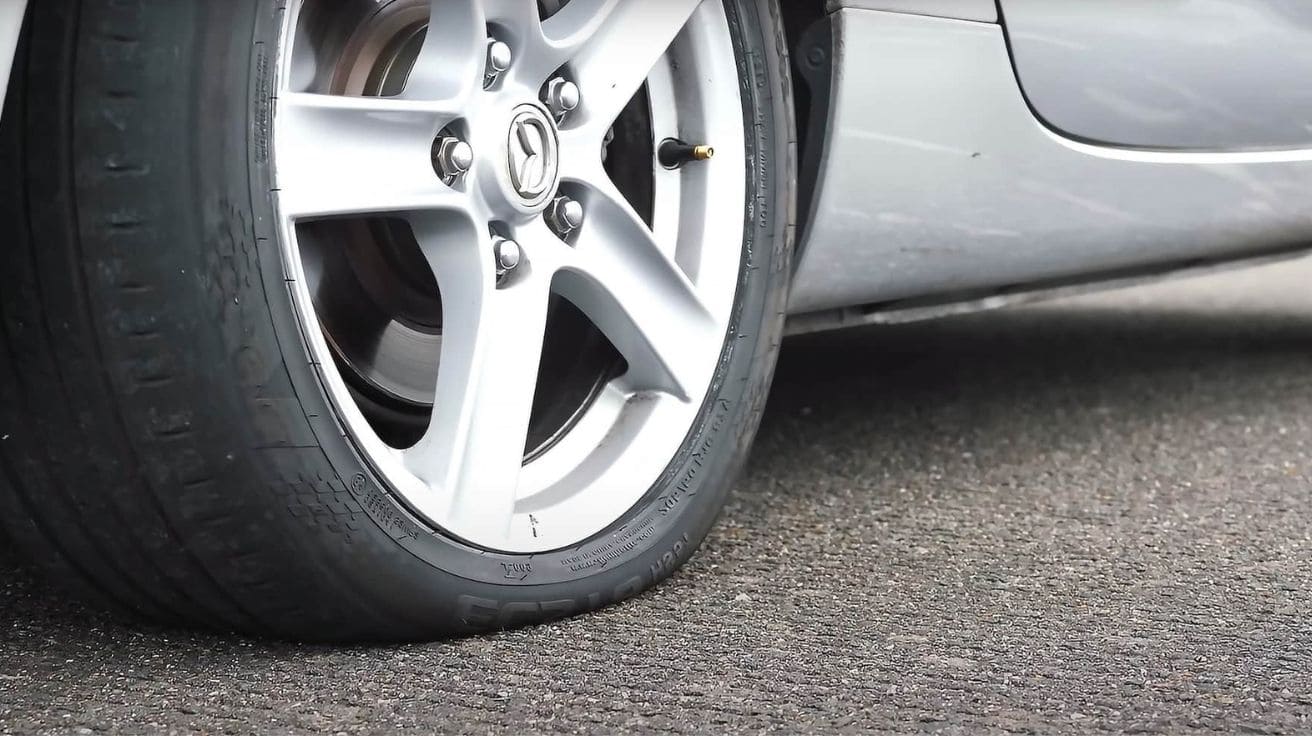
Car tires may keep losing air due to punctures, damaged valve stems, corroded rims, bead leaks, temperature changes, or worn-out tires.
Why Do My Car Tires Keep Losing Air?
Many drivers notice “why do my car tires keep losing air?”. A slow leak, overnight pressure drop, or TPMS light can be more than an inconvenience—it can cause poor fuel economy, uneven tread wear, and even a blowout.
Tires don’t only go flat from big punctures. Most leaks come from faulty valve stems, rim bead leaks, or temperature changes. Knowing the causes and how to diagnose them saves money and keeps you safe.
Quick Checks If Your Car Tire Keeps Losing Air Overnight
| Check | What to Look For / Do |
|---|---|
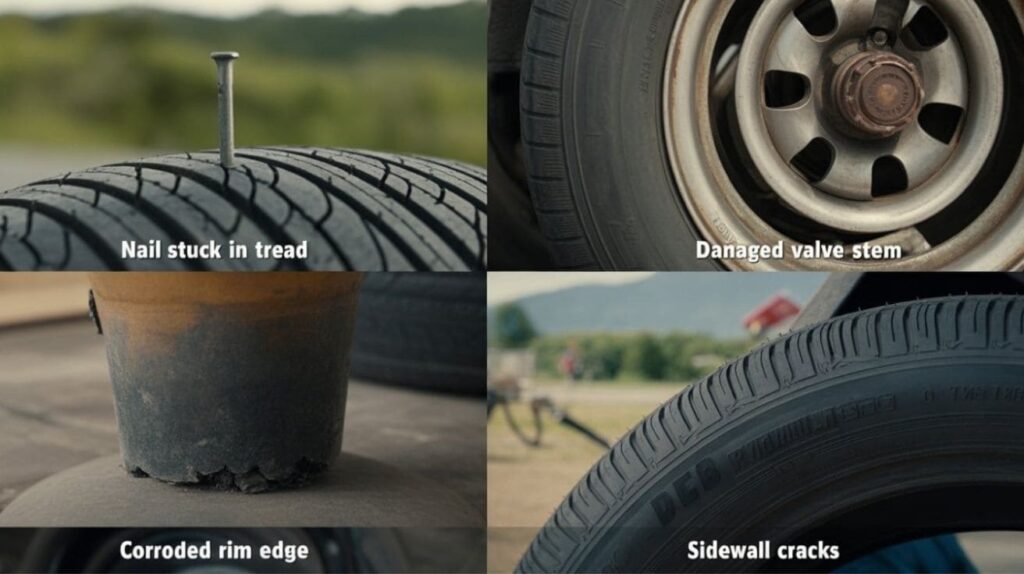
| Visual Inspection | Nails, screws, sharp debris in tread, sidewall bulges, or cracks indicating slow leaks. |
| Valve Stem & Cap | Cracked/damaged stem or missing/loose cap allowing dirt and air escape replace if needed. |
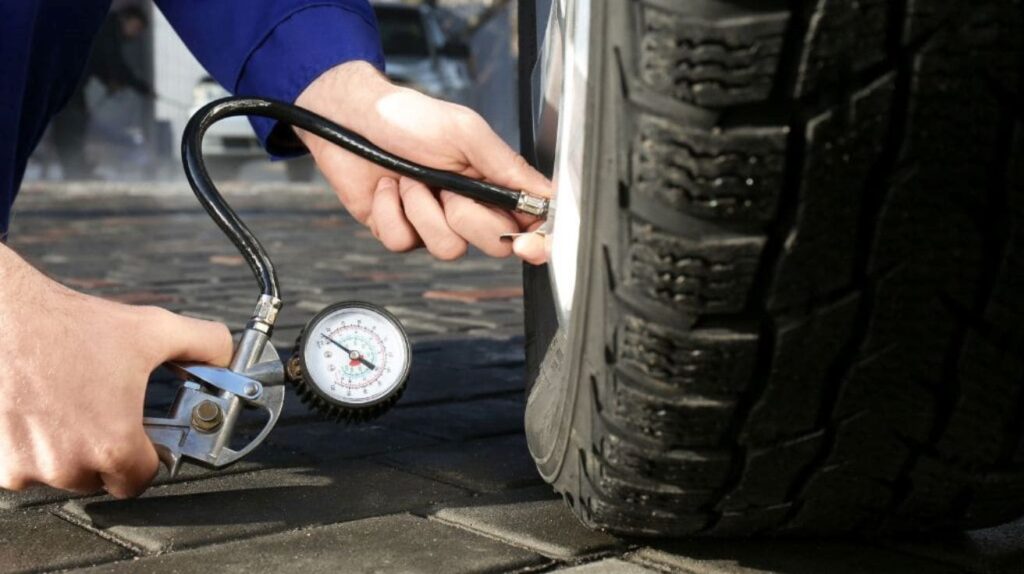
| Tire Pressure Gauge | Compare psi with manufacturer’s spec (sticker inside driver’s door). Loss of 2–3 psi/week = slow leak. |
9 Common Reasons Why Car Tires Keep Losing Air
1.Small Punctures in the Tread
Nails, screws, or glass can cause a slow leak that isn’t always obvious. If left unrepaired, the puncture can worsen and lead to a flat tire.
2.Damaged valve stem or valve core
A cracked rubber stem or a loose valve core can leak air even without visible damage. This is known as a valve stem leak, and it’s cheap to fix.
3.Bead leaks
The bead is the part of the tire that fits tightly against the rim to create a seal. Corrosion, rust, or improper mounting can allow air to escape here. These bead leaks usually require professional reseating.
4.Rim damage
Bent, cracked, or corroded rims can cause a rim leak, especially if you’ve hit a pothole or curb. The seal between tire and rim weakens, leading to gradual tire deflation.
5.Temperature changes and permeation
Tires naturally lose 1–3 psi per month as air permeates through the rubber. On top of that, a 10°F temperature drop can reduce pressure by about 1–2 psi. Cold weather is a common reason why all four car tires keep losing air overnight.
6.Aging tires and sidewall damage
Over time, rubber dries out and develops cracks. Tires older than six years are more prone to leaks, especially along the sidewall.
7.Improper installation
If a tire bead isn’t seated correctly or rubber is pinched during mounting, slow leaks can appear soon after installation.
8.Loose or missing valve caps
Without a cap, dirt or debris can clog the valve, letting air escape slowly. This is an often-overlooked but simple fix.
9.Manufacturing defects or poor repairs
Though rare, a defective tire or a poorly patched puncture may not hold air. If you’ve repaired the same tire multiple times, replacement is usually safer.
How to Diagnose a Tire That Keeps Losing Air
Step 1: Visual inspection
Look for obvious signs like objects in the tread, sidewall cracks, or uneven wear.
Step 2: Soap-and-water test
Mix soap with water and spray or brush it around the tread, bead, and valve stem. If bubbles form, you’ve found the leak. This method works for punctures and valve stem leaks.
Step 3: Immersion test
If you have access to a large tub or bucket, submerge part of the tire in water. Bubbles indicate escaping air. Tire shops use larger tanks for this test.
Step 4: Check valve stem and core
Unscrew the cap, spray the stem with soapy water, and look for bubbles. If the valve core is loose, tighten it with a core tool or have it replaced.
Step 5: Track pressure loss
Use a gauge daily for several days. A drop of more than 2 psi per day signals a slow leak.
Step 6: Professional diagnosis
If you can’t find the problem, a tire shop can use leak detectors and reseat beads. Driving too long on underinflated tires risks sidewall damage, so don’t delay professional help.
Why Tire Pressure Is Important ?
Maintaining the right tire pressure is important for safety, performance, and cost. Underinflated tires cause higher rolling resistance, lower fuel economy, and extra stress on tread/sidewalls—leading to premature wear or even a blowout.
Low pressure also affects handling, especially on wet/icy roads. The TPMS light warns you for a reason: driving with low pressure means longer stopping distances and a higher risk of accidents.
Solutions to Prevent Air Loss
1.Regular Inspections
Check for nails, cracks, bulges, or valve stem damage during monthly inspections. Make sure valve caps are in place to block dirt and leaks.
2.Proper Inflation
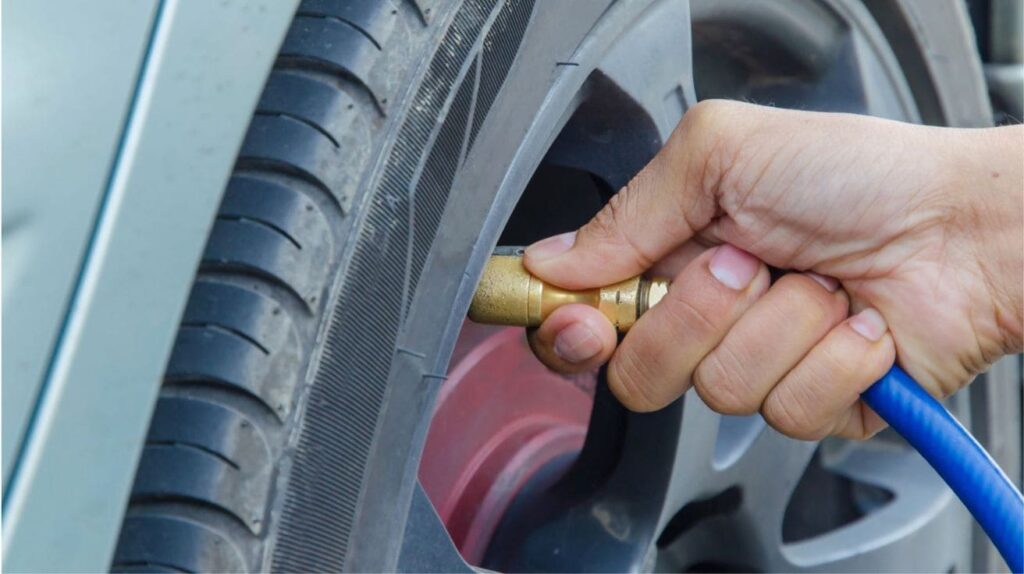
Use a pressure gauge to match psi with the manufacturer’s spec. Even a 2–3 psi difference affects handling, fuel use, and tire life.
3.Professional Help
Some leaks need experts—tire shops can reseat beads, fix rim leaks, or repair punctures. Professional tools detect issues more accurately than DIY.
4.Using Tire Sealants
Sealants give a temporary fix for small punctures when away from a shop. They’re not permanent and should be replaced with a proper repair soon.
DIY Fixes vs. Professional Tire Repairs
DIY Fixes: You can tighten a valve core, replace a cap, or use a tire plug for small tread punctures. These are temporary solutions to get you back on the road.
Professional Repairs: For most cases, a shop can patch from the inside, reseat beads, clean rims, or replace valve stems. Rim cracks, sidewall damage, and bead leaks are unsafe for DIY. If your tire loses air daily, replacement is safest.
Prevent Tire Pressure Drop with Regular Maintenance
- Check pressure monthly with a reliable gauge (don’t rely only on TPMS).
- Rotate tires regularly to ensure even wear.
- Replace valve stems whenever new tires are installed.
- Keep rims clean and free from corrosion for a tight seal.
- Top off air during temperature swings (expect 1–2 psi drop per 10°F).
- Consider nitrogen inflation for slower seepage, but regular air works if checked often.
FAQs
1.Can a tire lose air without a hole?
Yes. Valve stem leaks, bead leaks, and rim corrosion can all cause slow tire leaks without visible punctures.
2.Is it safe to drive with a slow tire leak?
No. Even gradual tire deflation increases wear, reduces fuel efficiency, and raises blowout risk.
3.Why do my car tires keep losing air in cold weather?
Cold air contracts, lowering pressure. That’s why your TPMS light may turn on after a temperature swing.