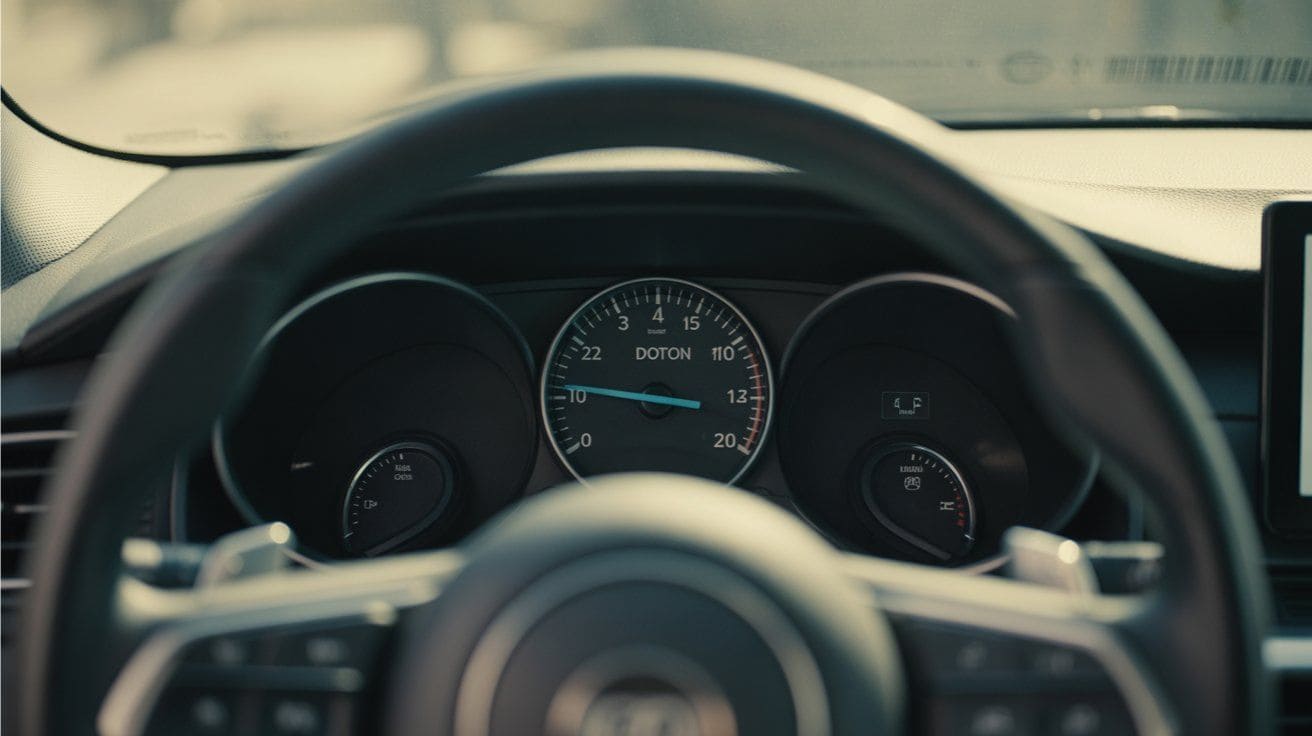
Miles matter on a car because they indicate how much the vehicle has been used, which affects its wear, value, reliability, and expected lifespan.
Why Do Miles Matter on a Car?
When people shop for a used car, one of the first things they look at is the odometer reading — the total number of miles the car has been driven. But why do miles matter on a car so much?
Mileage gives you a quick snapshot of how much wear and tear the vehicle has likely experienced. Generally, the more miles a car has, the more its mechanical parts have been stressed, which affects its reliability, resale value, and remaining lifespan.
Understanding Car Mileage
Definition of Car Mileage
Car mileage refers to the total number of miles a vehicle has traveled, shown on the odometer reading. It’s a quick indicator of how much use the car has seen.
Different Types of Mileage
Not all miles are equal. Highway miles cause less wear than stop-and-go city driving. Climate and road quality also affect overall vehicle wear and tear.
- Highway Mileage: Consistent speeds and fewer stops make this easier on the engine and brakes.
- City Mileage: Frequent stops, starts, and idling lead to more wear and fuel consumption.
- Combined Mileage: A mix of highway and city driving, reflecting average real-world use.
- Idle Mileage (Engine Hours): Time spent with the engine running while parked adds wear without increasing the odometer.
- Off-Road Mileage: Driving on unpaved or rough terrain increases strain on suspension and undercarriage.
- Towing Mileage: Hauling heavy loads stresses the transmission and engine more than standard driving.
How Mileage Affects Vehicle Value
Depreciation and Mileage
More miles usually mean lower value. Dealerships and buyers consider mileage when pricing a used car. A lower odometer reading suggests less wear and typically commands a higher resale price.
But if the car’s been babied, high miles might not matter much. A car typically depreciates faster the more miles it racks up.
For example, vehicles lose up to 60% of value within five years, depending on mileage.
Low vs. High-Mileage Comparisons
Low-mileage cars usually fetch higher prices and attract more buyers. However, high-mileage vehicles that are well-maintained can still be excellent value buys.
What Mileage Tells You About a Car’s Condition
Mileage is a window into wear and tear. A car with 150,000 miles has likely seen more use — and stress — than one with 60,000.
But high mileage alone isn’t a dealbreaker. What matters more is how those miles were driven and whether the car was properly maintained.

Maintenance Considerations Based on Mileage
Mileage-Based Maintenance
Most manufacturers recommend service every 5,000–7,500 miles. At 100,000+, major components like timing belts or transmissions may need attention.
Watch for Wear
In high-mileage cars, look for leaks, rust, or delayed starts. Always ask for maintenance records, as they often matter more than mileage alone.
Mileage Isn’t Everything — What Else to Look For
Don’t just stare at the odometer. Look at maintenance history, how and where the car was driven (city vs. highway), and the climate it lived in.
A high-mileage car that’s had regular service can be a better buy than a low-mileage one with a spotty past. Always ask for maintenance records and run a vehicle history report.
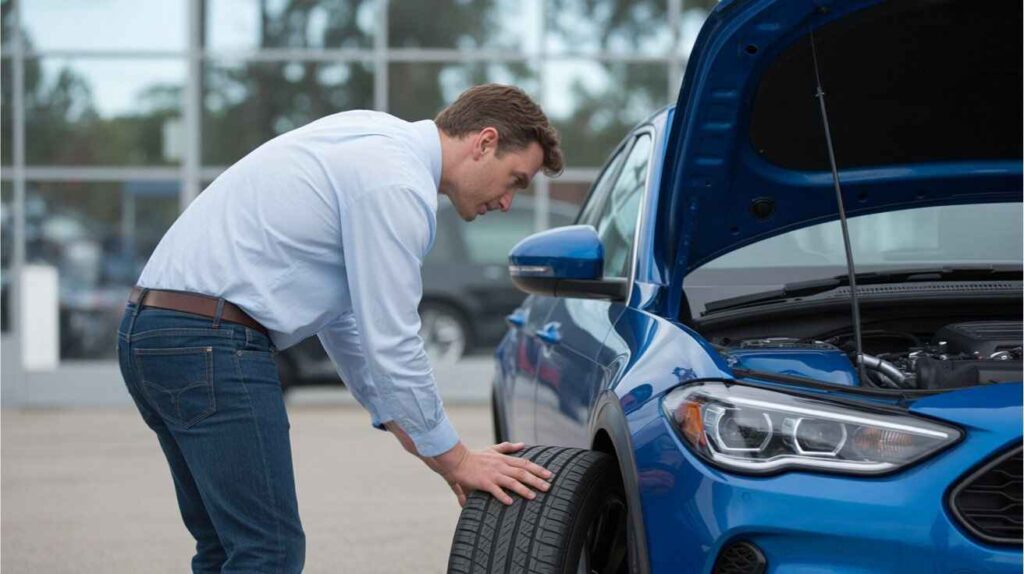
When High Mileage is OK — And When It’s Not
High mileage isn’t scary if the car’s been cared for. Modern engines can go 200,000+ miles. What’s risky is inconsistent maintenance, signs of neglect, or obvious wear.
Look for smooth engine sound, solid braking, and clean fluids — not just a low number on the dash.
How to Check and Interpret Mileage
Finding Accurate Mileage
Check the odometer, but also review the vehicle history report to confirm past readings and detect any inconsistencies.
Avoiding Odometer Fraud
Watch for signs like worn pedals in “low-mile” cars. Verify mileage matches service dates. Trust, but always verify before you buy.
Practical Tips for Evaluating Mileage When Buying a Used Car
1. Calculate Annual Mileage
Divide the odometer reading by the vehicle’s age to get the average yearly mileage efficiency. A normal range is 10,000–12,000 miles per year. Anything far above or below may need further investigation.
2. Check Service Records
Always ask for the car’s maintenance history. Look for consistent oil changes, mileage notations, and major services at proper intervals — these are better indicators of care than mileage alone.
3. Understand Driving History
A car used mostly for highway driving tends to last longer than one used in stop-and-go city traffic. Also consider how many previous owners the car had and if it was used for towing, deliveries, or fleet purposes.
4. Inspect Beyond the Odometer
Mileage doesn’t tell the whole story. Check brakes, tires, engine noise, and suspension for signs of wear. A well-kept high-mileage car can outperform a low-mile one in poor condition.
5. Review Vehicle History Reports
Always run a vehicle history report through trusted platforms. This helps verify odometer readings and uncover red flags like accidents, title issues, or signs of odometer tampering.
FAQs
Q1: Why do miles matter on a car if it looks good?
A: Miles reveal hidden wear not visible on the surface. A car may look clean but have significant internal wear from high mileage.
Q2: What is high mileage for a used car?
A: Anything over 100,000 miles is generally considered high, but modern cars can reach 200,000+ miles with proper maintenance.
Q3: Should I avoid a used car with high mileage?
A: Not always. If the maintenance history is strong, and it’s mostly highway mileage, it may still be a great buy.