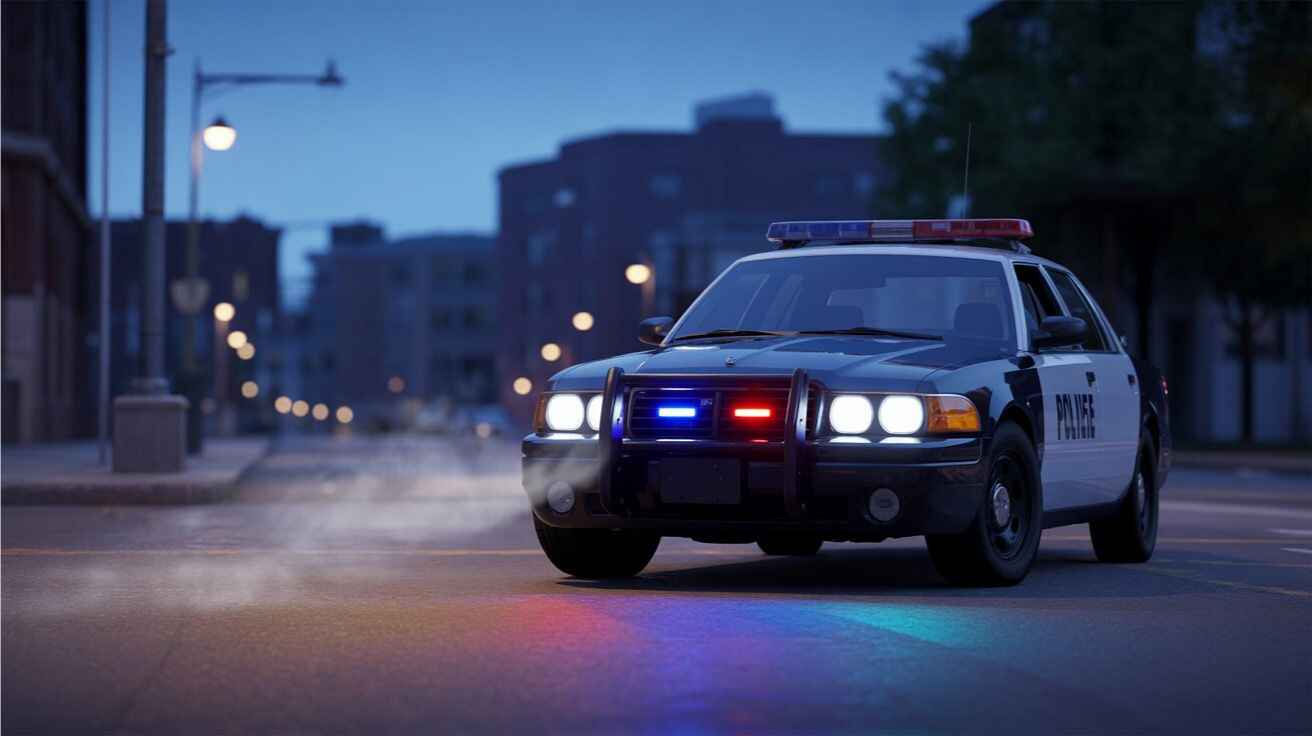
Cops leave their cars running to stay ready for emergencies, keep vital equipment powered, and maintain safe climate control without draining the battery.
Why Do Cops Leave Their Cars Running?
Ever seen a parked police car with the engine still running and wondered why? It’s not accidental. Officers keep their cars idling to power essential equipment, stay ready for emergencies, and maintain safe conditions inside the vehicle.
This quick guide explains the key reasons behind the practice and why it matters for modern policing.
Why Cops Leave Patrol Cars Running
Police officers leave their patrol cars running primarily for safety, equipment power, rapid response, and climate control.
An idling engine keeps the vehicle in a ready-to-go state at all times. It also powers essential electronics—like computers, communication devices, and cameras—that are vital to modern policing.
In extreme weather, idling provides the heating or cooling necessary to protect the officer, passengers, and temperature-sensitive equipment.
Operational Reasons
The practice of idling isn’t arbitrary—it’s grounded in specific, non-negotiable operational needs that help officers do their jobs safely and effectively.
Emergency Readiness
Policing requires the ability to respond instantly. Leaving a patrol car running eliminates the delay caused by restarting the vehicle. When seconds matter, that instant readiness can be lifesaving.
A running engine also ensures that emergency systems—like flashing lights, sirens, and communications equipment—remain fully powered without draining the battery. This allows officers to leave the vehicle quickly, secure a scene, or rush to a high-priority call without hesitation.
Technology and Surveillance
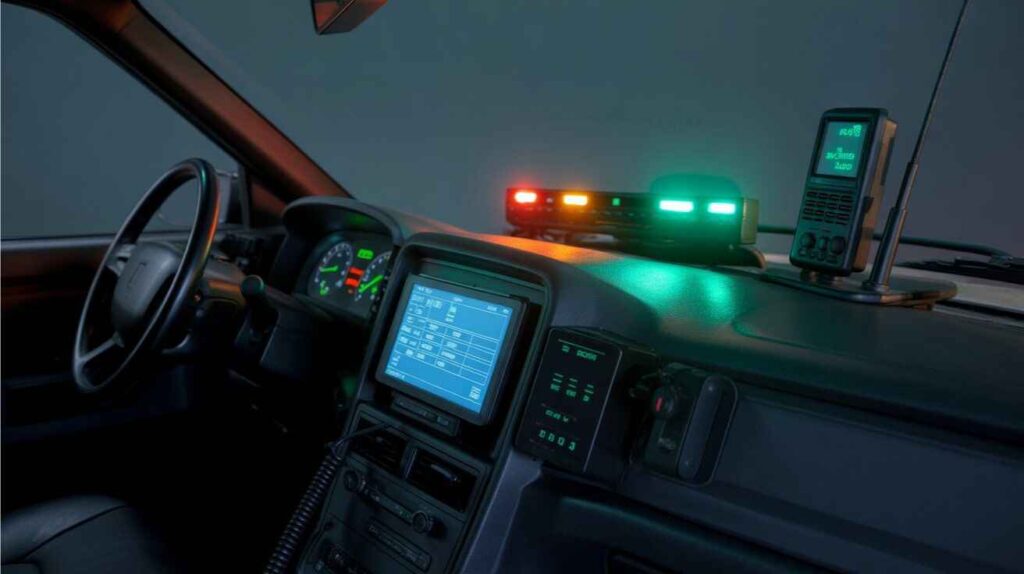
Modern patrol cars function as mobile command centers. They rely on continuous power to operate:
- In-car computers and mobile data terminals
- Communication radios
- GPS and location tracking systems
- Dashcams and body camera docking systems
- License plate readers and other surveillance tools
These devices draw significant power. Shutting off the engine risks losing critical data, interrupting communications, or disabling recording equipment—any of which could jeopardize an investigation or officer safety. Idling keeps these systems stable and operational around the clock.
Environmental Considerations
Although operationally necessary, police idling does come with environmental costs. These concerns have pushed many departments to rethink how and when idling is permitted.
Climate Impact
Idling produces emissions that impact air quality, especially in densely populated cities where the number of police vehicles is high. While many regions enforce strict anti-idling rules, emergency vehicles are often exempt because of their unique operational needs.
Even with exemptions, the environmental toll remains. This has sparked efforts across law enforcement agencies to reduce unnecessary idling while maintaining the readiness officers require.
Law Enforcement Practices
Police departments are becoming increasingly proactive about balancing operational needs with environmental responsibility. Many agencies now have:
- Anti-idling policies that define when idling is allowable
- Training programs to encourage smarter idling decisions
- Guidelines for turning off engines during non-tactical tasks, such as paperwork near the station
Other emergency services—like fire and EMS—follow similar strategies, using technology and protocols to cut down on engine run time during non-critical periods.

Public Perception and Criticism
The sight of an empty police cruiser with its engine running often sparks public concern or frustration. Without context, it can look like negligence or misuse of resources.
Community Concerns
Residents may worry about:
- Wasted fuel and tax dollars
- Unnecessary noise
- Air pollution
- A lack of accountability
These perceptions can create tension, particularly in environmentally conscious communities. To address this, many departments have started public outreach efforts—explaining why idling is sometimes essential and how they’re working to minimize it.
Policy Responses
In response to both public pressure and operational budgets, police departments are implementing more detailed idling policies. These often specify:
- When idling is operationally required (traffic stops, surveillance, extreme weather)
- When engines should be turned off
- Exceptions based on safety or technology demands
Departments are also investing in idle-reduction technologies, such as auxiliary power units and advanced battery systems, to preserve readiness while reducing fuel consumption and emissions. These improvements help bridge the gap between community expectations and operational necessities.
Pros and Cons
Leaving a police vehicle running comes with both advantages and drawbacks.
Pros
- Faster response times
- Continuous power for mission-critical electronics
- Enhanced officer safety
- Reliable operation of emergency equipment
Cons
- Significant fuel consumption
- Increased engine wear
- Higher maintenance costs
- Environmental impact
- Negative public perception
In some departments, studies have shown that a patrol vehicle may spend 50% or more of its operational lifetime idling—highlighting the importance of finding a better balance.
Alternatives and Tech Solutions
To address the downsides of constant idling, many departments are turning to advanced technological solutions.
Common innovations include:
- Auxiliary Power Units (APUs): Provide electricity without needing the engine
- High-capacity battery systems: Power onboard electronics for hours
- Automatic engine restart systems: Restart the engine only when the battery drops
- Solar power supplements: Reduce load on batteries and the engine
- Emergency vehicle start-stop systems: Designed to maintain readiness without full-time idling
While these upgrades require upfront investment, they offer long-term savings in fuel, maintenance, and environmental impact—making them an increasingly popular choice among modern police departments.
FAQs
1. Is it legal for police to leave their cars running?
Yes—police vehicles are usually exempt from idling laws.
2. Do police cars drain the battery if turned off?
Yes, onboard electronics drain the battery fast without the engine running.
3. Why do police cars idle when no one is inside?
To keep equipment powered and the car ready to respond instantly.