Manual cars stall when the engine can’t keep up, usually due to clutch, gear, or throttle issues, or mechanical problems like fuel or ignition faults.
What Does Stalling Mean?
Stalling happens when a running engine suddenly stops because it can’t maintain enough power to keep turning. In manual cars, this often occurs when the engine RPM drops too low due to poor clutch or throttle control.
Releasing the clutch too quickly or using the wrong gear forces the engine to take on too much load, causing it to shut off. Even though modern vehicles have idle control systems, they can’t fully correct driver errors.
What to Do When Your Car Stalls
Restarting the Engine
If your manual car stalls, stay calm. Press the clutch pedal fully and shift into neutral or first gear. Turn the key or press the start button to restart.
Once the engine runs, slowly release the clutch while giving light throttle. This balance prevents jerks and helps avoid another stall.
Seeking Help
When your car keeps stalling, even after restarting, it may point to a deeper problem. Repeated stalls can come from fuel delivery, ignition, or electrical issues rather than driver error.
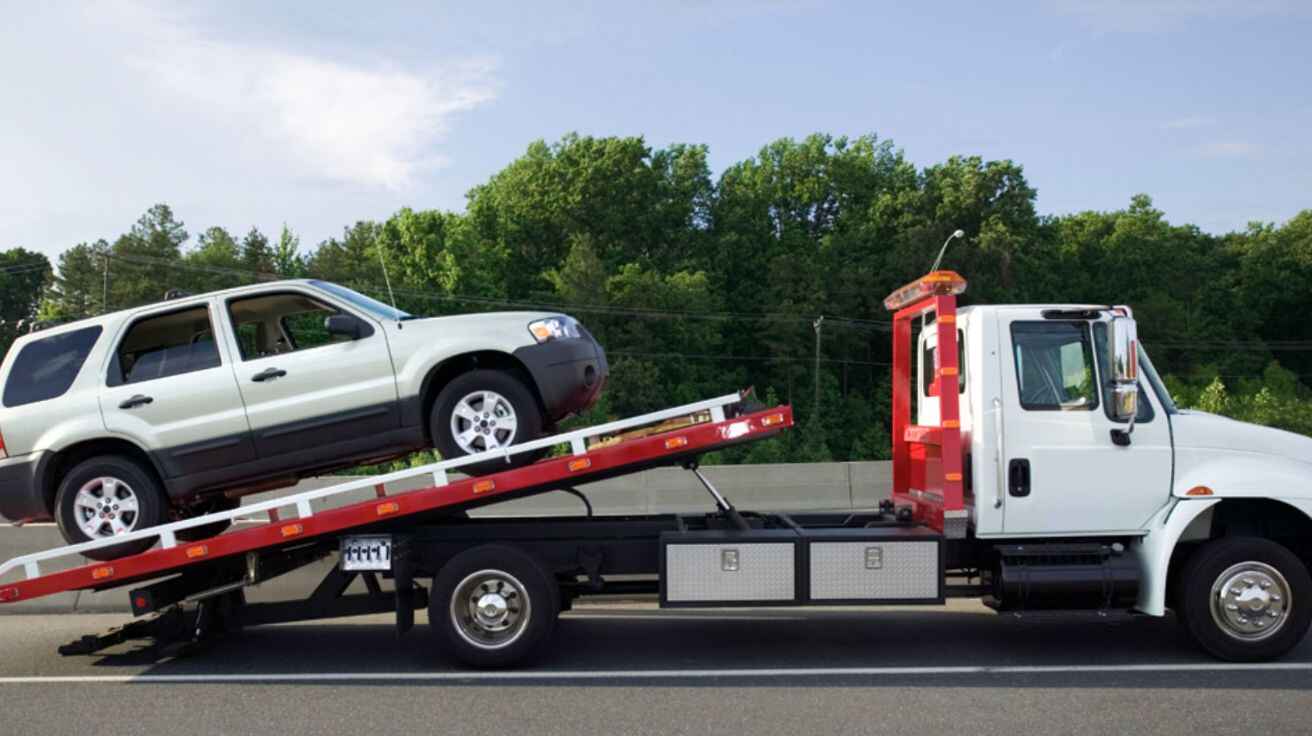
If that happens, call roadside assistance or a mechanic for a proper checkup. Getting help early prevents bigger repairs and keeps your manual transmission running smoothly.

Keeping Calm
A stall can be stressful, but composure is key. Turn on your hazard lights right away, keep your foot on the brake, and check your surroundings.
If it’s safe, move the car off the road before restarting. Taking a breath helps you stay focused and restart smoothly. Remember, even skilled drivers stall sometimes — staying calm makes all the difference.
Tip: Repeated stalls often mean there’s more than driver error — check your idle speed, battery voltage, and fuel system during maintenance.
How to Avoid Stalling — Practical Driving Tips
| Step | Action | Why it Help |
|---|---|---|
| 1. Find the Bite Point | Lift clutch slowly unti l you feel slight pull. | Prevents RPM drop |
| 2. Add Light Throttle | Press accelerator gently as clutch rises. | Balances power and clutch for smoother takeoff. |
| 3. Use Handbrake on Hills | Hold handbrake until clutch engages. | Stops rollback and strain on the engine. |
| 4. Downshift Early | Shift lower before engine lugs. | Keeps torque steady and avoids stalling. |
| 5. Restart Safely | Press clutch, shift or 1st, restart. | Quick, safe recovery after a stall. |
Common Causes of Stalling in Manual Cars
1.Engine Problems
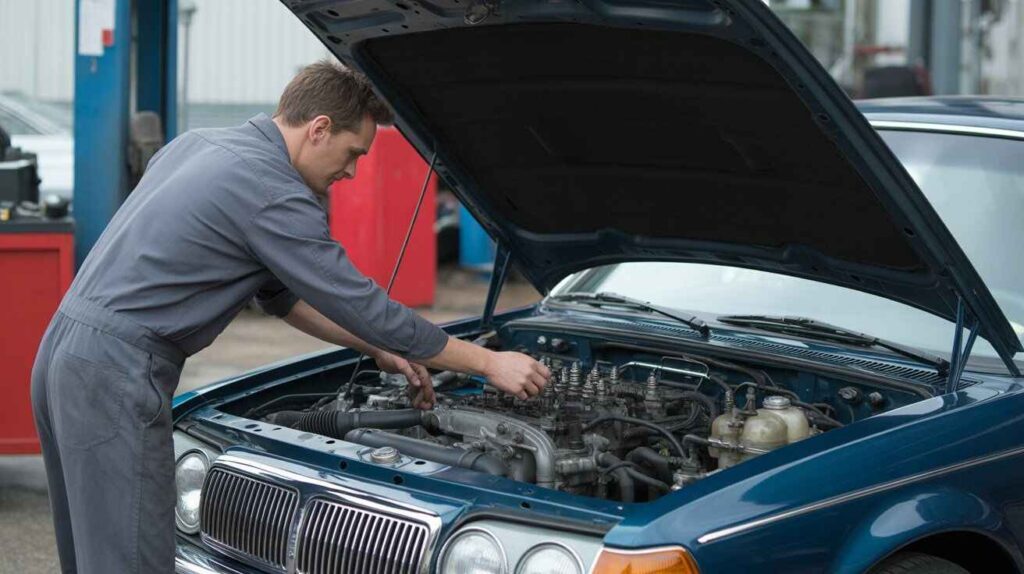
One of the main reasons cars stall in manual is poor engine performance. When the engine doesn’t get the right mix of air, fuel, and spark, combustion becomes weak and uneven.
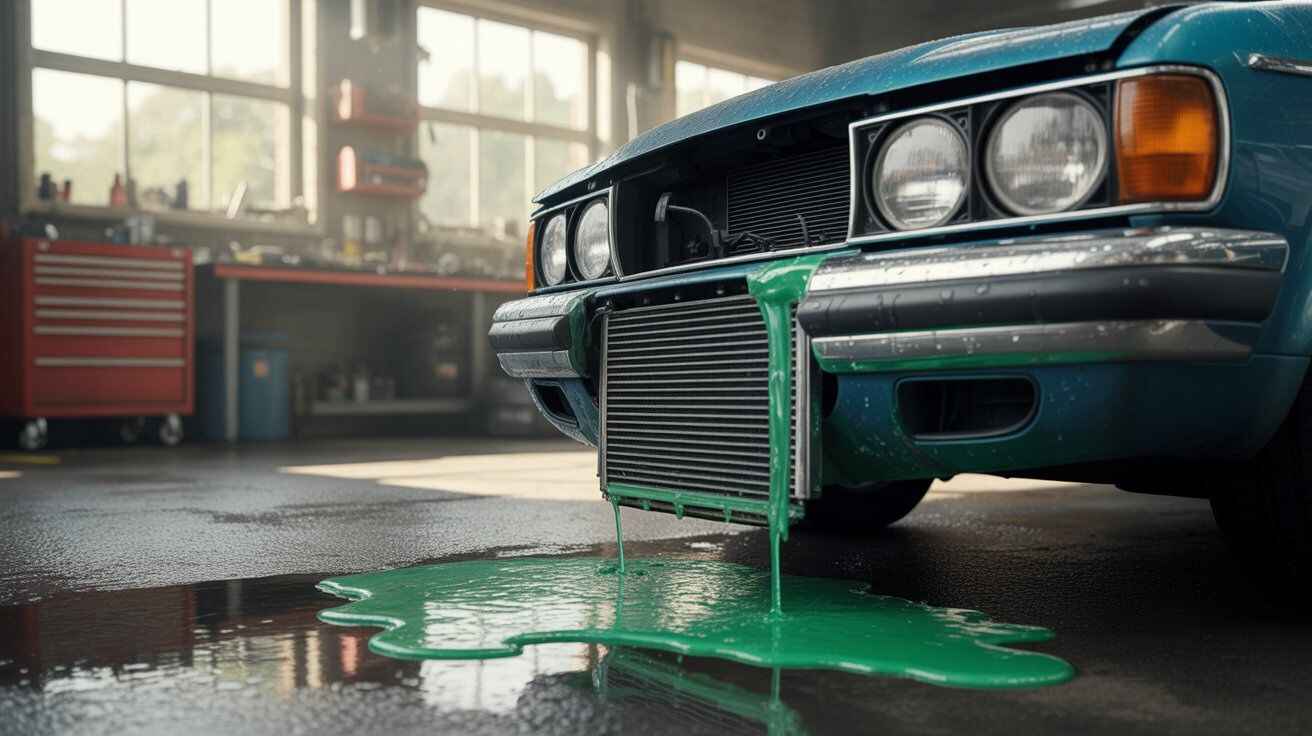
Clogged fuel filters, worn spark plugs, or a dirty idle control valve can cause rough idling or sudden shutdowns. Even a small vacuum leak can upset the balance and make the engine unstable.
Regular maintenance — like cleaning the fuel system and checking spark plugs — helps prevent these problems and keeps your manual car running smoothly.
2.Transmission Issues
Transmission or clutch faults can also trigger stalls. Releasing the clutch too abruptly or selecting the wrong gear can overload the engine.
Techniques like double clutching help synchronize the engine’s speed with the transmission, reducing the risk of RPM loss. A slipping clutch, worn pressure plate, or low clutch fluid may also cause stalling or jerky movement during gear changes.
3.Driver Errors
Releasing the clutch too quickly, applying too little throttle, or forgetting to press the clutch when stopping will cause the car to shudder and shut off.
Practicing throttle coordination, maintaining consistent revs, and finding the clutch’s bite point are the most reliable ways to avoid stalls.
4.Environmental Factors
External conditions like cold weather, steep inclines, or wet roads increase stalling risk. In cold temperatures, thicker oil and reduced fuel vaporization make engines sluggish.
On hills, using the handbrake hill-start technique helps maintain control and prevents rollback while engaging the clutch.
Mechanical & Electrical Causes
- Fuel delivery problems — Blocked filters or weak pumps restrict fuel flow and cause the engine to stall under load.
- Ignition or spark issues — Damaged spark plugs or coils lead to poor combustion and sudden stalls.
- Vacuum leaks or sensor faults — Faulty MAF sensors or idle actuators confuse the engine’s air–fuel ratio, making idle unstable.
- Worn clutch or hydraulic issues — A clutch that doesn’t fully engage or disengage increases friction and drag.
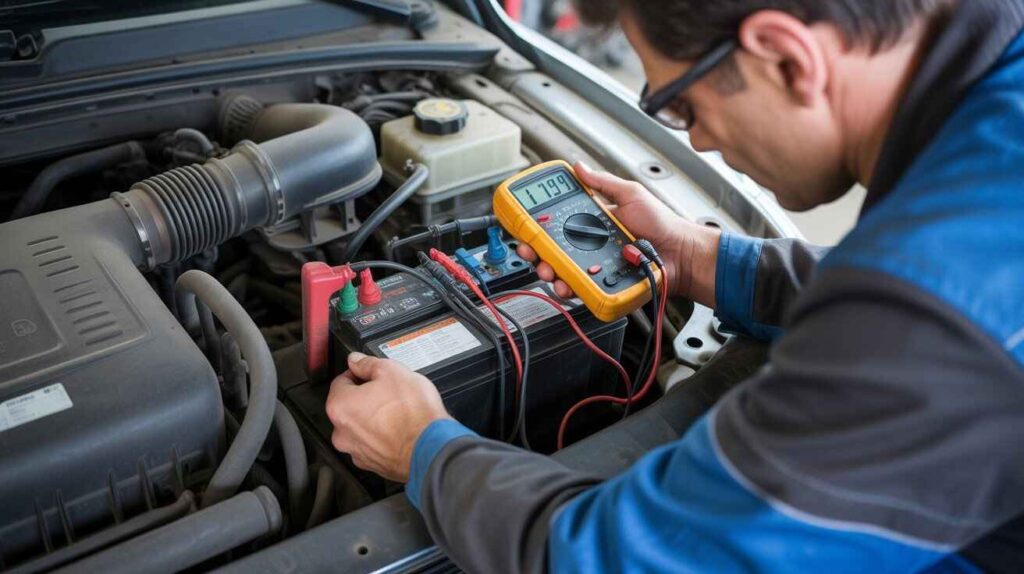
- Electrical faults — A failing alternator or low battery voltage interrupts engine electronics, leading to unpredictable shutdowns.
When these mechanical problems persist, professional manual transmission maintenance and diagnostic testing are the best solutions.
Preventive Measures
Proper Maintenance
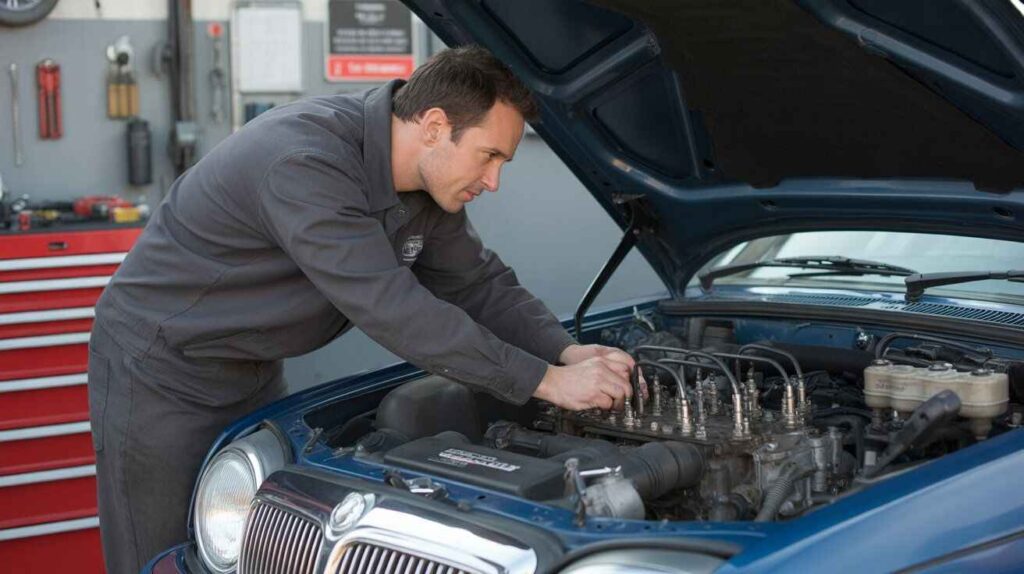
Preventing stalls starts with regular maintenance and mindful driving. Have your car serviced at recommended intervals — inspect spark plugs, fuel filters, sensors, and clutch hydraulics.
Clean air intake systems and monitor idle speed for irregularities.
Learning Proper Driving Techniques
Focus on your driving technique. Practice balancing clutch and throttle on flat roads before tackling hills. Learn to rev match when downshifting to prevent sudden load changes on the engine.
Awareness of Surroundings
Stay aware of your surroundings. On steep roads or in traffic, anticipate stops early and adjust your gear selection to match your speed.
Use the handbrake on inclines and maintain steady throttle input on slippery roads. Awareness and good technique are key to stall-free manual driving.
FAQs
Q1. Why do cars stall when stopping?
Forgetting to press the clutch causes RPM to fall too low, stopping the engine.
Q2. Can the weather cause stalling?
Yes — cold or humid conditions affect fuel combustion and idle stability.
Q3. Does stalling damage the car?
Occasional stalls aren’t harmful, but repeated ones may wear the clutch or starter.