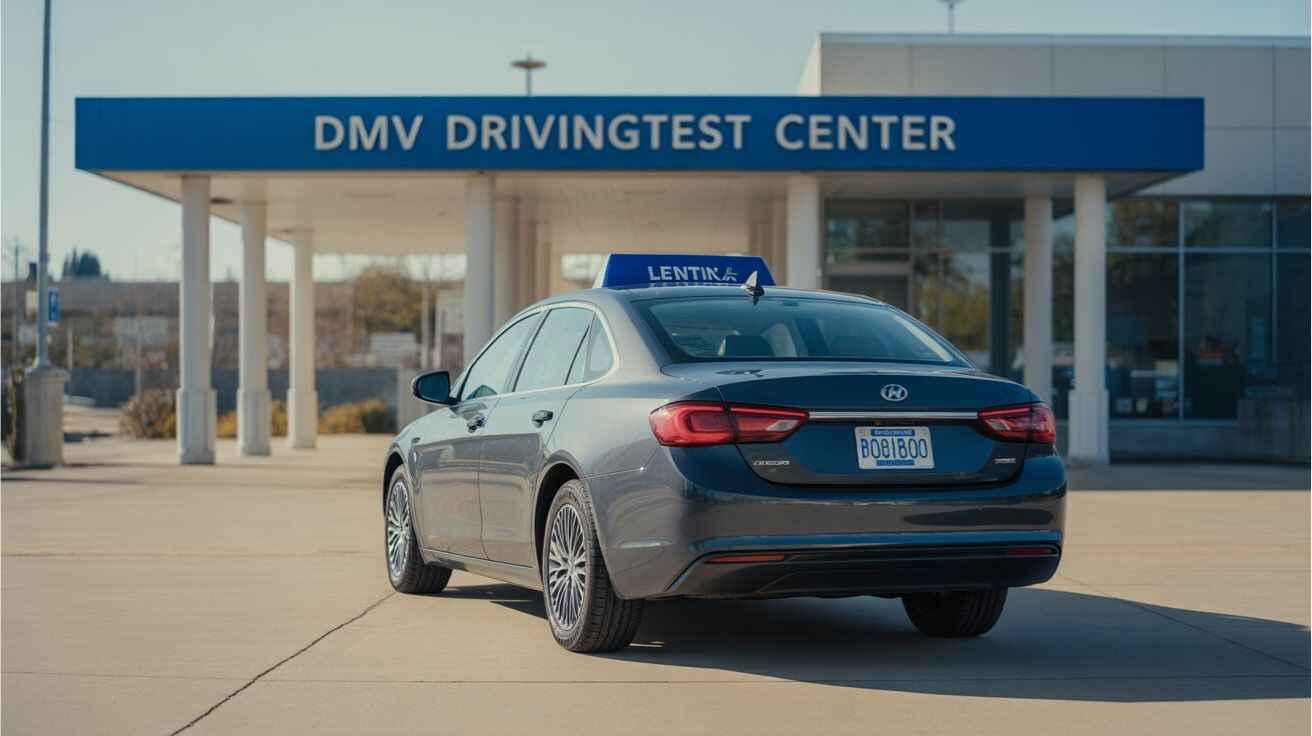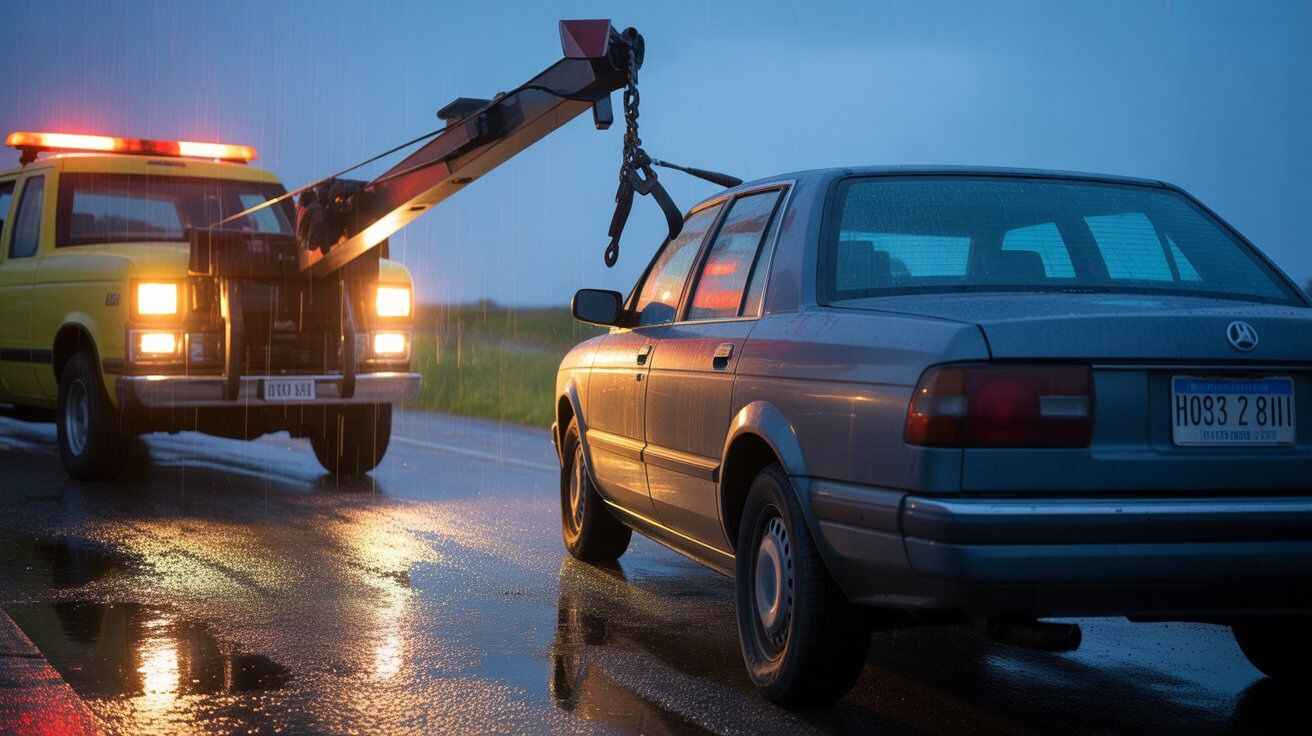
Cars go to auction for several reasons: dealers sell slow-moving or trade-in vehicles, owners need a quick sale, insurance companies auction salvage cars, and fleet or rental companies rotate inventory.
The Purpose of Car Auctions
Car auctions are like treasure hunts for car enthusiasts and bargain hunters. Picture a bustling venue filled with the sound of auctioneers calling out bids, eager buyers raising their paddles, and the thrill of competition in the air.
But why do cars end up here? Whether you’re looking to score an amazing deal or are curious about this unique marketplace, understanding why cars go to auction opens up a whole new world.
The Reasons Behind Cars Going to Auction
Cars go to auction for various reasons, often linked to their condition or ownership history. Cars go to auction to sell quickly, get competitive prices, or move trade-ins, fleet, or salvage vehicles efficiently.
- Need for a swift sale – Sellers, including dealerships and fleet owners, may turn to auctions for quick cash.
- Age or rarity of the car – Classic and vintage vehicles often appear at auctions for enthusiasts seeking unique models.
- Damaged cars – Insurers sell totaled vehicles as salvage, offering opportunities for restoration projects.
- Inventory clearance – Dealerships use auctions to make space for new arrivals while ensuring fair market value.
Each car has its own story leading it into the competitive world of bidding.
Types of Cars That Go to Auction
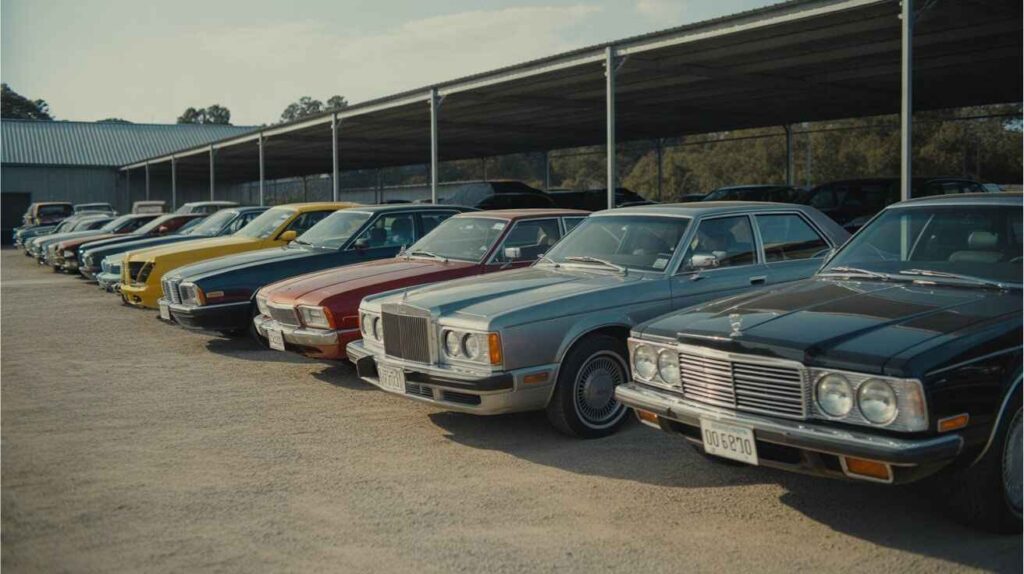
Auctions feature a diverse range of vehicles, including:
- Used cars – Sourced from private sellers or dealerships.
- Luxury and exotic cars – Attract passionate collectors.
- Classic cars – Appealing for timeless style and nostalgia.
- Salvage title vehicles – Sold at lower prices; require repairs but offer investment opportunities.
- Fleet vehicles – Former rental or company cars with maintenance records sold at competitive rates.
The Auction Process Explained
1.Registration & Preview
- Buyers register to participate in the auction.
- Cars are made available for inspection beforehand.
- Vehicle details, condition reports, and sometimes history reports are provided.
- Starting the Auction
- An auctioneer opens bidding for each vehicle.
- Starting bids may be set or begin at a nominal value.
- Bidding
- Buyers raise paddles or bid electronically to compete.
- The price increases with each new bid.
- Strategic bidding is crucial—stay within budget and avoid overpaying.
- Winning the Bid
- The highest bid wins when the auctioneer closes the bidding.
- The buyer pays the final bid price plus any applicable auction fees.
- Payment & Documentation
- The winning bidder completes payment according to auction rules.
- The auction house provides title transfer, bills of sale, and necessary documents.
- Vehicle Pickup or Delivery
- Buyers collect the car or arrange delivery.
- Any post-sale inspection or repair is now the buyer’s responsibility.
Advantages of Buying a Car at Auction
- Incredible deals – Cars are often sold below market value.
- Variety – Wide selection from vintage classics to late-model sedans.
- Transparent bidding – Easy to gauge the market by watching how much others bid.
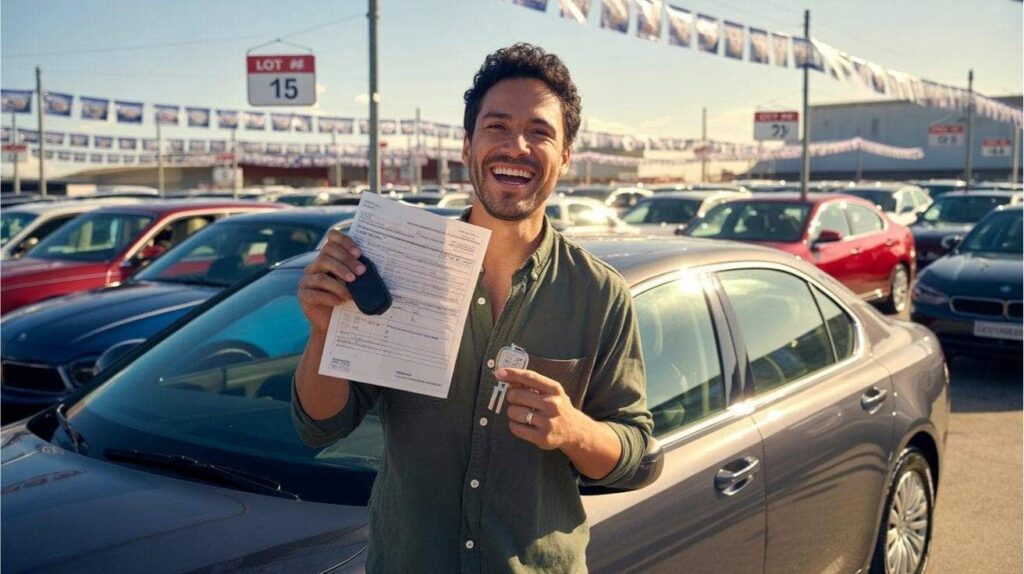
- Speed and efficiency – The process is fast, allowing buyers to drive away quickly.
Disadvantages of Buying a Car at Auction
- Limited vehicle history – Auctions often provide minimal information about previous ownership or maintenance.
- No warranties – Buyers assume all risks for potential repairs or hidden issues.
- Competition-driven prices – Bidding wars can lead to overpaying.
- Potential for mistakes – Lack of auction experience may result in purchasing a car that doesn’t meet your needs.
Why Dealers & Owners Send Cars to Auction
Dealers and owners use auctions for several strategic reasons. Auctions enable quick sales, allowing sellers to liquidate vehicles fast without long delays. They also help with inventory management, as dealers can clear excess or older stock to make room for new arrivals.
By participating in auctions, sellers gain access to a wider audience, including dealers, collectors, and private buyers, which increases the likelihood of selling at fair market value.
Additionally, auctions provide specialized markets where rare, vintage, or salvage cars reach buyers specifically looking for these types of vehicles, ensuring that each car finds the right audience.
Benefits for Sellers
- Fast cash flow – Sellers get quick payment without long listing times.
- Competitive bidding – Auctions can drive prices closer to market value.
- Reduced selling hassle – Minimal paperwork and streamlined sales process.
- Exposure – Vehicles are showcased to a large, motivated audience.
Benefits for Buyers
- Lower prices – Cars often sell below traditional market value.
- Variety – Buyers can access used cars, luxury vehicles, classics, and salvages all in one place.
- Transparency – Bidding lets buyers see true market demand.
- Opportunity for unique finds – Collectors and enthusiasts can discover rare or limited-edition models.
- Speedy purchase – The auction process allows buyers to acquire a vehicle quickly.
Tips for Buying a Car at Auction
- Do your homework – Research available vehicles and set a budget.
- Inspect the cars – Look for wear, damage, and potential issues.
- Check the vehicle history report – Reveals accidents or title issues.
- Bid strategically – Start lower than your maximum limit.
- Stay calm during bidding – Avoid impulse decisions; remember other cars are available.
FAQs
Q1: Why do cars go to auction?
A: To sell quickly, move trade-ins, rotate fleet vehicles, or auction salvage cars.
Q2: Can anyone buy cars at auctions?
A: Some auctions are public, allowing individuals to bid, while others are dealer-only.
Q3: Are auction cars cheaper than dealerships?
A: Often yes, because competitive bidding can lower prices, though condition and fees matter.