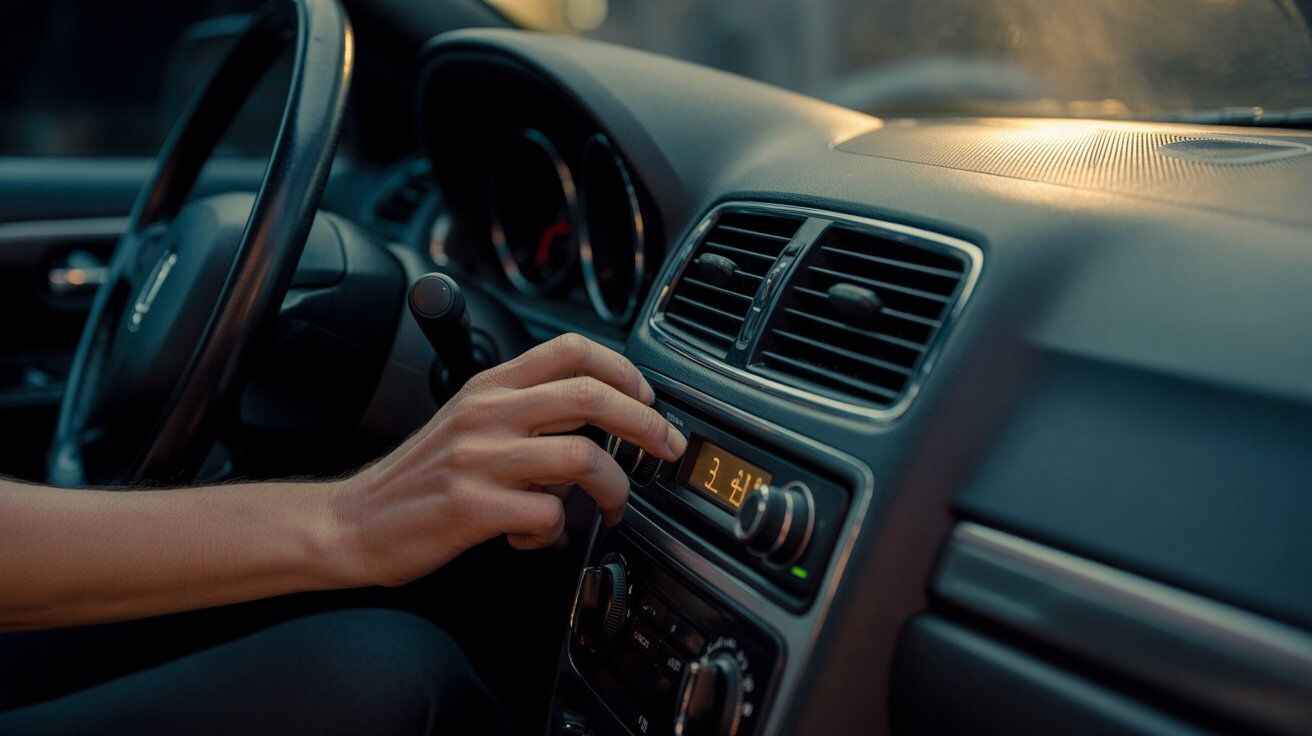
The car speakers are crackling because of loose or damaged wiring, amplifier clipping, bad grounding, or blown speaker components. These issues interrupt the audio signal, causing popping or static sounds—especially at high volume or when driving.
Why Are My Car Speakers Crackling?
Ever wondered, why are my car speakers crackling or making random popping sounds? This common car stereo crackle noise usually comes from loose wiring, amplifier clipping, or even damaged speaker cones.
Whether your car speakers crackle at high volume or distort randomly, this guide will help you diagnose the cause, apply simple DIY fixes, and learn how to keep your sound system clear.
Understanding Car Speaker Crackling and What It Sounds Like
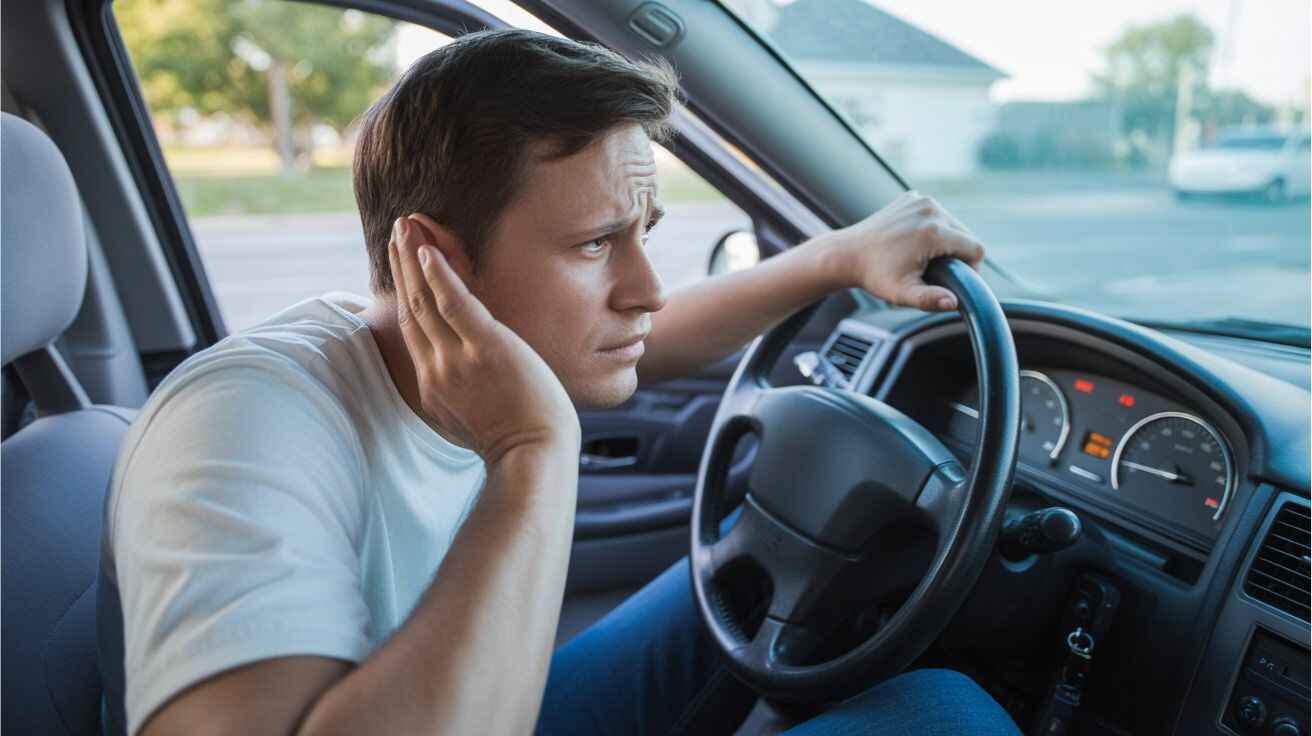
Crackling in car speakers usually sounds like tiny pops, static, or distortion that interrupts your music. It may happen only at high volume, while driving, or even when idling.
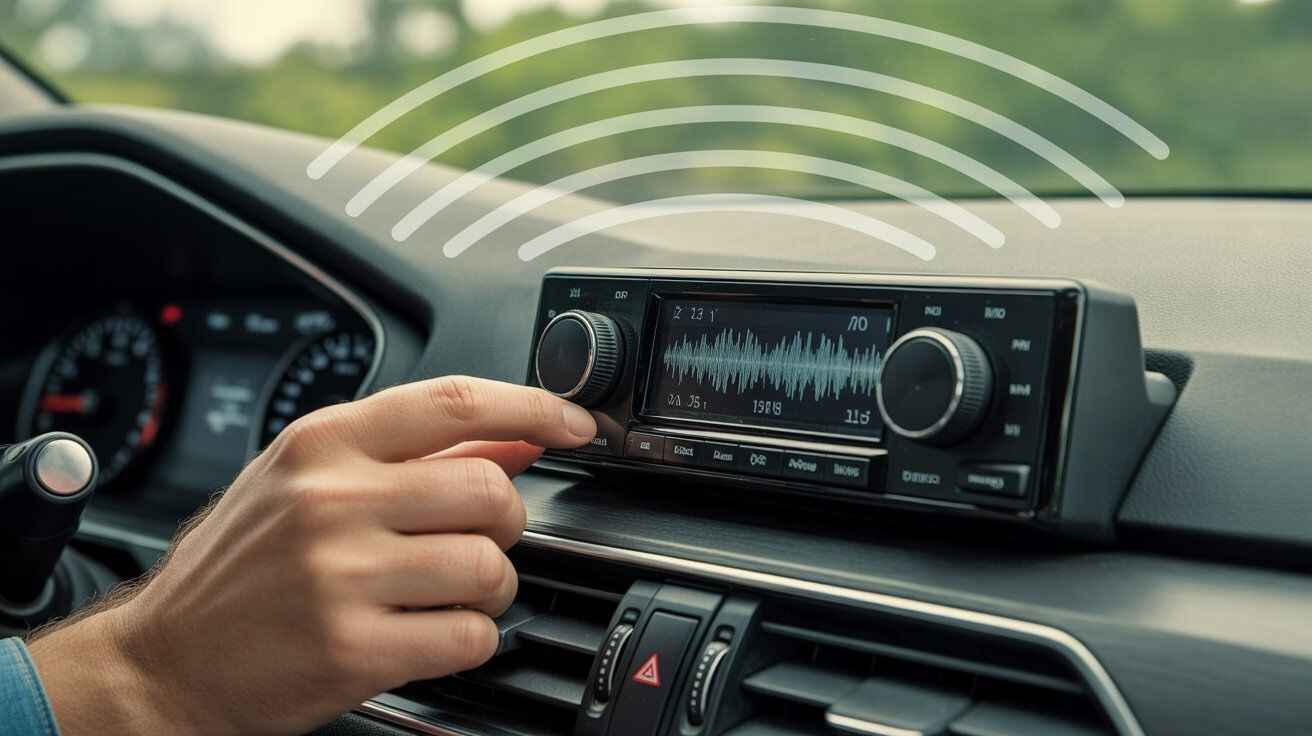
These noises often point to a loose speaker wire, amplifier clipping, or bad ground connection. To test it, switch between your radio, Bluetooth, and AUX inputs.
If the crackling changes or disappears, the problem might be the source or cable — not the speakers themselves. Understanding when and how the noise happens is the first step toward finding a real fix.
Common Causes of Crackling Car Speakers
Several common issues can cause car speaker crackling.
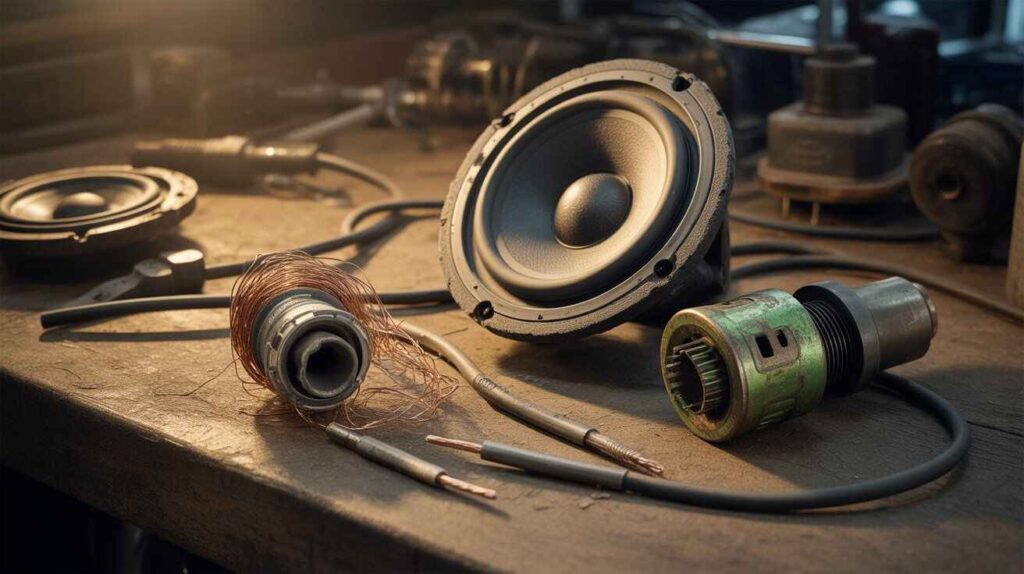
Loose or Corroded Wiring
Weak or damaged connections interrupt the audio signal, causing intermittent crackling or static sounds.
Blown Speaker Cone or Voice Coil
A torn cone or burnt voice coil distorts sound and produces constant crackling at any volume.
Amplifier Clipping or Faulty Head Unit
Overpowered signals from the amp or head unit “clip,” creating harsh distortion and crackling noise.
Bad Ground or Electrical Interference
Poor grounding or alternator interference introduces static that changes with engine speed.
Oxidized Terminals or Connectors
Dust, rust, or corrosion on terminals disrupts the signal path and causes popping noises.
Moisture Damage
Water exposure, especially in door speakers, leads to distortion, shorting, and crackling during playback.
Most crackling problems come down to signal interruption — from loose wires, corroded terminals, or bad grounding in the car audio system.
Step-by-Step Troubleshooting Guide
| Step | Action | Purpose / What It Solves |
|---|---|---|
| 1. Start with the source | Test multiple inputs like Bluetooth, AUX, and radio. | Determines if the crackling is coming from the speaker or the audio source. |
| 2. Lower the volume and EQ settings | If the crackling stops, your amplifier may be clipping. | Identifies amp overload or distorted signal issues. |
| 3. Adjust balance and fader | Move balance/fader to isolate each speaker. | Helps pinpoint whether only one speaker is causing the crackle. |
| 4. Inspect wiring connections | Check for loose or frayed speaker wires near the head unit and inside doors. | Detects broken or exposed wiring that can interrupt the signal. |
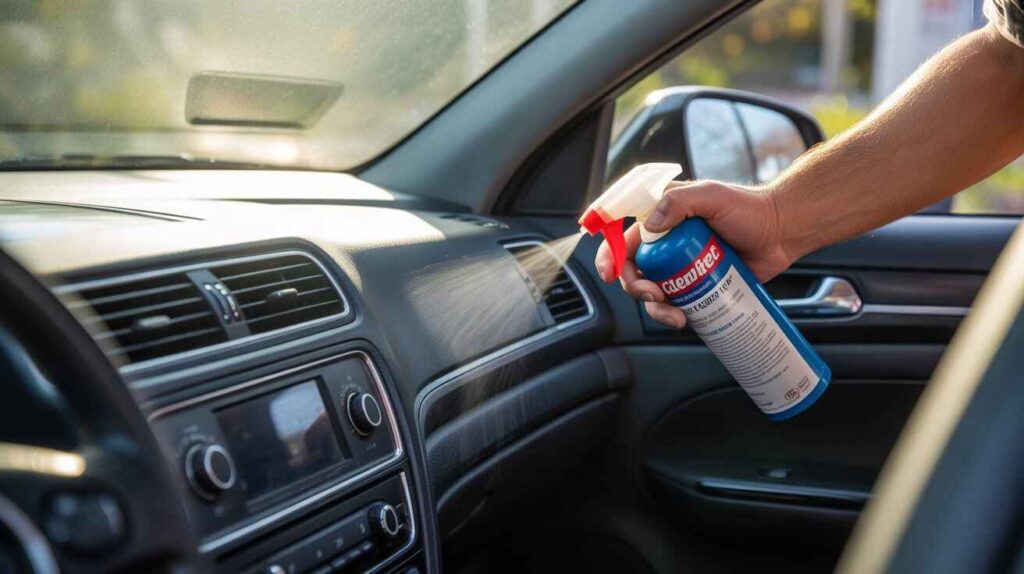
| 5. Clean terminals | Wipe terminals with electrical contact cleaner. | Removes oxidation and improves signal quality. |
| 6. Check grounding points | Tighten and clean all ground connections. | Reduces electrical interference and static noise. |
| 7. Look for moisture | Check door panels and speakers for dampness and dry them out if needed. | Prevents water-related short circuits and sound distortion. |
Quick Fixes You Can Try Right Now
- Tighten all speaker and power connections. Loose wiring is the top cause of crackling.
- Reset EQ or gain settings. Too much bass or volume can push your amp into distortion.
- Clean terminals and plugs. Remove oxidation for a cleaner sound path.
- Replace damaged speaker wires or connectors if they feel brittle or corroded.
- Add a noise filter to your power line if alternator whine is present.
- Test with a known good speaker. If the crackle remains, your amp or head unit may need professional help.
These quick fixes can solve most cases of car speakers crackling when driving or at high volume.
When to Replace or See a Professional
If your car speakers keep crackling after tightening wires and cleaning terminals, the driver itself might be blown.
Signs include constant distortion, rattling, or no sound at all from one speaker. A professional audio technician can test your amplifier output and verify if the voice coil is damaged.
In many cases, speaker replacement is affordable — and high-quality replacements can dramatically improve sound clarity.
Preventing Future Speaker Crackling
- Keep your audio system healthy by using quality speaker wire, maintaining clean connections, and avoiding excessive bass boosts.
- Protect door speakers from water and vibration damage, and periodically check for loose wiring behind your head unit.
- Prevention keeps your system sounding crisp and clean.
FAQs
Q1: Why are my car speakers crackling only when I turn up the volume?
Your amp or head unit is likely clipping — reduce the gain or bass boost.
Q2: Can a bad ground cause car speaker crackling?
Absolutely. A weak ground creates static or popping that mimics electrical interference.
Q3: Are my speakers blown if they’re always crackling?
Constant crackle even at low volume means the speaker cone or coil is damaged — replacement is best.
Q4: How do I fix crackling in my car speakers?
Check connections, clean terminals, and lower amp gain before replacing components.