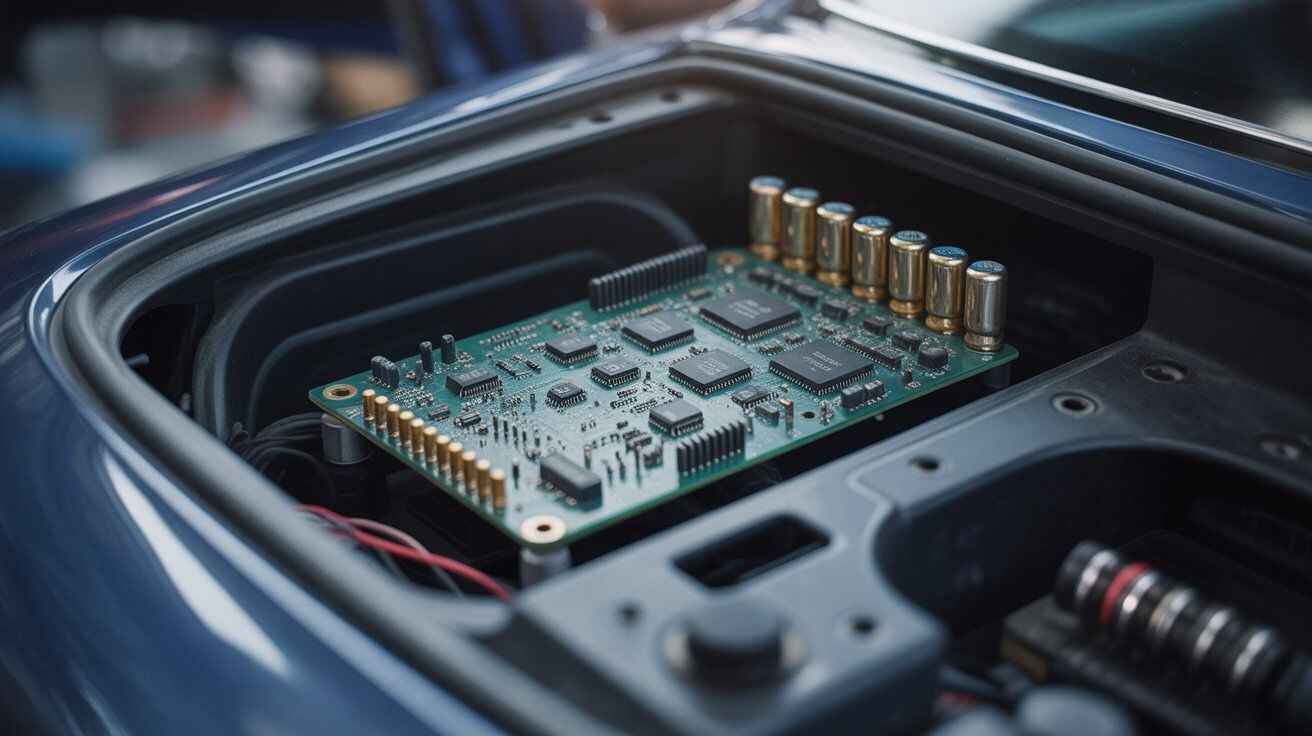
10,000 Mega Ohms resistors are used in car audio to provide ultra-high resistance that protects amplifier inputs, reduces noise, prevents signal loss, and ensures stable, high-fidelity performance in high-impedance circuits.
Car Audio Resistors
Every high-quality car audio system relies on components that ensure signal integrity and clarity, and resistors play a critical role. Resistors are crucial in high-quality car audio, affecting sound clarity, signal stability, and noise reduction.
Ultra-high resistance resistors, like 10,000 mega ohms, control current flow and stabilize sensitive amplifier circuits.Proper resistor selection ensures clean, high-fidelity audio free from interference. This article covers resistor types, their use in amplifiers and filters, and key factors for choosing the right values.
What Are Resistors?
Resistors are electronic components that limit current flow in a circuit.The unit of resistance, Ohm (Ω), is defined by Ohm’s Law (V = IR), which relates voltage, current, and resistance.
In car audio, they manage voltage, protect sensitive parts, and keep signals consistent. High-value resistors, especially in the megaohm range, are key in high-impedance circuits like amplifier inputs and preamp stages.
High-value resistors in the megaohm range are vital for high-impedance circuits like amplifier inputs and preamp stages. Using the right car audio resistor value ensures minimal current draw, preventing distortion or loss in low-level signals.
Correct resistor selection prevents distortion, reduces noise, and preserves the integrity of low-level audio signals, ensuring high-quality sound.
Types of Resistors Used in Audio Systems
Audio circuits use different resistor types, each with specific traits.
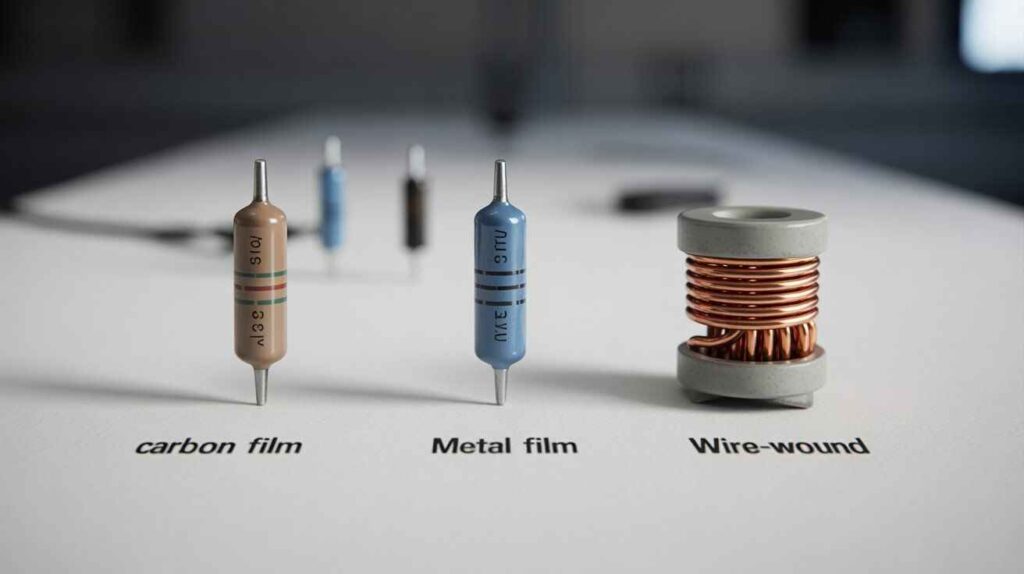
- Carbon film resistors are cheap but slightly noisy.
- Metal film resistors offer low noise, high stability, and precision, ideal for sensitive car audio.
- Wire-wound and metal oxide resistors suit high-power or specialized circuits.
In car audio, megaohm-range resistors are used for biasing, leakage control, and high-impedance signal paths. They limit current, prevent circuit loading, and preserve delicate audio signals.
Choosing the right resistor tolerance is crucial—tighter tolerances maintain consistent performance despite temperature or voltage changes.
Proper selection ensures stable, clear, and noise-free sound in automotive audio systems.
Why 10,000 Mega Ohms Resistors Are Used in Car Audio ?
High Resistance Value
10,000 mega ohm resistors provide ultra-high resistance that limits current flow to very low levels. This prevents signal loading in sensitive amplifier inputs and helps isolate different circuit stages.
As a result, the audio signal remains clean, stable, and free from distortion or interference—essential for achieving high-fidelity sound in car audio systems.
Stability and Consistency
These resistors, often made from metal film, offer excellent thermal stability. Their resistance stays consistent even when vehicle cabin temperatures fluctuate.
This reliability ensures that amplifiers and other audio circuits perform smoothly over time without introducing distortion or tonal imbalance.
Noise Reduction
Ultra-high-value resistors reduce leakage currents that can cause background noise like hum or hiss in amplifiers and preamp stages.
By lowering noise and improving signal purity, they help deliver clearer highs, tighter lows, and an overall balanced, high-quality audio experience in car sound systems.
Applications in Car Audio Circuits
Amplifier Circuits
In amplifiers, 10,000 mega ohms resistors are often used for input biasing. They maintain the proper voltage reference at transistor gates or op-amp inputs, ensuring the amplifier operates within optimal parameters. This also prevents unwanted pops or hum when the system powers on.
Signal Processing
These resistors are also critical in signal conditioning in audio electronics, such as preamp stages and crossover networks.
They help maintain low-level signal integrity, ensuring that every note, beat, and vocal nuance passes through the system cleanly.
Equalization and Filtering
In tone control networks and filters, equalizer filter network resistors define cutoff points for specific frequencies.
Using the correct resistance ensures smooth frequency response and precise audio shaping. Combined with capacitors, these resistors help reduce noise, prevent signal distortion, and optimize sound clarity.
Factors to Consider When Choosing Resistors
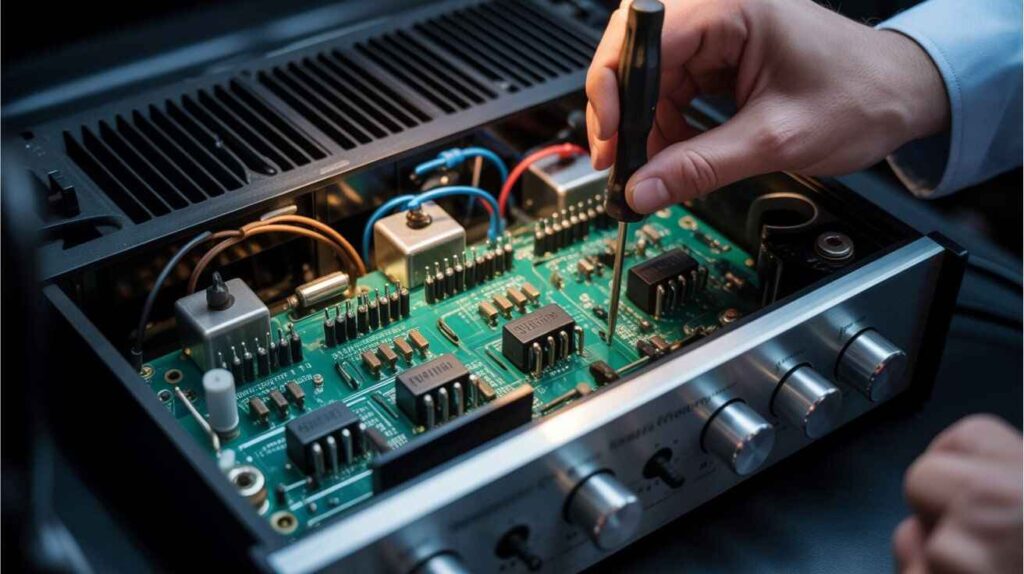
Power Rating – Always select a resistor power rating in car audio that can handle thermal loads, even in low-current, high-resistance circuits.
Tolerance and Temperature Coefficient – Low tolerance (±1%) resistors ensure precision voltage division, while low temperature coefficients maintain performance across heat variations.
Size and Form Factor – Consider resistor size form factor speaker system limitations, especially in compact amplifiers or head units. SMD resistors may be suitable for tight spaces, while through-hole types are easier to replace and handle higher heat.
Practical Examples of 10,000 Mega Ohms Resistors
- Input bias resistor for amplifier preamps to prevent floating inputs.
- DC blocking resistor in coupling circuits to protect stages from DC leakage.
- EMI suppression in sensitive audio lines to reduce hum and interference.
A simple schematic can illustrate: signal source → high-resistance resistor → amplifier input, highlighting how ultra-high resistance protects delicate circuits.
FAQs
Q1: Why are 10,000 Mega Ohms resistors used in car audio?
They provide ultra-high resistance for input biasing, noise reduction, and signal protection.
Q2: Can I use a lower-value resistor instead?
Lower values can load the circuit, causing distortion or interference.
Q3: Which resistor types are best?
Metal film resistors offer low noise and stability; carbon film is an economical option.