
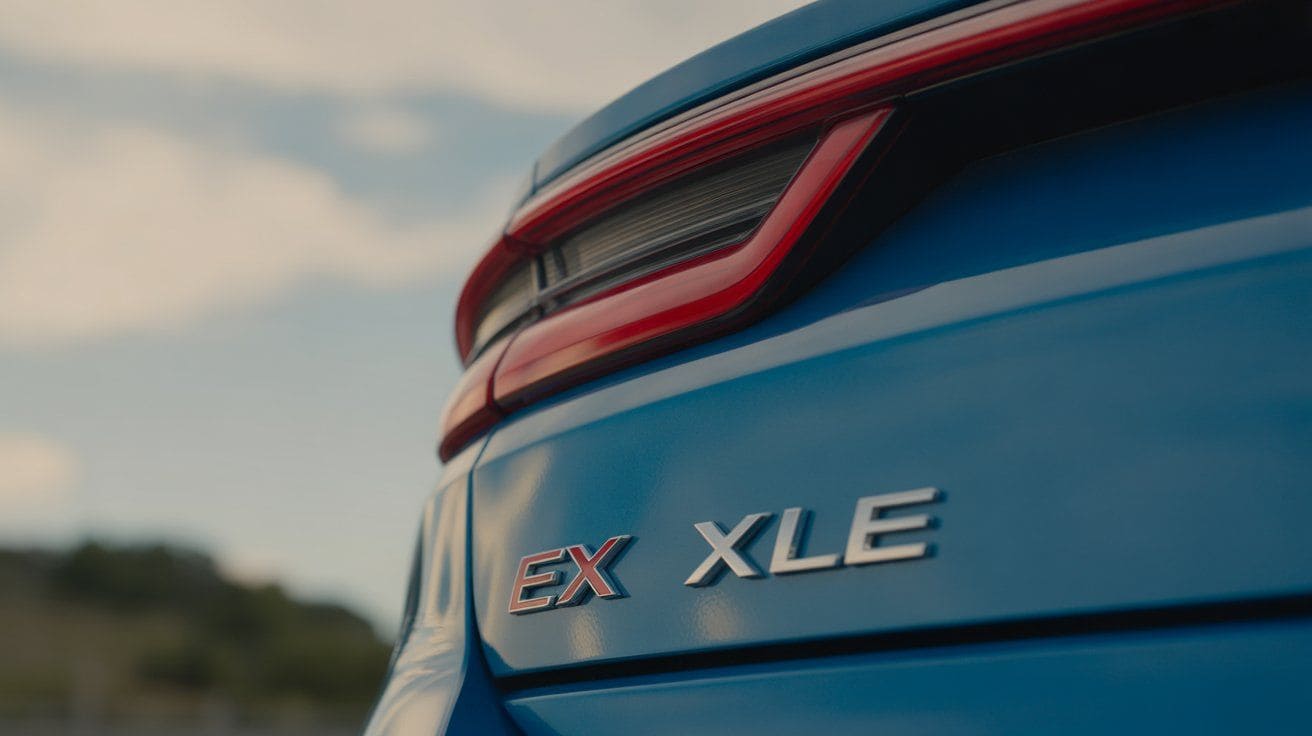
To find the trim of your car, check the badges, door-jamb sticker, or paperwork. For the most accurate result, decode your VIN using an online VIN lookup — it will show your exact trim and features.
How Can I Find the Trim of My Car?
If you’ve ever tried ordering parts, comparing car values, or checking insurance quotes, you’ve probably asked yourself, “How can I find the trim of my car?”Your trim level determines the features, engine, technology, and even the way your car is priced.
What a Trim Level Actually Means
A trim level is the specific version of a vehicle defined by the features and equipment it came with from the factory. Think of it as the “flavor” of your car—same model on the outside, but built with different technology, comfort features, performance options, and styling elements. Trims help manufacturers offer a variety of configurations without producing entirely different models.
Trim vs. Model vs. Packages
- Model: The vehicle name, like Corolla or Accord.
- Trim Level: The version of that model, such as LE, SE, EX, or Touring. Each trim adds or removes features.
- Packages: Optional add-ons (like a Premium Package) that upgrade a trim but don’t change the trim level.
Why Trim Levels Affect Repairs, Value, and Insurance
- Repairs & Parts: Different trims use different parts—ordering the wrong one leads to mismatches.
- Resale Value: Higher trims typically sell for more thanks to better features.
- Insurance: Premium trims often cost more to repair, which can affect your insurance rate.
Quick Ways to Identify Trim Level
If you want fast answers, start here.
1. Check Exterior Badges
Most vehicles proudly display their trim on the rear or side—labels like EX, LX, SE, XLE, Touring, or Sport. Just remember: badges can fall off… or be added by previous owners.
2. Look at the Door-Jamb Sticker
Inside the driver’s door, you’ll find a factory sticker. Some manufacturers list trim names or equipment codes here. These codes often appear on OEM parts databases that reveal trim level.
3. Review Registration or Insurance Paperwork
Some states include your trim in DMV records. Insurance documents may also list it.
4. Original Window Sticker
If the original buyer saved it (or if you have a dealer printout), the trim level is listed near the top.
Using the VIN — The Most Accurate Method
When in doubt, use the Vehicle Identification Number (VIN). It’s the industry’s gold-standard tool.
Where to Find the VIN
- Driver-side dashboard
- Driver-side door jamb
- Registration, title, or insurance card
Use a VIN Decoder
Enter your VIN into a trusted decoder (NHTSA, manufacturer websites, or reputable third-party tools). These tools identify:
- Trim level
- Engine size
- Factory options
- Safety features
- Drivetrain configuration
Understanding the Output
A good VIN decoder will tell you the exact trim, such as EX-L, Limited, Sport, or Premium Package, along with equipment details. This is the most accurate method when badges are missing or features have been modified.

Identifying Trim Without a VIN
Sometimes, VIN tools don’t show trim or the info is incomplete. In that case, compare your car’s features manually.
Exterior Clues
Trim levels often change:
- Wheel size and style
- Headlights and taillights
- Chrome accents or body kits
- Roof rails or sunroof options
Interior Clues
Check:
- Upholstery type (cloth vs leather)
- Screen size
- Audio system
- Instrument cluster
Mechanical Differences
Higher trims may include:
- Stronger engines
- Upgraded transmissions
- AWD vs FWD differences
Use manufacturer brochures or model-year comparison charts to match your features to the proper trim.
Advanced Verification Methods
When accuracy matters—especially for used or imported cars—use these steps.
Request a Build Sheet
Dealers can print a factory build sheet using your VIN. This document lists the exact trim and every installed option.
OEM Parts Databases
Online parts catalogs often reveal trim level when you enter your VIN. They match your vehicle to the correct parts and configurations.
Vehicle History Reports
CarFax, AutoCheck, and similar services frequently list trim level along with ownership and mileage history.
Special Situations That Complicate Trim Identification
Sometimes it’s not straightforward.
Older Vehicles
Cars built before 1981 don’t have standard VINs, making trim verification more manual.
Imported Vehicles
Trim names vary between countries, and some trims don’t exist in U.S. databases.
Modified or Badge-Removed Cars
Aftermarket wheels, removed badges, interior swaps, and custom work can disguise the original trim.
Troubleshooting Trim Mismatches
If information doesn’t line up, here’s what to do:
- VIN says one thing, features say another → The car may have been modified.
- Paperwork lists the wrong trim → DMV mistakes happen; verify using build sheet or VIN.
- Badges don’t match equipment → Badge may be aftermarket or incorrect.
Always trust factory documentation over visible features.
FAQs
1. Is trim the same as model?
No. The model is the vehicle (Civic, Camry), while the trim is the configuration (EX, SE, Limited).
2. Can I find my trim by VIN alone?
Yes. Modern VIN decoders usually identify trim accurately.
3. Why doesn’t my VIN show trim?
Some manufacturers don’t encode trim directly; use a build sheet or compare features.
4. Can I check trim by license plate?
Some states provide trim in DMV data, but not all public tools show it.
5. Does trim affect resale value?
Absolutely. Higher trims often sell for significantly more.