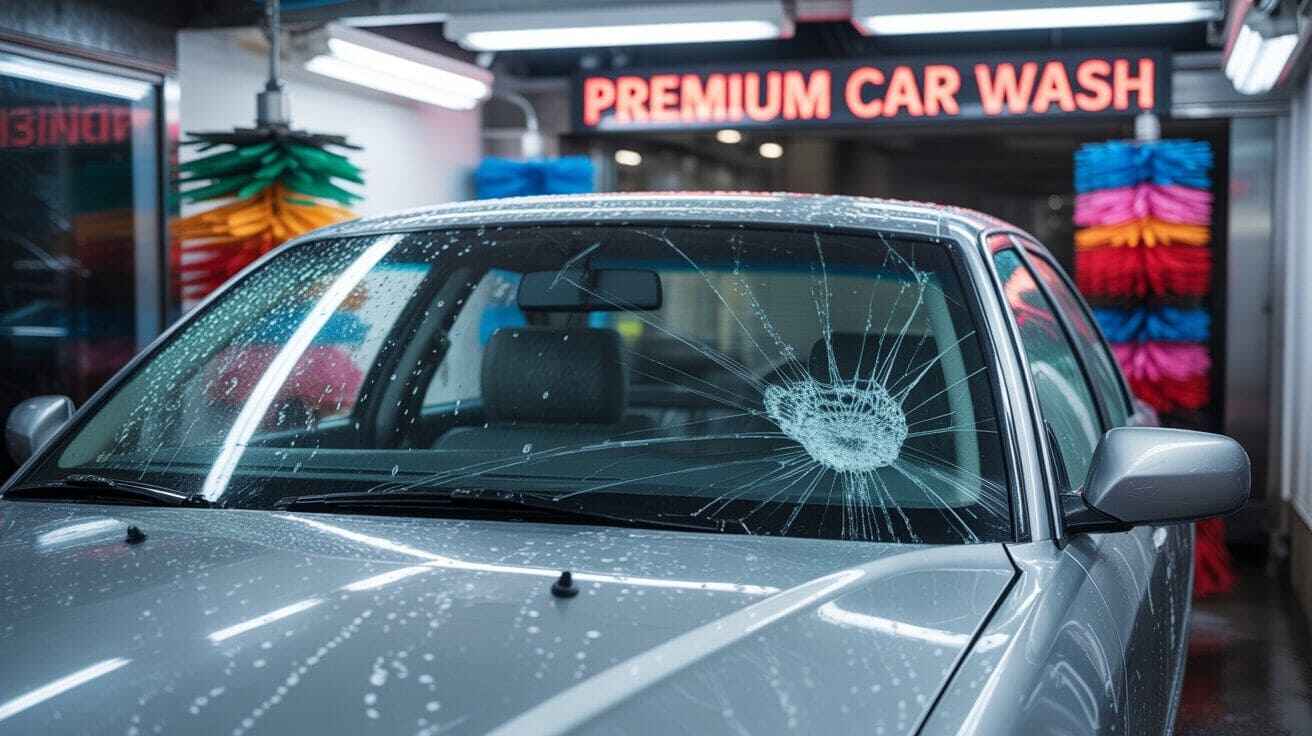
Yes, you can get a car wash with a cracked windshield, but it’s not recommended. High-pressure water, temperature changes, and harsh brushes can make the crack spread or cause the glass to weaken further.
What Causes Windshield Cracks
Windshield cracks can appear for several reasons, and knowing their causes helps prevent expensive repairs.
The most common cause is impact from road debris—tiny stones, gravel, or metal fragments thrown up by passing vehicles. Even small chips can grow into long cracks if not repaired quickly.
Another frequent cause is extreme temperature change. Parking in hot sunlight and then washing your car with cold water can cause the glass to expand and contract unevenly. This thermal stress weakens the windshield and makes cracks spread faster.
Other factors include minor accidents, vehicle body flexing, aging seals, or continuous vibrations from rough roads. Over time, these stresses can turn minor chips into serious cracks.
Types of Windshield Cracks
Not all cracks are the same. Identifying the type helps decide whether to repair or replace the glass.
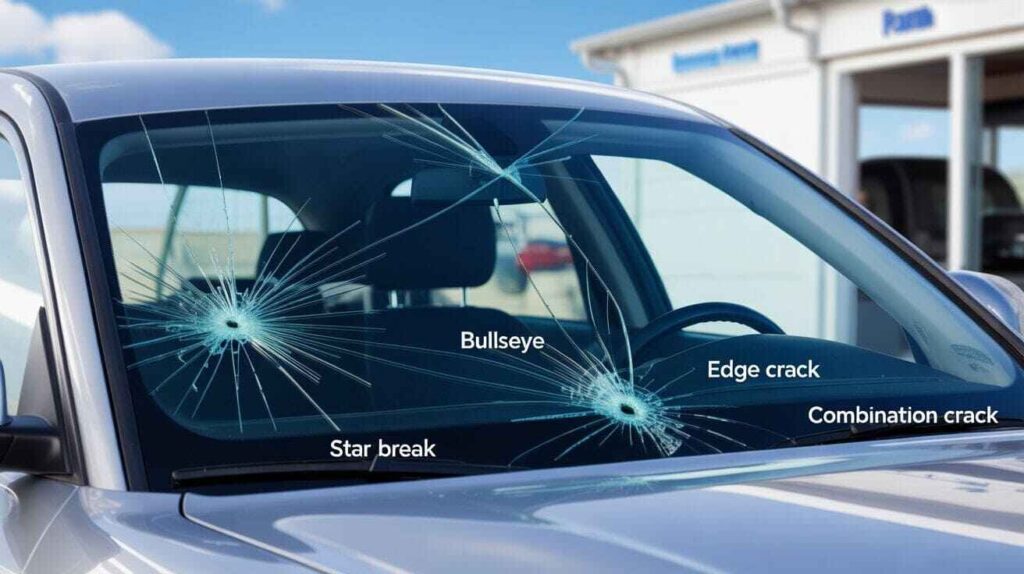
- Star Break: Lines radiating from a central impact point. These can spread easily from vibration or pressure.
- Bullseye Crack: A circular fracture from direct impact. It may deepen and blur visibility if ignored.
- Edge Crack: Starts near the windshield border and is the most dangerous since it weakens structural integrity.
- Combination Crack: Mix of chips and long fractures formed when smaller cracks merge.
- Rock Chip: A small pit or ding that seems harmless but can quickly spread due to water pressure or temperature shifts.
How Cracks Affect Vehicle Integrity
A cracked windshield is more than a visual problem—it’s a safety concern. The windshield provides up to 30% of a car’s structural strength, especially during rollovers or collisions. A damaged one cannot support airbags properly or prevent roof collapse.
Cracks also let water and dirt seep inside, damaging electrical parts, sensors, and the dashboard. Keeping your windshield intact ensures both visibility and the overall safety of your car.
Assessing Crack Severity
Before washing, inspect the damage carefully. Small chips or cracks under six inches long can usually survive gentle washing. However, edge or long cracks are risky.
Shine a flashlight behind the crack—if light passes through, it’s deep and fragile. Avoid automatic car washes if the crack reaches the edge or spans more than six inches.
In that case, visit a glass repair specialist first.
Risks of Washing a Car with a Cracked Windshield
Water Intrusion
Cracked glass can allow moisture to seep inside. High-pressure car washes can push water deep into the crack, worsening it or damaging interior components.
In cold weather, trapped water can freeze and expand, making the crack larger. Even soap and dirt entering the crack can complicate later repairs.
Further Damage
Automatic car washes use high-pressure jets and spinning brushes that vibrate and stress the windshield. These forces can cause cracks to lengthen or split.
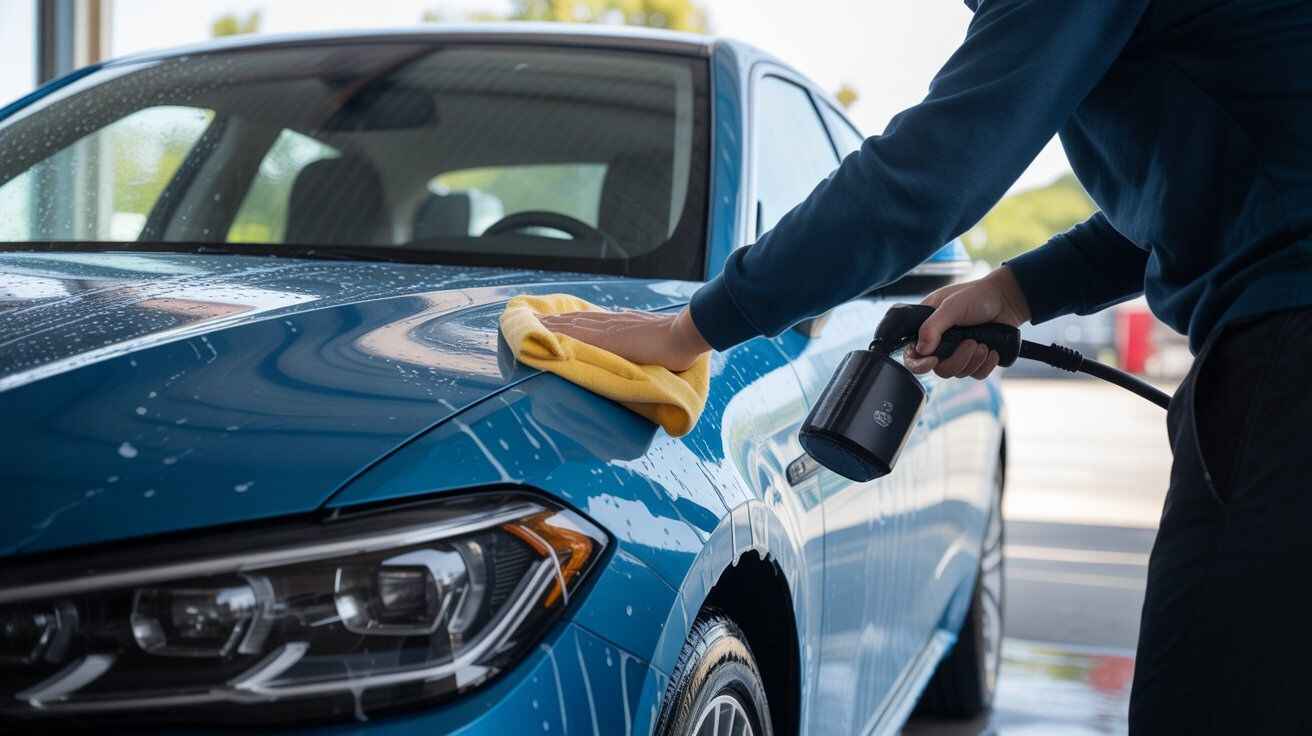
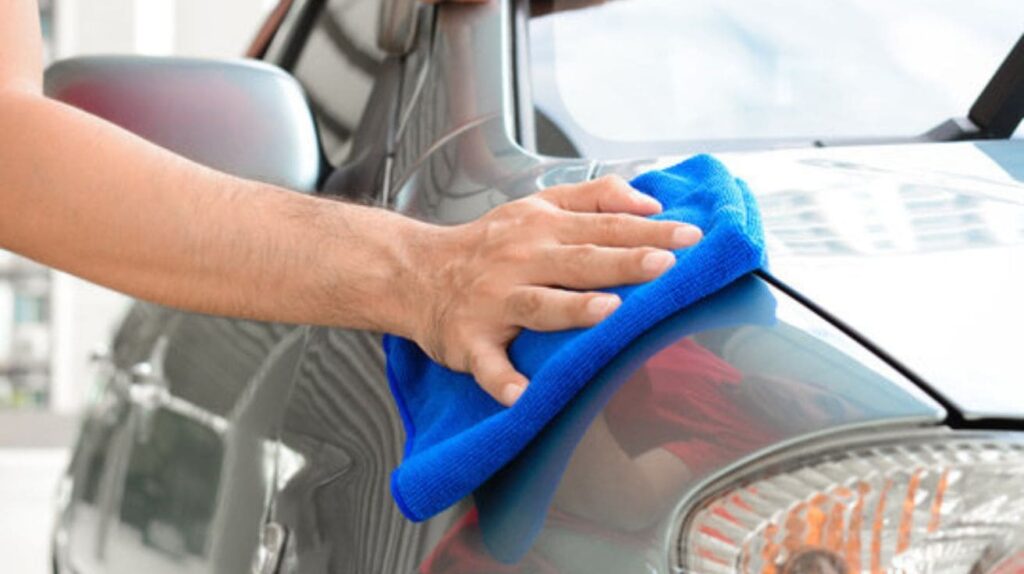
If washing is necessary, opt for a gentle hand wash using soft microfiber towels and mild water pressure. Avoid spraying directly on the crack, and don’t use very hot or cold water.
Reduced Visibility
Cracks can trap soap, water, or minerals, creating glare or distortion—especially at night.
Over time, mineral buildup makes the crack more noticeable. Repairing small cracks early helps maintain clear visibility and safer driving conditions.
Best Practices for Washing a Cracked Windshield
Hand Wash Instead of Automatic
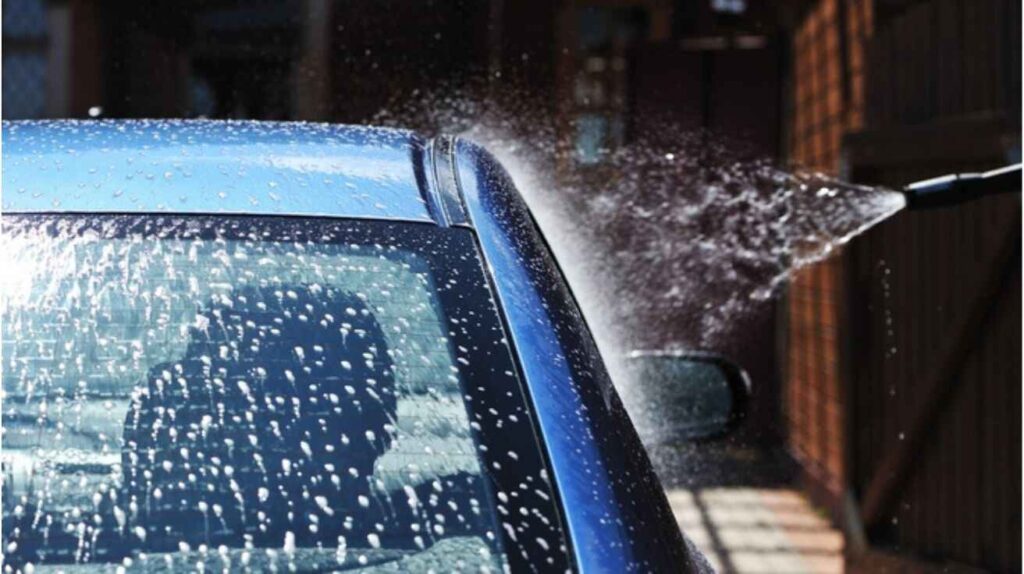
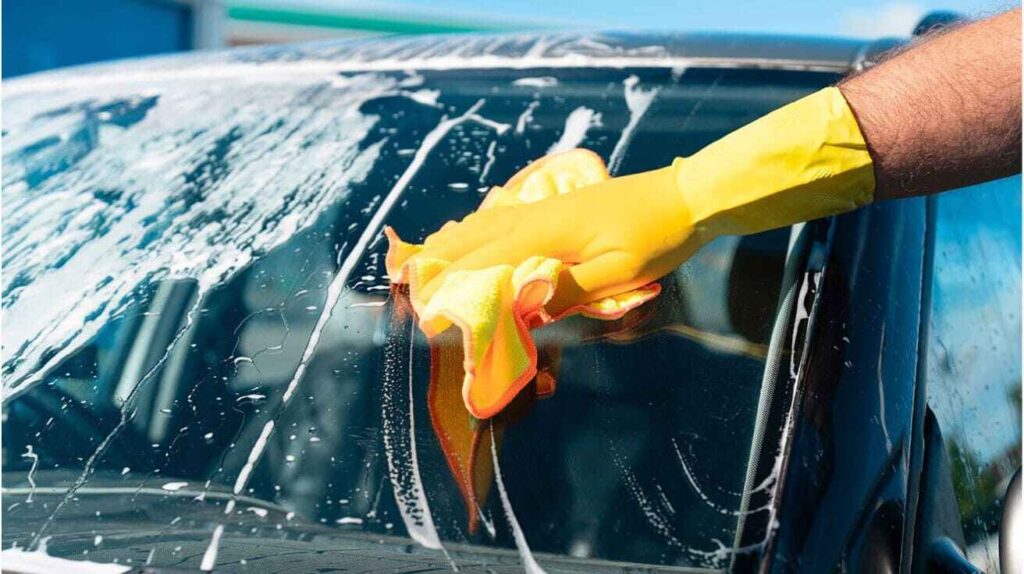
When your windshield is cracked, hand washing is safest. It gives you full control over water pressure and prevents unnecessary stress on the glass. Use soft cloths, gentle circular motions, and lukewarm water.
Automatic and touchless washes both pose risks from strong jets and sudden temperature shifts, which can cause cracks to spread.
Use Gentle Cleaning Products
Choose pH-balanced, non-ammonia cleaners. Avoid harsh detergents or abrasive tools that could scratch or weaken the glass and seals. Use a microfiber sponge to minimize strain on the cracked area.
Wash at the Right Time
Avoid washing right after driving under direct sunlight or during freezing weather. Sudden temperature changes can worsen cracks.
Early morning or evening—when temperatures are moderate—is the best time to wash without causing stress to the glass.
Repairing a Cracked Windshield
When to Repair or Replace
If a crack is smaller than six inches and not in your direct line of sight, it can usually be repaired.
However, if it reaches the edges or blocks your vision, replacement is the safer option. Ignoring large cracks increases the risk of shattering while washing or driving.
DIY vs. Professional Repair
DIY repair kits can fix minor chips, but they’re not always reliable. Without proper tools or resin, cracks may remain visible or continue spreading.
Professional technicians ensure proper sealing, bonding, and structural integrity. If you’re unsure, always get expert help before exposing the windshield to water or vibration.
FAQs
Q1: Will a car wash make a windshield crack worse?
Possibly. High-pressure water, vibration, and rapid temperature changes can extend the crack or chip, especially near the edges.
Q2: Can I hand wash my car if the windshield is cracked?
Absolutely. A manual hand wash using mild soap, gentle wiping, and low water pressure is the safest method.
Q3: How long after windshield replacement can I get a car wash?
Wait at least 24–48 hours to let the adhesive cure fully. Using a car wash too soon may loosen the seal.