Yes, you can use Clorox wipes on Car Interior non-porous surfaces like plastic dashboards, door handles, and metal trims.Avoid using a tic or metal object in your car, but especially on leather, fabric, vinyl, and touchscreens to prevent damage.
Is It Safe to Use Clorox Wipes on a Car Interior?
Yes—but carefully. The product is safe for hard, sealed materials, excluding those with porous or coated finishes. According to Clorox’s own care instructions, these wipes are intended for finished, durable surfaces only. However, avoid wiping leather seats, soft vinyl, or fabric upholstery, since the chemicals can strip natural oils and leave them brittle or faded
Composition of Clorox Wipes
Clorox disinfecting wipes are pre-moistened sheets infused with antibacterial cleaning agents, surfactants, and a mild bleach derivative. These compounds kill 99.9% of bacteria and viruses on hard, non-porous surfaces, including glass, metal, and plastic.
Purpose and Primary Use Cases
Originally designed for household disinfection—think countertops, sinks, and doorknobs—Clorox wipes have become a quick and effective solution for sanitizing high-touch areas in vehicles.
Not all car interior materials react the same way. Knowing where and how to use these wipes safely can prevent premature wear, dullness, or cracking on delicate finishes.
Surface Compatibility of Clorox Wipes on Car Interior
Materials Safe for Clorox Wipes
Clorox wipes are generally safe for hard plastics, metal trims, seatbelt buckles, steering wheels (non-leather), and cup holders. These are non-porous surfaces that resist chemical absorption, making them ideal for quick disinfection.
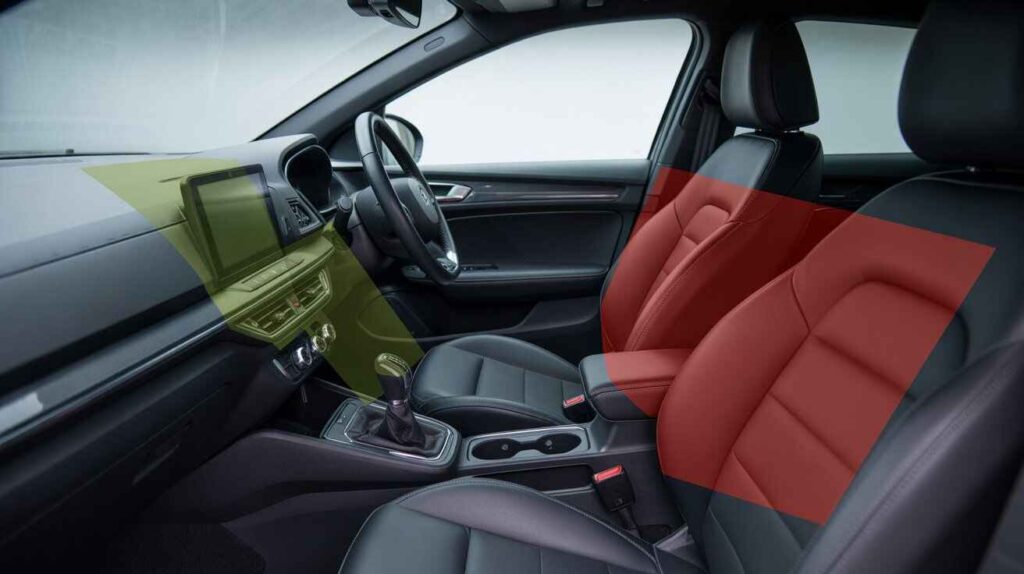
Materials That May Be Damaged by Clorox Wipes
Avoid using them on leather, vinyl, fabric upholstery, wood trim, or touchscreen displays. The alcohol and disinfectants can remove protective oils, fade dyes, and weaken coatings.
Even a few wipes can cause dryness or discoloration over time. For those areas, switch to car-specific cleaners or microfiber cloths with mild soap to maintain both hygiene and finish.
What Are Clorox Wipes Designed For?
Clorox wipes are formulated to disinfect hard, non-porous surfaces, such as countertops, faucets, and doorknobs. They work by killing bacteria and viruses on smooth, sealed materials. Inside your car, not every surface fits that description.
Plastic buttons, metal trims, and coated surfaces can handle these wipes, but leather, fabric, and touchscreen displays can’t. Understanding this difference is key to cleaning safely without causing long-term damage to your car’s interior finish.
Safe Car Interior Surfaces for Clorox Wipes
You can confidently use Clorox wipes on:
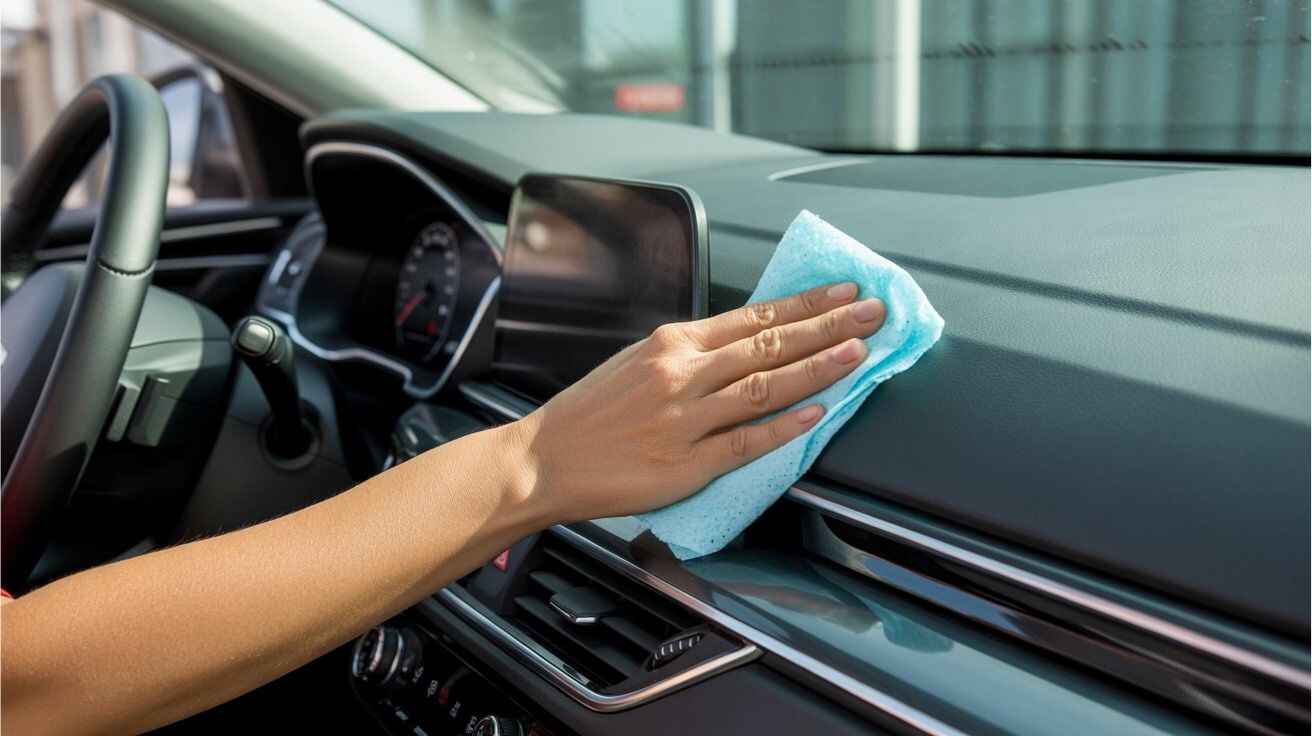
- Dashboard plastic and console buttons
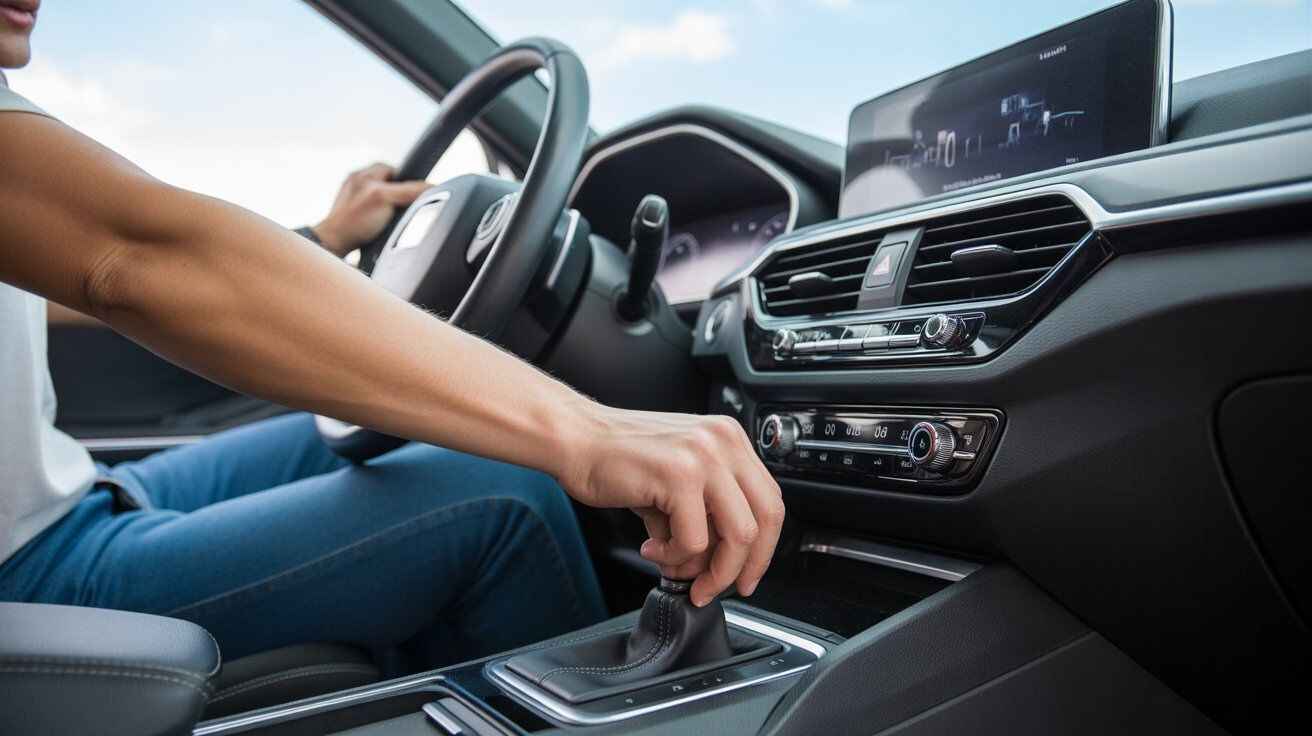
- Door handles and gear shifters
- Seat belt buckles and hard trim areas
Manufacturer’s Guidelines and Risks
Using Clorox wipes on leather or vinyl can strip away the protective layer, leaving it brittle. On infotainment screens, the wipes may damage anti-glare coatings.
The heat inside cars can intensify chemical reactions, so always clean when surfaces are cool. The safest approach is to use these wipes as a spot disinfectant, rather than a universal cleaner.
Surfaces to Avoid or Be Careful With
Leather and vinyl interiors don’t react well to disinfecting wipes. Over time, the alcohol and cleaning agents can dry out, discolor, or crack these materials.
Similarly, infotainment screens and wood trims can lose their protective coating or develop streaks. Instead, use automotive leather conditioner for seats and screen-safe microfiber cloths for displays.
If you accidentally wipe a sensitive surface, clean it immediately with a damp cloth and then apply a conditioner. Being selective protects your interior’s look and lifespan.
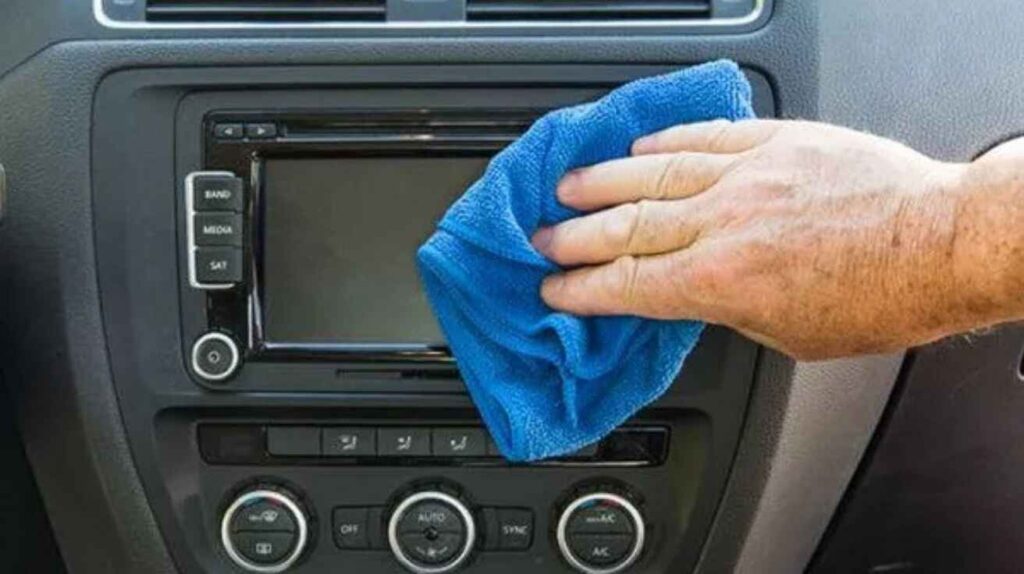
How to Use Clorox Wipes Safely on a Car Interior
Here’s how to disinfect smartly:
- Vacuum away dust and crumbs.
- Use Clorox wipes on cool, hard surfaces only.
- Wipe until the area stays visibly wet for a few minutes.
- Let it air dry—don’t rinse or rub dry.
- For leather, follow with conditioner if accidentally wiped.
- Ventilate your car afterward to remove lingering odors.
Used correctly, disinfecting wipes can safely clean steering wheels, handles, and buttons without dulling surfaces or causing damage.
Alternative Cleaning Solutions
For a more balanced clean, use dedicated car cleaners or pH-neutral sprays designed for automotive interiors.
Leather conditioners, alcohol-free wipes, or mild soap solutions offer similar disinfection with a lower risk of damage.
While Clorox wipes excel at killing germs, automotive products preserve material quality—offering the best of both cleanliness and protection.
Potential Effects on Different Car Materials
- Plastic Surfaces
Safe when used sparingly. They remove fingerprints and grime effectively. Avoid excessive rubbing to prevent streaking. - Fabric Upholstery
Not recommended. The moisture may seep into the fibers, resulting in stains or odors. Use a fabric cleaner instead. - Leather Interiors
High risk. The alcohol in disinfecting wipes can dry, crack, or fade leather surfaces. Opt for automotive leather conditioner to clean and preserve softness.
Expert Opinions and Recommendations
Automotive Expert Insights
Car care professionals agree that Clorox wipes are best for quick disinfecting of hard surfaces only. Detailing specialists recommend using them sparingly and following up with a protective cleaner or conditioner.
User Experiences
Many car owners report that using Clorox wipes on plastic dashboards and handles is effective, but it can leave a matte film if overused.
Others note that leather seats lose shine after repeated cleaning, reinforcing expert advice—use Clorox wipes for quick sanitation, not as a routine cleaning product.
FAQs
Q1: Are Clorox wipes safe on leather seats?
No. They can strip oils and cause cracking—use leather-safe cleaners.
Q2: Can I use Clorox wipes on my dashboard?
Yes, if it’s hard plastic or coated—avoid matte or soft-touch finishes.
Q3: Are Clorox wipes safe for touchscreens?
No. Use a screen-safe cleaner or microfiber cloth instead.