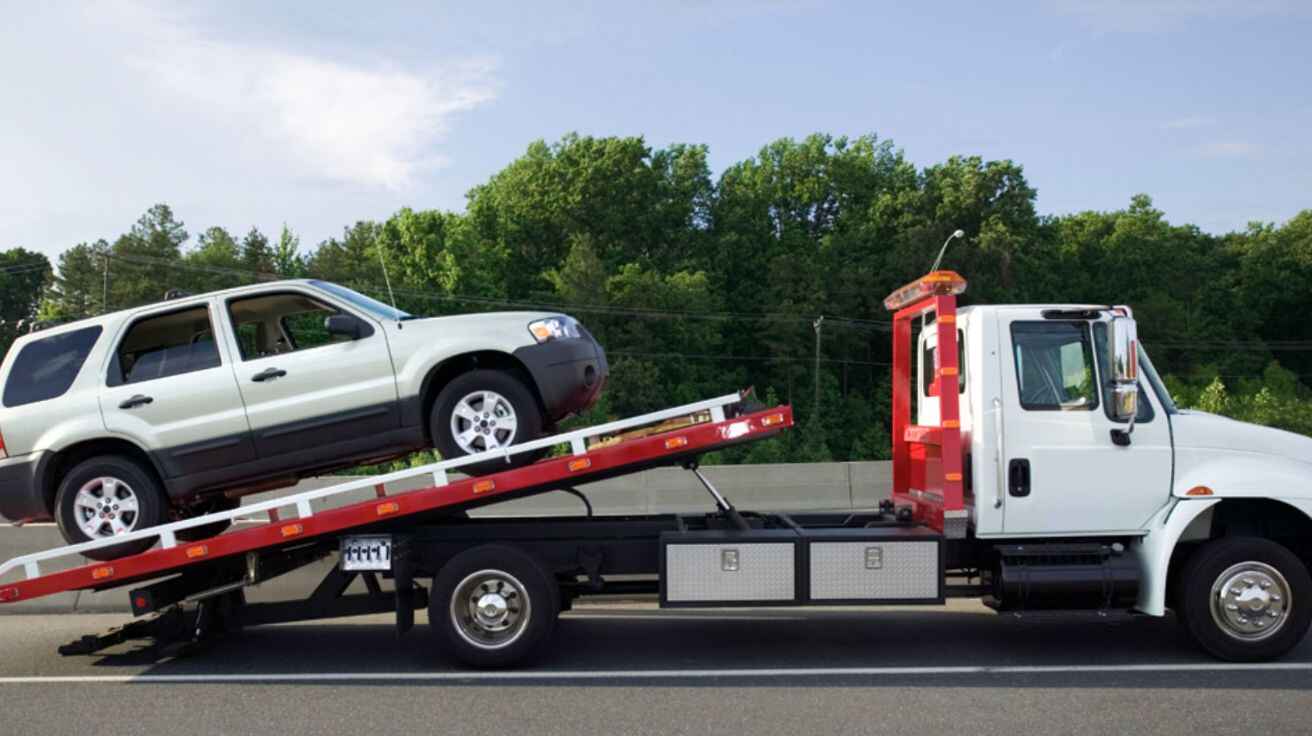
Yes, you can tow an all-wheel drive (AWD) car, but only with all four wheels off the ground, usually using a flatbed tow truck.
What Is All-Wheel Drive?
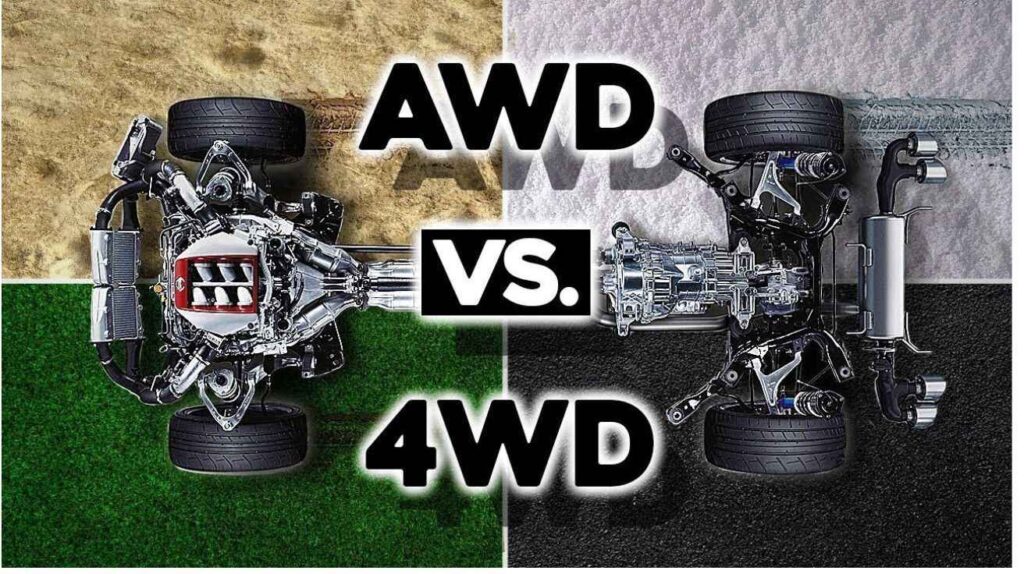
All-wheel drive means your vehicle sends power to all four wheels automatically, improving grip on slippery or uneven roads.
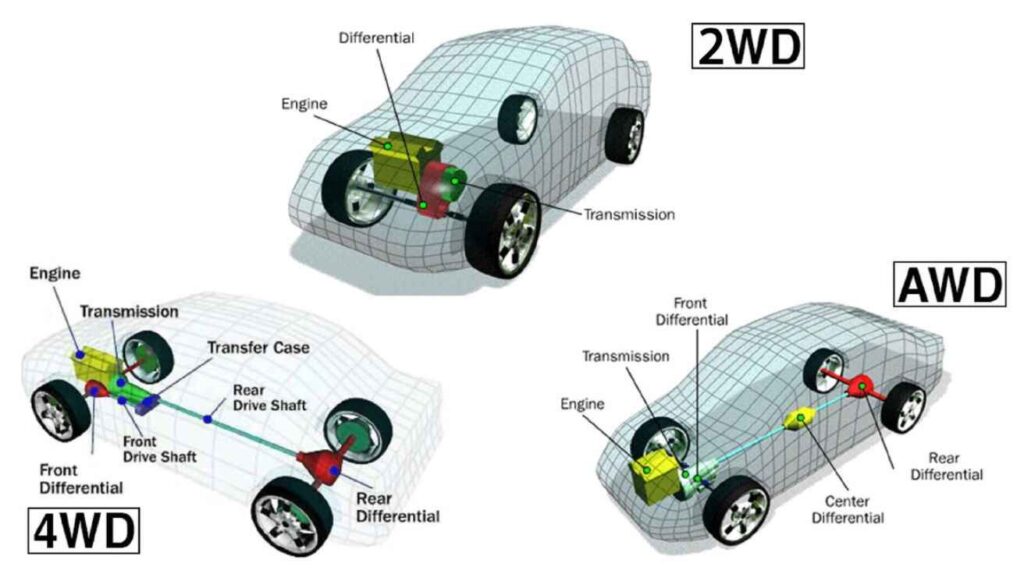
Unlike four-wheel drive (4WD), which is usually driver-activated, AWD systems work continuously through a transfer case and differential.
Because power flows through every wheel, towing an AWD car incorrectly can stress the drivetrain.
Understanding how your system functions — full-time or part-time AWD — determines whether you can tow an all-wheel drive car safely or not. The bottom line: all wheels are engaged, so all wheels must be considered during towing.
Towing Basics
Before towing any vehicle, it’s essential to understand some fundamentals. Terms like GVWR (Gross Vehicle Weight Rating), tow rating, and tongue weight define how much a vehicle can safely handle. Towing an AWD car requires extra care due to its complex drivetrain connections.
Key Factors That Affect AWD Towing Safety
| Factor | Description |
|---|---|
| Vehicle Weight | Heavier cars put more strain on towing equipment. |
| Towing Equipment | Flatbed, tow dolly, or tow bar. |
| Terrain & Conditions | Hills, gravel, or wet roads. |
| Tow Rating | The vehicle’s maximum safe towing limit. |
| Operator Skill | Experience of the driver or tow technician. |
Can You Tow an All-Wheel Drive Car?
In short, yes, you can tow an AWD, but only when all four wheels are lifted off the ground or when the drivetrain is disengaged following factory instructions.
The answer depends on how you tow it. Because AWD systems connect the front and rear wheels mechanically, dragging even two wheels on the ground can damage the transmission, driveshaft, or differential.
Manufacturers like Subaru, BMW, and Audi often specify flatbed towing as the only safe option. Attempting to flat tow or pull an AWD vehicle with two wheels down — even in neutral — risks overheating and internal failure.
The Wrong Way vs. The Right Way to Tow an AWD Car
Let’s clear up a common misconception: putting an AWD in neutral does not make it safe to tow with two wheels down. The driveshaft still turns, and the transmission continues to move parts without lubrication.
The Wrong methods include:
- Towing with front or rear wheels on the ground
- Using a rope or chain for long distances
- Exceeding manufacturer towing limits
The Right methods include:
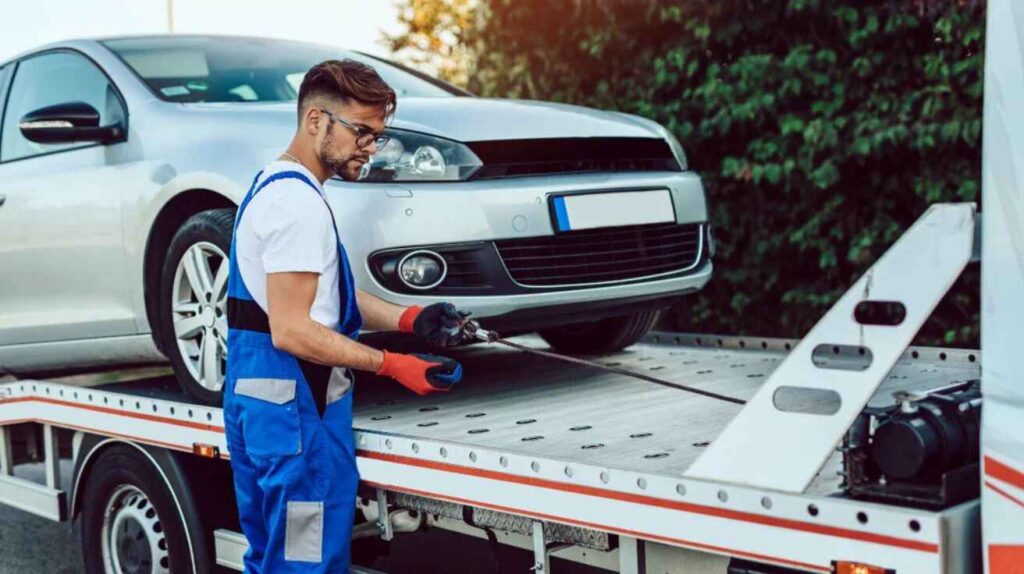
- Using a flatbed tow truck
- Consulting the manual for any AWD fuse or driveshaft disconnect procedure
- Calling a professional towing service trained for AWD vehicles
Step-by-Step: How to Tow an AWD Vehicle Safely
| Step | Action | Tip / Purpose |
|---|---|---|
| 1 | Check the owner’s manual | Follow brand-specific towing rules. |
| 2 | Use a flatbed tow truck | Keeps all four wheels off the ground. |
| 3 | Inspect the vehicle | Release brake, check tires, secure parts. |
| 4 | Winch the car onto the bed | Avoids wheel spin and drivetrain stress. |
| 5 | Strap the car securely | Use straps on all corners for stability. |
| 6 | Tow slowly and steadily | Prevents load shifting or damage. |
Best Practices for Towing AWD Vehicles
- Avoid flat towing (all wheels down). It’s unsafe for most AWD systems.
- Tow dollies can work only if approved by the manufacturer.
- Flatbed towing remains the safest option.
- Always communicate with your tow operator to confirm they understand AWD requirements.
Following these AWD towing best practices saves you from expensive repairs and voided warranties.
Manufacturer & Owner’s Manual Recommendations
Your owner’s manual is the best guide for towing an AWD car. Each system differs by brand — for example, Subaru and Toyota require flatbed towing only, while Audi and Tesla allow limited short-distance towing under strict conditions.
Automatic transmissions are highly sensitive to towing stress. Without the fluid pump running, parts can overheat within minutes. Even though manual transmissions are slightly more tolerant, flatbed towing remains the safest option.
Ignoring these directions can void your drivetrain warranty and cause expensive damage. Always consult your manual or roadside assistance before towing to prevent transfer case or transmission failure.
Insurance, Liability & Legal Considerations
Improper towing may invalidate insurance claims, as it’s often classified as owner negligence.
If a car towed incorrectly causes an accident or hazard, both the driver and towing company can be held liable. Confirm that your tow provider uses proper flatbed equipment and understands AWD requirements.
Some regions restrict DIY towing distance or methods, and violations can lead to fines or loss of coverage. Having AWD-specific roadside assistance ensures safe, legal recovery when needed.
Common Damage from Incorrect Towing & Prevention Tips
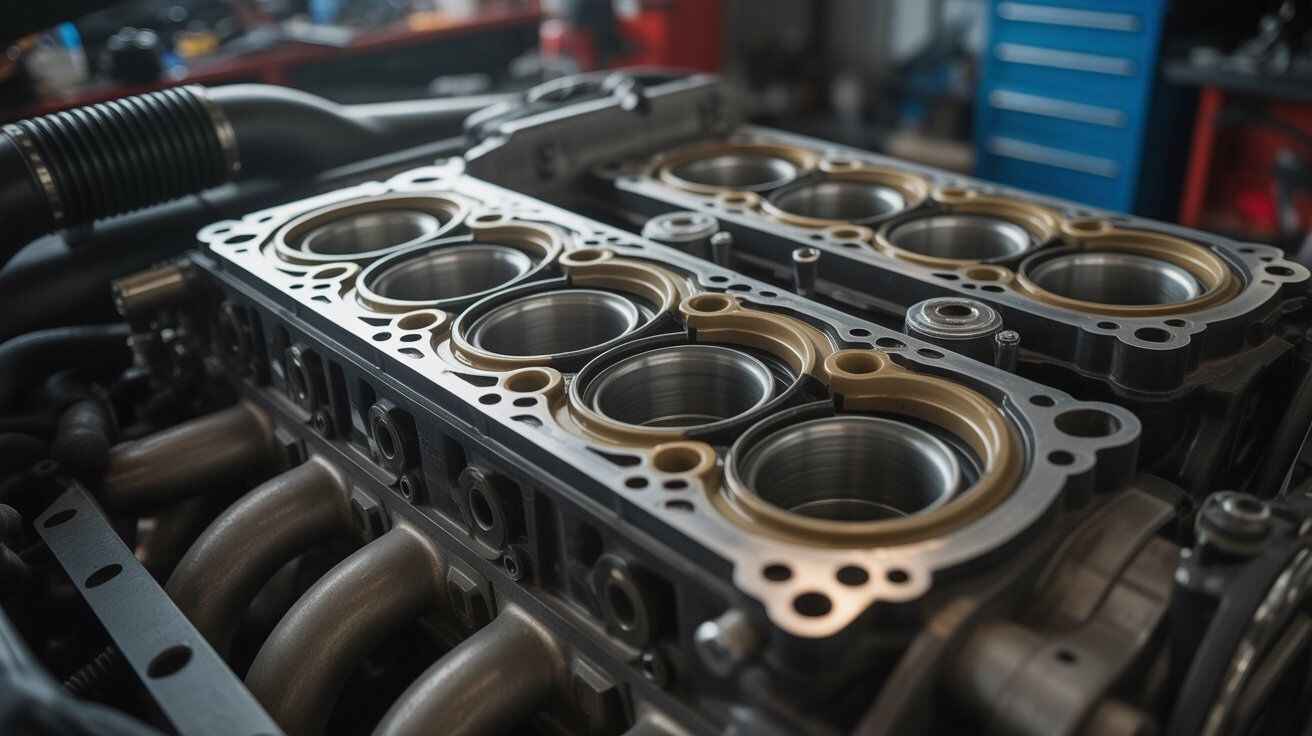
Incorrect towing can cause severe transmission or transfer case failure. Leaving even two wheels on the ground forces drivetrain parts to spin without lubrication, creating heat, friction, and seal damage.
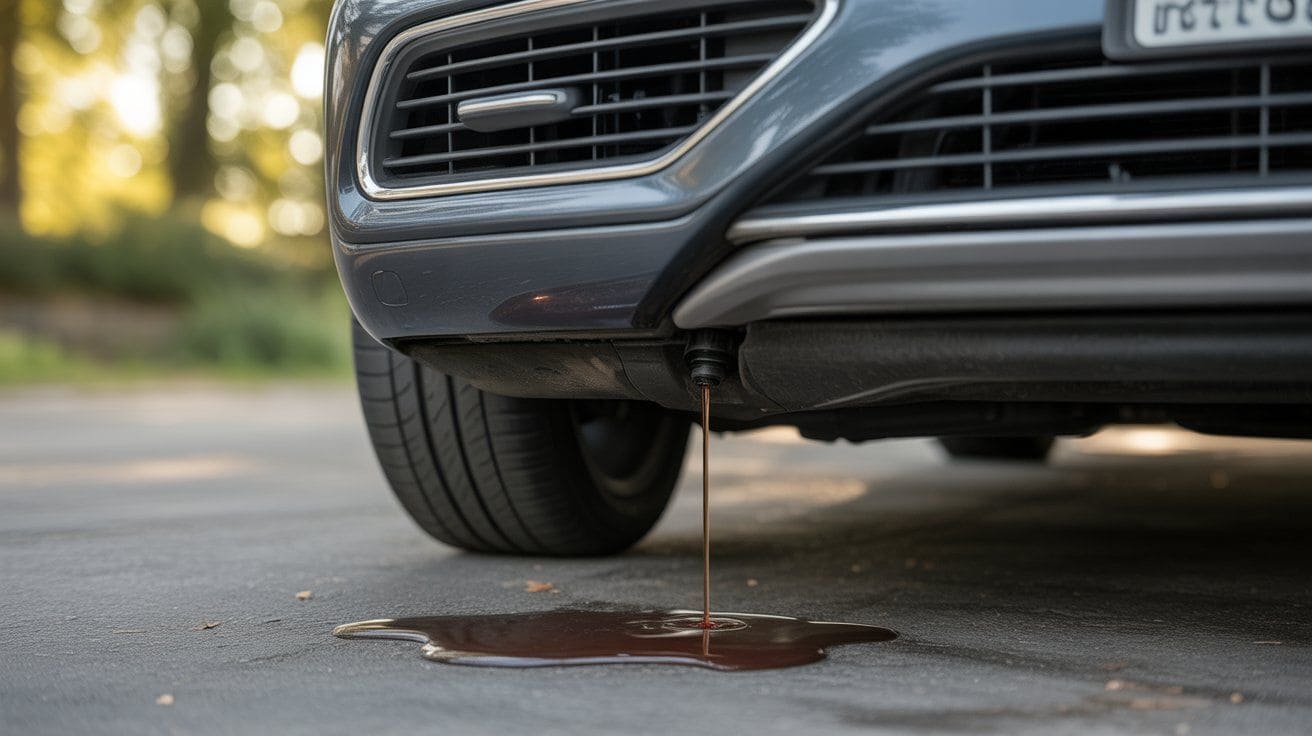
Watch for burning smells, fluid leaks, vibrations, or warning lights after towing — these are early signs of damage.
To prevent issues, always use flatbed towing, avoid dragging the vehicle, and don’t rely on neutral for safety. Keep tires evenly inflated and inspect for leaks afterward.
A few precautions can save thousands in repair costs and keep your AWD running smoothly for years.
FAQs
Q1: Can I tow my AWD car in neutral?
No — the drivetrain still moves internally and can overheat.
Q2: What’s the safest towing method?
Flatbed towing keeps all wheels lifted and prevents damage.
Q3: Does towing an AWD void my warranty?
Improper towing can. Always follow the manual.