
Yes, you can often tell if your car is being tracked by looking for unexpected battery drain, unusual sounds, or unknown devices hidden under the car, in the trunk, under seats, or in the OBD-II port.
What “Car Tracking” Really Means
Car tracking uses electronic devices—like GPS, OBD-II, or Bluetooth trackers—to monitor a vehicle’s location and movement. Some send real-time data, while others store it for later.
Not all tracking is bad: Fleet, rental, and insurance companies use trackers legally with consent. However, unauthorized tracking is illegal and threatens privacy. Hidden trackers are usually small, battery-powered, and magnetically attached under the car, in the trunk, or behind bumpers.
Knowing the difference between legal and illegal tracking is key—watch for signs like battery drain or unfamiliar devices that may signal hidden trackers.

Signs Your Car May Be Tracked
Unexpected Changes in Behavior
Unusual battery drain is one of the first signs of unauthorized tracking, as hidden GPS or OBD-II devices constantly draw power. You might also hear faint static or clicking sounds from hidden electronics, even when the engine is off.
Other red flags include people knowing your movements or vehicle locations unexpectedly. Trackers are often hidden under bumpers or inside the cabin, so staying alert to these subtle changes can help you detect tracking early.
Presence of Unknown Devices
Another strong signal is the discovery of unknown devices. Hidden GPS trackers are often small, rectangular, and black, sometimes resembling a small box or battery pack. Common places to check include:
- Undercarriage and wheel wells
- Inside the trunk or glove box
- Under seats or dashboard near the OBD-II port
Using tools like RF detectors for car trackers can help locate devices transmitting location data. Even if nothing is immediately visible, a thorough inspection can reveal hidden trackers.
Knowing how to find a car tracking device is essential for maintaining control over your privacy.
Tools Used for Car Tracking
| Subsection | Key Points / Details |
|---|---|
| GPS Trackers | Provide real-time location tracking – Often battery-powered or hardwired – Can transmit data via cellular networks |
| OBD-II Devices | Plug into the car’s OBD-II diagnostic port – Collect vehicle movement and performance data – Can transmit location information |
| Bluetooth / Wi-Fi Trackers | Passive trackers that detect nearby signals – Can be hidden in small enclosures – Useful for short-range monitoring |
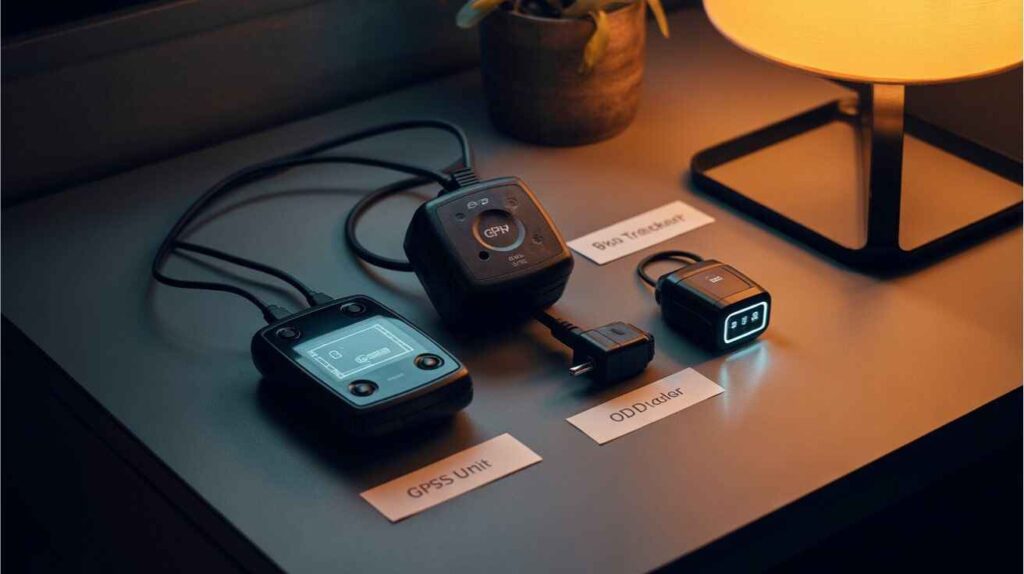
Understanding Tracker Usage and Detection
Legitimate vs Malicious Use
- Legitimate Use: Fleet management, vehicle recovery, and insurance monitoring are common lawful uses of car tracking devices.
- Malicious Use: Some trackers are installed without consent to monitor personal movements, violating privacy laws.
- Importance: Identifying whether a tracker is legitimate or malicious is essential for deciding the appropriate detection and removal measures.
Detection Methods
Technological Detection: Use RF scanners or tracking detection apps to identify GPS or Bluetooth trackers that may be hidden and actively transmitting signals.
Manual Inspection: Carefully check the undercarriage, OBD-II port, trunk, and under seats for any unusual devices or wiring.
How to Confirm if Your Car is Being Tracked
Physical Inspection
Start by inspecting the OBD-II port, under the car, wheel wells, trunk, and glove box. Look for unfamiliar boxes, wires, or magnetic devices.
These could be hidden GPS trackers or Bluetooth beacons. Carefully check behind panels and under seats for anything unusual.
Using Technology
Tracking detection apps and RF detectors for car trackers help uncover hidden devices that aren’t visible. These devices detect transmitting signals from GPS trackers or Bluetooth trackers.
Combining manual inspection with technology ensures the highest likelihood of discovering unauthorized tracking.
Steps to Take If You Suspect Tracking
Remove the Tracker
If you locate a tracker, safely remove it following manufacturer instructions if it’s legal to do so. Avoid damaging your vehicle while removing OBD-II or hardwired trackers.
Remove GPS tracker from car carefully, and keep a record of the device for potential legal use.
Report and Seek Help
Unauthorized tracking may require legal action. Contact local authorities or privacy enforcement agencies to report the device.
If stalking or harassment is suspected, provide evidence of discovery and tracking patterns. Unauthorized vehicle tracking is illegal in most regions, and reporting it helps protect your rights.
Legal & Privacy Aspects of Car Tracking
Laws differ by jurisdiction: tracking your own vehicle is legal, but monitoring someone else’s without consent is usually illegal.
Modern cars collect location and telematics data, so owners should review agreements and understand what tracking companies or dealers may disclose.
Preventing Future Tracking
Enhancing Vehicle Security
Use locks, alarms, and secure parking to reduce opportunities for unauthorized access. Consider covering your OBD-II port when not in use.
Regular inspections of your car can also prevent unwanted trackers from being attached.
Privacy Best Practices
Limit personal data sharing with apps, rental services, or insurance programs. Invest in anti-tracking technology and remain vigilant about unknown devices.
Understanding how to stop someone from putting a tracker on your car is essential for long-term privacy.
FAQs
Q1: Can I always tell if my car is being tracked?
A: Not always, but a combination of physical inspection and detection apps can reveal most devices.
Q2: Where would a tracker be placed in a car?
A: Common spots include under the car bumper, inside the trunk, glove box, or near the OBD-II port.
Q3: How long do tracker batteries last?
A: Depending on the device, battery life can range from a few days to several months.