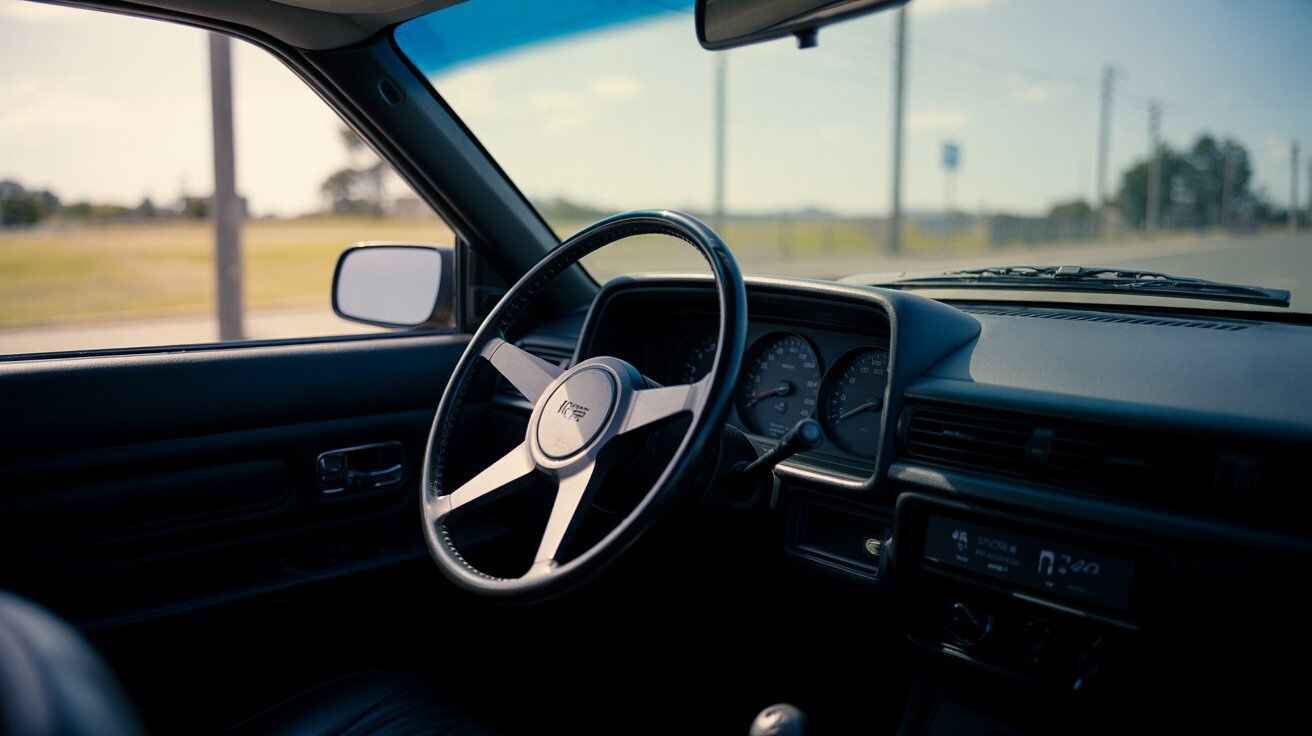
Yes, you can legally drive a right-hand-drive (RHD) car in the United States. There is no federal law that prohibits driving an RHD vehicle on public roads.
In fact, thousands of people in the US use RHD cars every day—such as postal workers, imported vehicle enthusiasts, and residents who bring unique cars from Japan, the UK, and Australia.
Understanding Right-Hand-Drive Vehicles Before Asking Can You Drive a Right Hand Drive Car in US
Differences Between RHD and LHD Vehicles
Right-hand-drive (RHD) cars place the steering wheel on the right side—common in Japan, the UK, and Australia. In contrast, the US uses left-hand-drive (LHD) vehicles designed for right-side traffic.
The difference affects visibility, lane positioning, and driver ergonomics, especially when entering highways or judging oncoming traffic.
Why RHD Cars Exist Globally
RHD cars aren’t unusual worldwide—over 60 countries use them. Many of the United States’ imported Japanese Domestic Market (JDM) vehicles come in RHD form because manufacturers build them specifically for left-side-driving nations.
Can You Drive a Right Hand Drive Car in US Legally Under Federal Law?
NHTSA’s Position on Steering Wheel Location
From an expert regulatory standpoint, the steering wheel’s position is not regulated by the National Highway Traffic Safety Administration (NHTSA).
Federal law focuses on whether a car meets FMVSS (Federal Motor Vehicle Safety Standards), not which side the wheel is on.
Why Steering Wheel Placement Isn’t Illegal
Because FMVSS governs safety equipment—not steering position—RHD cars are fully legal as long as the vehicle meets safety and emissions rules or qualifies for exemption.
Common Myths About RHD Cars
A persistent myth claims police can ticket you simply for driving an RHD vehicle. That’s false. Officers only care about registration, compliance, and safe operation.
Step-by-Step Import Guide
| Step | What to Do |
|---|---|
| 1. Choose importer | Pick a trusted importer or broker. |
| 2. Verify 25-year rule | Confirm the car is 25+ years old. |
| 3. Arrange shipping | Book container or RoRo transport. |
| 4. Prepare customs forms | Complete CBP, DOT, and EPA paperwork. |
| 5. DMV registration | Submit import docs and follow state requirements. |
| 6. Get insurance | Secure coverage once the car clears customs. |
The 25-Year Import Rule Explained for Anyone
FMVSS & EPA Compliance Requirements
Any vehicle under 25 years old imported into the US must meet EPA emissions standards and FMVSS.
Many foreign-market RHD vehicles lack compliant airbags, lighting, or emissions systems, which complicates importation.
Rules for Cars Younger Than 25 Years
If a vehicle is newer than 25 years, you must prove it meets US specifications or import it through a Registered Importer—a process that can cost thousands.
State-by-State Rules Affecting Whether Drive a Right Hand Drive Car
Strict Emissions States
California, New York, and Colorado are known for tough emissions standards. RHD imports can fail if they lack compliant catalytic systems or ECU programming.
States with Easier Registration
Texas and Florida generally offer smoother registration experiences, especially for classic or exempt models.
Comparison Example
A 25-year-old RHD car may register easily in Texas but require a BAR referee inspection in California. Understanding local law matters.
How to Register a Right-Hand-Drive Vehicle After Confirming You Can Drive a Right Hand Drive Car in US
Required Documentation
Expect to provide:
- Customs forms (HS-7, EPA 3520-1)
- Bill of sale
- Foreign title or export certificate
- DMV application forms

Vehicle Inspection & Emissions Testing
Many states require a physical inspection to verify VIN, odometer, and emissions readiness.
Avoiding DMV Issues
Most delays occur due to missing import documents—keep everything organized from the moment your vehicle clears US customs.
Insurance Requirements When Asking Can You Drive a Right Hand Drive Car in US
Higher Premiums Explained
Insurers often classify RHD vehicles as higher risk due to unfamiliar controls, limited crash data, and harder-to-source parts.
How Insurers Evaluate RHD Cars
Companies may request photos, import documentation, and mileage verification before offering coverage.
Finding Better Rates
Specialty insurers familiar with JDM and imported vehicles can offer fair pricing.

Real-World Safety Considerations That Affect Whether You Should Drive a Right Hand Drive Car in US
Visibility Challenges
Sitting on the right side in right-lane traffic reduces visibility when overtaking or making left turns across traffic.
Driving Risks
Blind spots feel different, and judging road position takes practice.
Practical Challenges
Drive-thrus, toll booths, and some parking-garage kiosks are simply not designed for RHD layouts.
Tips for Safely Learning How You Can Drive a Right Hand Drive Car in US Daily
- Adjust mirrors wider than normal
- Practice merging and passing in low-traffic areas
- Use parking lots to train lane positioning
- Stay aware of blind spots and shoulder markings
Small habits create big safety improvements.
What It Really Costs When Considering Can You Drive a Right Hand Drive Car in US
Import Fees
Between shipping, customs, and broker costs, expect $3,000–$6,000 depending on origin.
Compliance Modifications
You may need new lighting, safety labels, or emissions components.
Maintenance & Resale
Rare parts mean longer repair times, but well-kept RHD vehicles can hold strong collector value.
Who Typically Drives RHD Cars in the United States?
- USPS mail carriers use RHD layouts for curbside access
- Enthusiasts prefer RHD JDM models like the Skyline or Silvia
- Utility vehicles use RHD for convenience when operating curbside routes
FAQs
1. Is it legal?
Yes, completely legal at federal and state levels.
2. Is it more dangerous?
Only if the driver is untrained; visibility is the main challenge.
3. Do police treat RHD cars differently?
No—compliance matters, not steering position.
4. Can you convert a RHD vehicle?
Yes, but conversions are costly and unnecessary.
5. Is insurance more expensive?
Often, due to parts availability and unfamiliar risk profiles.
6. Why does USPS use RHD?
It allows carriers to reach mailboxes without leaving the vehicle.