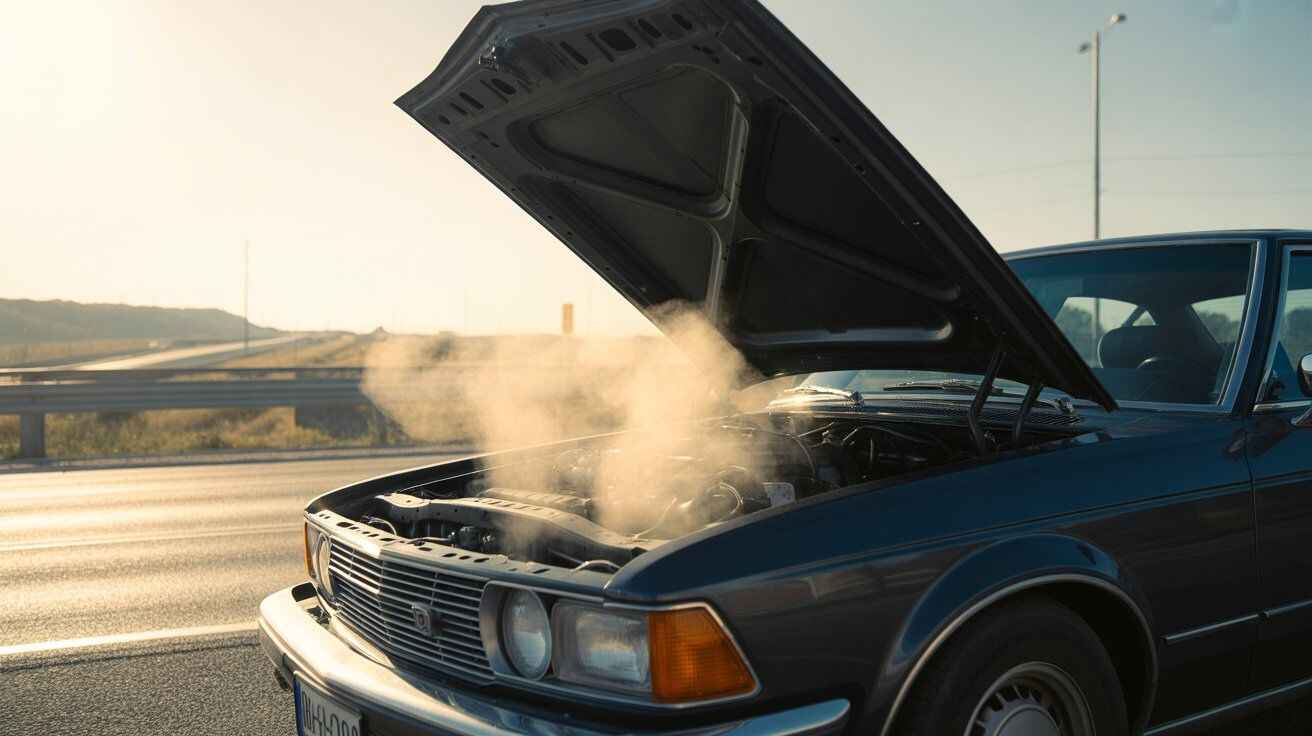
Technically, you can drive a car with a blown head gasket, but you shouldn’t. Doing so can cause severe engine damage, including overheating, loss of power, and even total engine failure.
Understanding the Head Gasket
What Is a Head Gasket?
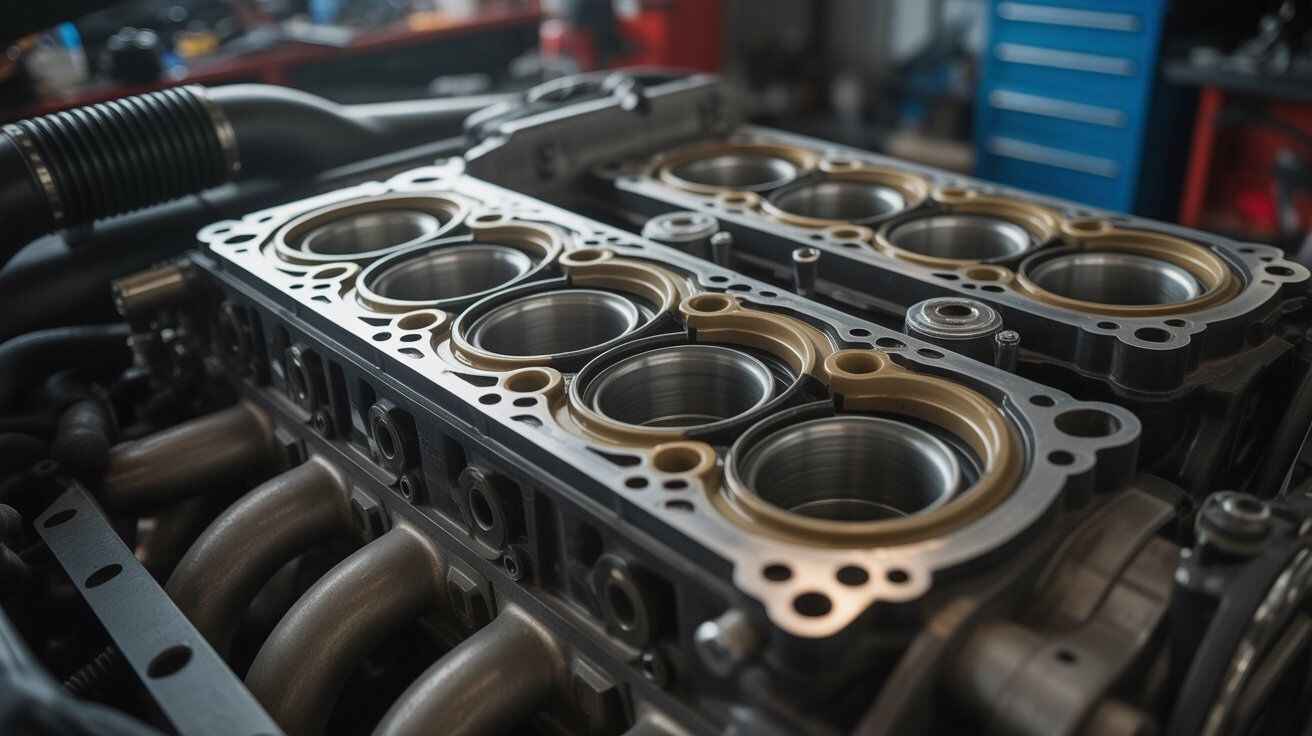
The head gasket sits between your engine block and cylinder head, creating a tight seal that keeps engine oil and coolant from mixing. It also maintains compression so your engine can generate power efficiently. When that seal fails, the engine loses pressure, and fluids start leaking where they shouldn’t.
Symptoms of a Blown Head Gasket
| Symptom | Description |
|---|---|
| Coolant leaks | Coolant escaping from the engine. |
| White smoke | Coolant burning in the cylinders. |
| Milky oil | Oil mixed with coolant. |
| Overheating | Engine temperature rising fast. |
| Bubbling radiator | Exhaust gases in coolant. |
| Sweet exhaust smell | Coolant burning smell. |
| Coolant loss | Coolant disappearing with no leaks. |
Risks of Driving with a Blown Head Gasket
Immediate Risks
Driving with a blown head gasket leads to engine overheating and a sudden drop in power. The more you drive, the faster the gasket deteriorates.
Long-Term Damage
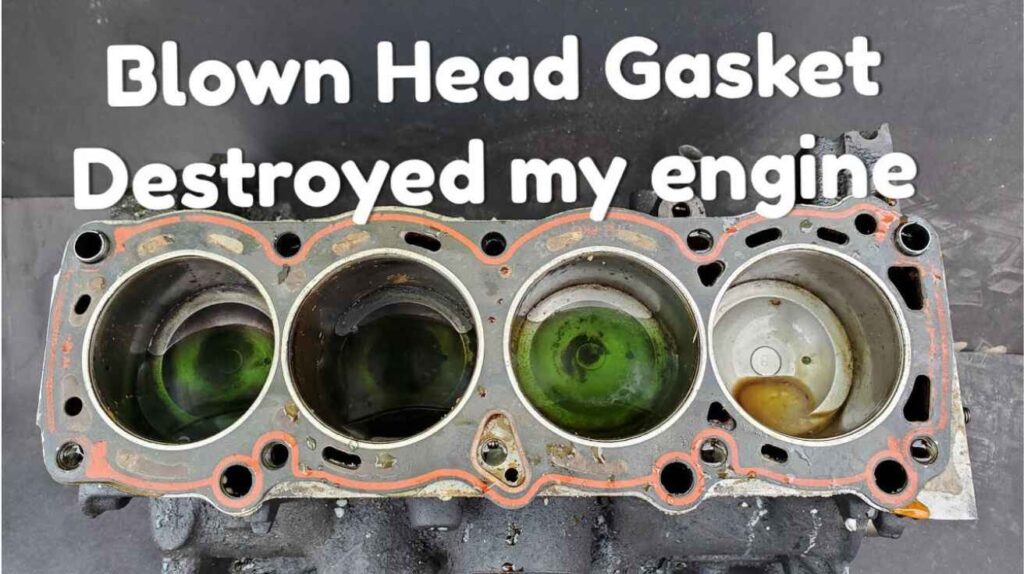
Continued driving can cause warped cylinder heads, oil contamination, and catastrophic engine failure.
Safety Concerns
When your engine overheats, your car’s handling and braking performance can change unexpectedly. Steam under the hood or a sudden stall could even cause an accident. In short: it’s not safe to drive with a blown head gasket — not even just to the shop.
What to Do If You Suspect a Blown Head Gasket
Diagnosing the Problem
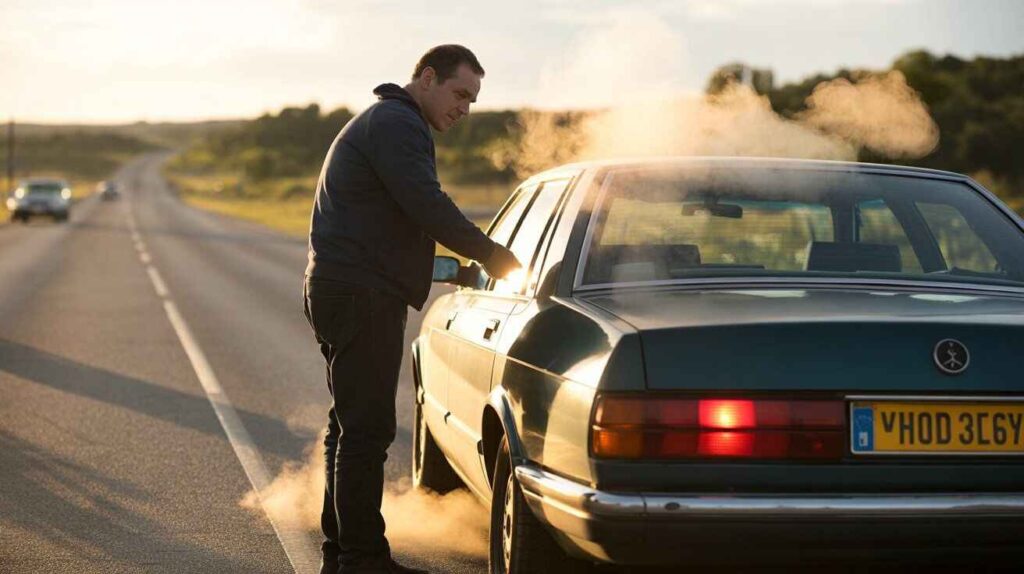
If you see white smoke, rising temperature gauge, or milky oil, stop driving. A mechanic can confirm the issue using a compression test or coolant-pressure test.
Immediate Actions
Turn off your engine, allow it to cool, and check oil and coolant levels. Don’t open the radiator cap when it’s hot — you could get burned. Call a towing service instead of risking further damage.
Repair Options
Head gasket repair costs vary depending on the vehicle. Temporary fixes like head gasket sealers may buy time for minor leaks, but they are not a permanent solution. Always weigh the cost of repair versus the car’s overall value.
Far Can You Drive with a Blown Head Gasket?
In most cases, not far at all. Some drivers manage a few miles, but others barely make it out of the driveway. The distance depends on the severity of the leak and how quickly your engine overheats. If you absolutely must drive, keep speeds low, watch your temperature gauge, and stop at the first sign of overheating. Every extra minute behind the wheel increases repair costs.
Temporary Fixes — Can You Limp It Home Safely?
If you’re stuck far from help, you can try head gasket sealers. These products plug minor leaks and may get you home, but they’re only a stopgap. Always follow instructions and monitor your engine closely.
Head Gasket Sealer Products
When a head gasket fails, many drivers turn to head gasket sealers as an emergency fix. These additives circulate through the cooling system and help plug small leaks.
They can work for minor gasket issues, giving you enough time to reach home or a repair shop.
However, remember — a sealer is not a permanent fix. It’s only a temporary stopgap, not a long-term solution.
Low-Speed Driving Tips
If you must drive, go slow, avoid highways, and use your heater on full blast to draw heat from the engine. Keep an eye on the temperature gauge — if it nears red, pull over immediately.
Coolant and Emergency Checks
Carry extra coolant or water, and top up every few miles if needed. Take frequent rest stops to cool the engine. If you see thick white smoke or rapid overheating, stop — you’re beyond safe range.
Even short trips can cause oil contamination and warped heads, so treat this as damage control, not a fix.
When to Stop Driving and Call a Mechanic
Stop driving if you see white exhaust smoke, milky oil, rapid overheating, or rough idle.
Continuing to drive can cause engine seizure and higher repair costs.
Call for towing and let a mechanic perform a pressure test and coolant inspection to confirm whether it’s the gasket, a cracked head, or another issue.
Preventing Head Gasket Failure — Maintenance Tips
- Prevention starts with your cooling system. Keep the radiator, hoses, and water pump in good shape, and flush coolant regularly.
- Always monitor your temperature gauge — overheating is the main cause of failure.
- Check coolant levels monthly, and replace a worn thermostat or radiator cap.
- Avoid revving a cold engine, and fix leaks early to prevent major damage.
- Staying proactive keeps your gasket — and your wallet — safe.
FAQs
Q1: How long can you drive a car with a blown head gasket?
Only a few miles at most. The longer you drive, the higher the risk of total engine failure.
Q2: Is it safe to drive with a blown head gasket?
No. Overheating can warp the cylinder head and ruin the engine.
Q3: Can a head gasket sealer fix the problem?
Temporarily, yes — but it’s not a long-term fix for major leaks.