Yes, you can check oil when hot, but wait 5–10 minutes after turning off the engine for an accurate reading and use gloves for safety.
Can You Check Oil When Car Is Hot?
Many car owners ask: can you check oil when car is hot? Engine oil temperature is a key factor in accurate oil readings and maintaining engine health.
Engine oil not only lubricates moving parts but also protects against wear and overheating. Oil behaves differently depending on whether the engine is cold, warm, or hot.
How Oil Behaves at Different Temperatures
- Cold Engine: Oil is thick and flows slowly, giving higher readings on the dipstick.
- Warm Engine: Oil becomes thinner, flows more easily, and may show slightly lower levels.
- Hot Engine: Oil is fully circulating; reading immediately after driving can appear lower than actual.
Importance of Optimal Oil Temperature
- Maintaining correct oil temperature ensures efficient engine performance.
- Protects the engine from friction, overheating, and premature wear.
- Helps achieve accurate engine oil level readings, whether checking hot or cold.
Effects of Heat on Engine Oil
Viscosity changes when oil is hot
As engine temperature rises, the oil becomes less viscous, meaning it flows more easily. This can cause the dipstick to show a slightly lower oil level than when the engine is cold.
Impact on lubrication
Hot oil is effective at protecting moving parts, but if levels are too low, it may fail to coat all surfaces, increasing wear and friction.
Checking oil when hot without waiting for it to settle can give a misleading reading, so always allow a few minutes after driving.
Safety Considerations
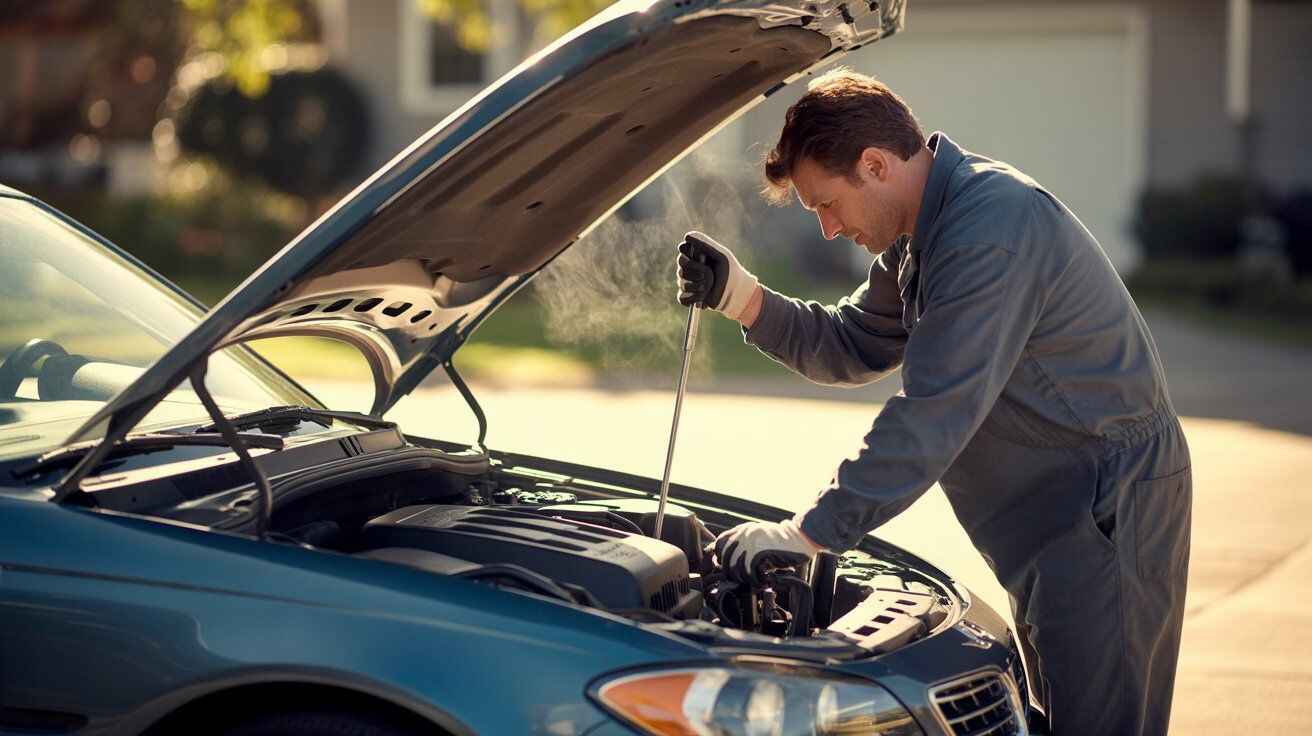
Risks of checking oil on a hot engine: Hot engine parts, steam, or oil can cause burns. Always use caution when approaching a recently driven vehicle.
Safety measures
- Wear protective gloves.
- Keep a clean cloth handy to avoid contact with hot surfaces.
- Wait 5–10 minutes after turning off the engine before inserting the dipstick.
Safety is just as important as accurate oil measurement, especially when checking a hot engine.
Why Engine Temperature Affects Oil Level ?
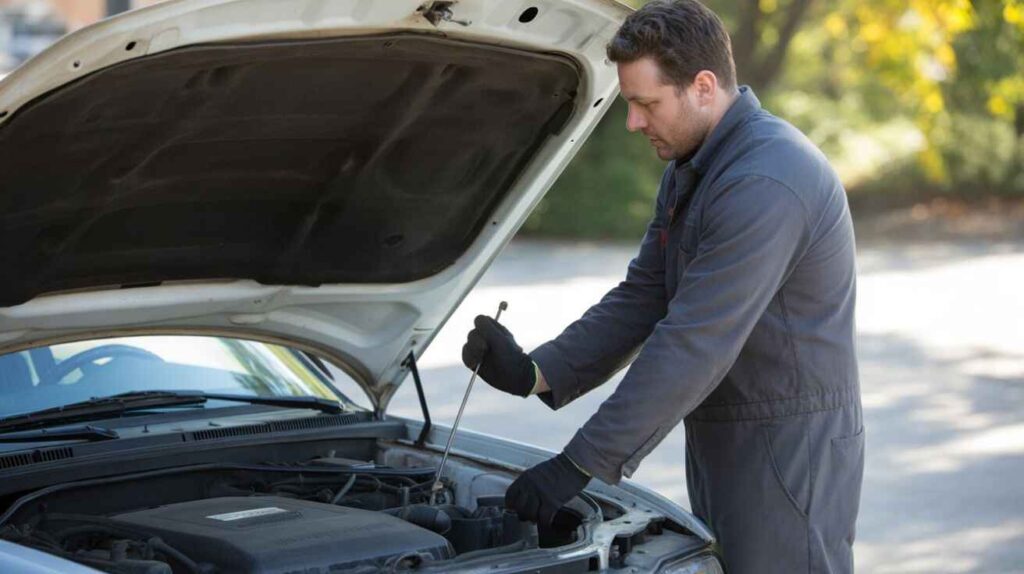
Engine temperature directly affects oil readings. When the engine runs, oil circulates and absorbs heat, coating internal parts. Right after shutting off the engine, not all oil drains back into the pan, so the dipstick may show a lower level.
Hot oil is thinner and flows easily, slightly changing the reading. This is why oil levels differ when checked hot vs. cold. Knowing this helps you avoid overfilling or underfilling, ensuring proper engine protection.
Step-by-Step Guide to Checking Oil Accurately
Following this method ensures your engine oil level check hot engine or cold is accurate and safe.
- Park on level ground to get an accurate reading.
- Turn off the engine and wait 5–10 minutes if the engine is hot—this allows oil to drain back into the pan.
- Locate and remove the dipstick. Wipe it clean with a lint-free cloth.
- Reinsert the dipstick fully, then pull it out to check the level. Look for the marks labeled “min” and “max.”
- Assess the oil: if it’s below the minimum, add the correct grade; if above the maximum, remove some oil.
- Safety tips: avoid touching hot engine parts, and never check while the car is running.
Tools Needed
- Dipstick: Essential for measuring oil.
- Clean cloth: Wipes off residue for accuracy.
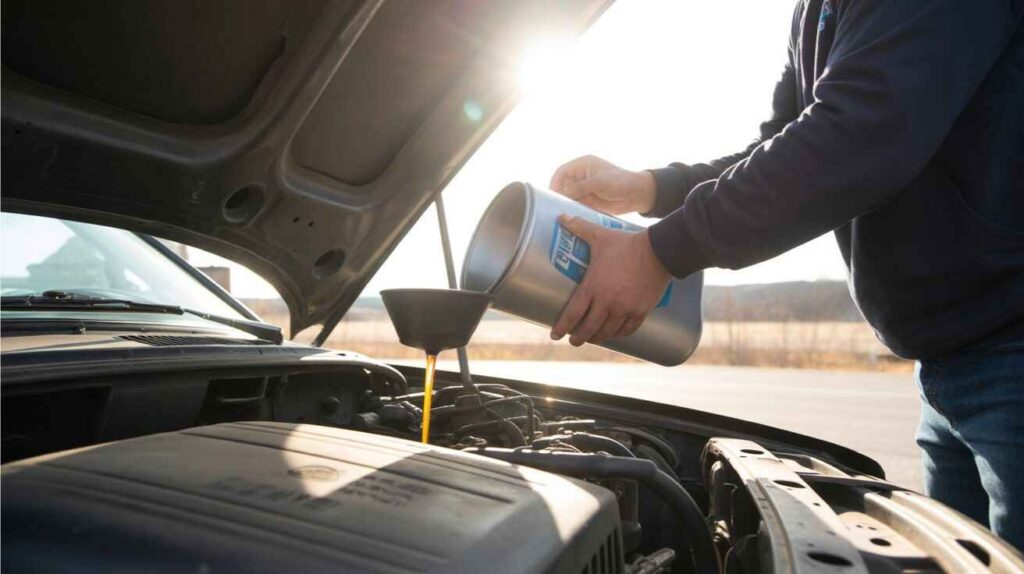
- Funnel: Makes adding oil safe and spill-free.
Using clean tools avoids contamination and ensures precise readings.
Can You Check Oil When the Engine is Running?
Checking oil while the engine is running is unsafe. Moving parts and hot oil can cause severe burns. Dipsticks are not designed for live readings; attempting it may also give false levels.
Always turn off the engine and allow oil to settle before measuring. For engines with dry-sump or specialized designs, follow manufacturer guidelines strictly to avoid damage.
Checking it incorrectly—especially immediately after driving—can lead to misreading levels, overfilling, or even engine damage.
What to Do If Oil Level is Low?
- Add oil safely: Use the recommended grade, pour slowly with a funnel, and recheck the dipstick.
- Avoid overfilling, which can cause foaming or pressure issues.
- Seek professional help if levels drop rapidly, the oil looks dark/milky, or leaks are suspected. Timely action prevents engine damage and ensures smooth performance.
Manufacturer & Expert Recommendations
Manufacturers and experts recommend following your owner’s manual for accurate oil checks. Some advise checking 5–10 minutes after driving to let hot oil settle, while others suggest cold readings before starting the engine.
Because each engine design differs, proper timing ensures an accurate reading. Modern engines may give correct results when warm, but some can mislead if checked too soon. Always follow manufacturer guidance to avoid overfilling or low oil levels and keep your engine protected.
Common Mistakes & Misconceptions
Many drivers make errors that lead to inaccurate oil readings:
- Checking immediately after driving without waiting → shows low level.
- Assuming only cold checks are correct → may conflict with manufacturer guidance.
- Checking on an incline → skews the dipstick reading.
- Overfilling based on hot readings → risks foaming and engine pressure issues.
Avoiding these mistakes helps maintain engine health.
Remember: consistency is more important than temperature. Always follow proper technique to ensure your oil readings reflect reality.
What to Do Based on Your Reading
- If oil is just below max, monitor levels regularly.
- If below minimum, add the correct oil grade and recheck after a short drive.
- If above maximum, remove excess oil to prevent engine foaming or pressure issues.
- Dark or milky oil? Consult a professional immediately.
Accurate readings—hot or cold—help prevent costly engine repairs.
FAQs
Q1: Can you check oil right after driving?
A: Yes, but wait 5–10 minutes for the hot engine oil to drain for an accurate reading.
Q2: Is it better to check oil hot or cold?
A: Both work if done properly. Follow your owner’s manual.
Q3: Why does oil look lower when hot?
A: Hot oil is thinner and still circulating, so the dipstick may show slightly less than actual.