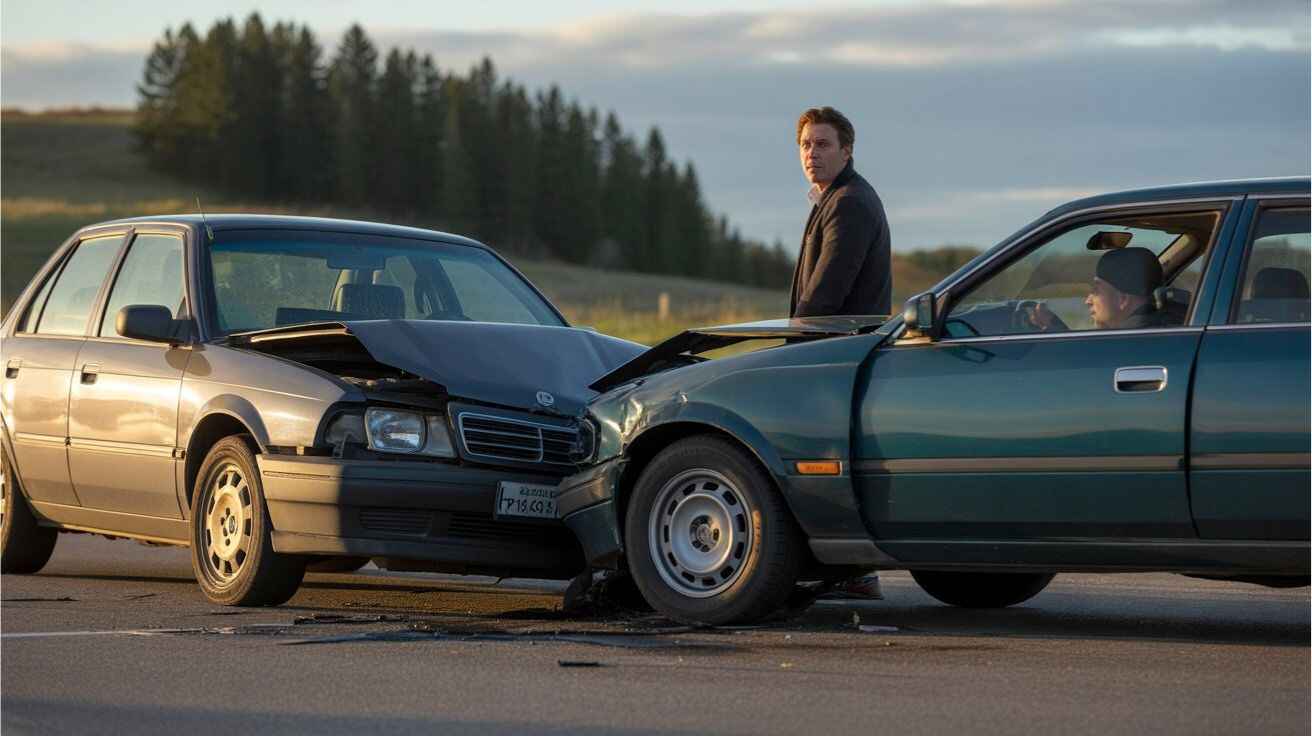
Yes, you can be sued for a car accident if they believe you caused their injuries or property damage. Even with insurance, you may still face a lawsuit, especially if damages exceed your coverage limits.
Can You Be Sued for a Car Accident?
A car accident can shake anyone—but the real stress usually hits afterward when you start wondering: Can someone sue you for a car accident? The truth is, lawsuits don’t depend on who feels wronged.
They depend on negligence, duty of care, and whether the damages exceed the protection your insurance provides.
Understanding how these legal elements work helps you protect yourself, avoid unnecessary panic, and respond confidently if someone threatens a personal injury claim or civil lawsuit.
How Car Accident Lawsuits Work
Car accident lawsuits revolve around one central idea: negligence.
To hold someone legally responsible, four elements must be proven:
1. Duty of Care
Every driver must operate their vehicle safely and responsibly.
2. Breach of Duty
This occurs when someone violates that responsibility—examples include speeding, texting, intoxicated driving, or running a red light.
3. Causation
The breach must directly lead to the accident.
4. Damages
The injured person must show real losses: medical bills, repairs, lost wages, or pain and suffering.
If all four elements align, the injured party can file an insurance claim or a civil lawsuit.
How Insurance Protects You
Auto insurance is your first line of defense. Your insurer will:
- Cover injuries and property damage up to your policy limits
- Provide a lawyer to defend you
- Handle communication and negotiations
- Pay settlements or judgments within the coverage limits
But insurance doesn’t cover every scenario. You may still face personal liability in certain situations.

When You Can Be Sued Personally (Even With Insurance)
Here are the most common scenarios where you could be sued personally:
1. Damages Exceed Your Policy Limits
If someone has severe injuries, medical costs can quickly surpass your coverage. Any amount above your insurance limits becomes your personal responsibility.
2. You Have No Insurance
Driving uninsured puts you at maximum financial risk. You’re personally liable for:
- Property damage
- Medical bills
- Court judgments
3. Intentional or Reckless Behavior
Insurance typically refuses to cover intentional acts, including:
- Road rage
- Drunk driving
- Deliberate harm
In these cases, you’re fully responsible for the damages.
4. You Borrowed Someone Else’s Car
If the vehicle owner claims misuse or if they negligently entrusted their car to an unsafe driver, both of you could be sued.
5. At-Fault State Rules
In at-fault states, the injured party has broad freedom to sue the responsible driver. Concepts like comparative negligence or contributory negligence may reduce or shift blame, but they don’t stop a lawsuit from being filed.
Factors That Influence a Lawsuit
Insurance Coverage
Your policy limits determine how much protection you have. Low limits increase your risk of personal exposure.
Comparative Negligence
Fault is sometimes shared between drivers. Your percentage of fault influences:
- Whether someone can sue you
- How much they can recover
Other Parties Who Can Be Sued
Surprisingly, the driver isn’t always the only person facing legal responsibility. Other parties may include:
1. Vehicle Owner
If they knowingly allowed an unsafe driver to use their car.
2. Employers
If the accident happened while the driver was working.
3. Manufacturers or Mechanics
For defective parts or negligent repairs.
4. Multiple Parties (Joint & Several Liability)
In some states, multiple individuals can be held responsible for damages until the full amount is paid.
No-Fault Insurance States vs. At-Fault States
No-Fault States
Each driver relies on their own insurance for medical expenses, regardless of fault. Lawsuits are restricted and only allowed when injuries meet a serious injury threshold.
At-Fault States
The negligent driver is responsible for damages, and lawsuits can be filed more freely. Negligence and fault percentages become crucial.
What Happens When Someone Sues You?
Being sued sounds stressful, but the process is usually managed by your insurer.
Your Insurance Company Takes Over
They will:
- Assign an attorney
- Handle negotiations
- Cover approved damages
Most cases are settled out of court.
If Damages Exceed Your Policy Limits
You may be personally responsible for the remaining amount.
Possible Personal Exposure Includes:
- Wage garnishment
- Bank account garnishment
- Property liens
You Still Have Defenses
You can challenge:
- Fault
- Injury claims
- Medical costs
- Settlement demands
Steps to Take After a Car Accident
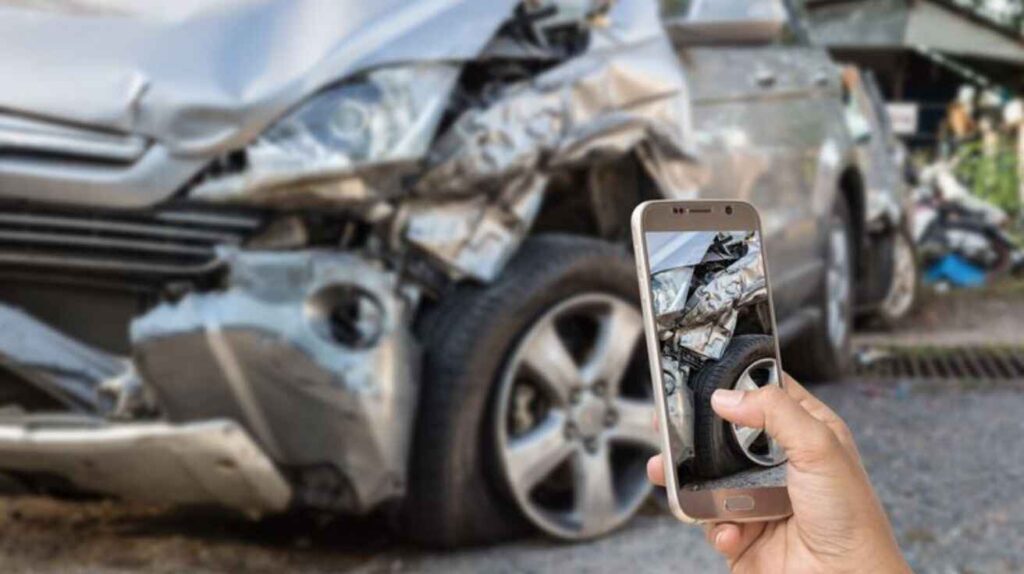
After a car accident, document everything carefully. Call the police, gather evidence like photos and witness statements, and notify your insurance company promptly to protect your legal rights and strengthen any future claim.
How to Protect Yourself from Personal Liability
1. Increase Your Liability Coverage
Don’t rely on minimal limits. Higher coverage reduces your personal financial risk.
2. Add Umbrella Insurance
An umbrella policy offers extra protection, often in the millions, at a low cost.
3. Avoid Risky Behaviors
Don’t lend your car to:
- Unlicensed drivers
- High-risk drivers
- Anyone with a history of reckless driving
4. Document Everything After a Crash
Collect:
- Photos
- Police reports
- Repair estimates
- Medical records
- Witness statements
Good documentation strengthens your defense.
5. Act Fast if You’re Sued
Notify your insurer immediately to avoid default judgments.
FAQs
Q1: Can you be sued for a car accident even if you have insurance?
Yes. Insurance covers you up to your policy limits. Anything beyond that can fall on you personally.
Q2: What if the accident wasn’t my fault?
The other party may still file a claim, but negligence laws decide whether it succeeds.
Q3: Can I go to jail for a car accident?
Not usually — unless the crash involved DUI, reckless driving, or intentional harm.