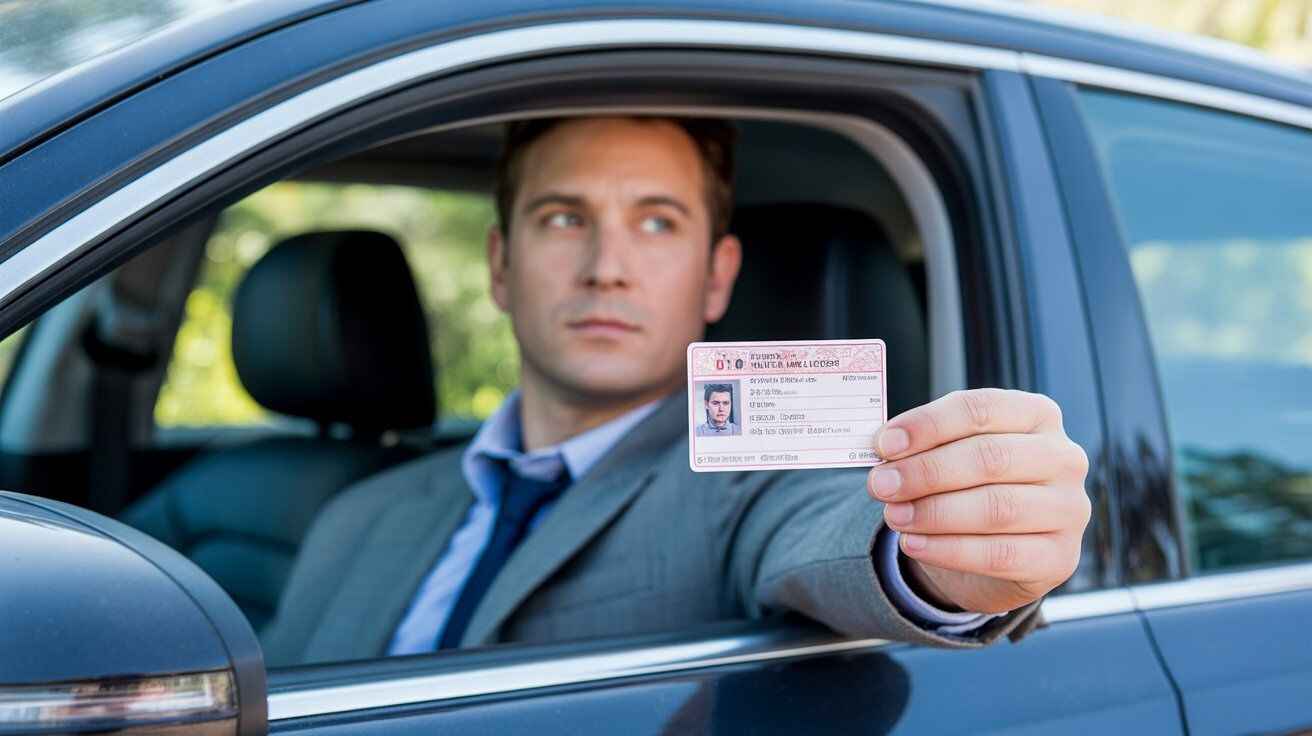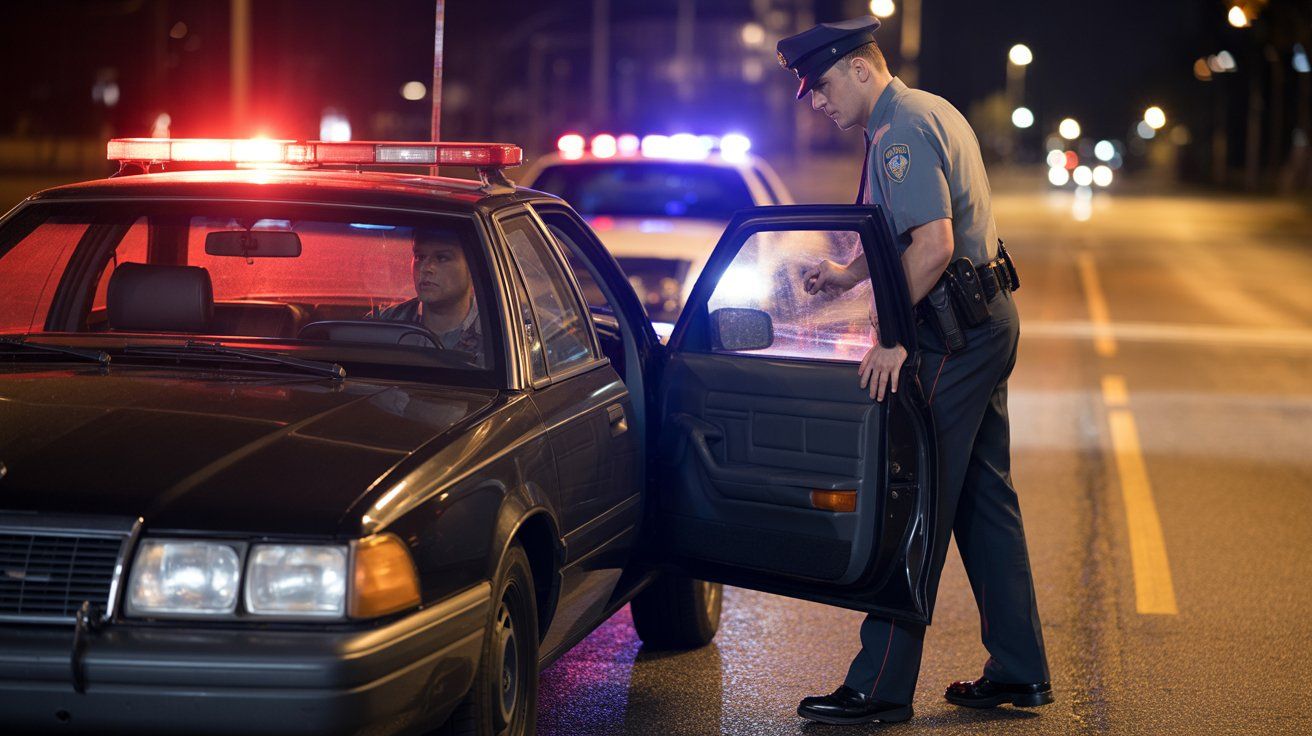
No, police cannot open your car door without your consent, a warrant, probable cause, or under specific legal exceptions like an arrest or emergency.
Can Police Open Your Car Door? Understanding the Legal Basics
The answer depends on several legal principles, and understanding them helps protect your privacy and avoid unintended consequences. Under the Fourth Amendment, you’re protected from unreasonable searches and seizures. That includes the inside of your vehicle.
Opening a car door without your permission can legally qualify as a search. Unlike your home, where privacy protections are strongest, cars are seen differently due to their mobility and public presence. Still, you do have rights. Officers generally can’t treat a vehicle like an open book.
Key concept: Police need consent, probable cause, or a warrant to justify opening your door—unless a valid legal exception applies.

When Police Can’t Open Your Car Door Without Just Cause
Police cannot open your car door just because you’re pulled over. If you’re stopped for a brokentaillight or rolling a stop sign, they don’t automatically get access to your vehicle’s interior.
In these situations, they can ask you to step out (which is legal), but opening the door themselves without cause crosses a constitutional line.
Without any of the following, it’s illegal for them to proceed:
- Consent
- Probable cause
- Search warrant
If an officer opens your door improperly, any evidence found may be suppressed in court.
When Can Police Open Your Car Door Legally?
There are five main exceptions that allow officers to legally open your car door:
1. Probable Cause
If officers see or smell drugs, alcohol, weapons, or stolen goods, they may have lawful grounds to open your door.
2. Consent-Based Search
If you agree voluntarily, police can legally open and search your vehicle—even without probable cause.
3. Plain View Doctrine
If contraband or illegal items are clearly visible through the window, they may open the door as part of a legal search.
4. Exigent Circumstances
In emergencies—like if someone’s in danger or evidence may be destroyed—they can bypass standard procedures.
5. Search Incident to Arrest
If you’re being lawfully arrested, the officer can search the passenger area of your car without additional warrants.
These legal exceptions reflect a balance between officer safety and citizen rights.

What Courts Say — Key Rulings and Recent Developments
Courts have repeatedly ruled that opening a car door without justification violates the Fourth Amendment.
In a notable 2023 appellate case, a judge ruled that opening a car door without cause during a traffic stop was an unconstitutional search. The evidence was thrown out, setting an important legal precedent.
Cases like Knowles v. Iowa and New York v. Belton continue to shape what police can and can’t do during vehicle stops.
Bottom line: Courts protect your rights—if you know how to assert them properly.
What Are Your Rights?
Understanding Your Rights
During any police encounter—especially traffic stops—you have clearly defined constitutional rights. Knowing them protects you from overreach and unlawful searches.
Here’s what you should always remember:
- You have the right to remain silent.
- You are not obligated to allow a search of your vehicle.
- You can ask if you’re being detained or if you’re free to go.
If you’re pulled over, keep your hands visible, be respectful, but never feel pressured to allow officers to open your car door unless there’s probable cause, a warrant, or you’re under lawful arrest.
These rights come from the Fourth and Fifth Amendments—learn them, use them, and protect your privacy.
What to Do if Police Try to Open Your Car Door
If an officer tries to open your door, stay calm but firm:
- Politely ask, “Am I being detained, or am I free to leave?”
- Do NOT give consent unless you’re comfortable doing so
- Comply with orders to exit the vehicle if requested
- Document the interaction if possible (audio/video)
You can politely decline a search without being aggressive. If you believe your rights were violated, consult an attorney. Any evidence collected improperly may be dismissed.
Key Legal Concepts You Should Know
- Probable cause: Reasonable belief of illegal activity
- Consent search: Voluntary permission granted
- Plain view doctrine: Illegal items visible without a search
- Exigent circumstances: Emergency justifications
- Search incident to arrest: Searches linked to legal arrest
- Suppression of evidence: Illegally obtained evidence excluded in court
FAQs
Q1.Can police open your car door without permission?
Only with consent, probable cause, a warrant, or during special exceptions like arrests or emergencies.
Q2.Do I have to let police search my vehicle?
No. You can legally say no unless they have lawful grounds.
Q3.What if police say they smell drugs?
That could be considered probable cause, depending on state laws.
Q4.Can they force me out of the car?
Yes, but that doesn’t mean they can search or open the door.
Q5.What about passengers?
Passengers have rights too—their doors require legal cause to open as well.