Yes — manual cars can have remote start, but only with a system specifically designed for manual transmissions.
Remote Start Technology
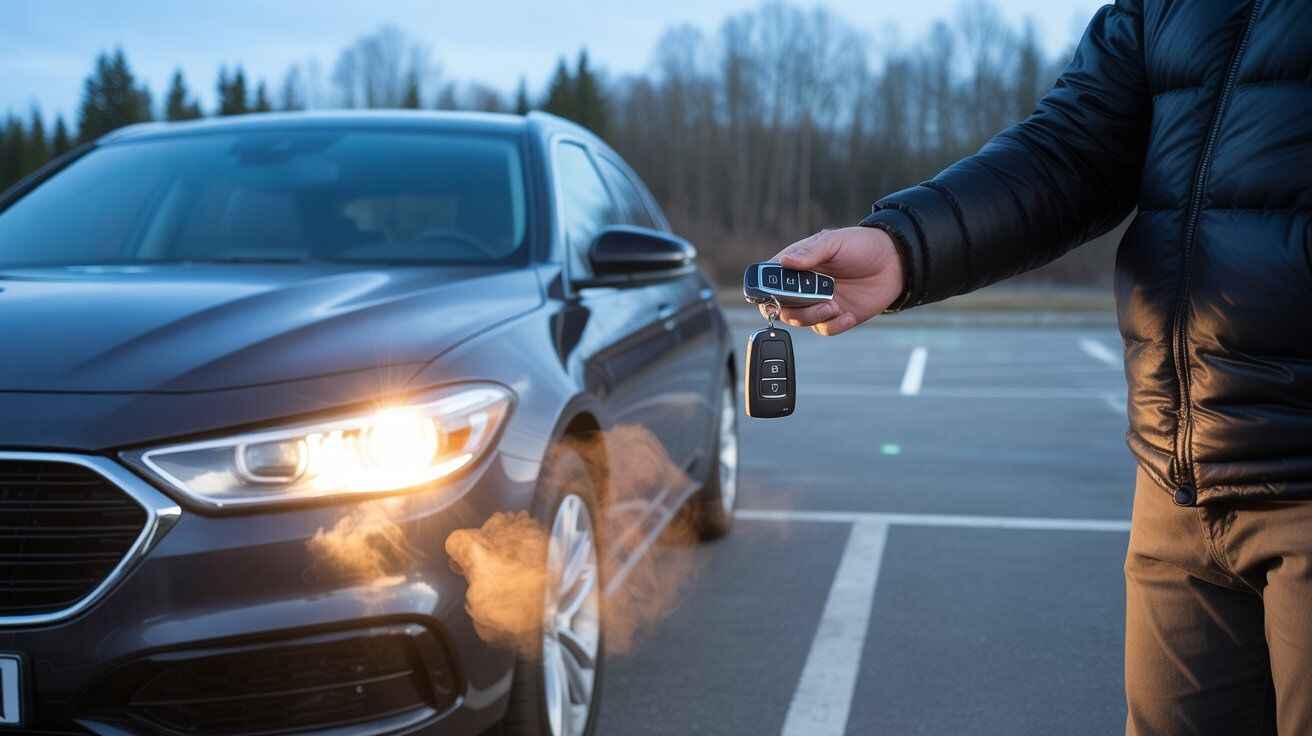
A remote engine start system lets you start your vehicle’s engine from a distance — using a key-fob or smartphone app — so you arrive into a comfortable environment. These systems are sometimes called car remote starter kits.
How It Works
When you press the remote start button, a signal is sent—either through radio frequency (RF) or a smartphone link—to a control module in the vehicle.
This module connects to the ignition, starter, and sometimes brake, clutch, or neutral interlocks.
It basically mimics turning the key in the ignition.
Common features include engine start from a key fob or app, cabin pre-heating or cooling, and remote lock/unlock.
Why Automatics Use It Easily
Automatic cars have a built-in “Park” gear that locks the transmission, preventing movement during a remote start.
The system only needs to verify the car is in Park before cranking the engine.
In contrast, manual cars lack this safety gear, so they require extra sensors or interlocks to ensure the car is in neutral before starting.
Why Remote Start Is More Complex in Manual Cars
What’s Unique About Manual Cars
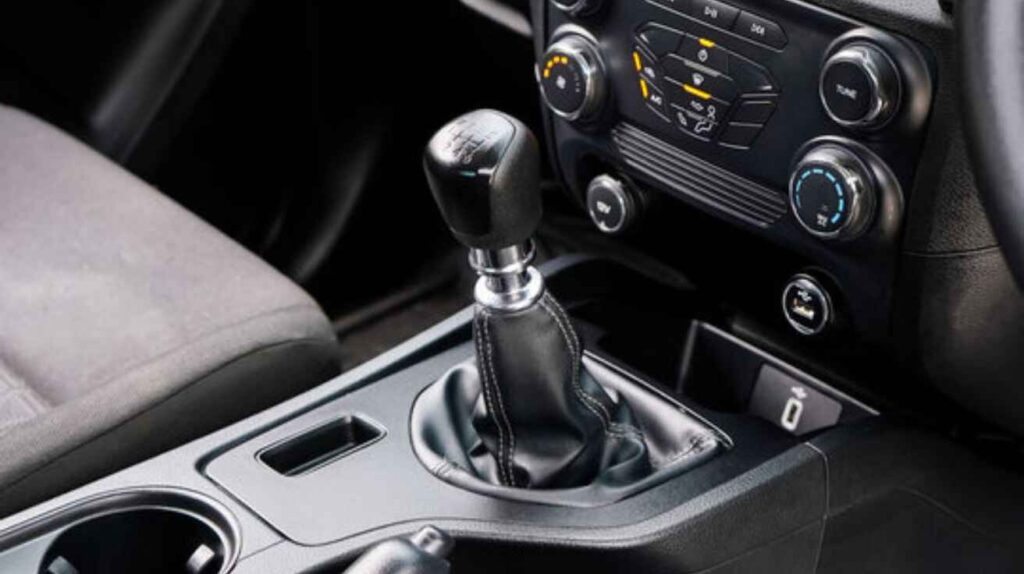
Manual cars use a clutch pedal and gear lever instead of a fixed Park gear.
If started while in gear, the car could lurch forward or roll away.
As one forum noted, “They make kits with a neutral safety switch … if the car starts in gear, it’s gonna take off without a driver.”
Key Safety Concerns
Safety is critical.
The system must ensure:
- The car is in neutral
- The parking brake is engaged
- The clutch pedal is pressed or simulated by a sensor
Skipping these checks can cause the car to move, stall, or even cause an accident.
That’s why manual setups need extra wiring and sensors.
Myths & Clarifications
Many believe remote start isn’t possible on manual cars because the clutch must be pressed.
This is false — it’s possible with a manual-compatible remote start system.
Such systems include:
- A clutch-interlock bypass or sensor
- Neutral and parking-brake safety checks
- A “reservation mode” that ensures the car is safely parked before allowing remote start
How Remote Start Works in a Manual Transmission Vehicle
Required Modifications & Features
When fitting a remote start system into a manual transmission vehicle, you’ll need the following key elements:
- A clutch-interlock bypass or sensor: This simulates the driver pressing the clutch so the system can safely crank the engine.
- A transmission neutral sensor or mechanism: This confirms the gearbox is in neutral before engine starts.
- A parking-brake engaged sensor or switch: This ensures the handbrake is set.
- A system that enters reservation mode: Once you shut off manually, shift into neutral, set the parking brake, exit the vehicle and lock the door, the module registers a safe state and enables remote start.
It’s crucial to choose a manual-compatible remote start kit for stick-shift vehicles. Kits designed for automatic transmissions will not include these interlock safeguards and could compromise safety.
Advantages of Installing a Remote Start in Manual Cars
There are significant benefits to adding a remote start system to your manual transmission vehicle.
| Benefits | Description |
|---|---|
| Convenience | You can warm up or cool down your car before you drive. In extreme weather, that comfort is a major plus. |
| Enhanced Comfort & Luxury | Many manual car owners enjoy the driving feel but still want modern convenience. Remote start brings that together. |
| Security & Value | Some kits include remote lock/unlock and key-takeover features, improving security. Adding a remote start to a manual car may also boost resale appeal for buyers seeking comfort features. |
In cold climates or steep-hill areas, the ability to pre-heat your manual car before heading off makes the driving experience smoother and safer (less ice, better visibility).
Limitations and Challenges
While remote start in a manual car is possible, there are important limitations and challenges to understand.
- Legal/regulatory issues: Some jurisdictions restrict idling unattended vehicles or remote engine start use. It’s wise to check local laws.
- Installation complexity: Manuals require extra sensors and more wiring (neutral/parking brake/clutch checks). This makes installation more involved, often more costly and may limit installer options.
- Accidental engagement risks: If the system is improperly set up, starting while in gear or with the parking brake off can cause the car to roll away or stall. Forum posts detail real-world mishaps when neutral safety switches weren’t used properly.
- Warranty/insurance concerns: Although a properly installed system typically doesn’t void warranties, poor installs or non-manual-specific kits may raise issues.
How to Install Remote Start in a Manual Car
- Choose a remote start kit made for manual cars (stick-shift compatible).
- Gather tools and parts: control module, clutch/neutral/parking brake sensors, wiring harness, key-fob or smartphone interface.
- Decide: use a professional installer or DIY if you’re highly skilled. Due to higher risk, professional installation is strongly recommended.
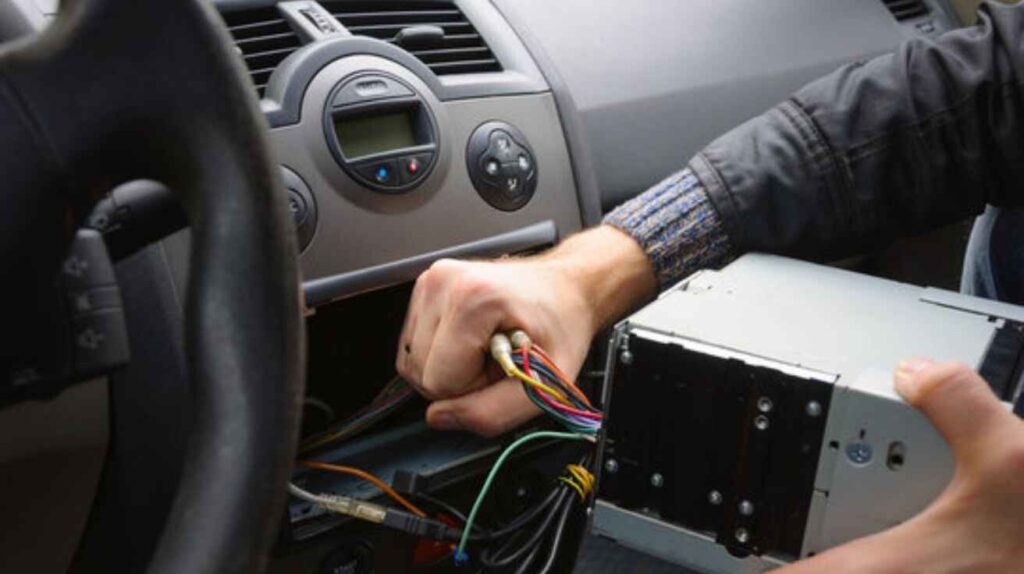
- Mount the control module, wire it into ignition/starter, attach neutral/parking brake/clutch sensors, program the remote/start logic.
- Set up the special “reservation mode”: make sure the car is shifted to neutral, parking brake set, key removed, doors closed — this state arms the system.
- Test thoroughly: make sure the car will not remote start if in gear or brake not engaged, and only remote starts from neutral/parking brake state.
FAQs
Q1: Is it safe to remote start a manual transmission car?
A:Yes, if the kit includes proper sensors and you follow the exit sequence.
Q2: Will remote start work if my manual car is left in gear?
A: No — a properly configured system will refuse to start unless the gearbox is in neutral and the parking brake is engaged.
Q3: Does adding remote start void my warranty?
A: Not usually — when installed professionally with compatible parts designed for manual transmissions, warranty issues are minimal.