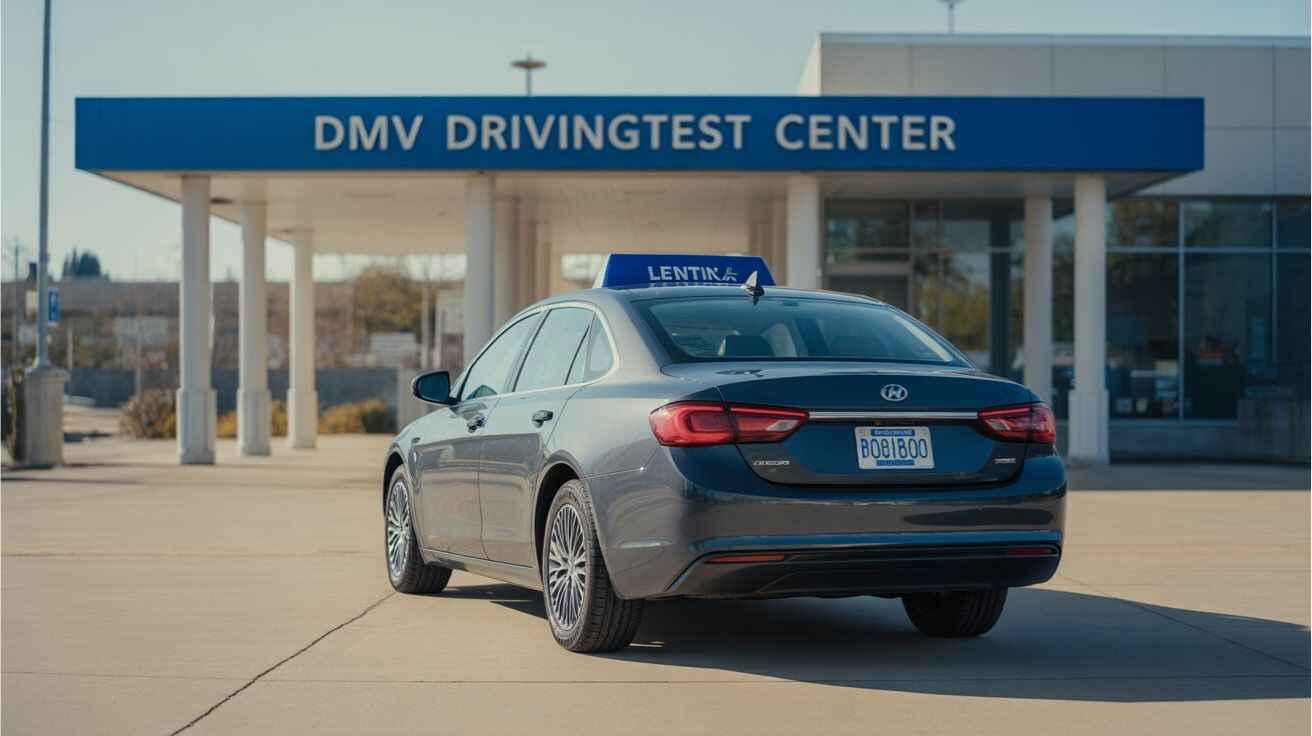
Yes, you can use a rented car for a driving test in some places, but it depends on two things:
- Rental company policy – Many companies don’t allow learners to drive unless a fully licensed driver is on the contract.
- DMV requirements – The car must have valid insurance, registration, and meet all safety standards.
Always check with both the rental company and your local DMV before the test.
Can I Use a Rented Car for Driving a Test — The Real Answer
Yes — in many cases, you can use a rented car for your driving test. However, it depends heavily on two things:
- Rental company policies
- Local DMV requirements
Some rental companies allow permit holders to drive their cars only when accompanied by a fully licensed driver, which includes during a test. Others prohibit it entirely.
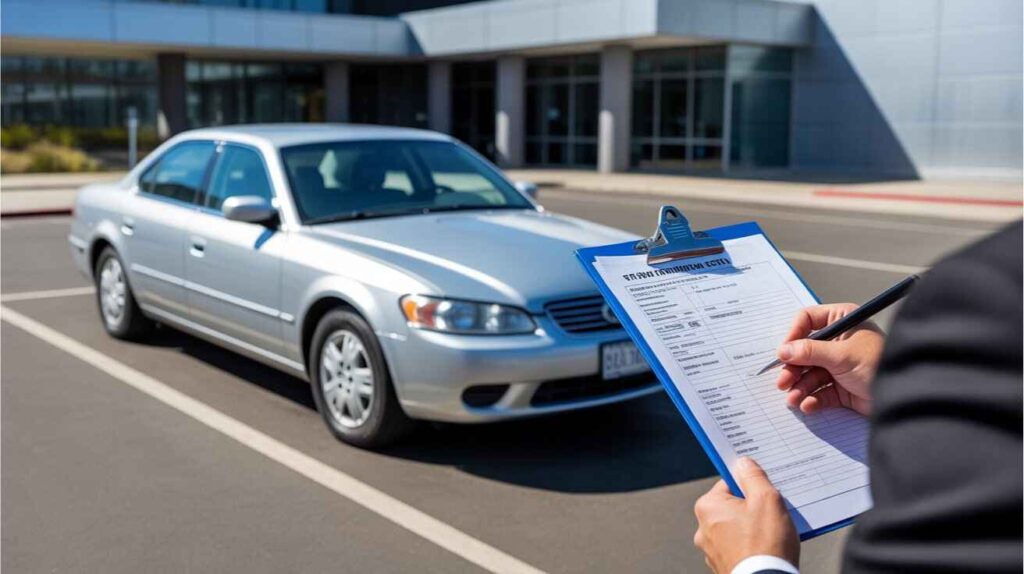
Policies of Popular Rental Companies
Here’s what you’ll typically find (may vary by location):
- Hertz: Often allows it if a fully licensed driver signs the rental agreement.
- Enterprise: Frequently restricts learner drivers unless using a specialized “driving test rental.”
- Avis/Budget: Policies vary; most require a licensed driver to be the primary renter.
Always read the fine print or call customer service before booking.
State and Country Variations
Some states (like California or New York) allow rental cars if the insurance documents match the vehicle. Others prohibit renters from using them for testing without a special contract.
Insurance-Related Restrictions
Insurance is the biggest reason a rental car may not be allowed.
DMVs require:
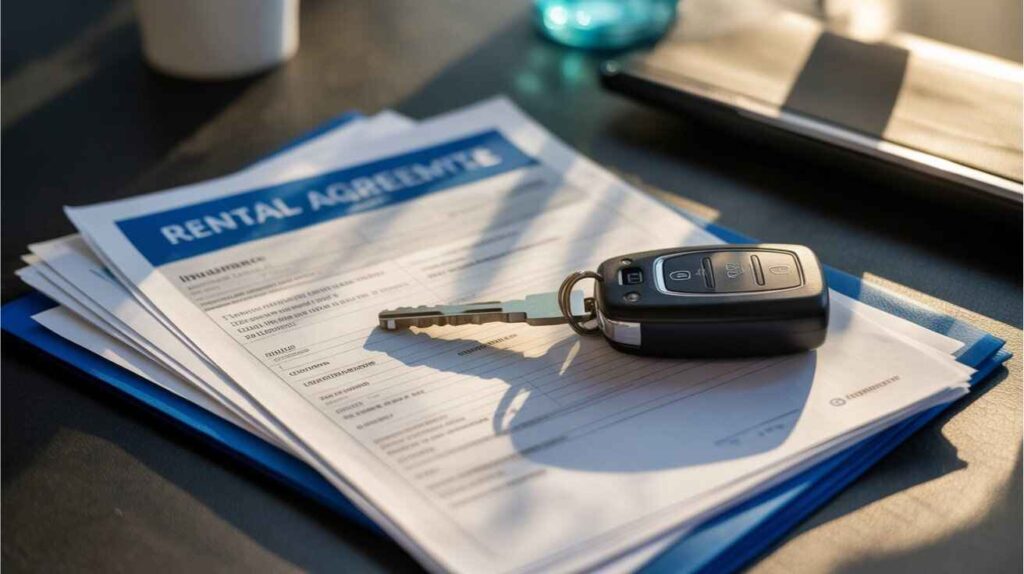
- Proof of liability insurance for that specific vehicle
- A physical or digital insurance card
- A renter who meets legal driving requirements
If your rental agreement doesn’t list you as an insured driver, you may be denied.
Understanding the Driving Test Requirements
Before you even think about bringing a rental car to your driving exam, it’s important to understand what the testing center requires. Every driving test needs a vehicle that meets safety and legal standards.
Most DMVs require:
- Valid registration
- Up-to-date insurance
- Working lights, brakes, and signals
- Safe, roadworthy condition
- A front seat with accessible controls
These requirements exist to ensure both you and your examiner stay safe during the test.
Vehicle Eligibility Basics
A testing vehicle must be fully functional, legally approved, and easy for the examiner to access. Cars with cracked windshields, broken mirrors, or malfunctioning wipers are usually rejected.
Why Some Cars Are Rejected
DMVs commonly reject vehicles for:
- Expired registration
- Missing front license plate (in states that require one)
- Warning lights like ABS or Check Engine
- Faulty doors or windows
- Poor tire condition
Even rental cars can be rejected if they have these issues.
Step-by-Step Checklist If You Plan to Use a Rented Car
| Step | What to Do |
|---|---|
| 1. Verify You Can Legally Use the Vehicle | Make sure you have a valid permit, the owner’s permission, and (for rentals) the contract must allow driving test use. |
| 2. Confirm Insurance Coverage | Ensure you are covered by the car’s insurance—borrowed cars rely on the owner’s policy; rentals usually exclude learners. |
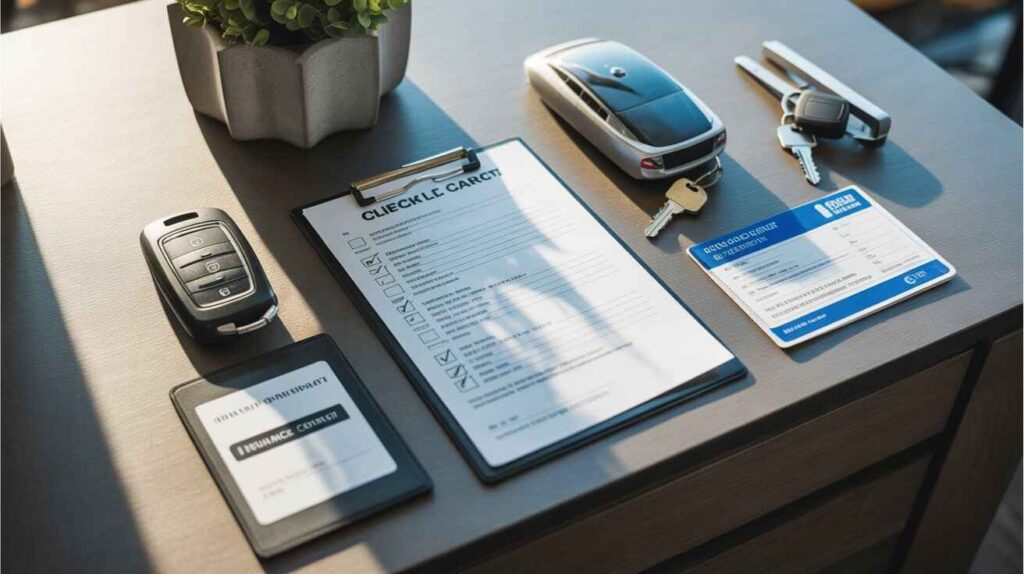
| 3. Bring Required Documents | Bring the registration, insurance card, written permission (if the owner isn’t present), and rental agreement if applicable. |
| 4. Do a Pre-Test Safety Check | Check brakes, lights, signals, windshield, wipers, dashboard lights, and tire tread. |
| 5. Arrive Early for Vehicle Inspection | Show up 10–15 minutes early so the examiner can inspect the vehicle. |
| 6. If Using a Rental, Confirm in Advance | Call the DMV and rental company ahead of time to confirm if rentals are allowed for driving tests. |
Pros and Cons of Using a Rented Car
Benefits
Using a rental has some real advantages:
- Reliability — Rentals are newer and well-maintained
- Comfort — You can choose a car you’re familiar with
- Convenience — Perfect if your own car is unavailable
Drawbacks
But it’s not all smooth sailing:
- Extra costs — Insurance, fees, deposits
- Policy restrictions — Not all companies allow it
- Liability — You pay for any damage during the test
How to Rent a Car Specifically for a Driving Test
If your rental company allows it, follow this simple roadmap to avoid problems on test day.
Documents You’ll Need
Bring:
- Your learner’s permit
- Rental agreement
- Insurance documents
- Valid ID for the primary renter
How to Ensure the Car Meets DMV Requirements
Check the vehicle thoroughly before your appointment:
- Registration up to date
- Lights working
- Seatbelts functioning
- Windows rolling properly
- No dashboard warnings
Essential Pre-Test Inspection
On the morning of your exam:
- Test your horn
- Inspect mirrors
- Check brake responsiveness
- Ensure the car is clean and organized
You must show the examiner that the vehicle is safe.
Common Mistakes to Avoid When Using a Vehicle for a Driving Test
| Mistake | Why It’s a Problem |
|---|---|
| 1. Rental Car Assumption | Rentals usually ban learner use, so they’re not allowed for tests. |
| 2. Missing Documents | No registration, insurance, or permission = test cancelled. |
| 3. Warning Lights Ignored | Any warning light can cause automatic vehicle rejection. |
| 4. No Active Insurance | Car must have valid insurance covering the permit driver. |
| 5. Unfamiliar Car | Not knowing controls leads to avoidable mistakes on test day. |
Best Alternatives If a Rental Car Isn’t Allowed
Using a Driving School Vehicle
This is usually the best option. Driving schools provide fully insured, pre-approved cars, and often allow a warm-up lesson right before the test.
Borrowing a Family Member’s Car
You can also use a car owned by a friend or family member, as long as the insurance policy covers you as a learner.
FAQs
1. Can I use rented car for driving test anywhere?
Not everywhere. It depends on local laws and rental company restrictions.
2. Do rental companies let learners drive their cars?
Some do, but only with a fully licensed driver listed on the agreement.
3. Will the DMV accept a rental car without insurance documents?
No. You must show proof of liability insurance for that exact vehicle.