Yes, you can put 88 gas (E15) in your car if it was made in 2001 or later and the owner’s manual approves E15 fuel. Avoid using it in older or premium-fuel vehicles, as it may cause engine knocking or reduced performance.
What Are Octane Ratings?
The octane rating of gasoline measures how well it resists engine knocking — that rattling sound caused when fuel ignites too early in the combustion cycle.
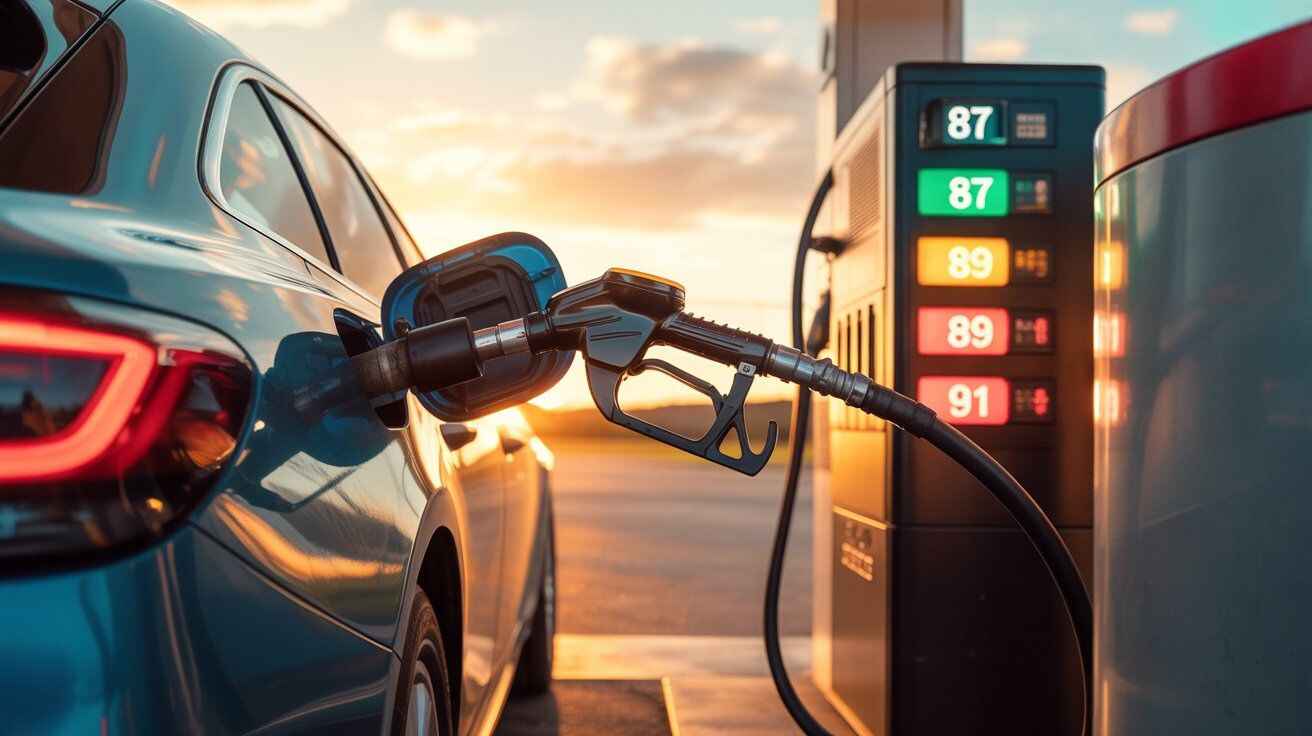
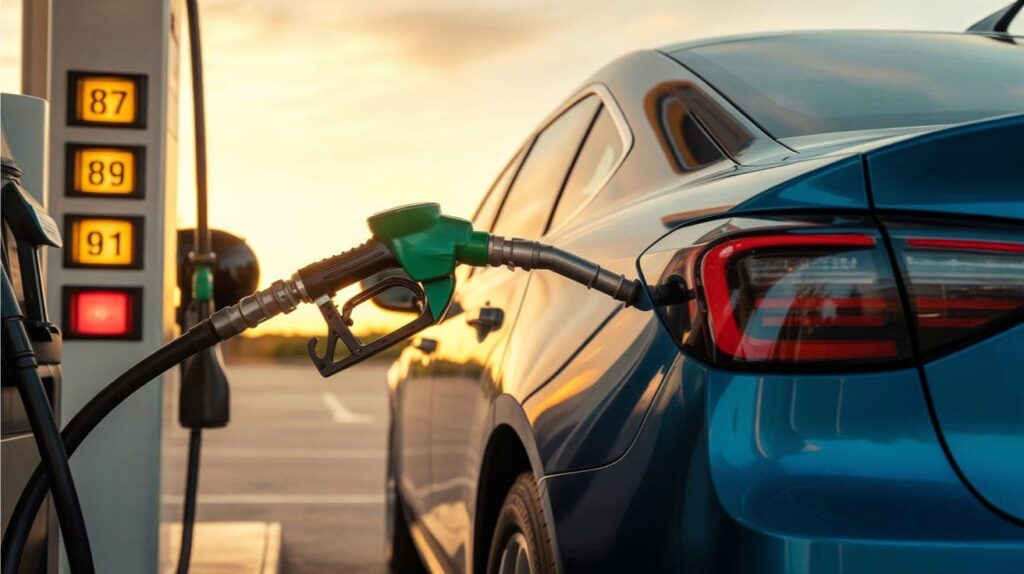
Common octane grades are 87 (regular), 89 (mid-grade), and 91–93 (premium). Higher octane fuels are designed for engines that compress fuel more before ignition, preventing knock and ensuring smoother performance.
Why Octane Matters ?
Octane rating directly affects engine performance and fuel efficiency. Engines built for regular gasoline (87) typically don’t gain power from higher octane fuels. However, engines tuned for premium or turbocharged systems may require higher octane to avoid knock.
The new Unleaded 88 gas (E15), with 15% ethanol, offers slightly more octane than regular gas — but not every vehicle is designed to handle that ethanol content safely.
What Is 88 Gas (Unleaded 88 / E15)?
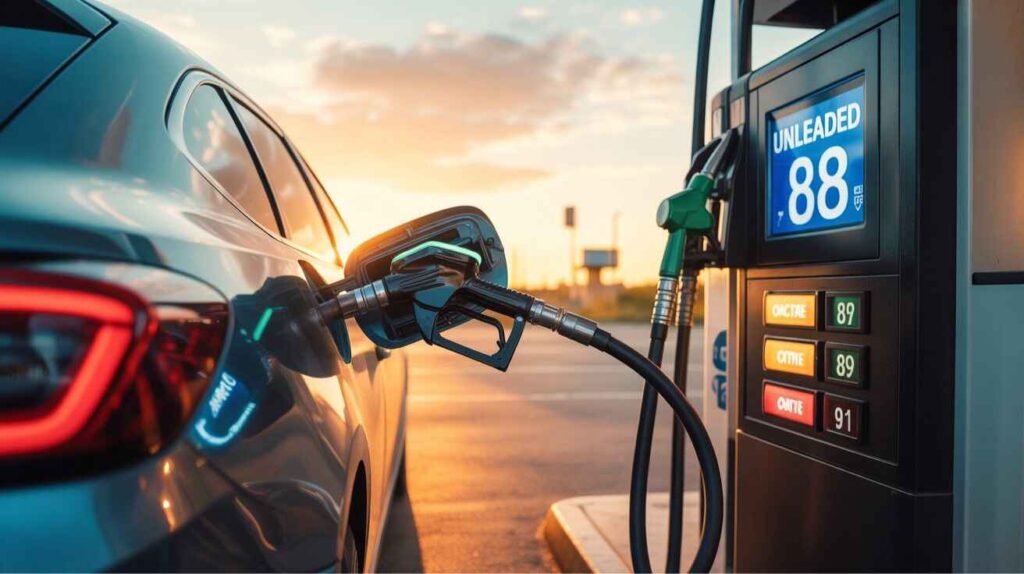
Unleaded 88 refers to gasoline with an octane rating of 88 and about 15% ethanol, also called E15 fuel blend. It’s one step above the standard 87-octane regular gasoline, which typically contains 10% ethanol (E10).
The idea behind E15 is to lower emissions and reduce costs. Ethanol, made mostly from corn, burns cleaner and is renewable. However, it has slightly less energy per gallon, which can lead to a small dip in fuel economy.
Drivers choose Unleaded 88 mainly for its environmental benefits and minor price savings at the pump.
Can You Use 88 Gas in Your Car?
Manufacturer Recommendations
The EPA approves E15 for use in most 2001 and newer cars and light trucks, as well as flex-fuel vehicles (FFVs). However, always check your owner’s manual or fuel cap label before filling up.
Some automakers—especially those producing performance or luxury models—recommend against using E15 to avoid potential warranty issues.
If your manual says your car accepts ethanol-blended gasoline up to 15%, you’re good to go. Otherwise, it’s best to stick to regular 87 octane or whatever your manufacturer specifies.
Compatibility of 88 Gas
Vehicles approved for E15 will run smoothly on 88 octane. It’s a clean-burning option that can reduce emissions and lower fuel costs slightly compared to premium fuels. However, if your car requires premium (91 or 93 octane), avoid using Unleaded 88.
The lower octane and higher ethanol content may lead to engine knocking, rough idling, or fuel system corrosion in engines not designed for it.
- Safe for: 2001+ cars, trucks, and FFVs.
- Avoid for: pre-2001 vehicles, motorcycles, boats, and small engines.
- High-performance vehicles: may experience engine knocking or power loss since they need premium fuel.
Pros and Cons of Using 88 Gas
Advantages
- Lower cost: Unleaded 88 often sells for a few cents less per gallon than standard gasoline.
- Cleaner emissions: The ethanol content helps reduce harmful exhaust gases.
- Smooth performance: Many modern engines handle E15 fuel without any noticeable change.
- Supports domestic energy: Using ethanol-blended fuel reduces reliance on imported oil.
Disadvantages
- Slight drop in fuel efficiency: Expect about a 1–3% reduction in miles per gallon compared to E10.
- Possible engine knocking: Especially in vehicles that require higher octane or premium gasoline.
- Warranty concerns: Some automakers won’t cover damage caused by unapproved fuels.
- Limited compatibility: Older engines and small tools like mowers or boats can suffer corrosion or gasket damage.
Risks & Manufacturer Warnings
While Unleaded 88 gas is generally safe for newer vehicles, certain manufacturers have raised concerns. Ethanol attracts moisture, which can lead to fuel system corrosion or rubber seal wear in engines not designed for it.
Even if the EPA approves 88 gas, always follow your automaker’s guidelines. Using a non-recommended fuel could result in engine issues or voided warranties. When unsure, choose the fuel listed in your owner’s manual—it’s the best protection for your car.
Effects on Performance, Fuel Efficiency, and Emissions
Using E15 fuel may cause a minor fuel economy drop, usually less than 3%. Performance differences are minimal in compatible cars, as modern engines adjust automatically. In exchange, emissions tend to be cleaner, and carbon output slightly lower.
For everyday drivers using approved vehicles, Unleaded 88 offers a balanced mix of savings, performance, and environmental benefit.
What to Do If You Already Put 88 Gas in Your Car
If your vehicle is model year 2001 or newer, relax—88 gas won’t harm your car. Drive normally and refill with your regular fuel next time. If your car is older or not rated for E15, avoid running the engine and have the fuel drained by a mechanic.
How to Check If Your Car Is Compatible
Look for an E15 or Unleaded 88 label near your fuel cap, or check the fuel section in your owner’s manual. You can also search your VIN on your manufacturer’s website. Flex-fuel vehicles (FFVs) are automatically compatible with E15.
FAQs
1. Can I put 88 gas in my car if it’s new?
Yes, most 2001+ cars can safely use it.
2. Will it void my warranty?
Only if your automaker specifically prohibits E15 use.
3. Is 88 gas the same as premium fuel?
No, it’s lower octane and contains more ethanol.