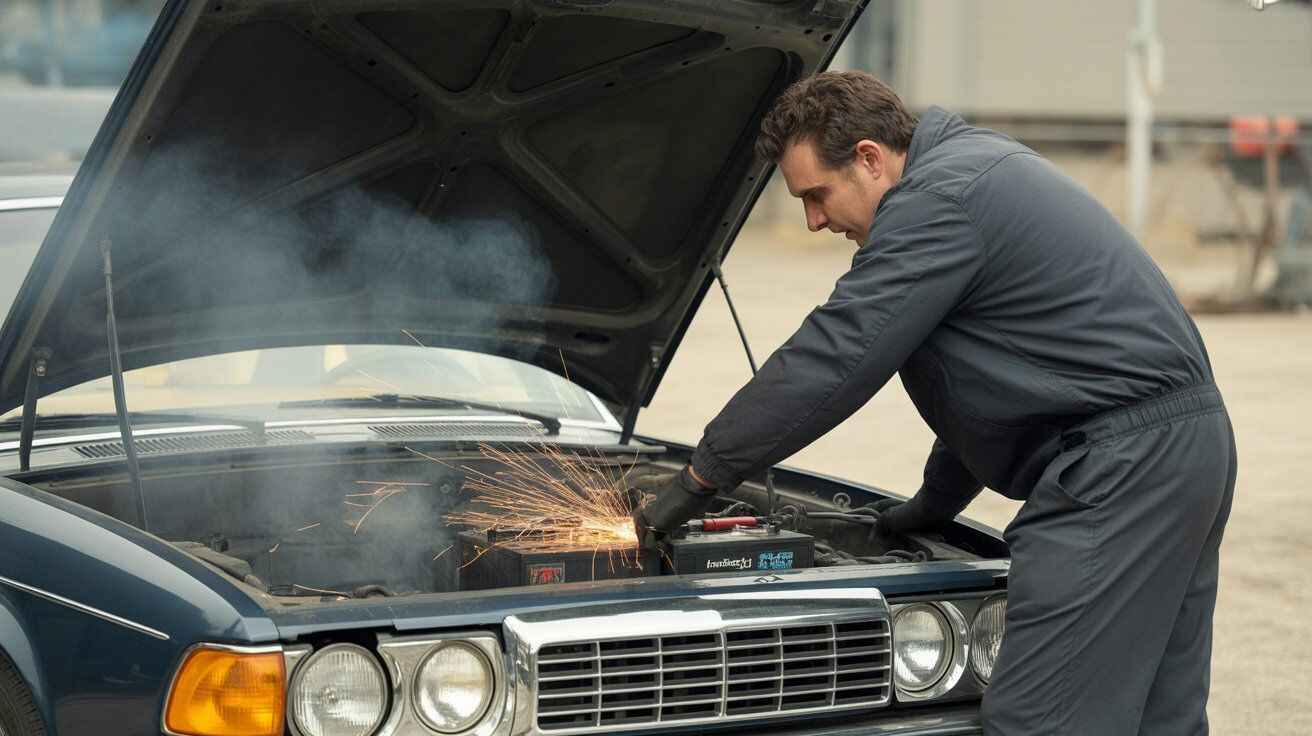
Yes, a car can run without an alternator, but only until the battery charge runs out. Without recharging, the engine will stall quickly, making it unsafe and impractical for regular driving.
What the Alternator Actually Does in a Car?
Can a car run without an alternator? The short answer is yes but not for long. The alternator is a small generator that powers your car’s electrical system while the engine is running.
It powers essentials like headlights, ignition, and dashboard electronics while also recharging the battery. Without it, the battery would drain quickly, leaving the car unable to start or operate.
What is an Alternator?
The alternator is a generator connected to your engine that converts mechanical energy into electrical energy. Unlike the battery, which only provides a limited charge, the alternator continuously supplies power as long as the engine is running.
It keeps your headlights, ignition, dashboard, AC, and radio working and recharges the battery so your car can restart. Think of it as a teammate with the battery: the battery starts the car, then the alternator takes over once the engine is running.
If the belt slips or the voltage drops, the system drains the battery instead of charging it. This is why alternator issues often seem like battery problems—many drivers replace a battery only to find it dies quickly because the alternator failed.
Can a Car Run Without an Alternator?
Yes, A car can run without an alternator, but only as long as the battery has a charge. Without the alternator to recharge it, the battery becomes the sole power source, and it won’t last long.
A fully charged battery can power the car for 30 minutes to a few hours, depending on the electrical usage. Driving in daylight with minimal demand lasts longer, while headlights, wipers, and AC drain it quickly. As the battery weakens, accessories fail, lights dim, performance drops, and eventually the engine stalls.
Since modern cars require more power, they often shut down faster without alternator support. In short, a car can only run without an alternator for a short distance, long enough to reach a repair shop, but relying solely on the battery is risky and impractical.

Signs of Alternator Failure
Knowing when an alternator is failing can save you from being stranded. Common warning signs include:
- Dimming or flickering headlights when idling or accelerating.
- The battery warning light is glowing on the dashboard.
- Weak or failing accessories, such as slow window motors or a radio that cuts out.
- Unusual noises from a slipping alternator belt.
It’s easy to confuse alternator problems with a weak battery. A simple distinction is that a dead battery can often be jump-started, but if the alternator is bad, the car will soon die again, even after a jump. Testing the alternator’s output voltage with a multimeter is the best way to confirm the issue.
Risks & Dangers of Driving Without an Alternator
Driving without an alternator is risky. Once the battery is drained, the engine will stop, possibly in the middle of traffic. Loss of power also means no steering or brake assistance, making driving dangerous.
A weak power supply can damage electronics, causing misfires, stalling, or ECU failure. In short, while a car can run briefly without an alternator, it is unsafe, unsustainable, and risks leaving you stranded or damaging your vehicle.
Alternatives for Running a Car Without an Alternator
In emergencies, a car can run briefly with a fully charged battery, but it will drain quickly and isn’t reliable for long trips. An external power source, such as a portable booster or power pack, can provide extra runtime, but it only delays the inevitable.
Some try frequent jump-starts, but without an alternator, the battery continues to die, and this can damage both vehicles. Ultimately, no alternative can replace an alternator—these are temporary stopgaps with serious limitations and risks.
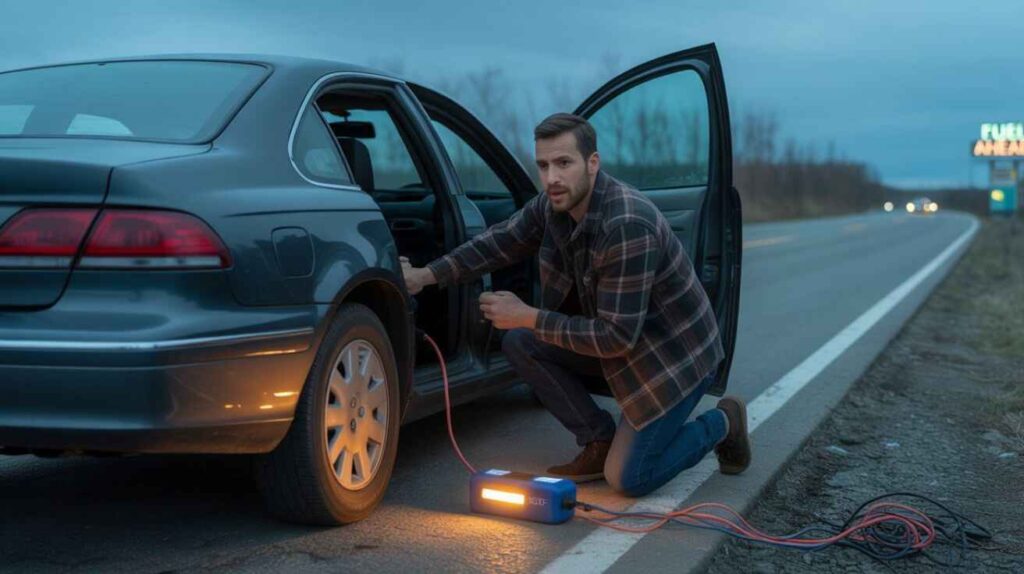
What To Do If Your Alternator Fails While Driving
If your alternator fails while driving, turn off non-essential electronics like the radio, AC, or heated seats to conserve battery power.
Keep your headlights on only when necessary for safety, and head straight to the nearest repair shop or a safe location. Avoid shutting off the engine until you’ve reached help, as the battery alone may not be enough to restart it.
Repairing or Replacing an Alternator
Alternators fail due to worn bearings, broken belts, faulty regulators, or wear and tear. Basic checks include belt tension, connections, and voltage output.
If problems persist, consult a professional mechanic, as driving with a weak alternator can cause further damage.
Sometimes warranties or guarantees reduce costs. The bottom line: address alternator issues promptly to prevent costly repairs and maintain your car’s safety and reliability.
| Type of Repair / Replacement | Estimated Cost Range |
|---|---|
| Minor Repairs (belt, fuse, connections) | Under $100 |
| Rebuilt Alternator | $200 – $400 |
| New Aftermarket Alternator | $300 – $500 |
| OEM Alternator Replacement | $500 – $800+ |
| Labor Costs | $100 – $200 |
FAQs
Q1: Can I drive my car without an alternator until I reach a garage?
Yes, but only for a short distance. A fully charged battery may buy you time, but don’t push it too far.
Q2: Will jump-starting fix the alternator failure?
No. Jump-starting only recharges the battery briefly. Without an alternator, the charge won’t last.
Q3: What happens if the alternator dies while driving?
The battery will take over temporarily. Once drained, the car will stall, often leaving you stranded.