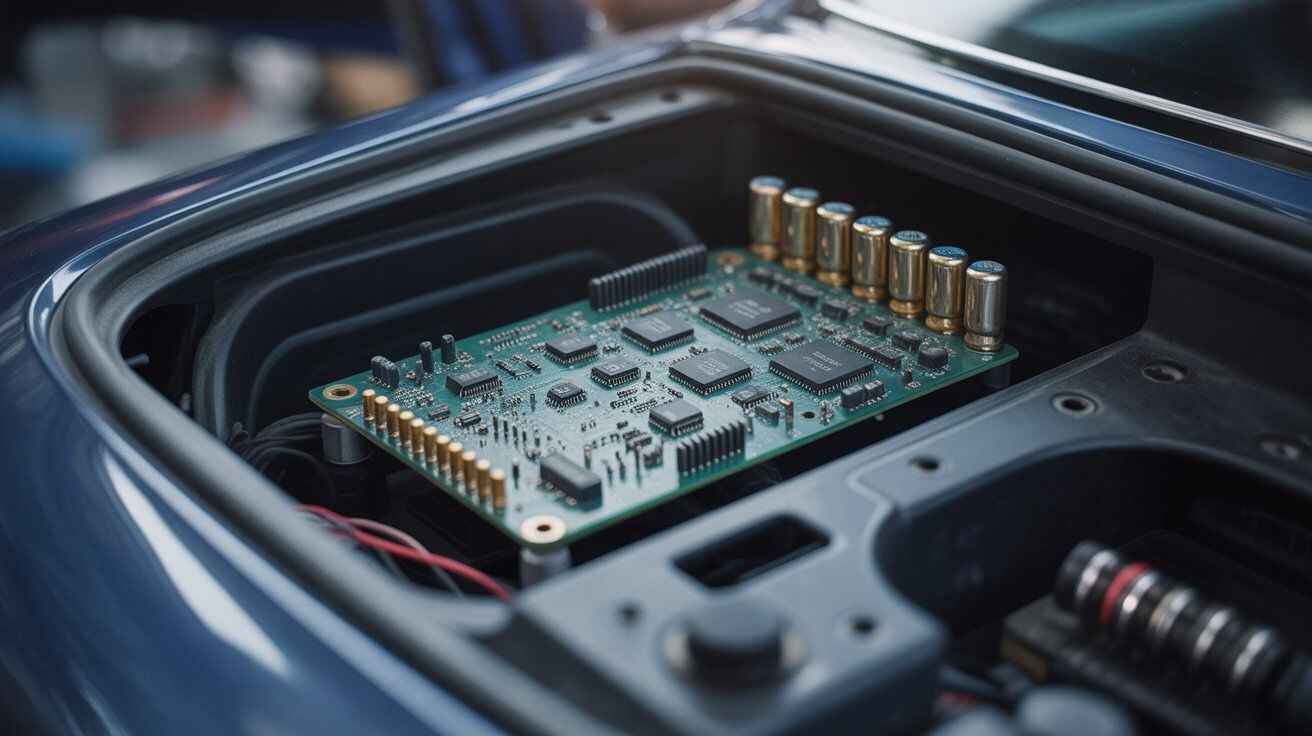
Yes, a car can be repaired after airbags deploy, but it often requires replacing the airbags, sensors, and sometimes other damaged parts.
Understanding Airbags and Their Role
What Are Airbags?
Airbags are inflatable cushions designed to protect occupants during collisions. They work alongside seatbelts to reduce impact forces on the head, chest, and torso.
How Do Airbags Work?
Inside your car, crash sensors continuously monitor for sudden deceleration. In milliseconds, the SRS module signals inflators to release gas and fill the airbag. This rapid action cushions passengers before they strike the interior.
Types of Airbags
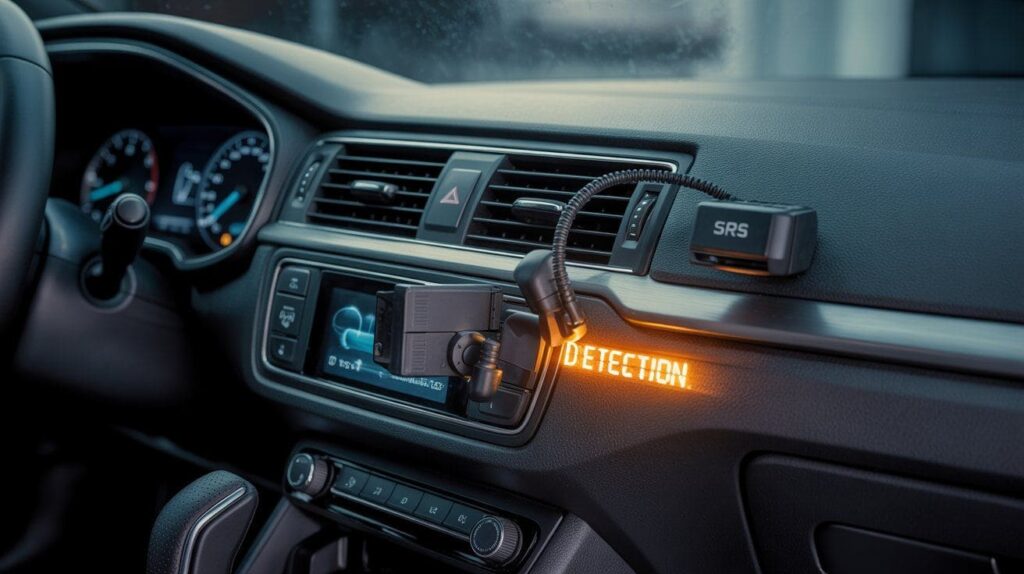
Most cars come with driver and passenger front airbags. Many modern vehicles also include side, curtain, and knee airbags. The number and placement of airbags influence both safety and repair costs. For example, replacing a driver’s airbag may be less expensive than replacing multiple curtain airbags in a larger SUV.
What Happens When Airbags Deploy?
Impact on Vehicle Integrity
When airbags deploy, the force often damages steering wheels, dashboards, or side panels. While this doesn’t always mean structural failure, cosmetic and mechanical issues are common.

Safety Features and Sensors
Deployment affects more than just the airbags. Crash sensors, the SRS control unit, and seatbelt pretensioners often need replacement. If these components aren’t repaired correctly, the system may fail in another collision.
Common Repairs Needed
Typical repairs after deployment include:
- Installing new airbags (driver, passenger, or side)
- Replacing seatbelt pretensioners
- Resetting or replacing the SRS module
- Reprogramming crash sensors
- Repairing cosmetic damage (dashboards, panels)
Airbag Deployment Repair Costs
| Repair Item | Average Cost Range (USD) | Notes |
|---|---|---|
| Driver Airbag Replacement | $1,000 – $1,500 | Includes inflator, airbag, and cover (steering wheel area) |
| Passenger Airbag Replacement | $1,200 – $2,000 | Higher cost due to dashboard integration |
| Side or Curtain Airbag Replacement | $1,500 – $3,000 | Costs vary by vehicle size and number of airbags |
| Seatbelt Pretensioner Replacement | $200 – $350 each | Often triggered along with airbags |
| Crash Sensors | $75 – $150 each | Multiple sensors may need replacement |
| SRS Control Module Reset/Replace | $300 – $600 | Controls the airbag system; sometimes needs full replacement |
| Labor Costs | $70 – $150 per hour | Varies by region and shop rates |
| ADAS & Sensor Recalibration | $250 – $500 | Required for vehicles with advanced driver assistance systems |
| Cosmetic Repairs (dash/panels) | $500 – $1,500 | Depends on interior damage from deployment |
Can the Car Be Repaired If the Airbags Are Deployed?
Assessing Damage
After an accident, a certified collision repair shop conducts a full vehicle inspection, including structural checks and diagnostic scans of the SRS. Insurance adjusters also evaluate repair cost vs. vehicle value.
Factors Influencing Repairability
- Severity of crash: Minor collisions with limited deployment may be repairable, while severe impacts with structural damage may make repairs uneconomical.
- Vehicle make and model: Luxury brands or cars with advanced safety systems carry higher replacement costs.
- Parts availability: OEM airbag parts may be difficult to source, affecting both cost and repair timeline
Typical Repair Process
Repairs involve:
- Removing deployed airbags
- Installing OEM replacements
- Resetting or replacing the SRS module
- Checking seatbelt systems
- Recalibrating safety features (ADAS)
If handled by trained technicians, the car can be restored to factory safety standards. A car can often be repaired after airbag deployment—but not always economically.

Repair Process Step-by-Step
- Towing & Initial Inspection — Car is undriveable, moved to a collision repair shop; visible damage to airbags, dashboard, and panels is checked.
- Diagnostic Scans — Technicians scan the SRS system to detect errors in airbags, sensors, and seatbelt pretensioners.
- OEM Parts Ordered — Genuine OEM airbags and safety components are sourced; aftermarket or counterfeit airbags are unsafe.
- Airbags Replaced — Deployed airbags (driver, passenger, side, or curtain) are removed and new airbags installed to factory standards.
- Seatbelt Pretensioners & Sensors Fixed — Pretensioners and crash sensors are replaced since they usually trigger during deployment.
- SRS Control Module Reset/Replace — The module storing crash data is reprogrammed or swapped to reactivate the system.
- ADAS Recalibration — Advanced safety systems like lane assist or emergency braking are recalibrated with special equipment.
- Cosmetic & Structural Repairs — Damaged dashboards, steering wheel covers, and panels are repaired or replaced.
- Final Safety Checks — Full system diagnostics, airbag warning light check, and test drive ensure everything works properly.
Repair vs. Resale Value After Airbag Deployment
| Factor | Impact on Vehicle Value | Key Takeaway |
|---|---|---|
| Airbag Deployment History | -10% to -30% resale value | Buyers see crash history as higher risk even after repairs. |
| OEM Airbags & Certified Repair | Improves buyer confidence but doesn’t erase history | Always insist on genuine OEM parts and professional service. |
| Car History Reports (Carfax, etc.) | Permanent record of deployment | Lowers resale appeal regardless of repair quality. |
| Salvage or Rebuilt Title | Significant drop in value (up to 50%+) | Harder to sell, often purchased only by budget buyers. |
| Marketability | Reduced buyer interest | Repaired cars may take longer to sell or fetch less trade-in value. |
| Ownership Strategy | Better for long-term keepers | Short-term resale plans may not be financially worthwhile. |
Safety Considerations Post-Repair
- Certified technicians matter — Always choose a certified repair facility. Airbag systems are delicate, and incorrect installation can compromise safety.
- OEM parts are non-negotiable — Genuine OEM airbags and sensors ensure proper fit and deployment. Aftermarket or salvaged airbags can fail in future crashes.
- Recalibrating sensors is critical — After repairs, all SRS sensors and ADAS systems (lane assist, automatic braking, collision warning) must be recalibrated to factory specs.
- Airbag light check — The airbag warning light on the dashboard must be verified as off before the car is safe to drive again.
- Full system diagnostics — A post-repair SRS diagnostic scan confirms that every safety component is rearmed and ready.
- Long-term safety impact — Yes, a car can be repaired if the airbags are deployed, but the vehicle may never be quite the same. Repairs restore functionality, but resale buyers and insurers often view it as higher-risk.
FAQs
Q1: Can I drive after airbags deploy?
No. Driving without functioning airbags and sensors is unsafe.
Q2: How long do repairs take?
Most repairs take 3–7 days, depending on part availability.
Q3: Is a car always totaled if airbags deploy?
Not always. It depends on repair cost versus the car’s value.