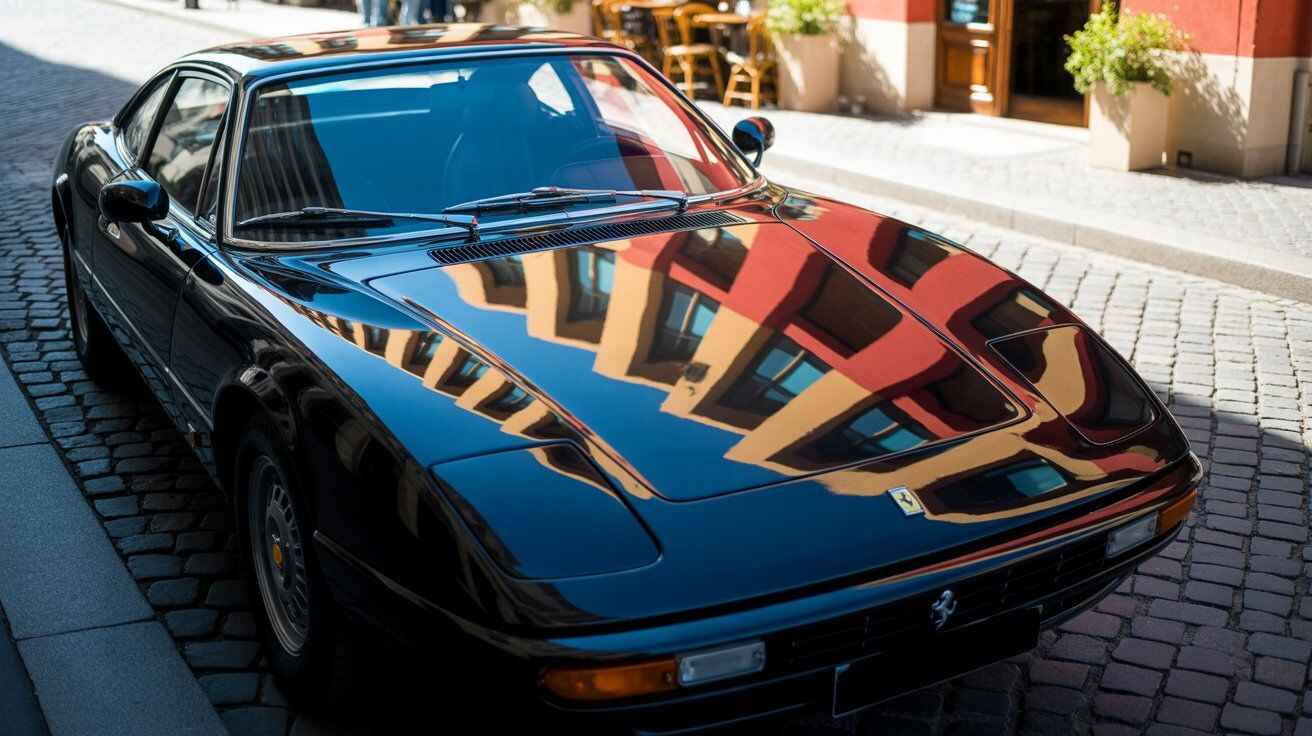
Wait 30 to 90 days after a fresh paint job before waxing. This allows the paint and clear coat to fully cure so solvents can escape, preventing damage.
When can you wax a car after it’s painted?
One of the most common questions car owners ask after a fresh paint job is: when can you wax a car after it’s painted? The timing matters more than many realize.
Waxing too soon can lock in solvents and damage the finish, while waiting ensures protection and lasting shine. In this guide, we’ll cover paint types, curing stages, safe waiting periods, and how to care for your car paint until waxing is safe.
Understanding Car Paint
Types of Car Paint
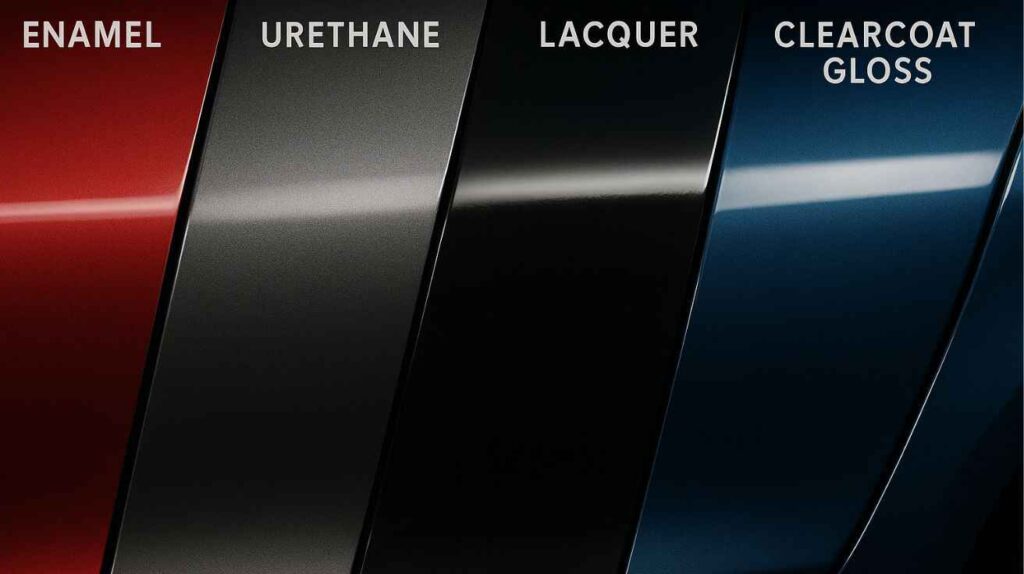
Automotive paint comes in several forms enamel, urethane, lacquer, and basecoat/clearcoat systems. Enamel is durable but cures slowly.
Urethane dries faster, especially when baked. Basecoat/clearcoat offers depth and gloss but needs proper curing before waxing.
Stages of the Painting Process
The process includes preparation, application, and curing. After sanding, priming, and applying basecoat/clearcoat, the surface feels dry in hours but takes days/weeks to cure.
The curing stage when solvents evaporate and paint hardens determines waxing safety.
Importance of Timing Wax Application
Effects of Waxing Too Early
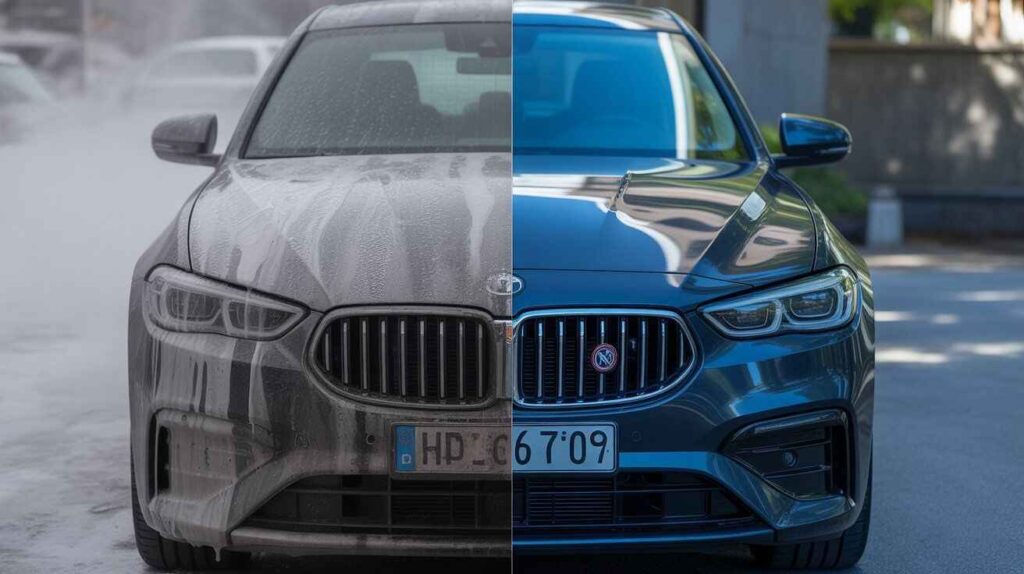
Waxing fresh paint too soon traps solvents, causing hazing, swirl marks, or solvent pop defects. These issues shorten the life of both paint and wax.
Benefits of Waiting to Wax
Patience ensures stronger adhesion, deeper gloss, and longer-lasting protection. Wax bonds properly and shields against UV rays, water spots, and contaminants. Waiting before waxing is the best way to protect fresh paint.
Recommended Waiting Periods
Waiting for Enamel Paint
Enamel paint usually requires at least 30 days before waxing. Air-dried enamel may need even longer, depending on climate.
Waiting for Urethane Paint
Urethane, especially when cured in a heated booth, can sometimes be waxed in as little as 3–7 days. However, most professionals still suggest 30 days to be safe.
Environmental Considerations
High humidity and low temperatures slow the curing process. Warm, dry air speeds it up.
How to Test if the Paint is Ready for Waxing
Check for lingering solvent odor, inspect gloss stability, and consult your body shop or manufacturer’s spec sheet. A simple fingernail test — lightly pressing to feel hardness — also helps determine readiness.
Factors That Influence the Safe Waiting Time
- Paint Type: Different paints cure at different rates. Enamel often needs longer — around 30 days or more — while urethane dries faster, especially if heat-cured. Basecoat/clearcoat systems are common today and usually fall in the 30–60 day range.
- Curing Method: Air-dried finishes take the longest because they rely on evaporation. Paint cured in a heated booth can be ready much sooner since the heat speeds up solvent release and hardening.
- Environmental Conditions: Temperature, humidity, and airflow around the car play a huge role. Warm, dry climates accelerate curing, while damp or cool environments slow the process.
- Paint Thickness and Additives: Thicker clear coats, strong solvents, or added hardeners can all change curing times. More material means more time is needed for solvents to escape.
Common Mistakes When Waxing a Newly Painted Car
| Mistake | What Happens | How to Fix It |
|---|---|---|
| Waxed too soon | Trapped solvents, hazy finish, or solvent pop defects | Use a body-shop safe wax remover or mild polish |
| Used harsh compounds during curing | Swirl marks, scratches, reduced gloss | Hand-polish with a fine finishing polish and microfiber |
| Applied heavy wax layers | Uneven shine, streaking, difficult removal | Strip and reapply thin, even coats |
| Skipped surface prep (no wash/clay) | Wax fails to bond, dirt sealed under wax | Re-wash, clay, and reapply wax |
Signs That the Paint Has Fully Cured
No solvent smell, stable hardness, and consistent gloss are key indicators. Outgassing should be complete. The most reliable sign is the manufacturer’s or painter’s recommendation since they know the paint system and curing process.
What You Can Do Before Waxing
While waiting, you can still wash gently by hand with pH-balanced soap and microfiber. Avoid automatic washes and harsh chemicals.
For extra shine, use body-shop safe glazes or mild polishes. Do not use sealants, ceramic coatings, or abrasives until curing ends. Experts like Formula 1 Collision Center and Meguiar’s Online recommend patience and gentle care.
How to Wax Safely After Painting
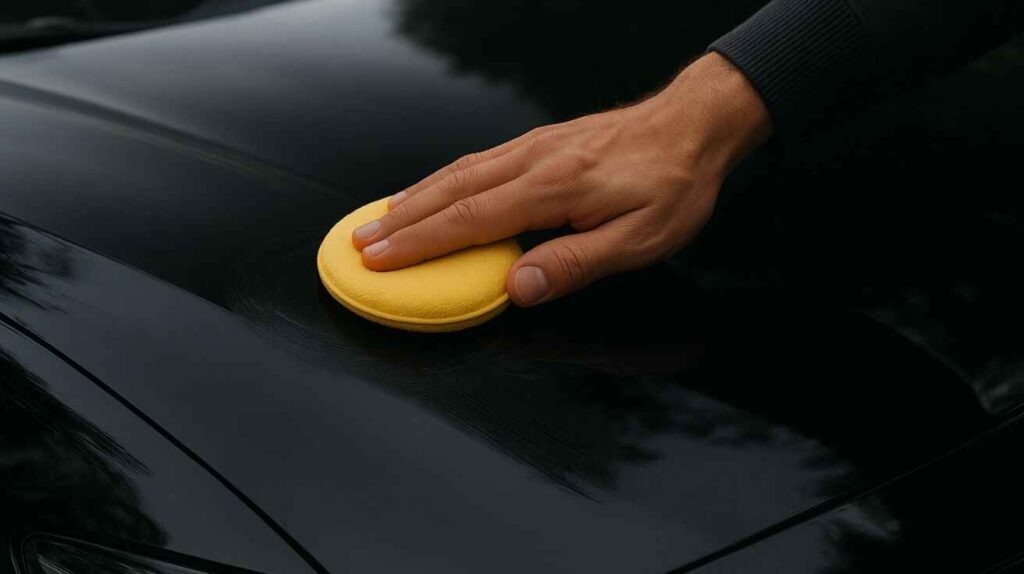
After curing, wash and dry thoroughly, clay bar if needed. Use a mild, carnauba-based or gentle synthetic wax. Apply thin, even layers with microfiber in the shade.
Let haze slightly, then buff clean. Proper technique ensures even coverage and maximum protection for new paint.
FAQs
Q1: Can I wax a factory-new car?
Yes. OEM paint is fully cured before delivery.
Q2: What happens if I wax too early?
You risk hazing, solvent trapping, or poor gloss retention.
Q3: What’s the best wax for fresh paint?
Mild carnauba or gentle synthetics after curing.
Q4: How do I test if paint is cured?
Check odor, gloss stability, and hardness; follow painter advice.
Q5: Can I use ceramic coating instead of wax?
Not until paint fully cures.