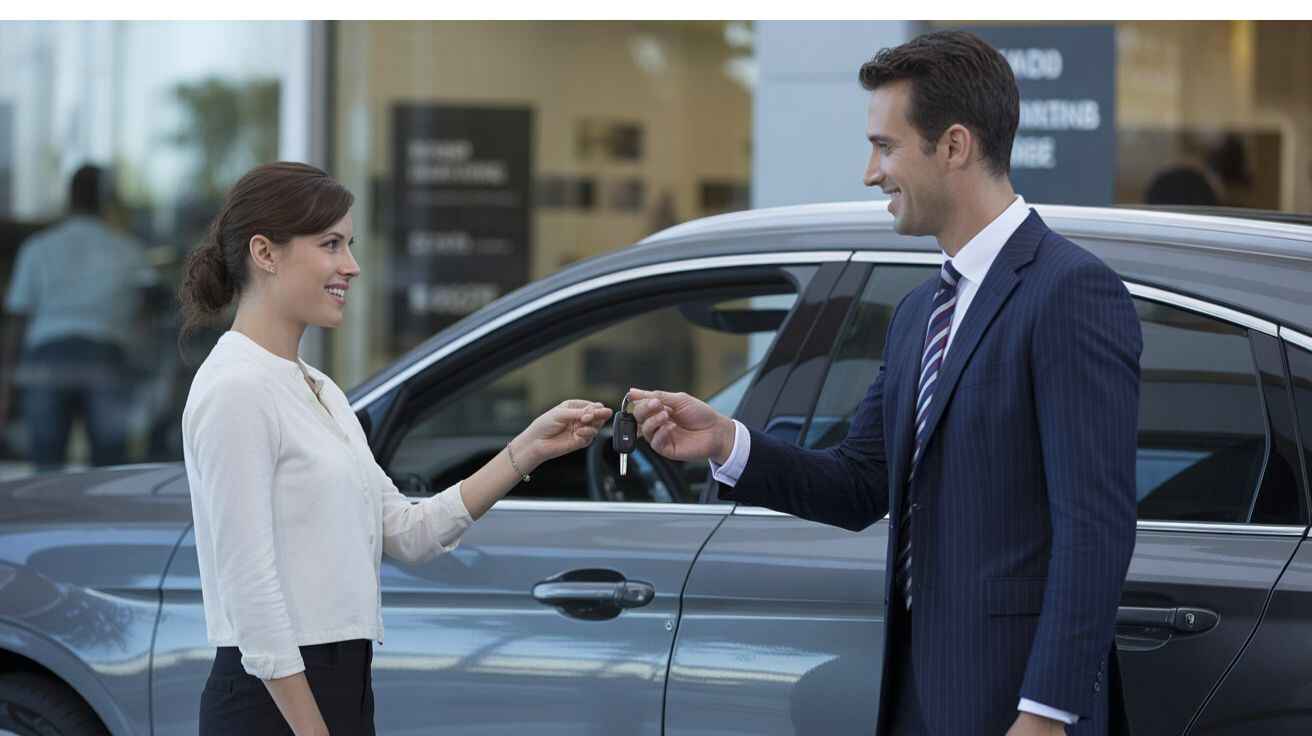
A dealer may buy back a car to resell it as used inventory, meet high market demand, retain customer loyalty, or resolve issues like recalls, defects, or lease returns.
Why Would a Dealer Buy Back a Car?
If you’ve ever asked, “Why would a dealer buy back a car?”. A dealer buyback is not the same as a trade-in. While trade-ins apply your car’s value toward another purchase, buybacks are often tied to programs, recalls, or legal settlements.
Some buybacks happen under lemon laws, others during recalls with no available parts, and sometimes as part of promotions to boost inventory.
What Is a Dealer Buyback (vs. Manufacturer Buyback)?
A dealer buyback happens when a dealership repurchases your car, often due to programs, customer guarantees, or inventory needs. It may be dealer-initiated or customer-driven.
A manufacturer buyback is different—it usually comes from lemon law cases or unresolved defects, where the automaker is legally required to repurchase. These vehicles often carry a “lemon law buyback” title disclosure.
The key difference is who initiates the process and title impact. Dealer buybacks are goodwill or marketing moves, while manufacturer buybacks protect consumers under law. Both aim to maintain trust and resolve issues.
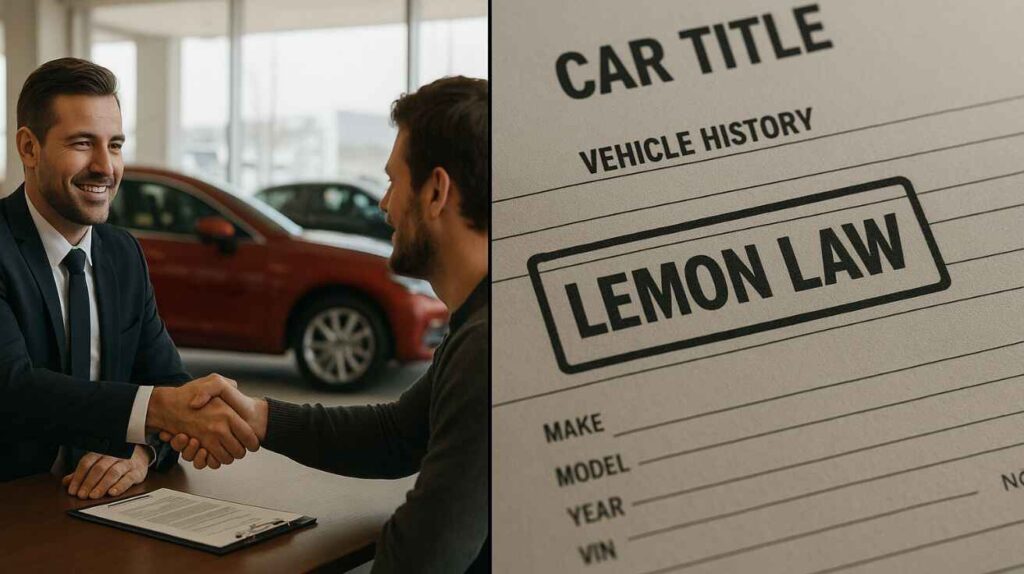
Dealer Buyback Process: Step-by-Step Table
| Step | What Happens | What to Expect as a Consumer |
|---|---|---|
| 1. Initial Contact | Dealer or consumer initiates the buyback discussion. | Ask about program details or reasons for buyback. |
| 2. Vehicle Assessment | Dealer inspects car’s condition, checks service records, and reviews vehicle history report. | Ensure all documents are available to get a fair evaluation. |
| 3. Offer Calculation | Dealer sets an offer, factoring in trade-in value, usage fee deductions, and market demand. | Compare with online trade-in tools to gauge fairness. |
| 4. Negotiation | Both parties discuss terms, including price and conditions. | Be prepared to negotiate; get everything in writing. |
| 5. Paperwork & Title Transfer | Dealer completes required forms and handles title branding if applicable. | Verify paperwork, especially if it’s a lemon law buyback. |
| 6. Payment or Credit | Dealer pays cash or applies credit toward another purchase. | Choose what works best for your situation. |
Key Reasons for Dealer Buybacks
Customer Satisfaction
Customer trust is vital in the auto industry. Dealers may buy back cars with ongoing issues even if they don’t meet lemon law standards. This shows commitment to service and builds brand loyalty.
By offering buybacks, dealers resolve problems quickly, give customers a fair solution, and avoid reputational harm from disputes or prolonged repairs.
Inventory Control
Dealers use buybacks for inventory management, securing in-demand models like SUVs or EVs and improving used car quality.
Seasonal demand also matters such as trucks before winter or compact cars during fuel price spikes. These strategies keep lots aligned with consumer demand, boosting sales and profitability.
Benefits for Consumers
Fair Trade-In Value
A buyback often offers better value than standard trade-ins since dealers are motivated by goodwill or demand. Still, consumers should check mileage, service history, and online values to ensure a fair deal.
Streamlined Process
Buybacks are faster and safer than private sales. Dealers handle inspection, offer, paperwork, and title transfer, saving consumers from the hassle and risks of selling privately.
Benefits for Dealers
Retaining Loyal Customers
Buybacks are more than sales—they’re tools to build customer relationships. By offering repurchase, dealers show goodwill, turning problems into future opportunities. Supported customers often return for their next car, use financing options, and give referrals, boosting loyalty in competitive markets.
Reconditioning Opportunities
Dealers can recondition buyback cars through repairs, cosmetic fixes, and inspections, then resell them as certified pre-owned vehicles. This improves inventory quality, increases profit margins, and appeals to budget-conscious buyers. Thus, buybacks act as both customer service solutions and inventory strategies.
Factors Affecting Buybacks
Vehicle Condition
A car’s mechanical and physical state directly impacts offers. Well-maintained vehicles get higher buyback value, while cars needing costly repairs receive less. Providing service records improves chances of a better deal.
Market Demand
Buybacks also depend on supply and demand. Popular, fuel-efficient, or tech-loaded models bring stronger offers, while low-demand cars fetch less. Fuel prices and seasonal trends also influence dealer decisions.
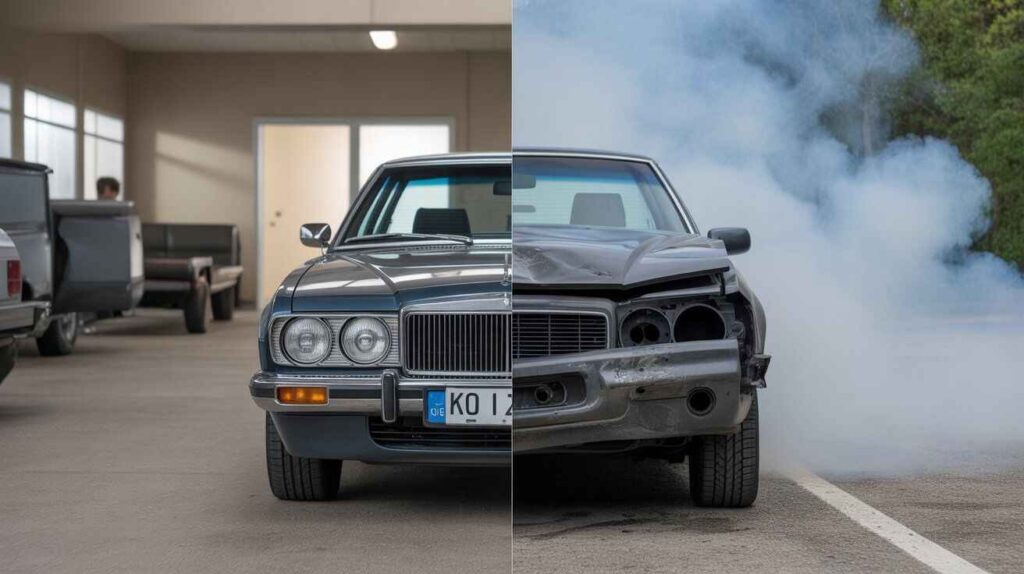
What to Expect in a Buyback Process
Initial Assessment
Dealers start with an inspection of mileage, history, and service records. A vehicle history report confirms details. For manufacturer buybacks, lemon law compliance is also checked.
Offer and Negotiation
After evaluation, dealers make an offer adjusted for wear, tear, or usage fees. Consumers should know market value, compare offers, and negotiate. Always get terms in writing for protection.
How Buybacks Affect Sellers and Buyers
For Sellers – A buyback provides relief from problem cars, fair compensation, and sometimes an upgrade opportunity, though it may carry tax implications.
For Buyers – Buyback cars are often cheaper but may have branded titles, affecting resale. Still, many are repaired, warrantied, and affordable, making them a safe choice.
Red Flags Before Accepting a Dealer Buyback
Before agreeing to a buyback, consumers should verify state rules on title branding. Always review service records and ensure defects have been disclosed.
Everything should be in writing, from refund calculations to repair obligations. If unsure, consulting a consumer attorney can provide clarity, especially in lemon law cases.
FAQs
Q1.Are buyback cars safe to drive?
Yes, if repairs are complete. Always request proof of repairs and a vehicle history report.
Q2.Is a dealer buyback the same as a lemon law buyback?
No. A lemon law buyback is legally required and results in a branded title, while a dealer buyback can be voluntary or promotional.
Q3.Does a buyback affect resale value?
Yes. Manufacturer buyback vehicles may be discounted, but they often come with warranties and complete repair records.