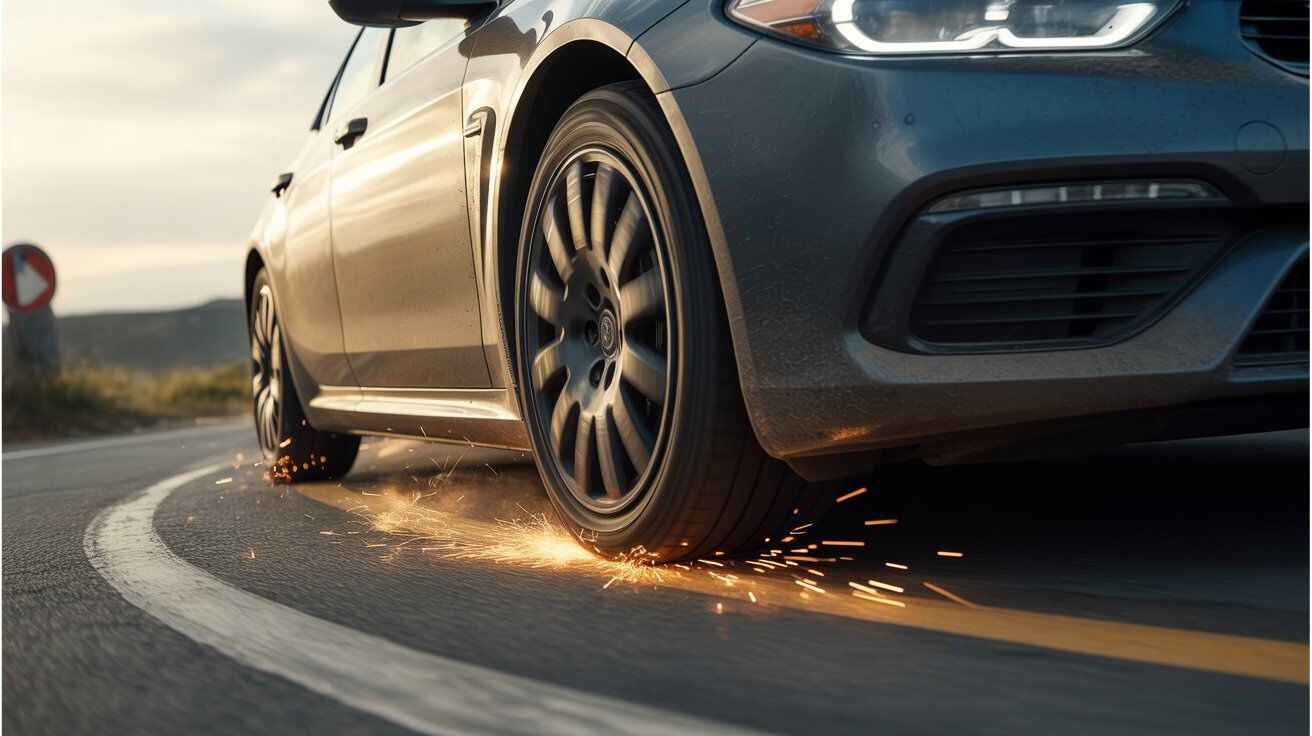
Car grinds when you turn because of worn CV joints, bad wheel bearings, or worn brake components. It can also happen due to low power steering fluid, steering rack problems, or suspension issues.
Why does my car grind when I turn
If your car makes a grinding noise when turning, don’t ignore it—it’s often a sign of trouble in the steering, suspension. Left unchecked, it can lead to poor handling, uneven tire wear, or even accidents.
Understanding the Grinding Noise
When your car makes a grinding noise when turning, it’s a warning that something’s wrong. Unlike squealing brakes this grinding sound usually means friction in wheel bearings or CV joints.
The noise often gets worse during turns, signaling problems that affect handling. If ignored, it can lead to steering wheel shake or even unsafe driving conditions.
Common Types of Car Sound
Cars make noises like squeaks from belts, engine knocks, or rattles from loose parts. But a grinding noise when turning is different ,it often means failing CV joints or worn brake pads, and needs quick diagnosis.
Why a Grinding Noise When Turning is Concerning
Hearing grinding while turning corners often means worn bearings or damaged axles, which can reduce traction and control. If your car vibrates when turning, it’s a serious . Tackling the problem early can prevent costly repairs and avoid accidents.

Common Causes of Grinding When Turning
1.Worn Wheel Bearings
Worn wheel bearings make a grinding noise when turning, and it gets worse as you go faster. They can cause uneven tire wear and steering wheel shake. If your car grinds at low speed turns, check the bearings to stop the wheel from coming loose.
2.Failing CV Joints
When CV joint boots tear, the grease leaks out. This leads to CV joint failure and a scraping sound when turning sharp. It’s common in front-wheel-drive cars. Fixing it early prevents axle damage and keeps the car safe to drive.
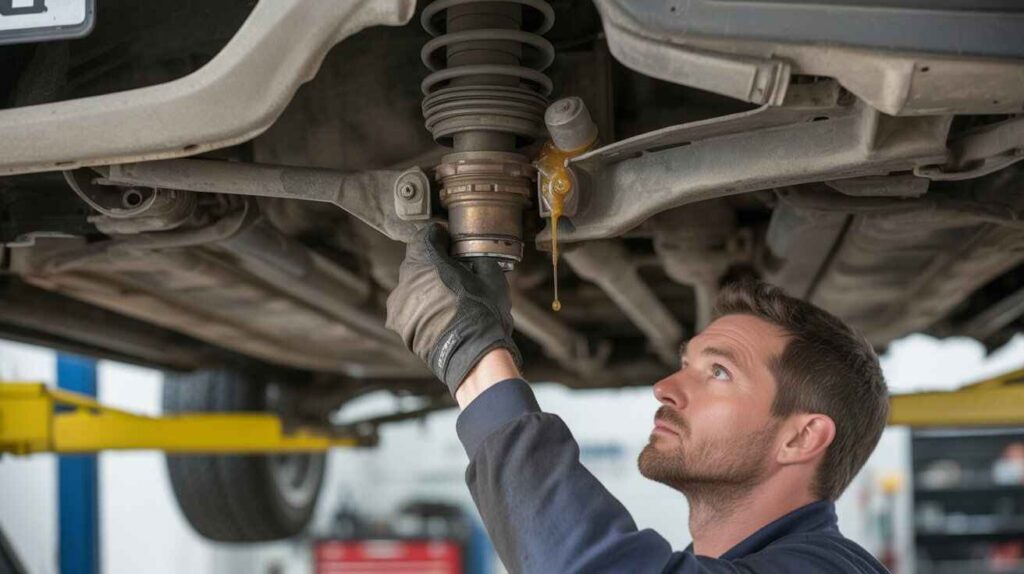
3.Brake System Problems
Worn brake pads or misaligned rotors can cause a grinding noise while turning, often louder on one side. If your car makes a grinding sound when turning left, check the brake caliper to avoid weaker stopping power.
4.Power Steering Issues
Low power steering fluid or a bad pump can cause grinding when turning the wheel. This makes steering hard and rough. Checking the fluid level or steering rack helps restore smooth turning.
5.Other Possible Causes
Sometimes, it’s just loose lug nuts, suspension issues, or a dust shield rubbing the wheel. These can also make a scraping noise when turning. Checking wheel alignment and parts can stop the grinding noise when turning right or left.
How to Diagnose the Grinding Noise
To find why your car grinds when turning? You can do simple DIY checks to find the problem. Here’s how to begin with some expert tips.
Importance of Timely Diagnosis
Catching a grinding sound in car when turning early will save money and keep you safe. If you delay diagnosis, problems like wheel bearing failure can lead to poor handling or even a breakdown.
Listening Tests and Visual Inspections
- Listen carefully if the grinding noise worsens when turning at low speed or in one direction.
- Check your tires for uneven wear or stuck debris.
- Use a jack to get a closer look at bearings, brakes, and suspension parts.
Professional Assessments
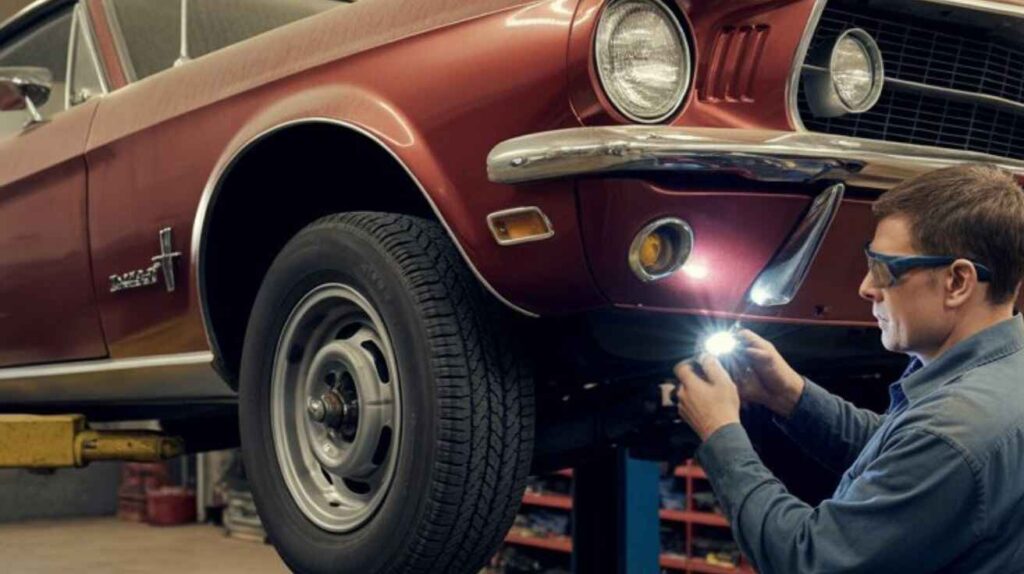
If the question “why does my car grind when I turn” still remains, it’s time to see a mechanic. A professional diagnosis with tools like lifts and scanners ensures accurate fixes for power steering issues, axles, or bearings.
Addressing the Issue
To fix why your car grinds when turning, you must address the root cause:
| Problem | Estimated Cost |
|---|---|
| Worn Wheel Bearings | $200 – $600 |
| CV Joint Failure | $300 – $800 |
| Brake Pad Wear / Rotor Misalignment | $150 – $400 |
If your car makes a grinding noise at low speed turns, get professional help to ensure safety. Always choose a reputable repair shop with ASE-certified mechanics and check online reviews before booking. Fixing the grinding noise early prevents expensive damage and keeps your car safe and reliable.
Why a Smooth Turn is Essential for Vehicle Safety?
Hearing a grinding noise when turning often means to failing axles or worn brakes, both of which can increase accident risk.
A smooth turn is vital for maintaining control, but ignoring a grinding noise when turning can lead to steering wheel shake and reduced driving safety.
When to Seek Professional Help
If DIY fixes don’t solve why your car grinds when turning, it’s time to get professional help. A persistent front-wheel grinding noise or a worsening scraping sound while turning may point to CV joint failure or worn brake pads.
Signs DIY Solutions Aren’t Enough
If your car makes a scraping noise when turning left or right, or the grinding sound continues despite checks, that’s a red flag. Worsening steering wheel shake or uneven tire wear means you need a mechanic’s intervention.
Potential Costs of Repairs
The cost of fixing a grinding noise when turning depends on the problem. Wheel bearing replacement may cost $200–$600, axle repairs usually range $300–$800, and brake servicing runs around $150–$400. Budgeting for repairs early helps prevent bigger, more expensive issues later.
Preventative Maintenance Tips
To stop why your car grinds when you turn, follow these steps:
- Check power steering fluid monthly to prevent grinding noise when turning.
- Rotate tires every 6,000 miles to avoid uneven tire wear.
- Inspect CV joints and wheel bearings yearly to catch car scraping sound when turning early.
FAQs
1.Why is my car making a grinding noise when I turn?
It may be caused by worn wheel bearings, failing CV joints, or brake issues.
2.What causes grinding sounds in a car when turning
CV joints, power steering problems, or poor wheel alignment creating friction during turns.
3.Is grinding when turning dangerous?
Yes. It can signal steering or braking failure, leading to poor handling or accidents. Get it checked immediately.