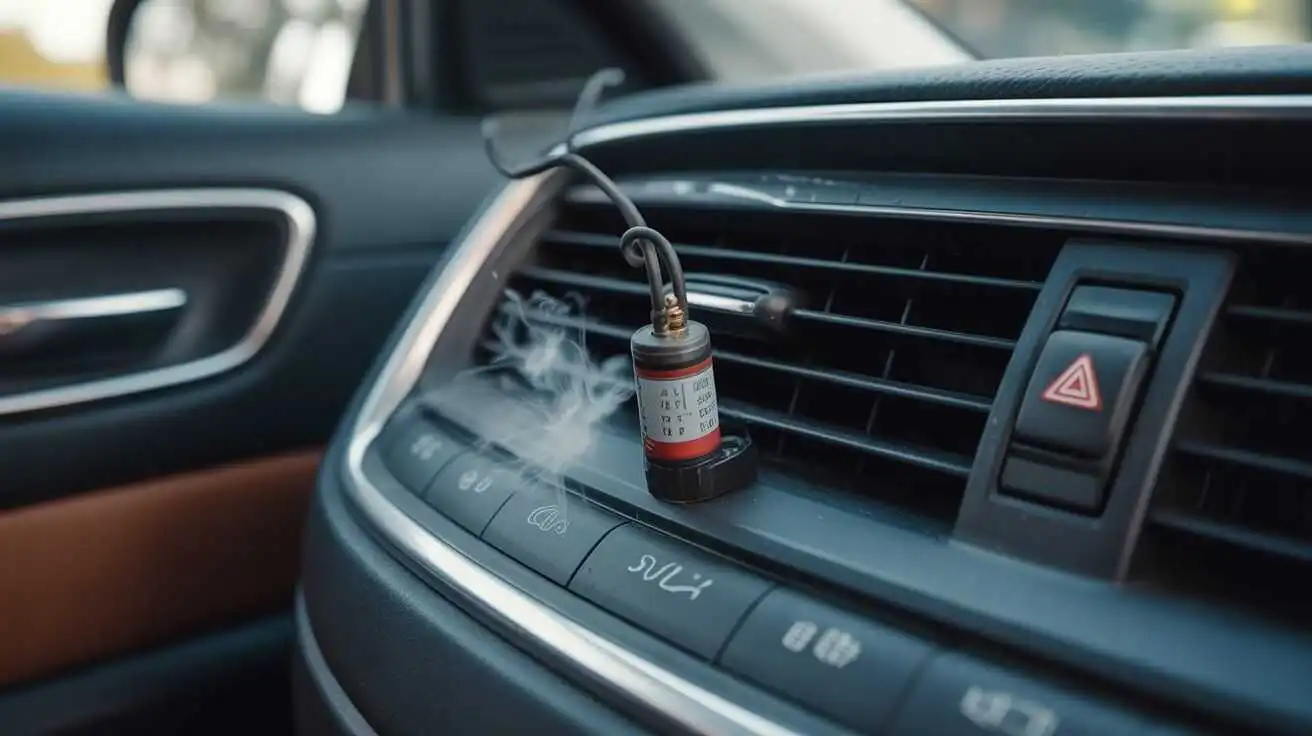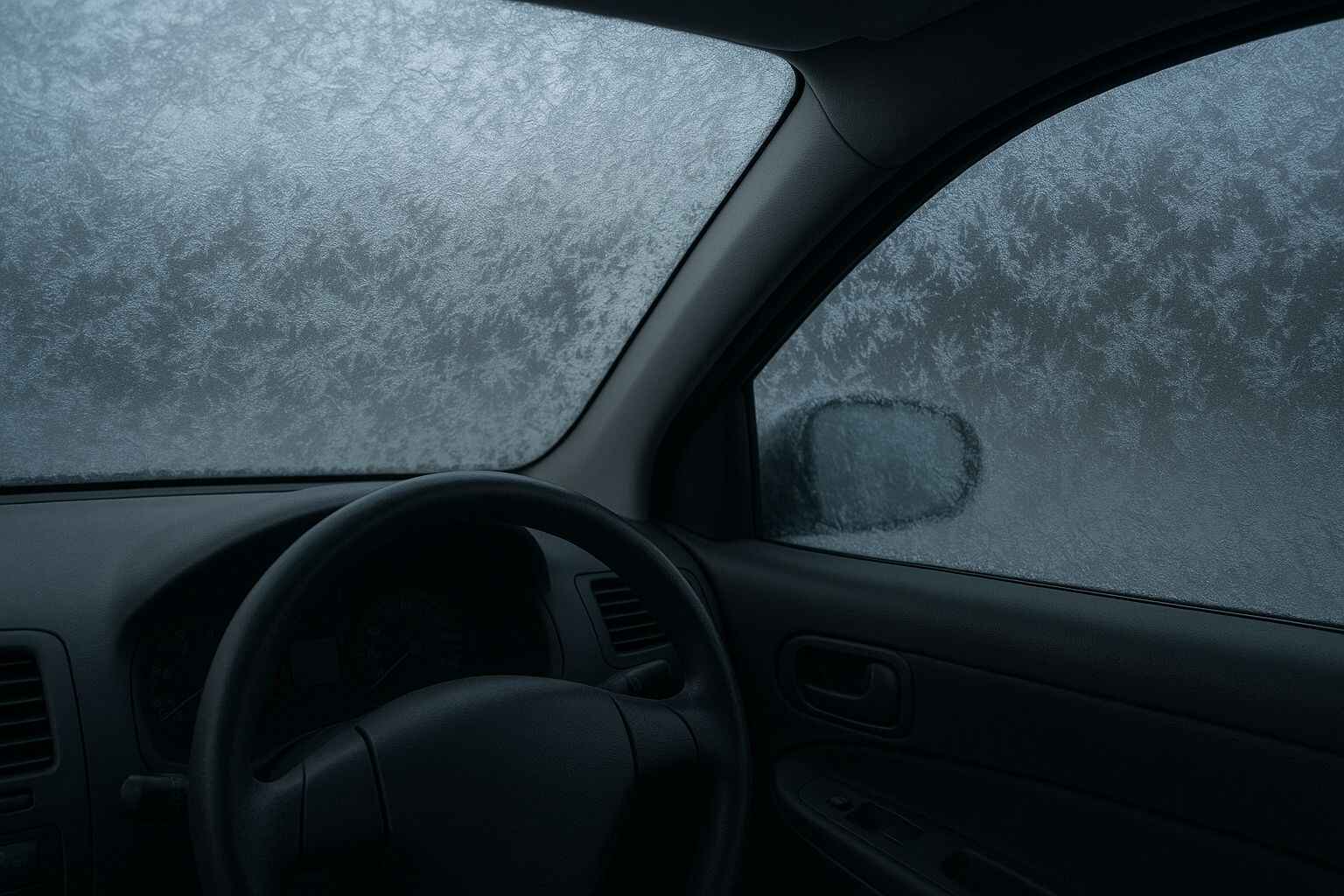
Car frosts on the inside because moisture in the cabin condenses on cold windows and freezes, often due to humidity, wet mats, or poor airflow. Regular ventilation and drying or taking out wet items can help prevent it.
Why is my car frosting on the inside?
Frost forming on the inside of a car is a common winter problem that surprises many drivers. On cold mornings, many drivers ask, why is my car frosting on the inside? Interior frost forms when moisture in the cabin freezes on cold glass, reducing visibility and safety.
Common causes include wet mats, trapped humidity, or poor ventilation, but prevention is simple with the right steps.
Understanding the Problem
Frost on the inside of a car is a thin layer of ice that forms on interior windows. Frost forming inside your car is the result of condensation turning to ice when temperatures drop. Warm, humid air inside the cabin meets the cold windshield, creating moisture that freezes overnight.
This issue is more likely if the car holds excess humidity from wet items or poor airflow .Understanding this process is key to solving the question: why is my car frosting on the inside and taking steps to prevent it.
What Is Interior Frost and How Does It Form?
What Is Interior Frost?
Interior frost is the thin layer of ice that develops on the inside of a car’s windshield or windows. Unlike exterior frost, it forms in the cabin, making it harder to clear before driving.
How Does It Form?
It develops when warm, humid air inside the car touches cold glass surfaces. The moisture condenses into water droplets, which freeze as temperatures drop below zero.

Main Causes of Interior Frost
1.Humidity Levels
When humidity inside the car is high, moisture lingers in the cabin air. Wet clothing, shoes, or even damp weather add to this moisture, which condenses on cold glass and freezes.
2.Temperature Differences
Warm air inside the car naturally holds more moisture. When that air meets cold windows, it reaches its dew point, causing condensation that quickly freezes into frost.
3.Poor Ventilation
Without proper airflow, trapped moisture has no escape. Using recirculation mode or poor air circulation increases the chance of frost forming overnight.
4.Damaged Seals or Leaks
Cracked door and window seals, or blocked sunroof drains, allow water to seep into the cabin. In some cases, a leaking heater core can release coolant, raising humidity and leaving a musty or sweet smell.
What to Do If Frost Forms
Immediate Action
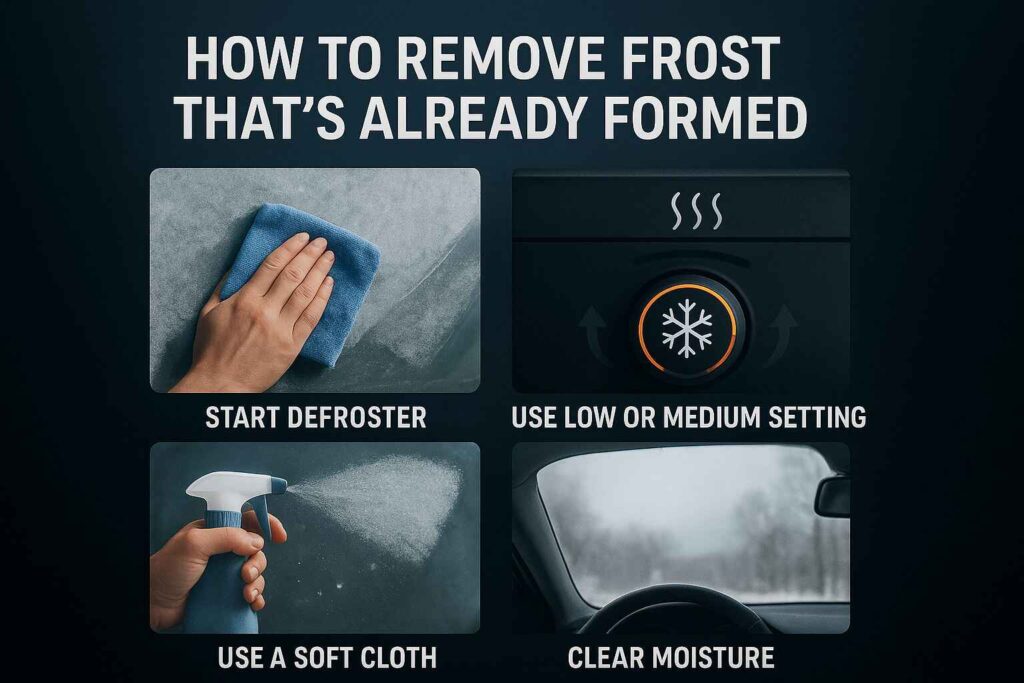
If frost forms inside your windshield, start the defroster on a low or medium setting. Avoid blasting hot air directly onto frozen glass, as sudden temperature changes can cause cracks. Use a microfiber cloth to gently clear moisture.
Long-Term Solutions
Consistent frost signals excess humidity. Remove wet mats, check seals, and use dehumidifiers to keep the cabin dry. Routine maintenance—like inspecting HVAC filters and drains—helps prevent why your car is frosting on the inside from becoming a recurring issue.
Quick Troubleshooting Checklist
| Step | Action |
|---|---|
| Remove Moisture | Take out wet mats, clothing, or gear before parking. |
| Ventilate Car | Use outside-air mode or crack a window slightly overnight. |
| Use Desiccants | Place silica gel packs or dehumidifier bags inside the cabin. |
| Run A/C with Heat | Dry the air by running the car A/C while using the defroster. |
| Inspect Seals/Leaks | Check door and window seals, drains, and heater core for hidden leaks. |
How to Remove Frost That’s Already Formed
Consistent frost signals excess humidity. Remove wet mats, check seals, and use dehumidifiers to keep the cabin dry. Routine maintenance like inspecting HVAC filters and drains helps prevent interior frost from becoming a recurring issue.
How to Prevent Inside Frost
a. Remove Moisture Sources
Moisture is the main cause of why your car is frosting on the inside. Always take out wet clothing, shoes, or gear before parking. Dry or remove damp floor mats to keep humidity low. Moisture absorbers such as silica gel, rice, or cat litter bags are inexpensive ways to reduce cabin dampness.
b. Improve Ventilation
Good airflow prevents moisture from getting trapped. Use outside-air mode instead of recirculation and occasionally run the car A/C with heat to dry the air. Parking in a ventilated space or slightly cracking a window can stop condensation from building up overnight.
c. Use Moisture-Busting Tools
Simple tools can make a big difference. Place silica gel packets on the dashboard or near windows to absorb dampness. Portable dehumidifier pads or compact car dehumidifiers are also effective for keeping humidity under control during cold, wet months.
d. Maintain Seals and Inspect for Leaks
Damaged door or window seals let water sneak inside. Check and replace worn seals and clear sunroof drains regularly. If you notice a musty or sweet coolant smell, it may point to a leaking heater core, which raises humidity and should be repaired promptly.
e. Sensible Driving Practices
Ease your car into temperature changes. Warming the cabin gradually before driving reduces sudden condensation. Avoid leaving snow or ice inside the car, and always brush off shoes and clothing before entering to minimize added moisture.
FAQs
1. Is it normal for cars to frost on the inside?
It’s common in winter, but frequent interior frost usually means your car has excess humidity from moisture sources or ventilation issues.
2. How do I stop frost from forming inside my windshield?
Remove wet items, improve ventilation, use outside-air mode, and place moisture absorbers like silica gel or dehumidifier bags in the cabin.
3. Can damaged door or window seals cause inside frost?
Yes. Faulty seals or clogged sunroof drains let water into the cabin, increasing humidity and causing frost to form overnight.