
Yes, you can modify a financed car — but only if your lender allows it. Always check your loan terms, get approval, and inform your insurer to avoid issues.
Can You Legally Modify a Financed Car?
Modifying a car is one of the best ways to make it feel like yours — but can you modify a financed car? Yes — but it depends.
Most lenders allow basic, non-invasive customizations. However, modifications that impact safety, emissions, or the resale value are usually restricted or require prior approval.
The type of loan also matters:
- Secured loans (where the car is collateral) = strict rules
- Unsecured personal loans (where no lien is placed) = more freedom
Always compare your finance type and agreement terms before planning any customization.
Understanding Financed Cars
What is a Financed Car?
A financed car is a vehicle you’ve purchased using a car loan, where a bank, credit union, or dealership lender pays upfront, and you repay in installments.
Unlike leasing — where you return the car — auto financing makes you the registered owner, but the lender holds a lien until the loan is fully paid off.
The Role of the Lienholder
The lienholder is the financial institution that owns legal interest in your car until your debt is cleared.
They hold the car as collateral, which means any significant changes — especially performance or structural modifications — can affect the value of that collateral.
As a result, lienholders often restrict what modifications you can make without their permission.

Types of Modifications
Cosmetic Modifications
Safe and often allowed, cosmetic mods include:
- Paint wraps and vinyls
- Custom alloy wheels
- Interior reupholstery
- Window tinting (check legal limits)
These changes are largely reversible and less likely to affect your loan or insurance — though they should still be declared.
Performance Modifications
These upgrades can be risky:
- Engine tuning or turbocharging
- Aftermarket exhaust systems
- Suspension lifts or drops
Performance mods may void warranties, spike insurance costs, and violate your financing agreement — especially if they affect emissions or safety.
Safety & Functionality Mods
Often allowed and encouraged:
- Backup cameras
- Blind-spot monitors
- Touchscreen infotainment systems
These increase vehicle value and safety but must be installed properly to avoid warranty issues.
Implications of Modifying a Financed Car
Legal Aspects of Vehicle Modifications
Laws surrounding vehicle modifications vary by state. For example, window tint limits, custom lighting, and emissions systems are regulated in many areas.
Federally, your vehicle must comply with safety and environmental standards, which means certain aftermarket parts could put you in legal hot water — even if your lender approves them.
Financial Implications
Customizing your car can both add or subtract from its value.
While upgraded wheels or a new infotainment system might enhance appeal, radical body kits or non-OEM parts can reduce its resale value — a big issue if the lender ever needs to repossess it.
Worse, insurance premiums often rise for modified vehicles. Insurers see performance upgrades as riskier, and if modifications aren’t disclosed, claims can be denied.
Impact on Loan Terms
Many auto loan agreements contain clauses prohibiting or limiting modifications. By altering the vehicle without written consent, you could unintentionally breach your loan contract.
In severe cases, this can lead to loan default or legal action if the lender believes the car’s value or safety has been compromised.
Steps to Take Before Modifying
| Step | What to Do |
|---|---|
| Review Your Financing Agreement | Read the fine print for clauses about modifications, warranties, and resale limits. Contact your lender if anything is unclear. |
| Consult with the Lienholder | Request written approval before making any major modification. |
| Insurance Considerations | Inform your insurance provider about every modification and ask how it affects premiums or coverage. |
Safe vs Risky Modifications
Safe Mods Include:
- Seat covers and floor mats
- LED interior lights
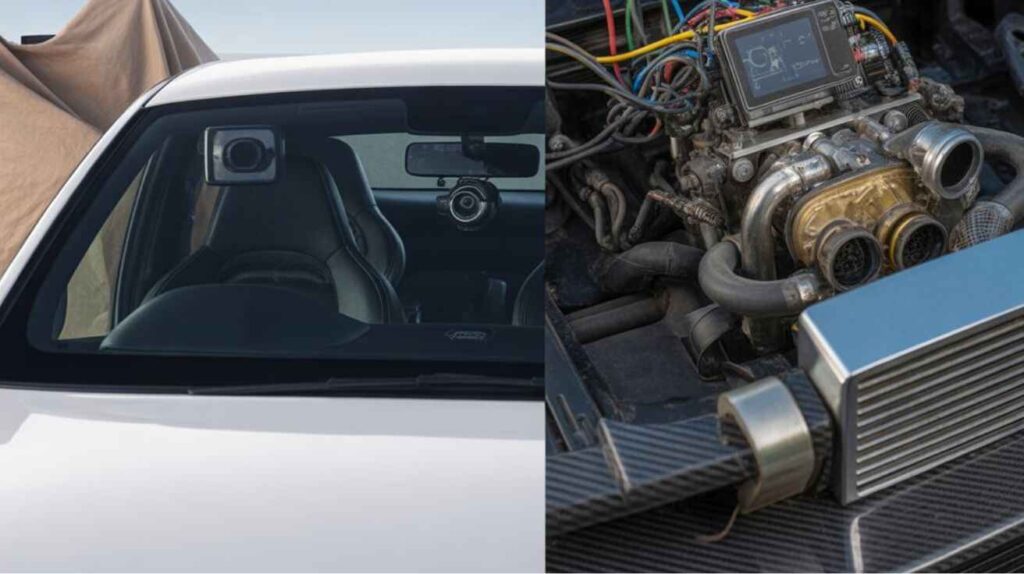
- Dash cams or backup cameras
These are generally non-invasive and don’t affect the car’s mechanics, making them acceptable in most financing scenarios.
Risky Mods Include:
- ECU remapping or chip tuning
- Custom bodywork or spoilers
- Suspension lifts/drops
These can trigger warranty voids, loan violations, and higher insurance premiums.
Impact Overview:
- Car Value: May increase or decrease depending on mod quality and buyer appeal
- Warranty: OEM warranties often voided by non-approved parts
- Insurance: Higher premiums; undisclosed mods may lead to denied claims
Why Lenders Might Be Wary of Modifications
Your financed car is collateral — meaning the lender needs to ensure it retains value. If you make changes that lower resale appeal or introduce safety risks, the lender could face a financial loss in case of repossession.
Additionally, poorly installed or undocumented modifications can cause mechanical issues or safety failures, which increase liability for both you and the lender.
That’s why most finance companies include strict modification policies in contracts — and why it’s always best to seek approval before proceeding.
When It’s Better to Wait Until Full Ownership
Once you complete your loan and receive the vehicle title, you gain full legal ownership. At that point, you’re free to modify the car however you like, without restrictions from lenders or lienholders.
Waiting also:
- Eliminates the risk of contract breaches
- Protects resale flexibility
- Ensures warranty and insurance clarity
If you’re planning major upgrades, waiting until the car is fully paid off is the safest route — financially and legally.
FAQs
Q1: Can you modify a financed car with dealer-approved parts?
Yes, dealer-approved upgrades like floor mats or tech packages are typically safe. However, you should still confirm with your lender to avoid contract issues.
Q2: Will modifications affect my car loan or monthly payments?
Not directly, but unauthorized mods can breach your loan terms, potentially triggering fees or impacting your ability to refinance or trade in the vehicle.
Q3: Do I need to tell my lender before modifying a financed car?
Yes. It’s essential to get written permission from your lienholder, especially for structural or performance modifications.